





Introduction
Exploring Rome as a family means stepping together into almost three thousand years of history, myth and breathtaking architecture — while making sure the kids stay engaged and comfortable. This open-air museum city offers historic sites that are both accessible and fun for youngsters: amphitheaters where they can picture gladiators, basilicas packed with dazzling mosaics, impressive baths that tell the story of everyday Roman life, and lively squares where street performers turn a break into a show. To make the experience enjoyable for everyone, it helps to plan routes, know exact addresses, understand prices and spot family-friendly services and activities.
This in-depth article highlights historic sites in Rome that work especially well for children, with practical details: full site names, exact addresses, approximate prices in euros and typical opening hours. You’ll also find concrete tips to organize visits (ideal duration, stroller access, snack breaks and hands-on activities), route ideas and guidance on buying tickets in advance. The goal is to avoid frustration (long queues, unsuitable museums) and create memorable moments — a child awestruck by the Colosseum’s size, a workshop where they can touch a replica of an ancient object, or a panoramic view from a castle that sparks a hundred questions.
Before you go, remember that prices and opening hours can shift slightly with the season or special events; check official sites before you travel. The information below is based on typical practices and rates (mid-2024) and includes tips to save money (free entry for young people, reduced fares, occasional free time slots). At the end of the article you’ll find recommendations to optimize each day and turn Rome into a playground of historical adventures for the whole family.
The Colosseum, Roman Forum and Palatine Hill: an ancient introduction for kids
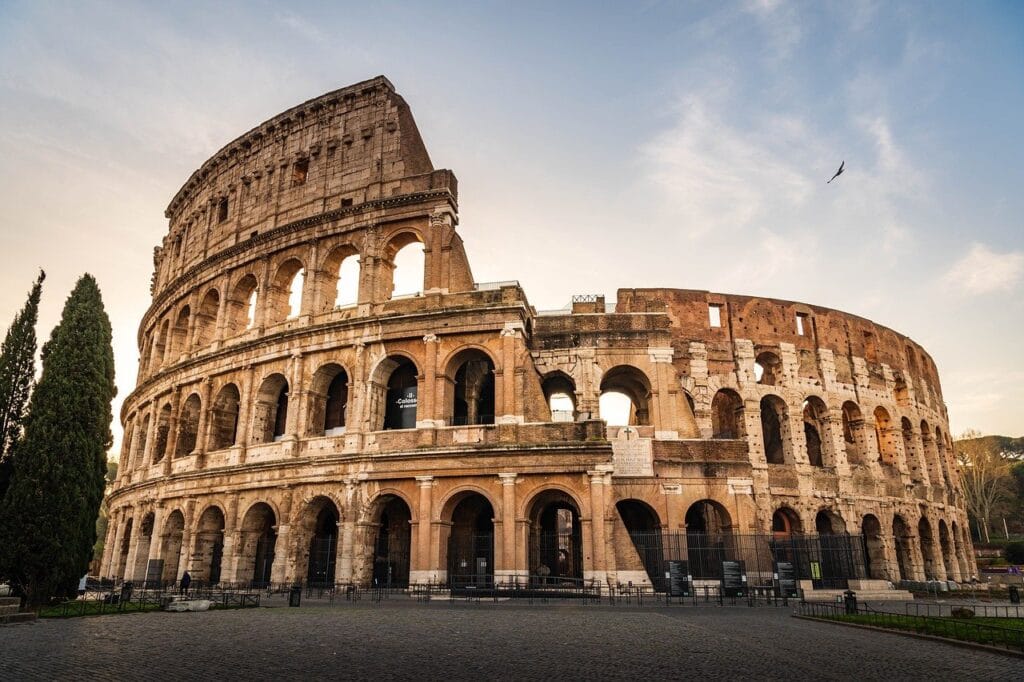
The iconic trio — Colosseum, Roman Forum and Palatine Hill — makes for an essential, family-friendly outing. The archaeological area is vast, with dramatic sightlines that help kids imagine ancient Rome: gladiator fights, processions and bustling markets.
Practical information
- Full name: Colosseo (Anfiteatro Flavio) – Foro Romano – Palatino (Parco archeologico del Colosseo)
- Addresses: Colosseo, Piazza del Colosseo, 1, 00184 Roma RM; Foro Romano, Via dei Fori Imperiali, 00186 Roma RM; Palatino, Parco del Colle Palatino, 00186 Roma RM.
- Opening hours: generally 08:30–19:00 (last entry about 1 hour before closing), hours vary by season.
- Indicative prices: combined ticket Colosseo + Foro + Palatino: around €16.00 full price. Free entry for under-18s. Reduced fares for 18–25 year olds from the EU (typically around €2.00).
Why do kids love this area? The space is huge — there’s room to run (carefully), climb steps and picture historical scenes. The ruins are big and telling: an arch here, a column there, and suddenly the stories come alive. Family-oriented audio trails are designed with short anecdotes and quizzes to keep attention. « Family » guided tours (often 1–1.5 hours) use models, costumes and role-play to engage younger children.
 Click here to book a semi-private Colosseum & Ancient Rome tour
Click here to book a semi-private Colosseum and Ancient Rome tour

Practical tips: buy tickets in advance to avoid queues (book online via the Parco archeologico del Colosseo official site or trusted agencies). Bring water, a hat and snacks — on-site vendors are limited and often crowded. If you have a stroller, note that parts of the Forum and Palatine are gravel or cobbled; a baby carrier is often more convenient. For families with very young children, a stop at the Colosseum’s small museum (on-site) to see models and reconstructions can provide useful context before exploring the ruins.
The Vatican City and the Sistine Chapel: art and wonder for younger visitors
Visiting the Vatican with kids can feel intimidating because of the masterpieces and the crowds, but with the right planning it becomes a magical experience: colorful frescoes, impressive sculptures and St. Peter’s Basilica, which also offers a family-friendly climb to a panoramic viewpoint. The Vatican Museums provide educational routes and children’s audio guides.
Practical information
- Full name: Musei Vaticani (Vatican Museums) and Cappella Sistina (Sistine Chapel); Basilica di San Pietro (Saint Peter’s Basilica).
- Addresses: Musei Vaticani, Viale Vaticano, 00165 Città del Vaticano; Basilica di San Pietro, Piazza San Pietro, 00120 Città del Vaticano.
- Opening hours: Musei Vaticani: usually Monday to Saturday 09:00–18:00 (last entry 16:00). On Sundays the museums are closed except the last Sunday of the month (free entry with reduced hours 09:00–14:00, Sistine Chapel closes at 12:30). Basilica di San Pietro: generally 07:00–19:00 (times vary in winter/summer); the dome opens earlier and closes earlier.
- Indicative prices: Musei Vaticani: full price around €17.00 (book online — reservation fees ~€4.00), toddlers usually free; reduced rates for youth. Dome ascent: about €8–10 depending on partial elevator use.
Why bring kids? The Sistine Chapel is a visual shock: colors, faces and biblical stories told in images that really capture attention. At St. Peter’s, the monumental square and the view from the dome are especially striking for children — watching Rome spread out below often sparks awe. The museums also include sections (Egyptian antiquities, Roman statues) that tell visual, easy-to-understand stories for younger visitors.
Click here to discover the Vatican especially for kids
Click here to explore St. Peter’s Basilica, undergrounds and dome

Practical tips: book an early morning or late afternoon slot to avoid the worst crowds. Respect the dress code (shoulders and knees covered); this applies to children as well. Opt for a family-guided tour (1–2 hours) that condenses the must-sees and turns the visit into an interactive trail with riddles and visual markers. Also notify in advance if you’ll have a stroller; some routes require a baby carrier, especially if you plan to climb the dome.
The Pantheon, Piazza Navona and Trastevere: squares, churches and alleys for little explorers
If your family wants a mix of historical discovery and relaxed wandering, the Pantheon–Piazza Navona–Trastevere triangle is perfect. History feels close here: an ancient dome, baroque fountains and bustling alleys where kids are constantly stimulated by street scenes, musicians and artists. These spots are compact and easy to combine into a half-day or a leisurely full day.
Practical information
- Pantheon — Address: Piazza della Rotonda, 00186 Roma RM. Hours: usually 09:00–19:00 (varies by season). Fee: admission is sometimes charged for tourists (approximate €5.00 for adults; free for under-18s). Entry may be free during religious ceremonies.
- Piazza Navona — Address: Piazza Navona, 00186 Roma RM. Public square, open 24/7; shops and fountains (Fontana dei Quattro Fiumi) operate according to café and store hours.
- Trastevere – Basilica di Santa Maria in Trastevere — Address: Piazza di Santa Maria in Trastevere, 00153 Roma RM. Hours: generally 09:00–20:00. Basilica entry is free (some chapels or attached museums may charge).
Why do these places appeal to kids? The Pantheon gives a live lesson in architecture: the light streaming through the oculus at the dome’s center is simple to explain and endlessly fascinating. At Piazza Navona, street artists and stalls make waiting playful; children often love watching the fountains and mimicking photos. Trastevere, with its cobbled lanes and tiny trattorias, is perfect for an ice cream break after an improvised treasure hunt (look for mosaics, gargoyles or old plaques).
Click here to book a guided tour of the Pantheon with skip-the-line entry
Click here to book a guided Pantheon tour with skip-the-line entry

Practical tips: plan a short activity for the kids (a scavenger hunt, a small booklet to stamp at architectural landmarks). There are plenty of cafés and gelaterie nearby; aim for off-peak hours to secure a seat with the children. The Pantheon can be visited quickly (20–30 minutes) but also deserves a moment to observe from the square where kids can run freely.
Castel Sant’Angelo and the Tiber banks: fortress, bridges and views
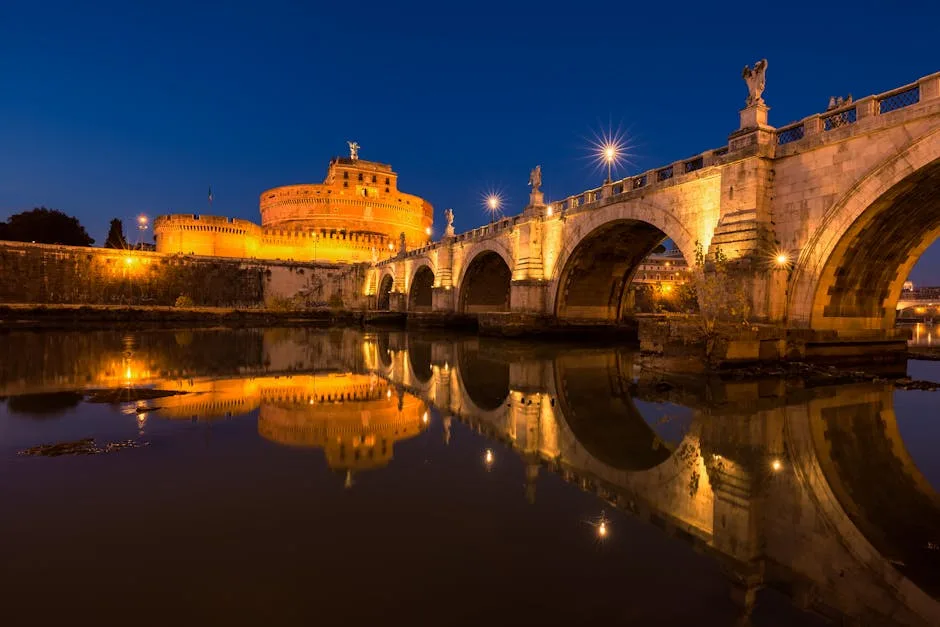
Castel Sant’Angelo (Saint Angelo Castle) is a highly photogenic fortress on the Tiber’s edge; it blends military history, papal anecdotes (the Passetto di Borgo) and spectacular views from its terraces. For families, it’s a great mix of museum, tower climbs and riverside strolls.
Practical information
- Full name: Castel Sant’Angelo (Museo Nazionale di Castel Sant’Angelo)
- Address: Lungotevere Castello, 50, 00193 Roma RM.
- Opening hours: generally 09:00–19:30 (last entry 30–45 minutes before closing). Closed on some public holidays; hours vary seasonally.
- Indicative prices: full ticket around €13.00–15.00. Reduced rates for young people and free entry for under-18s under certain conditions.
Why bring kids? Spiral staircases, displayed cannons and suits of armor, small inner courtyards and — above all — the climb up to terraces with 360° views of Rome and the Tiber all fuel imagination. The Sant’Angelo bridge, decorated with angels, is a pleasant place for photos and an afternoon snack. Temporary exhibitions and illustrated panels often make the history easier for younger visitors to follow.
Click here to book a skip-the-line tour of Castel Sant’Angelo
Click here to book a skip-the-line Castel Sant’Angelo tour
Practical tips: the visit includes multiple levels and staircases; for strollers a baby carrier is better for narrow sections. Check whether there are child-friendly workshops or guided tours on the day of your visit — some municipal programs schedule family activities. After the visit, the riverside walk is ideal for a bike or scooter break (in permitted areas) and to admire the view toward the Vatican.
Unusual sites and family-friendly museums: Baths, Capitoline and the Galleria
Alongside the major sights, Rome offers lesser-known historic sites that capture kids’ interest: the Baths of Caracalla to imagine everyday leisure, the Capitoline Museums to explore civic history, and the Galleria Borghese for a short, family-friendly introduction to art. These places often run children’s workshops and educational services to enrich visits.
Practical information and addresses
- Terme di Caracalla (Baths of Caracalla) — Address: Viale delle Terme di Caracalla, 00153 Roma RM. Hours: generally 09:00–18:00 (varies by season). Indicative price: around €8.00 full price, with free or reduced options for young visitors.
- Musei Capitolini (Capitoline Museums) — Address: Piazza del Campidoglio, 1, 00186 Roma RM. Hours: roughly 09:30–19:30. Indicative price: €15.00 full fare; reductions often available for young people.
- Galleria Borghese — Address: Piazzale Scipione Borghese, 5, 00197 Roma RM. Hours: timed entries (often 09:00–19:00); reservation required. Indicative price: €13.00 + booking fees; visits limited to 2 hours.
- Museo Nazionale Romano – Palazzo Massimo — Address: Largo di Villa Peretti, 00185 Roma RM. Hours: generally 09:00–19:45. Indicative price: €8.00.
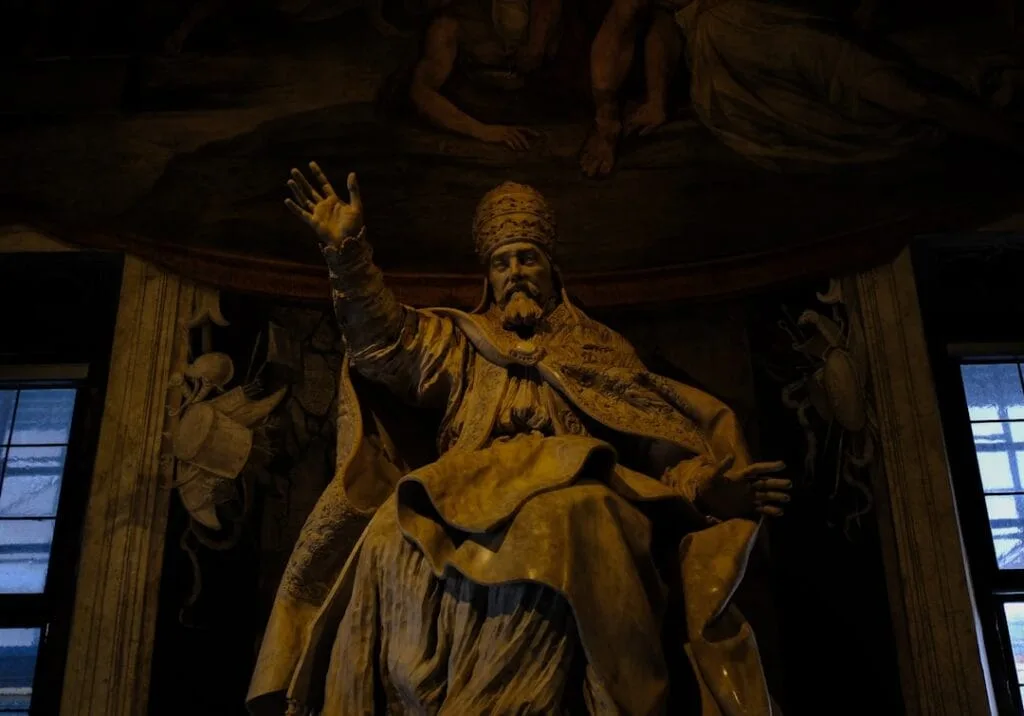
Why are these places child-friendly? The Baths of Caracalla show the scale of architecture devoted to ancient leisure: huge pools, mosaics and vaults. The Capitoline Museums tell the foundation story of Rome through dynamic statues and reliefs. The Galleria Borghese’s intimate format and dramatic sculptures (Bernini) and paintings make for short visits that fit kids’ attention spans — and the nearby Villa Borghese gardens provide a great space to recover afterwards.
Click here to book your tickets for the Galleria Borghese
Click here to book tickets for the Galleria Borghese
Click here to book a private tour of the Capitoline Museums
Click here to book a private tour of the Capitoline Museums
Practical tips: look into family workshops (many municipal museums offer periodic children’s activities: creative workshops, storytelling tours). Most museums accept strollers but may ask you to park them for certain rooms. Plan a mix of indoor visits and playtime in the parks (Villa Borghese, Giardino degli Aranci): after an hour inside, an hour of play will keep kids excited for what’s next.
Conclusion
Rome is an ideal destination for families who want to combine historical discovery with playful moments. By mixing major monuments (Colosseum, Vatican, Castel Sant’Angelo) with less-crowded spots (Baths of Caracalla, Palatine, Capitoline), you can build balanced days where wonder and understanding go hand in hand. To make the trip successful, follow a few simple rules: book skip-the-line tickets in advance, favor morning or late-afternoon slots, alternate indoor visits with outdoor breaks, and choose guided tours or audio guides designed for children.
Here are some quick practical recommendations: bring water and snacks, carry a baby carrier for cobbled areas, check official sites for up-to-date hours and prices (they may change), and look for children’s workshops run by museums — they add a lot to the visit. Finally, leave room for the unexpected: an ice cream in a square, a puppet show, a family photo on an ancient bridge; often those unplanned moments are the ones kids remember most.
Happy travels to Rome: pack maps, a scavenger booklet for the kids and a good pair of shoes. With a little organization and flexibility, the Eternal City becomes a playground where history is learned through fun — and the whole family returns home full of images, stories and smiles.
To avoid queues and save time on site, also consider booking skip-the-line tickets whenever possible.