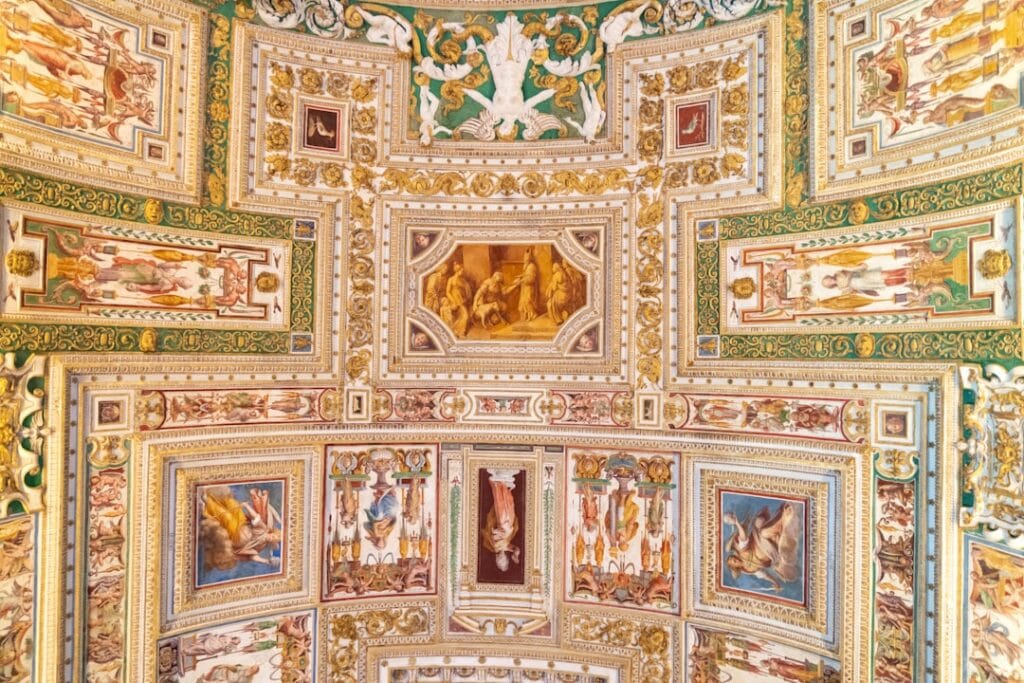






1) Why the Vatican mosaics matter: history and techniques
The Vatican mosaics sit within a long Mediterranean tradition dating back to Roman antiquity and Byzantine art. Early Christian mosaics use small tesserae (glass, marble, enamel) set in mortar to create durable sacred scenes. At the Vatican, these works were commissioned to assert doctrine, decorate basilicas and immortalize liturgical images: Christ Pantocrator, the Virgin in Majesty, saints, popes and ecclesiastical triumphs.
Technically, the process assembles tesserae of varying shapes and colors to play with light. gold leaf pieces backed by glass create those characteristic golden glints. Medieval mosaics favor frontal composition and symbolic hierarchy, while the Renaissance and modern eras introduce depth and naturalism, sometimes translating famous paintings into mosaic to ensure an image’s permanence in a space of public veneration.
At the Vatican you’ll find three main families of mosaics: ancient and paleochristian mosaics (from excavations and early basilicas), Byzantine and medieval mosaics (inspired by Constantinople and Ravenna), and post‑Reformation/modern mosaics (mosaic copies of painted works for heavily visited sites). Understanding these categories helps decode the technique, palette and message of each panel.
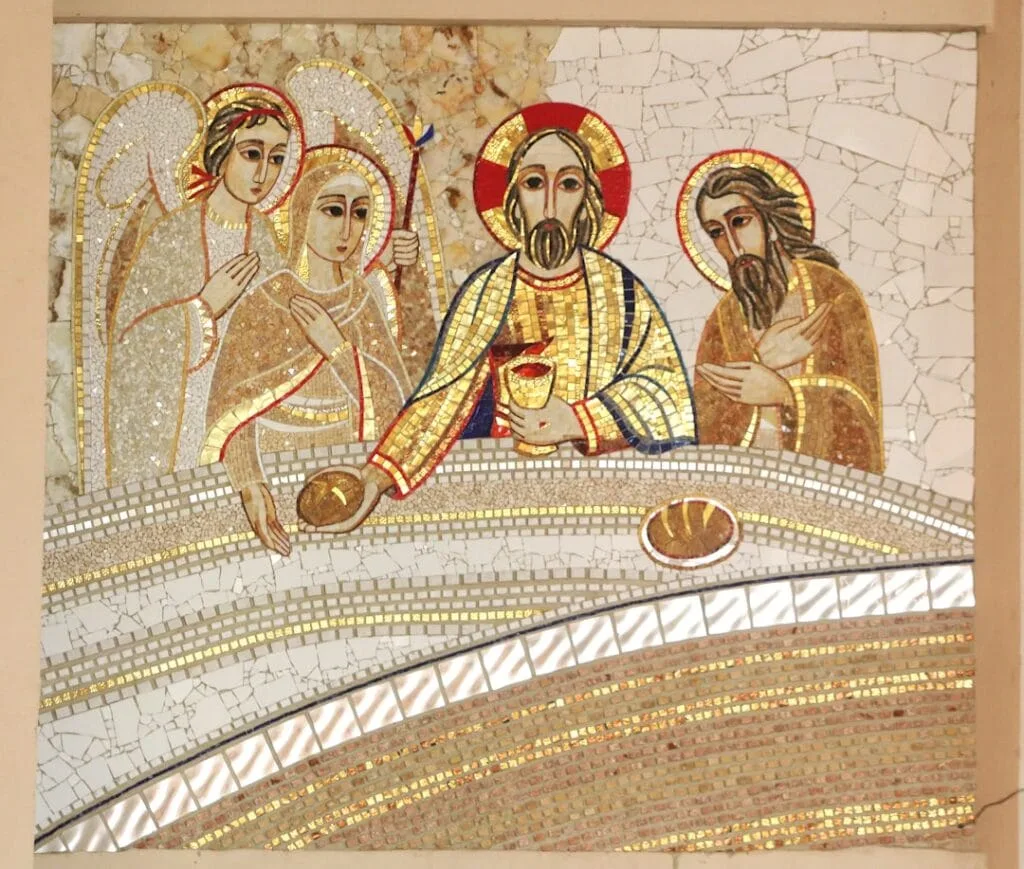
2) Musei Vaticani and Museo Pio Cristiano: the mosaic collections
The main entry point for ancient mosaics is the Musei Vaticani, located at Viale Vaticano, 00165 Città del Vaticano. The mosaics in the Museo Pio Cristiano (part of the Vatican Museums) gather paleochristian pavements and panels from catacombs and early Christian worship sites. The room dedicated to mosaics offers precious examples of biblical scenes and geometric motifs dated between the 4th and 6th centuries.
Hours (indicative): Musei Vaticani — generally open Monday to Saturday from 09:00 to 18:00 (last entry 16:00). Closed on Sundays except the last Sunday of each month when entry is free from 09:00 to 14:00 (last entry 12:30). Check the official site before you go for exceptional closures.
Prices (indicative in euros): standard online ticket ≈ €17 + booking fee ≈ €4 (≈ €21 total), box office price ≈ €21. Free for children under 6. Reduced rates for 6–18 year olds and some students (check conditions). Audioguide ≈ €7–€10. Skip‑the‑line tickets and guided tours available at variable prices.
Practical entrance address: Ingresso Musei Vaticani, Viale Vaticano (corner of Via Tunisi), 00165 Roma. The museum route includes the Sistine Chapel (which you pass through at the end of the circuit): note the strict no‑flash photography rules in the Sistine and the need for respectful silence.
- Tip: Start with the less crowded rooms (Egyptian collections, Tapestry Room) to arrive more relaxed at the mosaic rooms.
- Access: Wheelchairs and elevators are available, but some older rooms have more constrained access.
 Click here to book your Vatican Museums tickets
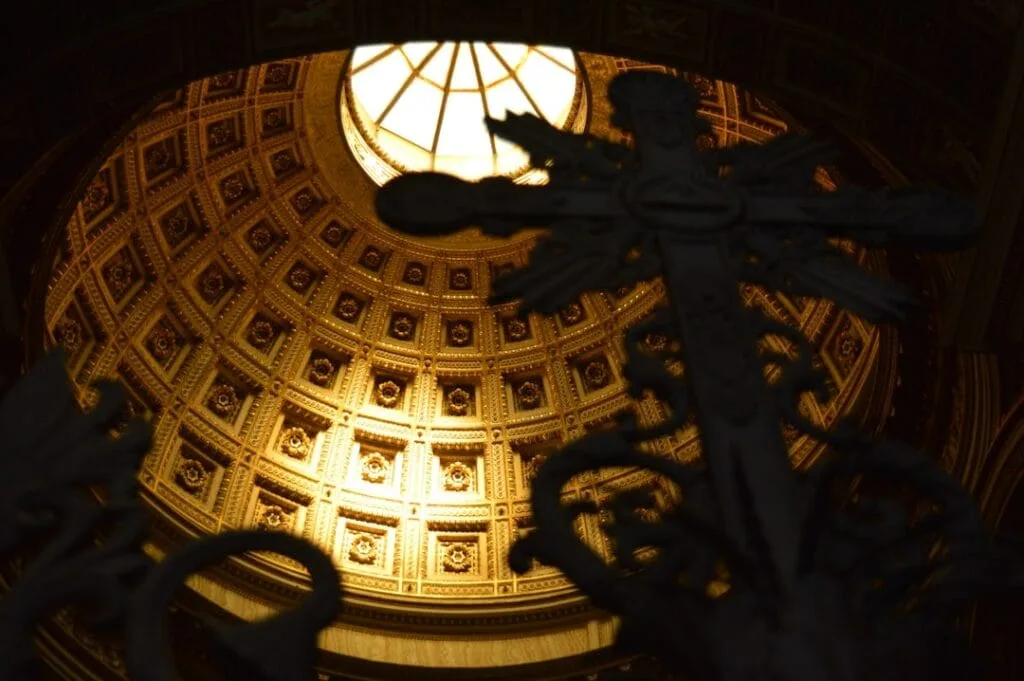
Recommended experiences around the Vatican mosaics
The gold of the tesserae sparkles when light falls through the high windows.
Browse these suggestions to pick an angle — museum collection, liturgical route or restoration workshop. Each lets you approach mosaic as material: texture, color and liturgical narrative.
1. Full guided tour of the Vatican Museums
A guided itinerary through the Vatican Museums to the Sistine Chapel, with a guide who focuses on the mosaic rooms and facilitates access to St. Peter to view works and their liturgical contexts.
- ⏱️ Duration: 2.5–4 hours
- 💡 Highlight: Guided access to key rooms and contextual storytelling
- 🎟️ Access: Skip‑the‑line / group entry ticket
- 🗣️ Languages: French, English, Spanish
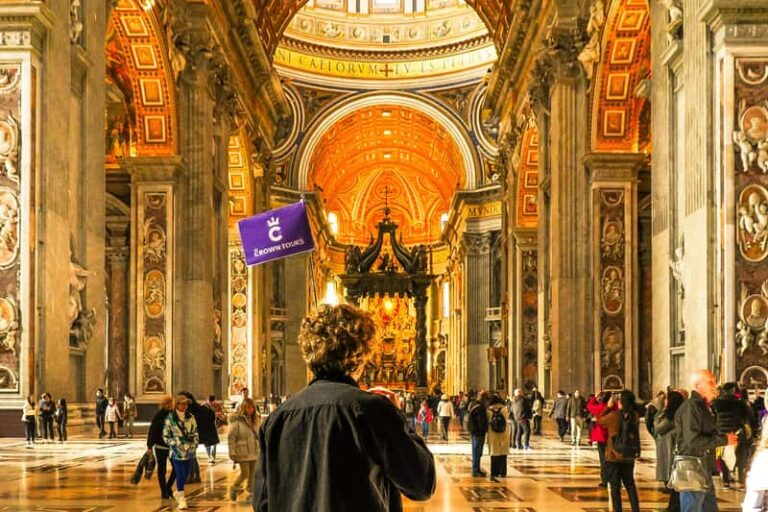
2. Basilica‑focused visit to St. Peter’s
A route focused on the basilica: nave mosaics, apse and chapels, reading the liturgical decoration, with the option to climb the dome and visit the necropolis to place the works in their original context.
- ⏱️ Duration: 1.5–2.5 hours
- 📍 Itinerary: St. Peter’s Square → Nave → Apse → Dome / Necropolis
- 🚶 Format: Small‑group walking tour
- 🗣️ Languages: French, English, Italian
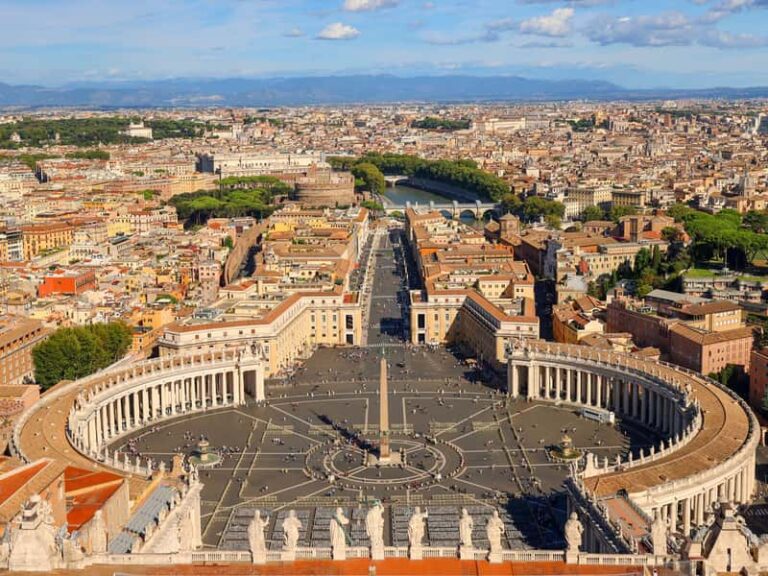
3) St. Peter’s Basilica: liturgical mosaics and apse decoration
The Basilica di San Pietro in Vaticano (St. Peter’s Basilica) is located on the Piazza San Pietro, 00120 Città del Vaticano. Entry to the basilica itself is free, but you must pass security checks. Inside, mosaics play a major role: using mosaic for vaults and large panels became standard for its durability under heavy liturgical use and in large volumes filled with air and light.
Hours (approx.): St. Peter’s Basilica — generally open daily from 07:00 to 19:00 (April–September) and from 07:00 to 18:30 (October–March). Liturgical celebrations may restrict access to some areas. The climb to the dome (cupola) has slightly different hours: roughly 08:00–18:00 (April–September) / 08:00–17:00 (October–March).
Prices (indicative, in euros): entry to the basilica is free. To climb the dome: stairs ≈ €10, elevator + stairs ≈ €12. These rates are indicative and may change. Expect queues, and respect the dress code (shoulders and knees covered).
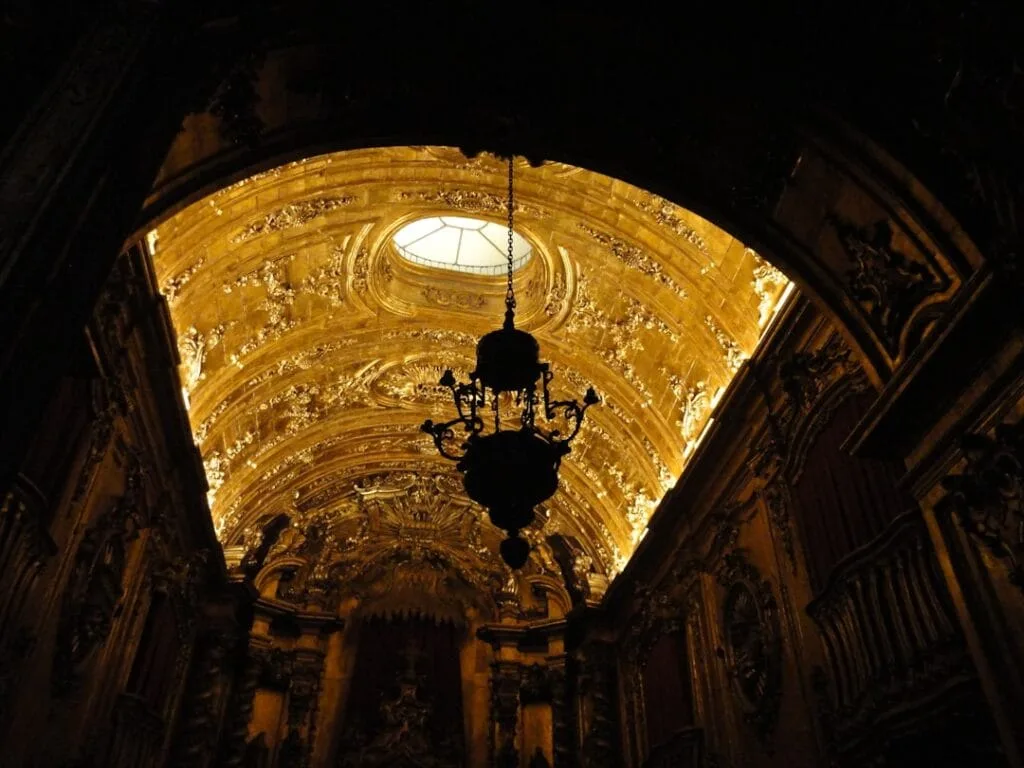
Inside, look for the nave mosaics, gilded vaults and the enormous apse mosaic that often replaces a damaged painting. The mosaics in the apses and side chapels sometimes reproduce famous paintings and reflect the work of the Vatican workshops in the 19th and 20th centuries, designed to withstand time and pilgrims’ traffic. Take time to observe the golden tesserae where natural light filters through the high windows.
Click here to visit St. Peter’s Basilica and climb the dome
4) The Vatican Mosaic Studio: conservation, commissions and workshops
The Studio del Mosaico Vaticano (Vatican Mosaic Studio) is the historic workshop responsible for creating and restoring the Vatican’s mosaics. It’s based within the Musei Vaticani complex and also operates under the Fabbrica di San Pietro for works in the Basilica. The main access address remains the museum complex: Viale Vaticano, 00165 Città del Vaticano, but the workshops are not always freely open to the public.
Role and mission: the studio produces mosaics from pictorial models (tessera-by-tessera transcriptions), restores old panels, and fulfills commissions for churches worldwide. Restorers use traditional techniques combined with modern methods (chemical analyses, consolidation, adhesive synthesis) to ensure the longevity of the works.
Visits: guided visits to the Studio del Mosaico are rare and often offered as part of temporary exhibitions or the Vatican Museums’ educational programs. When available, they are usually small-group and paid: indicative price for a specialized visit ≈ €30–€60 per person depending on the format. For researchers, appointments can be arranged via the museums’ educational services.
- Observation: The studio showcases the intense manual work — microscopic inspection, cutting glass and laying pieces on trays — that turns a drawing into a lasting surface.
- Restoration: Contemporary interventions prioritize legibility and structural stability: restorers strive to preserve as much of the original as possible while making the image readable for the public.
Click here to book a private Vatican tour with a guide

5) Practical tips for photographing, admiring and understanding
Photographing the Vatican mosaics requires some caution. In the Sistine Chapel, photography is strictly forbidden (even without flash); in most other rooms of the Vatican Museums, photography is allowed without flash. In St. Peter’s Basilica, flash is sometimes tolerated but it’s better to avoid it to respect the sacredness of the place and to protect old works.
Technical tips:
- Use a fast lens (f/2.8 or better) to compensate for interior light; a 24–70 mm or 24–105 mm zoom is versatile.
- A small tabletop tripod or a stable monopod can help, but check whether they are permitted in each room.
- Favor close-up shots to reveal the texture of the tesserae and the golden reflections; details tell the story of the craft.
- Non-flash photos reproduce colors better and help preserve the artworks.
Visiting tips:
- Arrive early to avoid crowds (or book a morning guided visit); the best times are often 09:00–11:00 or late afternoon outside peak days.
- Respect silence and solemnity: many mosaics still serve an active liturgical function.
- If you follow a theme (early Christian mosaics, Byzantine mosaics, modern reproductions), plan an itinerary through the Museums to avoid getting scattered.
- Consider a specialist guide or an audio guide to understand the symbols — mosaic iconography is its own language (titles, gestures, saints’ attributes).
Click here to book a guided Vatican & Sistine tour

Conclusion
The Vatican mosaics are both historical documents and living works of art, designed to endure and speak to generations of visitors. Between the collections of the Musei Vaticani, the luminous heritage of St. Peter’s Basilica and the expertise of the Studio del Mosaico Vaticano, you’ll find a spectrum of artistic expression from ancient to contemporary. This visual guide gives you practical landmarks — addresses, hours and prices in euros — as well as keys to approach these gleaming surfaces with care: learn to see the material, understand the technique, and respect the sites.
Before you go, don’t forget to check schedules and access rules online (reservations, unexpected closures, special tours). Bring sturdy shoes, a telephoto lens if you have one, and a notebook to jot down room numbers or the works that move you most. And take your time: a mosaic often reveals itself on a second look—get close to read the tesserae, then step back to take in the overall composition. Enjoy a visual journey to the heart of the Vatican — where gold and glass tell centuries of sacred images.
Practical sources: Musei Vaticani — Entrance: Viale Vaticano, 00165 Città del Vaticano; Basilica di San Pietro — Piazza San Pietro, 00120 Città del Vaticano. For prices and bookings, consult the official websites of the Vatican Museums and the Basilica before your visit.