





Introduction
Testaccio is one of Rome’s most authentic and foodie neighborhoods. Located south of the historic center, it long served as the city’s industrial and commercial heart, where goods and animals arrived to supply Rome. Today Testaccio still retains a popular spirit and a strong culinary identity: neighborhood markets, small family trattorie, stalls overflowing with fresh produce and perfectly executed Roman classics. For any traveler wanting to understand Roman cuisine beyond tourist clichés, a deep dive into Testaccio is almost mandatory.
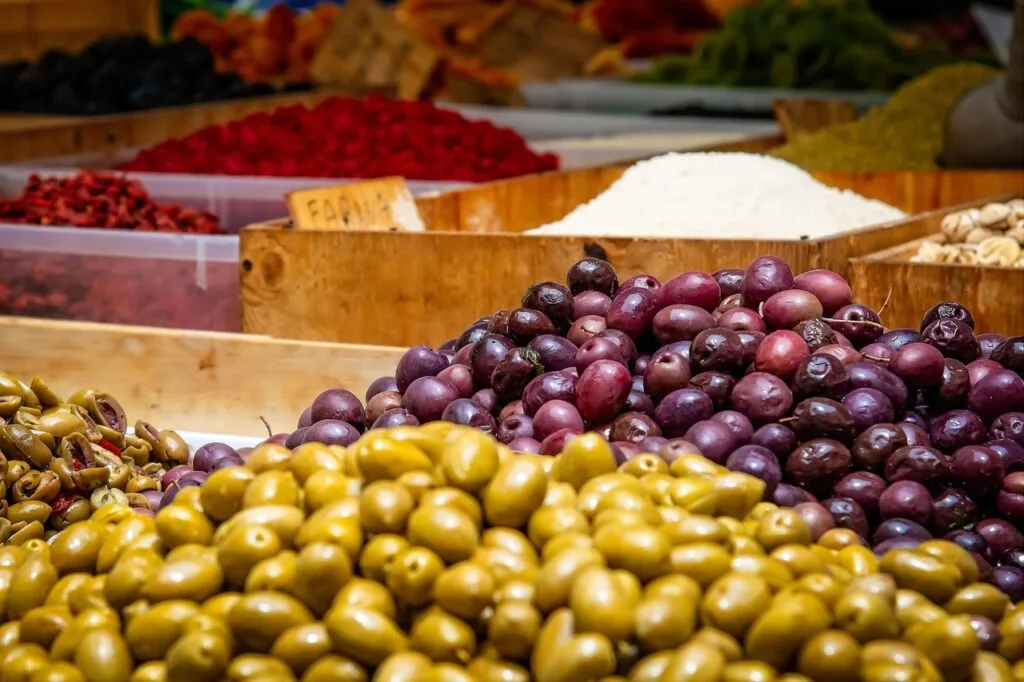
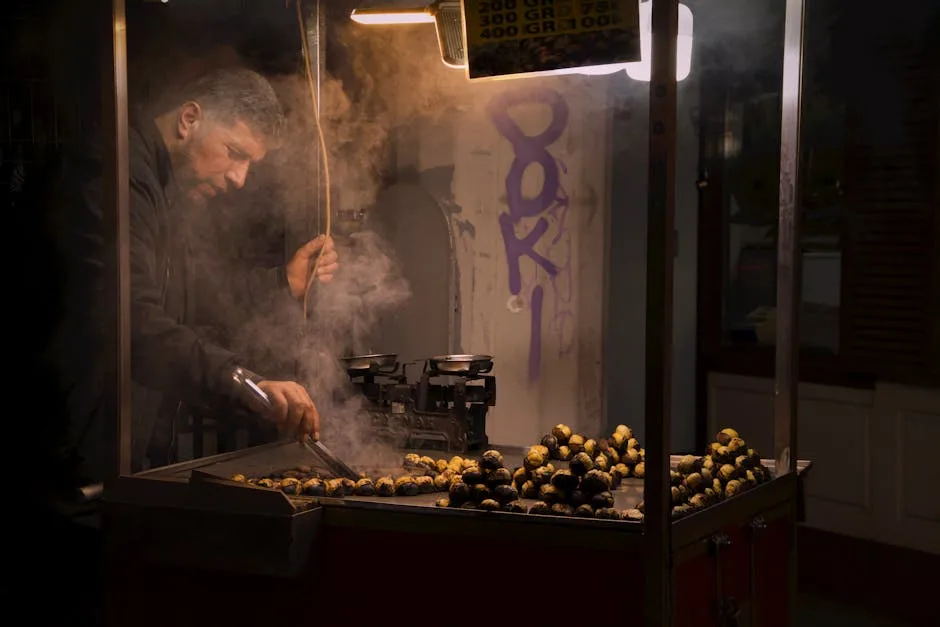
At the center of this experience is the Mercato di Testaccio, the neighborhood market on Piazza Testaccio where locals do their daily shopping and visitors can sample seasonal produce, cheeses, cured meats and local specialties. A short way off, the Piramide Cestia and the Monte Testaccio — the huge mound made of ancient amphorae — tell the millennia-old story of Roman trade. But more than history, it’s the sensory side that hits you: smells of fried foods and simmering sauces, the bustle of vendors, the colors of tomatoes, artichokes and herbs — everything comes together to make the gastronomic discovery vivid and memorable.
Testaccio is also the birthplace of essential Roman dishes: carbonara, amatriciana, coda alla vaccinara, filetti di baccalà and supplì are enjoyed here in their most authentic versions. Family-run trattorie like Da Felice a Testaccio or culinary institutions such as Flavio al Velavevodetto keep recipes alive across generations. The neighborhood also has contemporary options — small wine bars, food trucks, and street-food corners — that creatively reinterpret the classics.
This comprehensive guide takes you into the heart of Testaccio: where to stroll, which market stalls to favor, which dishes to try and where, exact addresses, opening hours, price ranges, practical tips to avoid tourist traps and tricks to immerse yourself like a local. Whether you’re into traditional food, food photography or simply curious, you’ll find detailed, immersive information to plan a perfect day in Testaccio. Get ready to smell, taste and understand the Rome simmering behind the quiet façades, where flavors tell the city’s story.

Mercato di Testaccio: description, address, opening hours and how it works
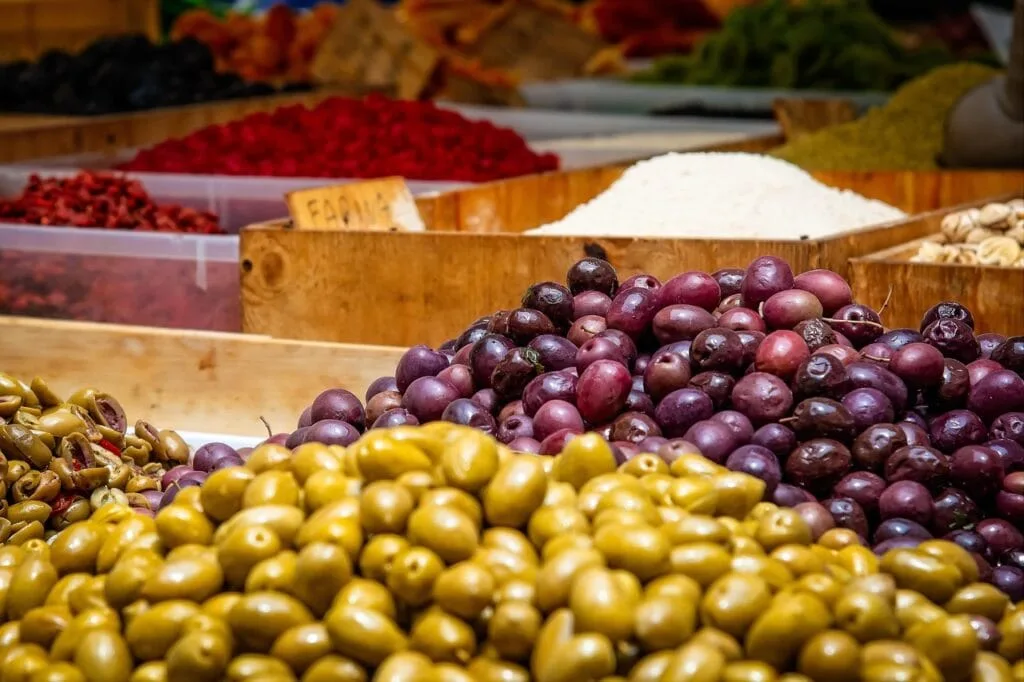
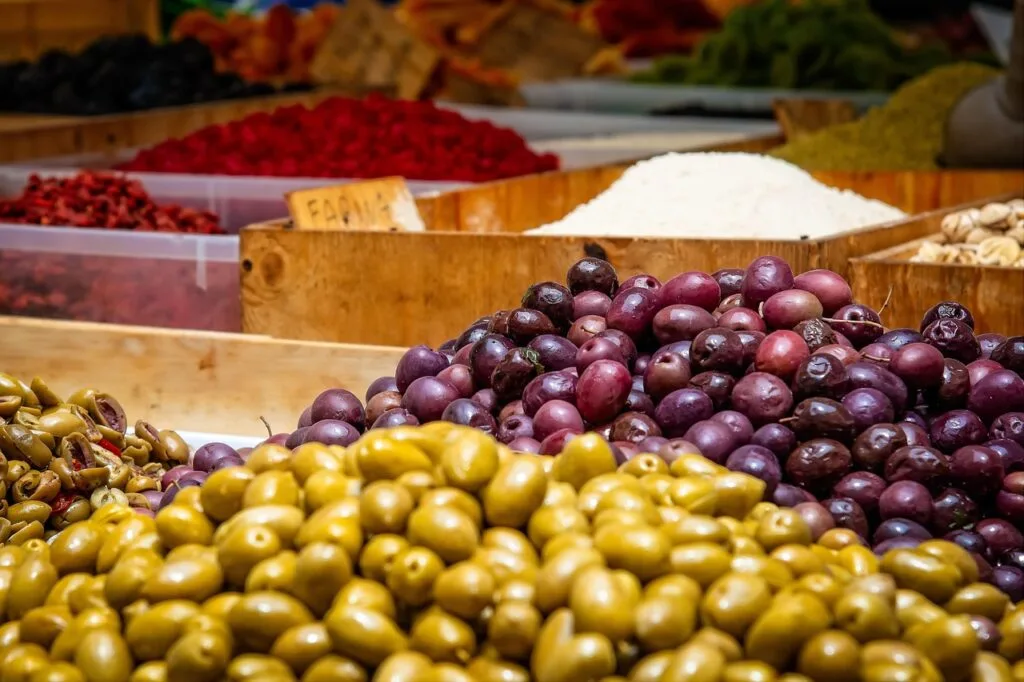
The beating heart of Testaccio is without doubt the Mercato di Testaccio, also called Mercato Rionale Testaccio. Exact address: Piazza Testaccio, 00153 Roma RM, Italy. It’s a traditional open-air market with food stalls run by local traders — butchers, fishmongers, cheesemongers, greengrocers and fresh-pasta sellers — offering everyday produce and local specialties. The market is well frequented by Romans and offers an authentic atmosphere, far from overly touristy areas.
Opening hours: the market usually runs Monday to Saturday, from 7:00 to 14:00. Some vendors open early (around 6:30) for early customers, while stalls often close at 14:00 after the lunch break. On Sundays the rionale market is closed, but the area stays lively thanks to nearby bars and restaurants.
Indicative prices: costs vary by product. Expect about €2.50–€4.00 for a supplì at a street-food stall, €1.50–€3.50/kg for local tomatoes depending on the season, €12–€18/kg for pecorino or aged pecorino romano, and €8–€25/kg for a selection of fish depending on freshness. Greengrocers often have attractive seasonal deals, and it’s common to haggle a small discount if buying in quantity.
Practical tips: arrive before 11:00 to find the best produce and avoid crowds. Bring a small bag or reusable basket: disposable bags may not be provided by all vendors. Don’t be shy about asking questions: sellers love talking about their products and offering samples. Finally, respect stall rotation and avoid touching delicate items without asking — market staff appreciate good manners.

Stalls not to miss
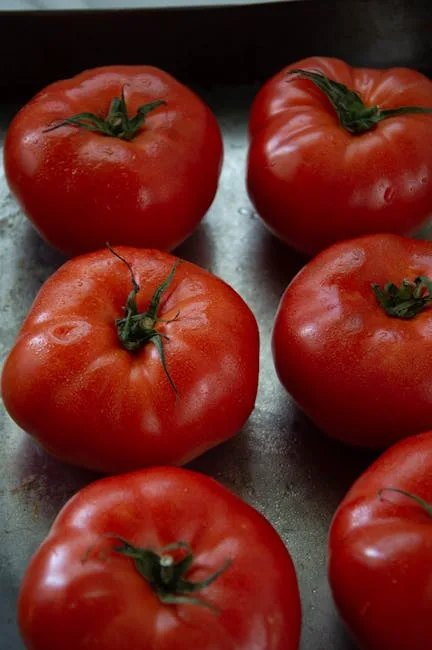
- Fruit and vegetable counters: Roman artichokes, San Marzano tomatoes, cicoria (chicory) depending on the season.
- Local butcher: pork and lamb specialties for traditional Roman recipes.
- Cheese shop: pecorino romano, fresh ricotta and flavored variations.
- Fishmonger: sea fish and products from the Tyrrhenian coast, often displayed on ice.
- Street-food stall: supplì, crocchette, pani con porchetta depending on the day.
Traditional Testaccio dishes: where to taste them and prices
Testaccio is a living lab of Roman cuisine. Several emblematic dishes have a special history in this neighborhood: coda alla vaccinara, trippa alla romana, gricia, carbonara, and supplì al telefono. Here’s a selection of must-try dishes, with exact addresses to enjoy them.
1) Coda alla vaccinara — a slow-braised oxtail stew with tomatoes, celery and a hint of cocoa: for an authentic braised-meat dish, head to Flavio al Velavevodetto, address: Via di Monte Testaccio, 97, 00153 Roma RM. Hours: Tuesday–Sunday 12:30–15:00, 19:30–23:00 (closed Monday). Price: main course around €16–€22 depending on the starter.
2) Trippa alla romana — tripe in tomato sauce with mint and pecorino: try it at Da Felice a Testaccio, address: Via Mastro Giorgio, 29, 00153 Roma RM. Opening hours: daily 12:30–15:00, 19:30–23:00 (check public holidays). Price: main course between €14–€18.
3) Supplì — fried rice balls stuffed with tomato sauce and mozzarella: you’ll find them at the market and in several stalls; prices range from €2.00 to €4.00 depending on size and filling. A great spot for an artisanal supplì is the central market stall or street-food addresses nearby.
4) Carbonara and Gricia — Rome’s iconic pastas: for an authentic carbonara (egg, pecorino, guanciale), expect to pay €10–€16 in a local trattoria. The same range applies to gricia (pecorino and guanciale without tomato). Many neighborhood trattorie serve them, but Da Felice a Testaccio and Flavio al Velavevodetto remain go‑to spots.
Tips on portions: Roman dishes tend to be generous. If you want to try several items, order a shareable main or combine antipasti with a main instead of multiple starters. For drinks, a bottle of local wine (Montefalco, Frascati, or a Lazio red) in a trattoria usually costs between €12 and €30.

Restaurants and landmark addresses in Testaccio
Testaccio hosts several culinary institutions. Here’s a detailed selection with addresses, opening times and price ranges — useful for planning meals by budget and the experience you want.
1) Da Felice a Testaccio — Via Mastro Giorgio, 29, 00153 Roma RM. This renowned family trattoria is famous for traditional Roman recipes, notably gricia and tripe. Typical hours: Tuesday–Sunday 12:30–15:00, 19:30–23:00 (closed Monday). Prices: mains between €12 and €20, menus or shared portions available. Tip: arrive early or book (phone recommended), the dining room fills up at night.
2) Flavio al Velavevodetto — Via di Monte Testaccio, 97, 00153 Roma RM. Located at the foot of Monte Testaccio, this place is known for its focus on local produce and perfectly cooked pasta. Hours: Tuesday–Sunday 12:30–15:00, 19:30–23:00. Prices: pasta dishes around €12–€18, meat dishes €16–€26. Reservations recommended, especially on weekends.
3) Ristorante Checchino dal 1887 (formerly “Checchino dal 1887”) — address: Via di Monte Testaccio, 30, 00153 Roma RM. A historic institution known for its menu of Roman specialties. Hours: variable, often 12:30–15:00 and 19:00–23:00. Prices: starter and main between €10–€25. Tip: ask for à la carte dishes or follow the daily suggestions.
4) Mercato Centrale or modern alternatives: although Rome’s Mercato Centrale is located elsewhere, Testaccio offers several food corners and modern concepts serving contemporary takes on Roman classics for about €6–€12 per portion. These spots are perfect if you want to sample several small plates without sitting for a full meal.
Budget tip: for a typical lunch, expect €10–€18 per person in a local trattoria. For a seated dinner in an institution, budget €25–€45 including wine and dessert. Always ask if service is included (servizio incluso): if not, a modest tip (5–10%) is appreciated but not mandatory like in some other countries.
Monte Testaccio, history and its culinary links
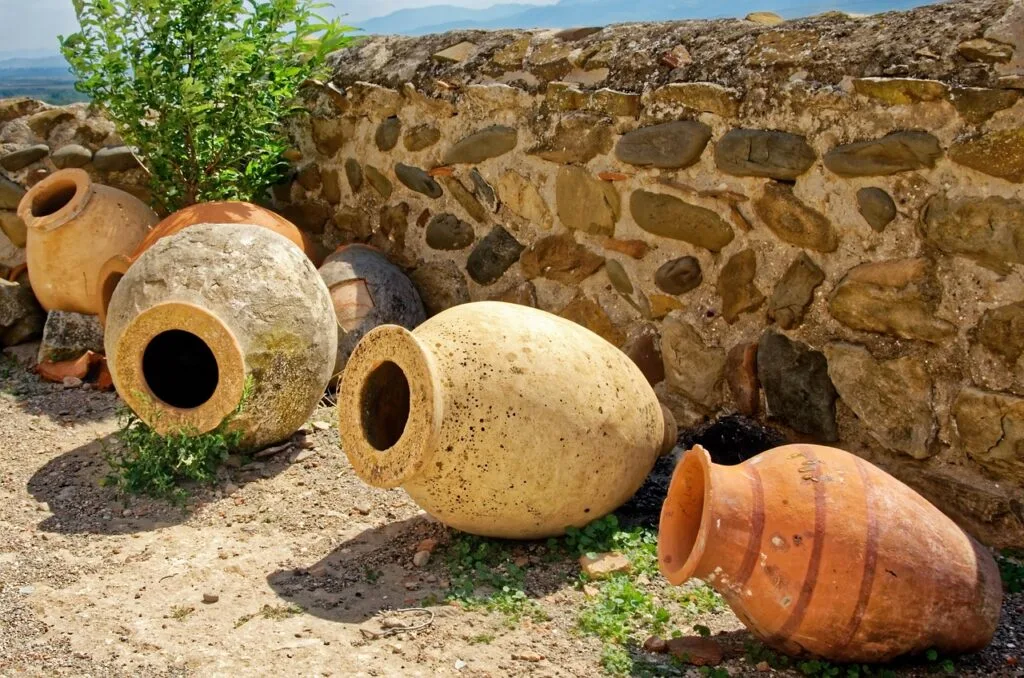
The Monte Testaccio is an archaeological curiosity — an artificial mound made of roughly 53 million broken Roman amphorae, built over centuries as a deposit for shattered vessels. Location to spot the mound: it sits near Piazza Testaccio, within walking distance of the market. The site isn’t a conventional museum but an urban space dense with history, surrounded by modern installations, offering a unique view of ancient olive oil and wine trade between the Mediterranean and Rome.
Why food lovers care: Monte Testaccio is a reminder that Rome’s supply chains have always been central to the city’s food life. The broken amphorae attest to the massive volumes of imported olive oil — a staple of ancient Roman cooking and still essential today. Walking around the base of the mound helps explain how foodstuffs shaped the gastronomic landscape: large‑scale supply, specialized trades and the growth of markets like Testaccio.
Activities and visits: stroll around the mound to photograph its distinctive profile, especially beautiful in low morning or evening light. Nearby is the Non-Catholic Cemetery for Foreigners and the Piramide di Caio Cestio, two sights often combined with a food tour of the neighborhood. For a half‑day route, start at the market, head up to Monte Testaccio, then finish with lunch in a classic trattoria.
Access and practical tips: Monte Testaccio is about a 5‑minute walk from Piramide (Metro B). Wear comfortable shoes for the climb and the sometimes uneven surroundings. Bring water, especially in summer — shade is limited — and use public benches for a contemplative break. The spot is ideal for urban landscape photos and for understanding the close link between urban history and food.
Practical tips and routes: how to make the most of a day in Testaccio
Planning a day in Testaccio takes a bit of organisation to balance the market, tastings and historical visits. Here’s a sample itinerary and practical tips to help you make the most of your time.
Recommended itinerary (half-day or full day):
- 8:00–10:00: Start at the Mercato di Testaccio for breakfast and to browse the stalls. Try a hot supplì and an espresso at a nearby bar. Address: Piazza Testaccio, 00153 Roma RM.
- 10:00–11:00: Walk up to Monte Testaccio and view the amphora mound. Take photos in the morning/late morning.
- 11:00–12:30: Head down to the Piramide di Caio Cestio and stroll the neighbourhood streets to spot shops and specialty delis.
- 12:30–14:30: Lunch in a traditional trattoria (Da Felice or Flavio al Velavevodetto) to try carbonara, coda or tripe.
- Afternoon: explore local food shops, salumerias, wine cellars and, if you wish, a Lazio wine tasting in an enoteca.
Transport and access: the nearest station is Piramide (Metro B) — exit toward Piazza Alessandro Guidoni — or bus lines 3, 75, 170 depending on where you come from. If you arrive by taxi, ask for Piazza Testaccio as your drop-off. Testaccio is pleasant to explore on foot; be ready for some uphill stretches and cobbles.
Safety and local etiquette: Testaccio is generally safe, even at night, but keep an eye on your belongings as you would in any big city. For meals, booking is often recommended at popular restaurants. Speak slowly in Italian if possible: a simple « Buongiorno » or « Grazie » eases interactions. Finally, respect opening hours: the market closes early and many stalls don’t reopen in the afternoon.
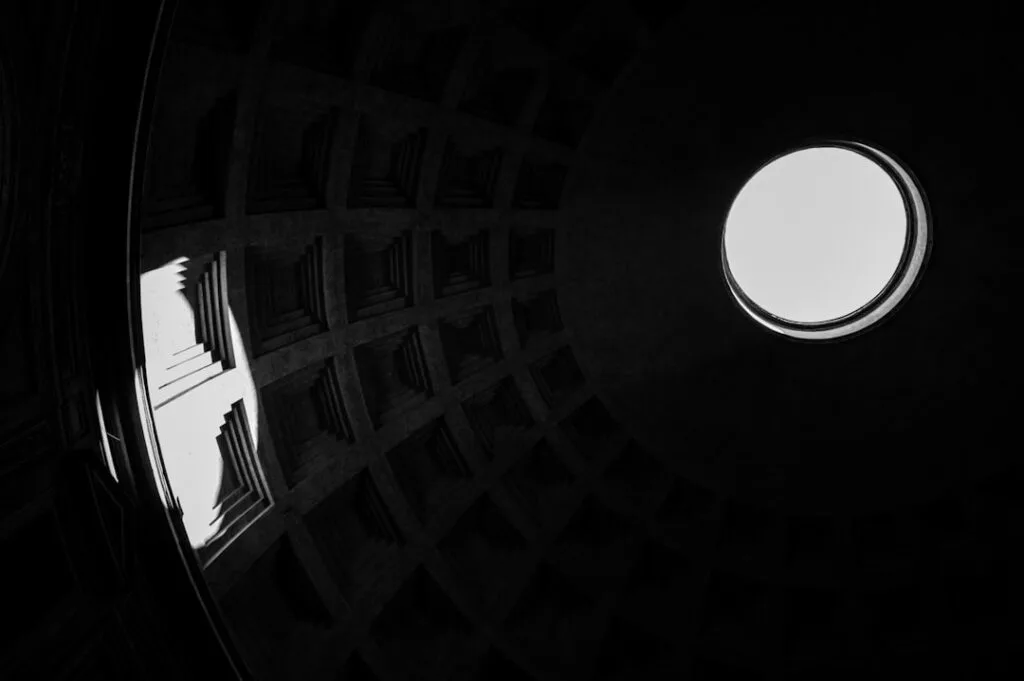
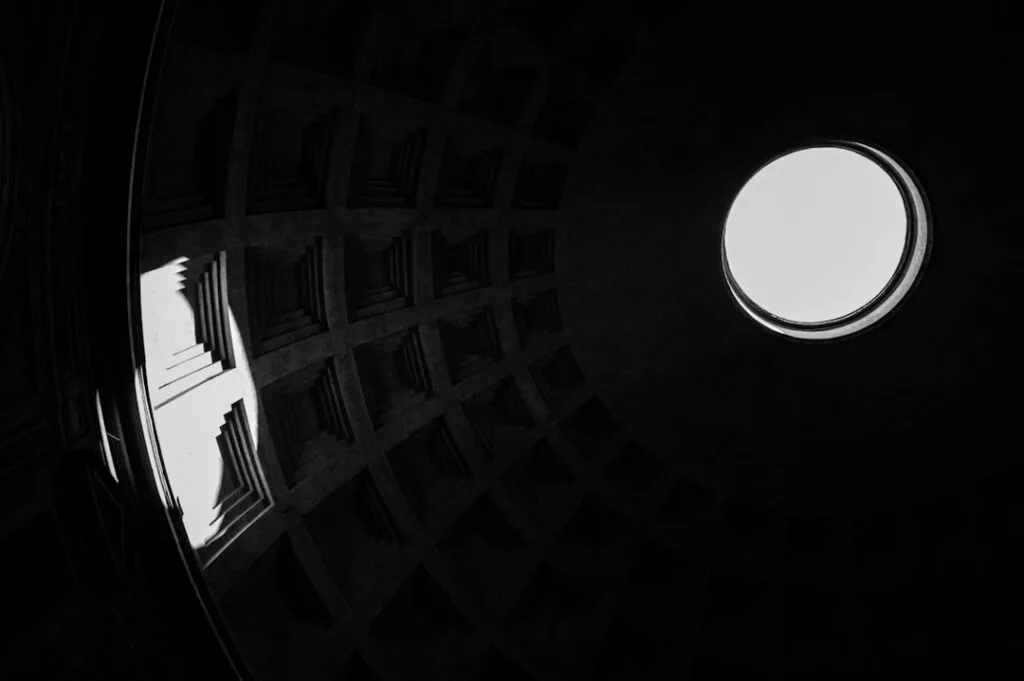
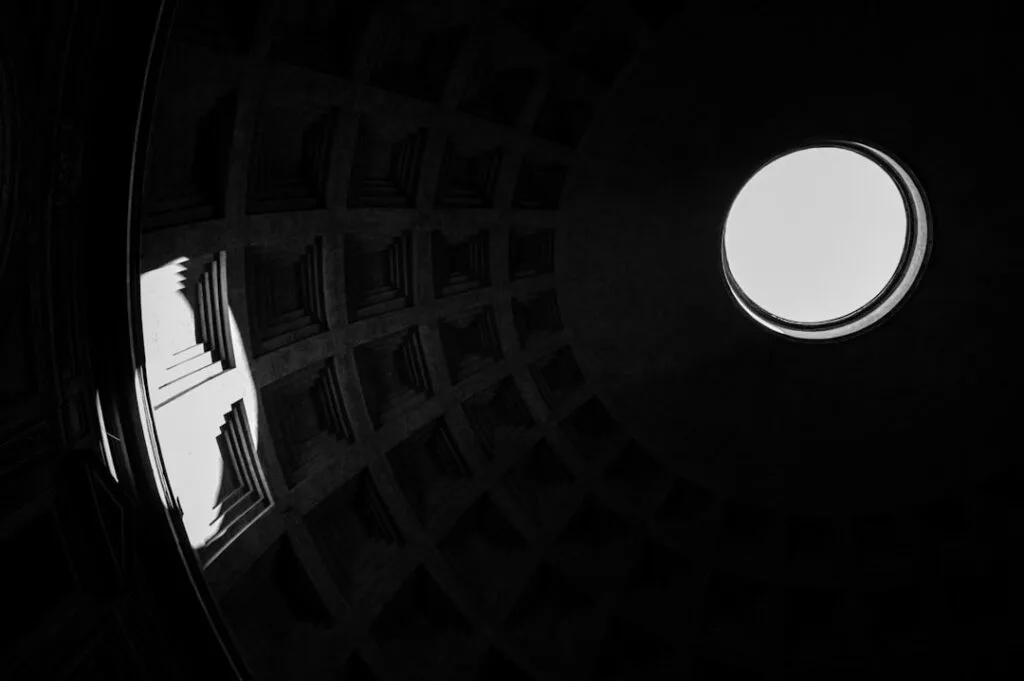
 Click here to enjoy a wine tasting after visiting the Pantheon
Tips to save money and for food lovers
- Favor lunch for typical dishes at more reasonable prices than dinner.
- Share plates with others to taste more specialties without overdoing it.
- Buy fresh products at the market for an impromptu picnic (cheese, salami, bread, olive oil) — approximate budget €10–€20 for two people.
- Always ask for pasta cooked « al dente » — a key element of Roman cuisine.

Alternative experiences: workshops, cooking classes and night markets
For travellers wanting a more active immersion, Testaccio offers several options beyond simple tastings. Taking a culinary workshop or cooking class lets you bring home practical skills, while small local events and night markets create a festive, modern atmosphere.
Cooking classes: several schools and local chefs run workshops focused on Roman classics — carbonara, amatriciana, supplì and desserts like tiramisù. Some classes include a market visit to select ingredients and explanations of local products. Indicative prices: €60–€120 per person for a 3–4 hour workshop, including tasting and printed recipes. Book ahead, especially in high season.
Gastronomic guided tours: local guides offer market tours with tasting stops at several points (cheese shop, butcher, supplì stand) and a lunch. Duration: 2–4 hours. Price: €45–€90 per person depending on inclusions. These tours are particularly useful to understand Rome’s food history and discover producers hard to find alone.
Events and night markets: Testaccio sometimes hosts pop-up markets or food evenings (especially in summer) where food trucks and local producers gather. Information varies by season; check local noticeboards or Rome’s official cultural event pages for precise dates and locations. Entry is often free, consumption paid at stalls (from €3 for a small portion to €15–€20 for a full dish).
Booking advice: if you aim for a workshop or a private tour, check that participant numbers are limited to ensure a hands-on experience. Also ask if recipes can be adapted to diets (vegetarian, gluten-free) — many local chefs will personalise sessions if warned in advance.

Conclusion
Testaccio is much more than a neighbourhood: it’s a living dive into Roman culinary tradition. Between the rione market of Piazza Testaccio, the family-run trattorie handed down through generations, the archaeological mystery of Monte Testaccio and the multitude of small spots where they make crispy supplì or a perfect carbonara, visitors discover a hardworking, generous and unpretentious Rome. Addresses like Da Felice a Testaccio (Via Mastro Giorgio, 29) and Flavio al Velavevodetto (Via di Monte Testaccio, 97) illustrate this close link between local history and today’s cuisine.
Planning a visit requires a few simple rules: prefer early hours for the market (usually open Monday to Saturday, 7:00–14:00), book popular restaurants, and combine a historical stroll with tastings to understand the origin of the dishes. Prices remain reasonable for often excellent quality: a supplì from €2–€4, a main course in a trattoria between €12 and €22, and culinary experiences like cooking classes between €60 and €120 depending on duration and inclusions.
Finally, Testaccio is experienced with the senses: smelling the sauce simmer, touching the market vegetables, listening to shopkeepers chat about their day, tasting recipes unchanged for decades. It’s this authenticity that draws both Romans and international visitors. Whether you’re a food lover, photographer, amateur historian or simply someone with a sweet tooth, Testaccio offers a full sensory journey. Take with you the taste memory of coda alla vaccinara, the texture of a still-warm supplì and the image of a bustling market — souvenirs that will extend your stay in Rome long after you leave.