





Introduction
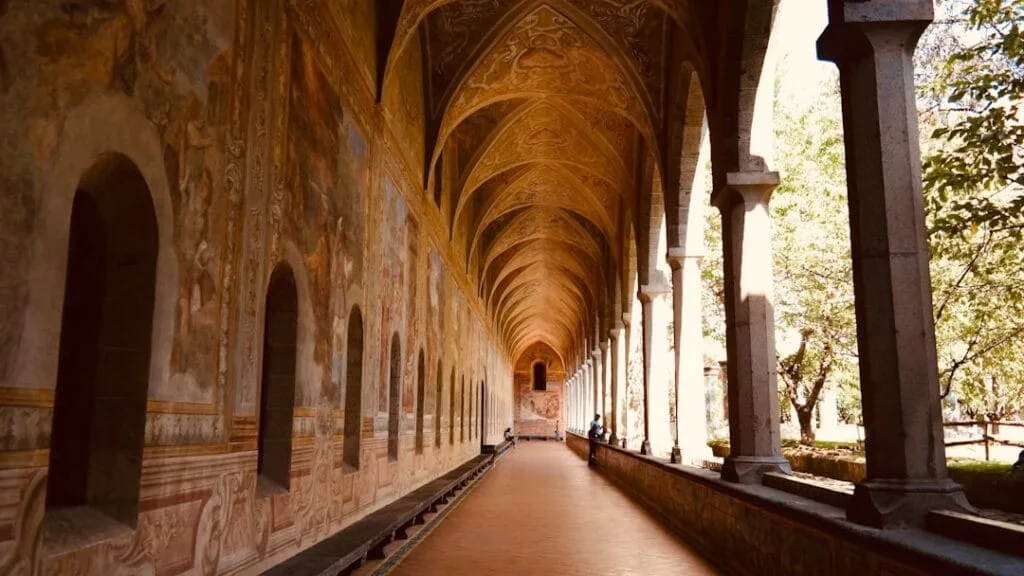
Rome isn’t just the pope’s capital or an open-air museum of antiquity: it’s also a city of silent cloisters, austere cells and monastic churches where spiritual and artistic history blends with the daily lives of still-active religious communities. Rome’s monasteries offer a very different religious-tourism experience: you’ll hear the rhythm of the offices, uncover hidden frescoes, stroll intimate gardens and visit ancient libraries, gaining a clearer sense of how monastic life shaped the city over centuries.
This article highlights five Roman monasteries that welcome visitors, chosen for their accessibility, historical and artistic interest, and the quality of the visitor experience. Each entry includes the full name of the site, the exact address, prices in euros, opening hours and a detailed description to help you plan your visit (how to get there, what not to miss, and some practical tips).
Visiting a monastery in Rome isn’t just another box to tick on a long itinerary: it’s stepping into a different tempo — a few minutes in a cloister can replace hours in a crowded piazza. Keep in mind that most of these communities still live according to a liturgical rhythm: respect, discretion and sometimes advance booking are required. The information here is updated to the best of our knowledge, but it’s wise to double-check opening times and prices before you go, since some guided visits may be limited or changed for liturgical or health reasons.
 Click here to book a guided tour of St. Peter’s Basilica
Monastery and Church of San Gregorio al Celio
Address, prices and opening hours
- Full name: Monastero e Chiesa di San Gregorio al Celio
- Address: Via di San Gregorio, 30, 00184 Roma RM, Italy
- Price: Church entry: free; guided tour of the monastery and cloister: €8 per person (indicative rate, payable on site)
- Hours: Church: daily 9:00–12:30 and 15:30–18:00; monastery guided tours: generally available Tuesday to Saturday at 10:30 and 15:00 (by reservation)
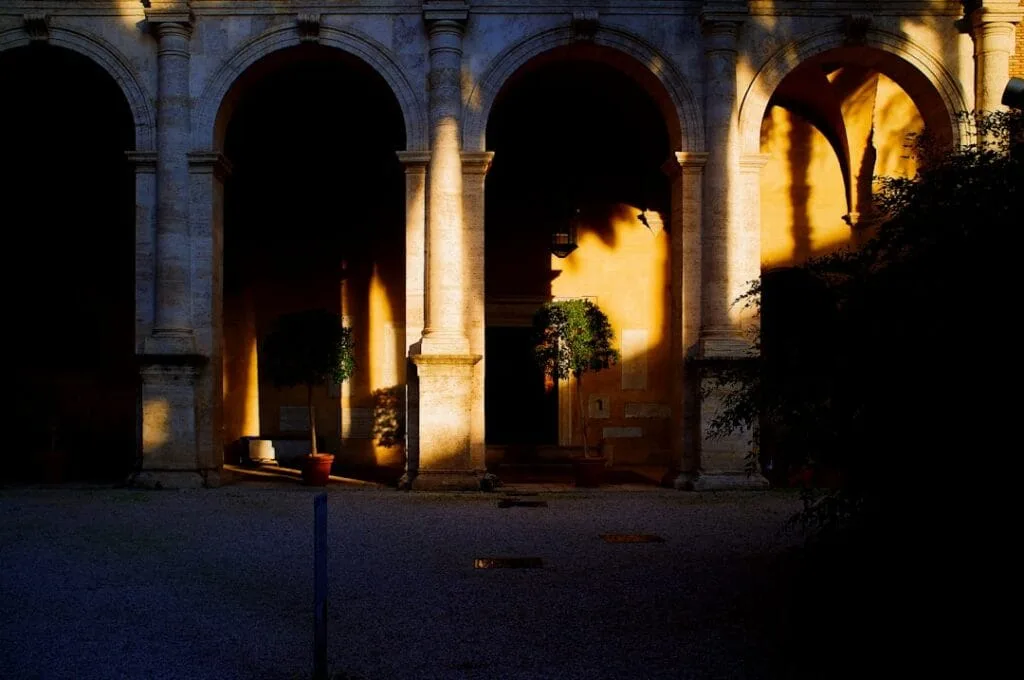
Perched on the flank of the Caelian Hill, a short stroll from the Colosseum and Parco del Celio, the monastery of San Gregorio al Celio is a hidden gem. Founded in the 7th century on what was reputed to be the house of Pope Gregory the Great, the site combines medieval structures with Baroque refittings — notably linked to Santi Giovanni e Paolo and the Baroque Caffarelli family’s renovations. The parish church preserves painted chapels and altarpieces, while the still-occupied monastery offers a peaceful cloister and gardens overlooking the ancient center.
The guided tour grants access to spaces usually closed to the public: Gregory’s reconstructed cell, the monastery library with manuscripts, and a series of hidden frescoes and mosaics. The austerity of monastic life contrasts with the richness of artistic detail: stuccoes, paintings and ex-votos tell several centuries of devotion.
Practical tip: combine this visit with a walk along Via di San Gregorio and a break in the monastery garden if the schedule allows. Its proximity to the Colosseum makes it easy to add to a historic center itinerary.
Click here to book a guided tour of the Colosseum and Ancient Rome
St. Paul Outside the Walls Abbey (Basilica and Cloister)
Address, prices and opening hours
- Full name: Basilica Papale di San Paolo fuori le Mura (Abbazia e Chiostro)
- Address: Piazzale San Paolo, 1, 00146 Roma RM, Italy
- Price: Basilica entry: free; Museum/Cloister: €6 for the cloister and museum visit (standard rate)
- Hours: Basilica: daily 7:00–18:30; Museum and cloister: 9:00–17:30 (closing times vary by season)
The Papal Basilica of St. Paul Outside the Walls is one of Rome’s four papal basilicas and is home to a Benedictine monastery whose cloister is famous for its arcades and ancient columns. The complex bears witness to a long monastic continuity tied to the devotion to Saint Paul: inside, the atmosphere is more solemn and less overwhelmed by the tourist flows typical of the city center.
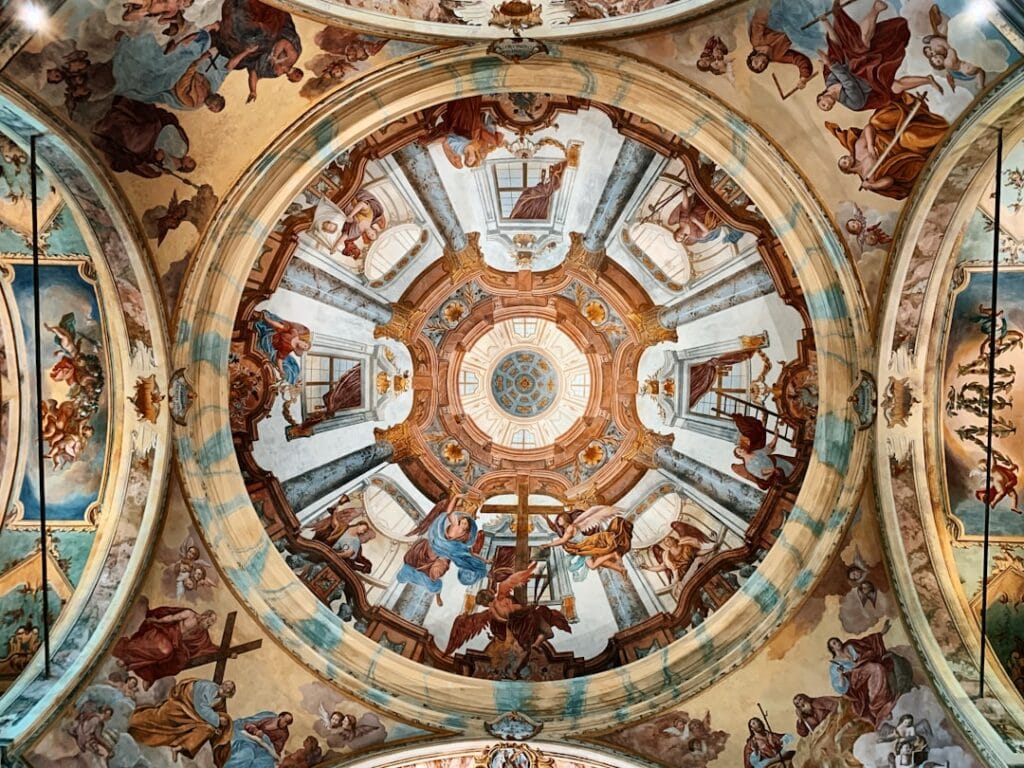
The cloister, built between the 12th and 13th centuries, is notable for its carved capitals, narrative reliefs and arrangements of colored marble columns. A guided tour of the museum and cloister reveals paleochristian sarcophagi, reused fragments of ancient architecture and rare liturgical objects.
For travelers interested in archaeology and Romanesque architecture, San Paolo fuori le Mura offers a valuable contrast to busier basilicas. The site also preserves monumental apse mosaics and inscriptions that tell the story of pilgrimage.
Tips: allow at least an hour for the basilica, cloister and museum. Motorcyclists and cyclists should respect the pedestrian zones around the piazzale; English guided tours are often available in high season.
Click here to discover the papal basilicas and their treasures
Monastery and Museum of Santa Cecilia in Trastevere
Address, prices and opening hours
- Full name: Basilica di Santa Cecilia in Trastevere e Monastero (Museo Monastico)
- Address: Piazza di Santa Cecilia, 22, 00153 Roma RM, Italy
- Price: Church entry: free; Monastic museum and cloister: €4 (self-guided) / €6 guided tour
- Hours: Church: 9:30–13:00 and 15:00–18:30; Museum/Monastery: 10:00–17:00 (closed Monday mornings for offices)
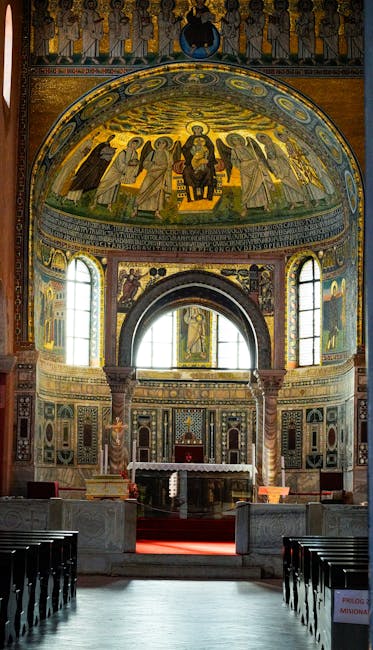
Santa Cecilia in Trastevere evokes an intimate, musical Rome: the patron saint of musicians is said to rest here, and the basilica is renowned for its high altar and Stefano Maderno’s statue of the Saint — a potent Baroque work. The adjoining monastery, now partly a museum, houses medieval mosaics, a peaceful cloister and documents related to convent life.
Visiting the monastic museum helps you understand the daily lives of the nuns and monks who lived here: liturgical objects, habits, choir books and a set of fragmentary frescoes. The cloister, small but well preserved, is a haven in the heart of lively Trastevere.
Santa Cecilia is especially pleasant in the late afternoon: after wandering the cobbled lanes, the buzz of the cafés softens and the cloister’s quiet becomes a welcome contrast. The church is accessible without a ticket, but the monastery/museum is highly recommended if you want to go beyond the façade.
Photo tip: the low-angle light in the cloister late in the day brings out the texture of the stones and the golden tones of the mosaics — but please respect the serenity of the place and avoid using a flash.
Abbey of San Sebastiano Outside the Walls and the Catacombs
Address, prices and opening hours
- Full name: Basilica e Abbazia di San Sebastiano fuori le Mura (complesso delle Catacombe di San Sebastiano)
- Address: Via Appia Antica, 136, 00179 Roma RM, Italy
- Price: Combined ticket catacombs + basilica: €8 (adult rate); reduced fares for students/children available
- Hours: Archaeological site and catacombs: 9:00–18:00 (last entry 17:00); basilica: 8:00–17:30
Located along the Appian Way, the Abbey of San Sebastiano offers a double attraction: an active monastery and access to one of Rome’s most evocative funerary complexes. Over the centuries the site has been both a place of worship and a pilgrimage destination, associated with early Christian martyrs. The small abbey and its cloister testify to a continuous monastic presence around the basilica.
The guided tour of the catacombs is informative and at times moving: funerary galleries, early Christian paintings, niches and cubicula tell how early Christian communities honored their dead. The monastery, which manages visitor reception, often provides explanations on the archaeological history of the site and the relationship between monastic life and the care of the sacred place.
For archaeology enthusiasts and walkers exploring the Appian Way, a stop at San Sebastiano is almost essential. Plan at least 1½ to 2 hours for the basilica, cloister and catacombs tour. The surrounding trails also offer a chance for a historical walk away from urban traffic.
Practical advice: wear closed shoes and bring a light jacket for the catacombs (they’re cooler and more humid), and book in high season to avoid waiting.
Click here to book a guided tour of the Catacombs of Saint Sebastian
Sant’Anselmo on the Aventine (Abbazia e Chiesa di Sant’Anselmo)
Address, prices and opening hours
- Full name: Abbazia Primaziale di Sant’Anselmo all’Aventino (Congregazione Benedettina)
- Address: Piazza dei Cavalieri di Malta, 5, 00153 Roma RM, Italy
- Price: Church entry: free; guided tours of the monastery and gardens: €6–€10 depending on the option (by reservation)
- Hours: Church: 7:30–19:00; monastery visits: usually by appointment, often available outside office times (weekday mornings)
Sant’Anselmo, perched on the tranquil Aventine Hill, is both a Benedictine center of study and an active abbey. Most of the architectural complex dates from the early 20th century, but the Benedictine tradition practiced there has roots in ancient monasticism. The church is sober and luminous, a modern example of devotion, while the monastery spaces offer insight into the liturgical and intellectual life of the monks.
Guided visits, often led by a Benedictine brother or an authorized guide, give access to the library, the gardens and sometimes the chapter house. This direct contact with a living monastic community is rare and rewarding: you’ll learn about the Rule of St. Benedict, the structure of the offices and the balance of prayer and work that defines monastic life.
The Aventine is also a great neighborhood to pair with a visit to the Giardino degli Aranci (Orange Garden) and the famous keyhole on Via dei Cavalieri di Malta. Sant’Anselmo adds a spiritual dimension to an already scenic walk.
Note: visits may be limited during major liturgical feasts or academic sessions; advance booking is strongly recommended if you want a guided tour in English or another language.
Conclusion
Rome’s monasteries provide a precious counterpoint to classic tourist routes: they invite quiet reflection, the discovery of lesser-known works of art and encounters with living traditions. From the silent cells of San Gregorio al Celio to the vast cloisters of San Paolo fuori le Mura, passing through the intimacy of Santa Cecilia and the archaeological atmosphere of San Sebastiano, each site offers its own experience, often linked by a common thread: the continuity between faith, art and communal life.
Before you go, keep these tips in mind: respect office times and silence rules, check opening hours and reservation requirements (especially for guided tours), and have backup plans in case of unexpected closures due to religious celebrations. Above all, enjoy these spaces as refuges — not just for photos, but to feel the rhythm of a city where sacred history is still readable in stone and the coolness of cloisters.
For updated practical information and the latest prices/hours, check the official websites of the basilicas or Rome’s tourist offices; many of these monasteries also offer themed visits (manuscripts, Gregorian chant, workshops) that are well worth it if your schedule allows. Happy exploring — and may your time in Rome include the slow beauty of a cloister.
Click here to book Vatican Museums and Sistine Chapel tickets