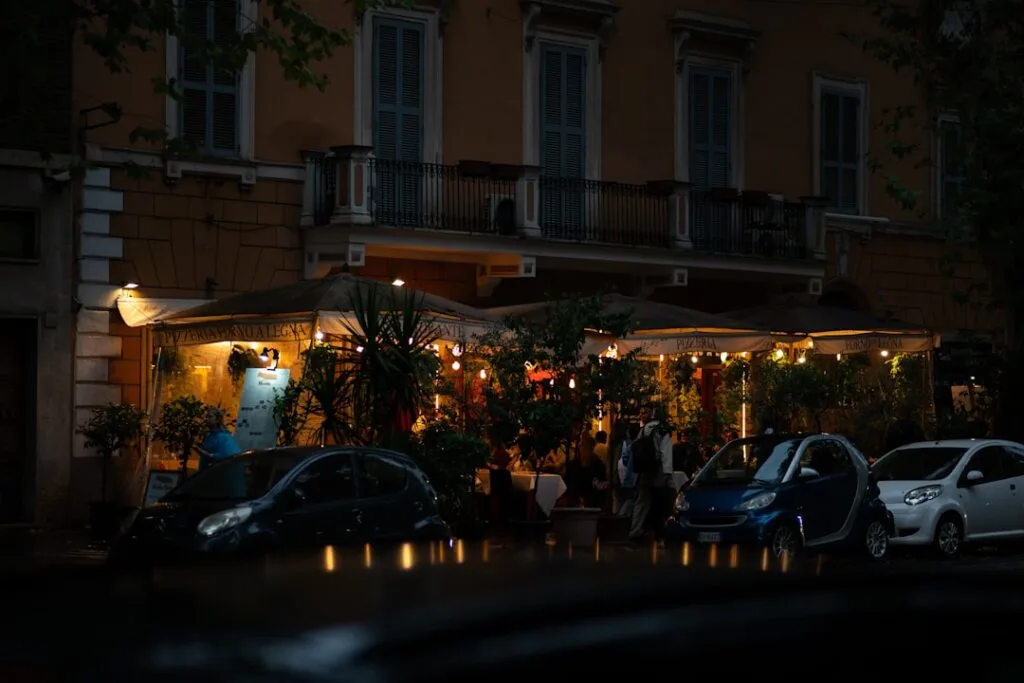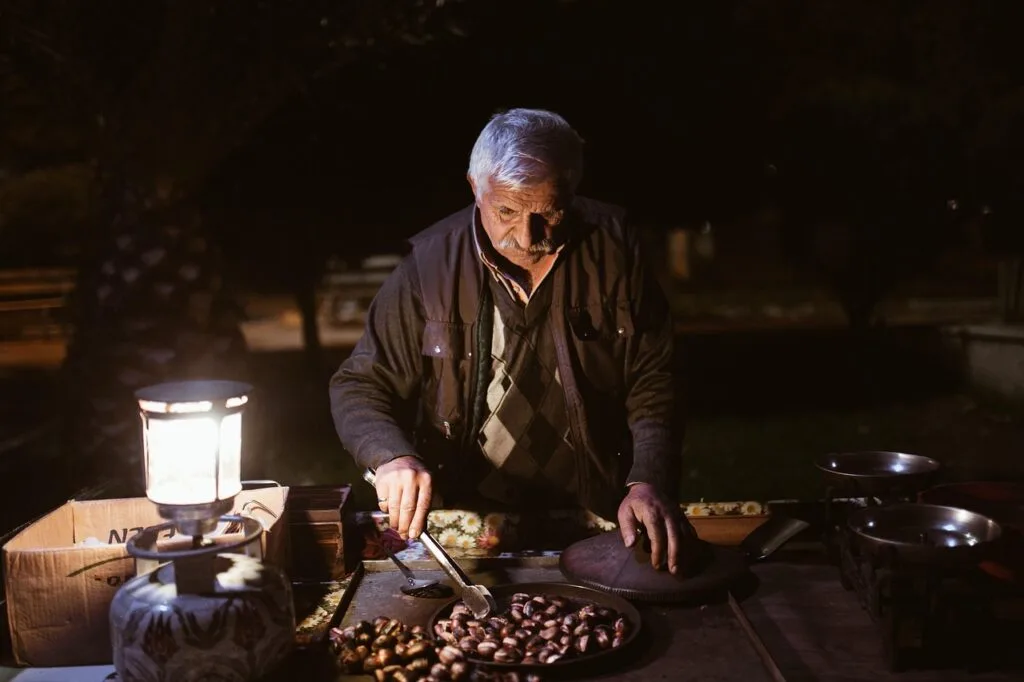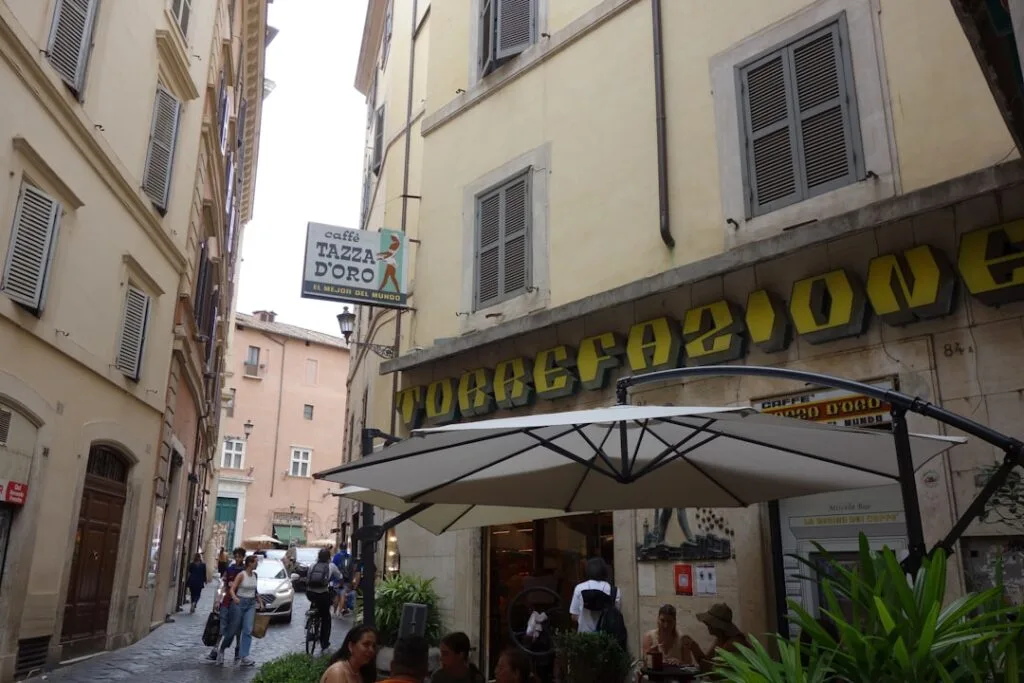






Introduction: the crispy soul of Rome — history and charm of supplì
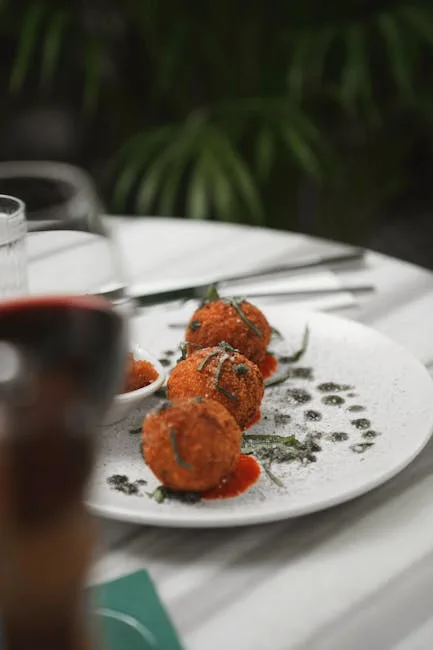
Supplì is one of those small popular pleasures that tell the story of a city. In Rome, it’s more than a snack: it’s a cultural imprint, a sensory souvenir you take home after a stroll by the Colosseum or an evening in Trastevere. This breaded, fried rice ball, traditionally filled with meat ragù and a gooey core of mozzarella — hence the nickname supplì al telefono (the mozzarella that stretches like a telephone cord) — has earned its place of honor in Rome’s streets, markets and counters.
Born from a desire to reuse rice and leftover meat, supplì evolved through the 20th century into a star of Roman street food. Recipes vary: some add saffron, others opt for modern fillings like béchamel, guanciale, or even vegetarian versions with mushrooms and cheese. Purists still hunt for the classic version. It’s eaten on the go, often between the Pantheon and Piazza Navona, or after a few drinks in the lively alleys of Testaccio and Trastevere.
For the traveler, knowing where to find a good supplì in Rome is also a way to understand the city: bustling markets, family-run shops, historic pizzerias and new street-food bars. This article guides you step by step: must-visit spots with opening hours, typical prices and local tips to fully enjoy this little crispy treasure. We’ll describe specific places (with addresses and hours) — markets where the smell of frying mixes with fresh herbs, pizzerias that serve supplì as an appetizer, and specialist stalls that elevate the recipe to an art form.
Reading this guide you’ll learn how to spot a great supplì (texture, taste, temperature), the best time to go (before a guided tour, at aperitivo time, or at the end of the day) and tricks to avoid queues or find a place to sit. You’ll also find suggested routes to combine tastings and sightseeing: a morning at Campo de’ Fiori market followed by a supplì, a break after visiting the Colosseum, or an afternoon wandering around the Vatican with a piping-hot supplì in hand.
 Click here to discover the Vatican Museums and the Sistine Chapel
This guide doesn’t just list addresses: it dives into the experience. You’ll know how much to budget in euros, what times these places are most lively, and how to order your supplì like a local. Get ready to inhale the aroma of fried rice, hear the little crunch as you bite, and savor, between two mouthfuls, the mix of history and modernity that makes Rome a culinary capital.
I. Must-see markets for authentic supplì (Campo de’ Fiori, Mercato Centrale, Testaccio)
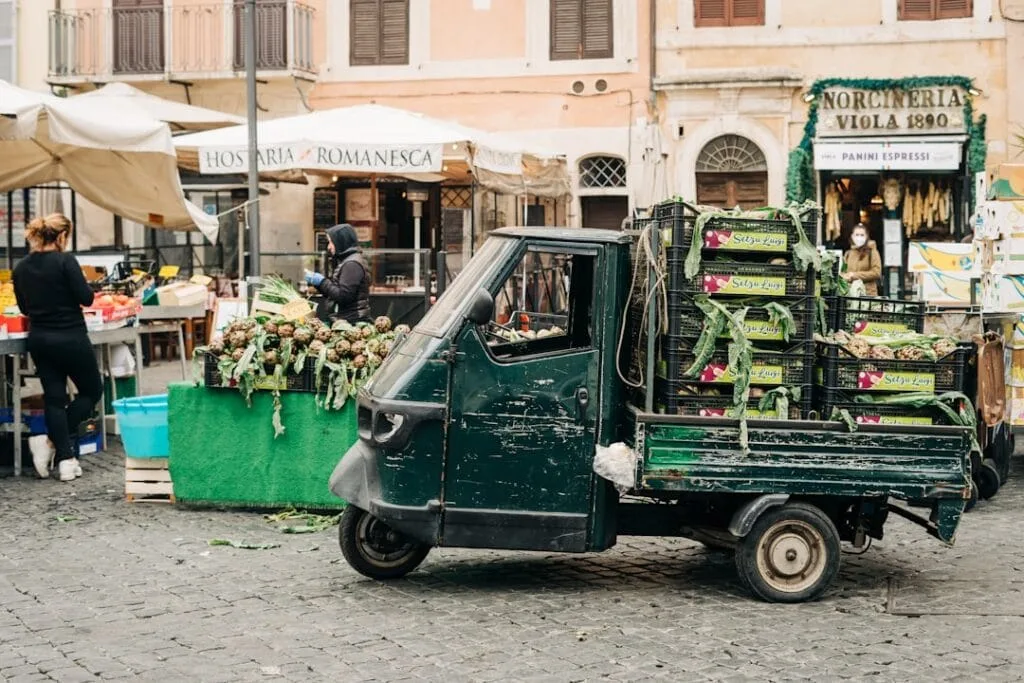
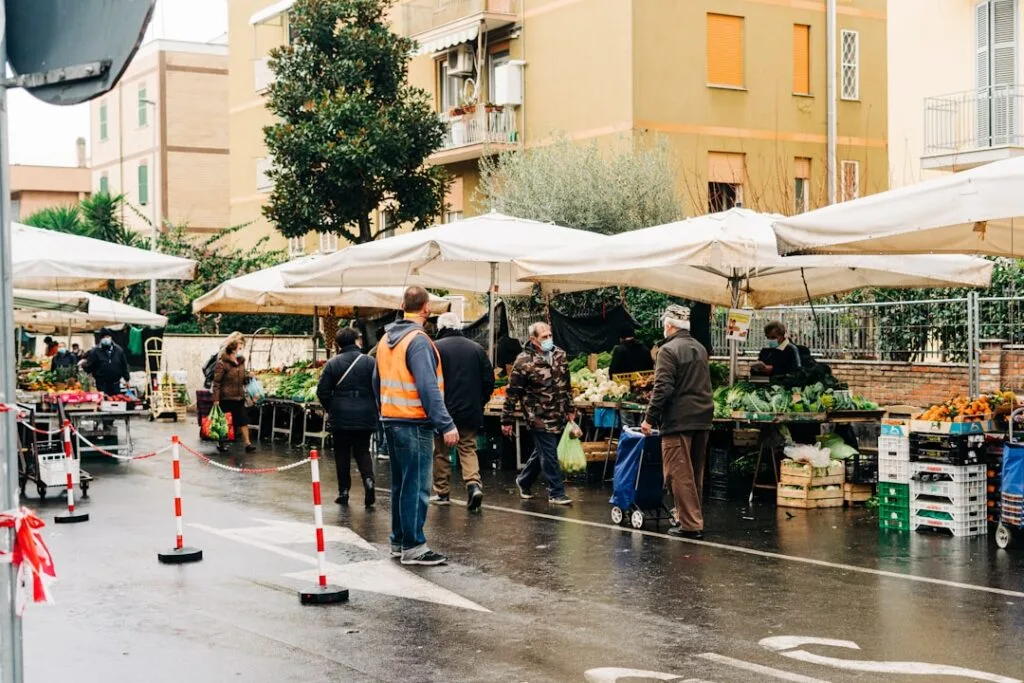
Roman markets are temples of taste where fresh produce, well-known vendors and small street-food stalls meet. This is often where you’ll find the most spontaneous and flavorful supplì: sold by families, local caterers or dedicated kiosks, they’re perfect for a quick stop between visits.
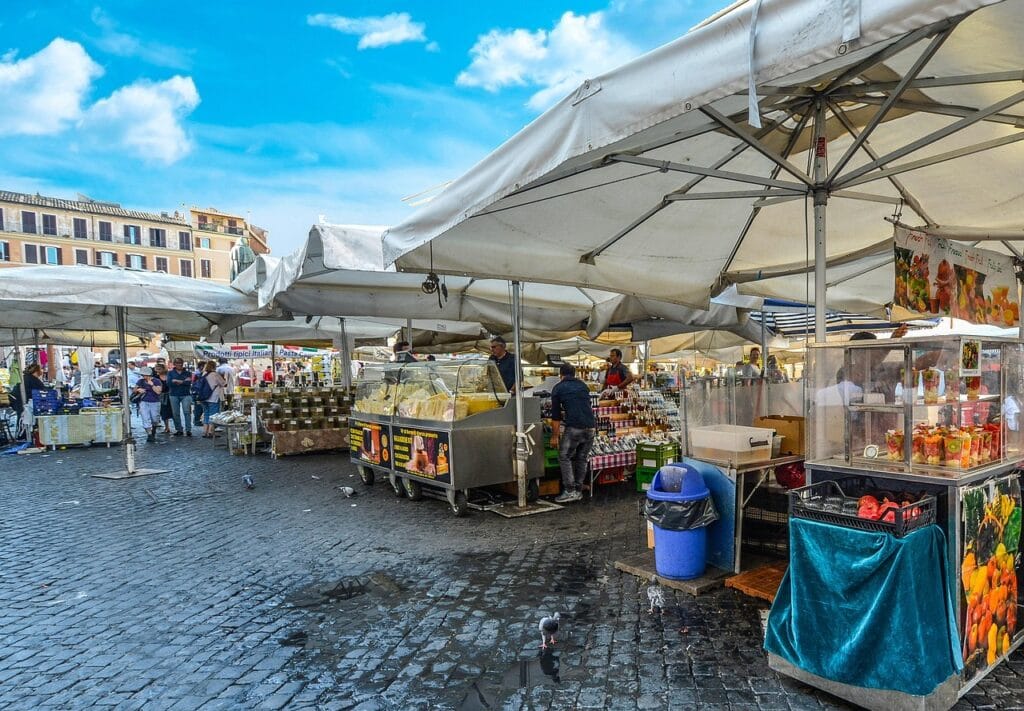
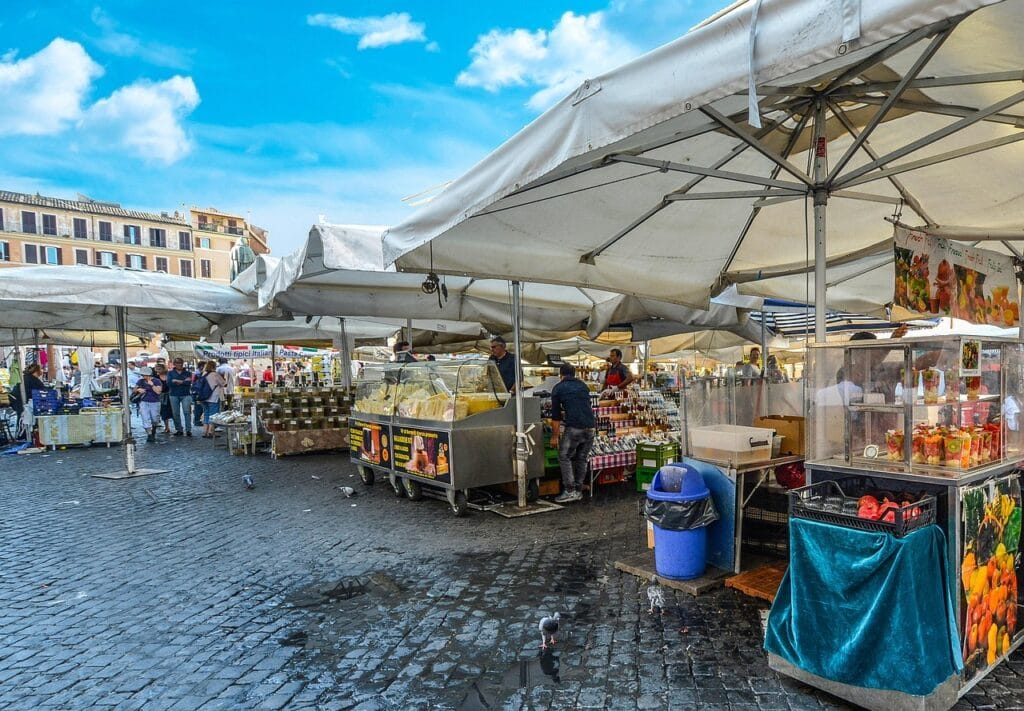
Mercato di Campo de’ Fiori (Piazza Campo de’ Fiori) is one of the city’s most famous markets: at dawn, spice, vegetable and cheese sellers set up their stands. Around the square, several stalls and small sandwich shops offer supplì to take away. Address: Piazza Campo de’ Fiori, 00186 Roma RM. Opening hours: the market runs every morning, usually from 07:00 to 13:30 (most stalls are closed on Sundays). Price: expect between €2.00 and €4.00 for a classic supplì. Tip: go at opening to avoid the crowds and get the freshest produce.
Mercato Centrale Roma, located at Termini station, is a large covered food hall dedicated to gastronomy. Address: Via Giovanni Giolitti 36, 00185 Roma RM. Hours: open daily, generally from 08:00 to 24:00 (some stalls close earlier). Here several street-food stands offer variations on supplì, sometimes reinvented (supplì with pesto, vegetarian supplì, supplì with guanciale). Price: between €2.50 and €5.00 depending on the sophistication of the filling. Practical tip: if you’re arriving by train, Mercato Centrale is ideal for a snack before sightseeing; favor the hot section to get freshly fried supplì.
Mercato Testaccio (Piazza Testaccio or Via Beniamino Franklin, depending on the area) is another popular haunt. Testaccio, a historic neighborhood of Roman cuisine, hosts stalls where recipes are passed down through generations. Approximate address: Mercato Testaccio, Via Beniamino Franklin 10, 00153 Roma RM (some vendors are spread around the piazza). Hours: daily market times vary — 08:00 to 15:00 for morning stalls; some restaurants and stands open in the evening. Price: often €2.00–€3.50.
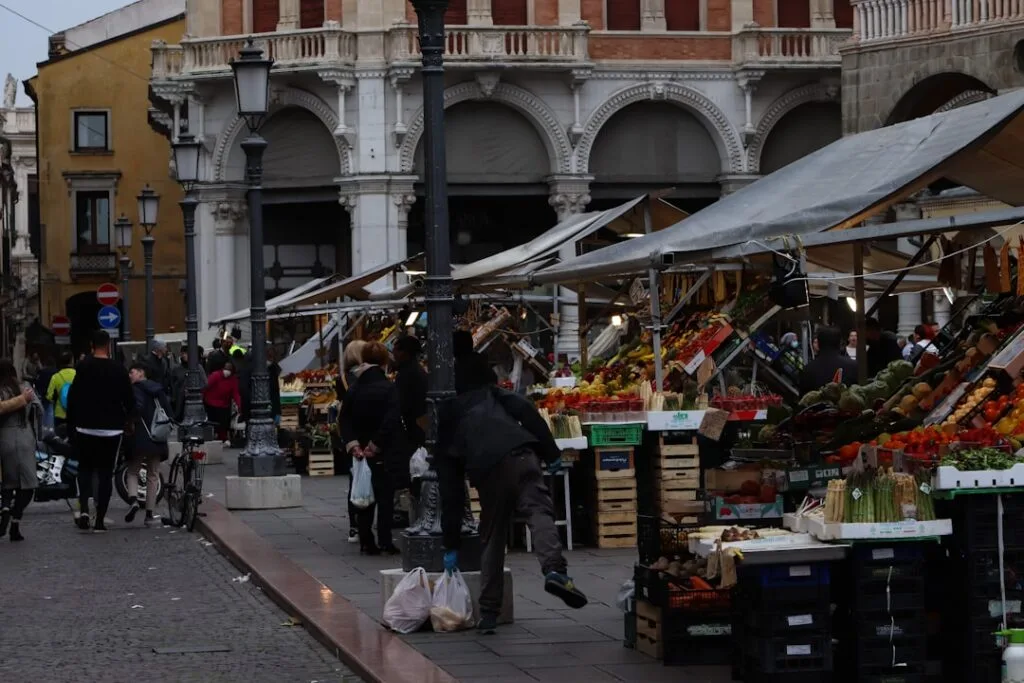
General advice for markets: bring cash (some small stalls don’t take cards), keep a dry spot to enjoy your supplì (seating is scarce), and try several variations to compare the crumb and filling balance. Ask for the supplì « caldo » (hot) to enjoy the mozzarella stretch the moment you break it.
II. Pizzerias and trattorie where supplì is an institution (Pizzeria Baffetto, Roscioli, Tonnarello)
Roman pizzerias and trattorie often compete over the quality of their antipasti, and supplì frequently plays the role of the perfect starter. These places focus on tradition: golden breadcrumb coating, creamy rice and slow-cooked ragù. A few recommended spots to try supplì served at the table or at the counter:
Pizzeria Baffetto — an iconic address in the historic center. Address: Via del Governo Vecchio 114, 00186 Roma RM. Hours: usually 19:00–02:00 (closed some days at lunchtime). Price: supplì offered as an antipasto run around €3.00–€4.00. Immersive description: the atmosphere is loud and typical; supplì often arrives before the pizza, hot and crunchy, pairing perfectly with a glass of local red wine. Tip: arrive early or book — waits can be long.
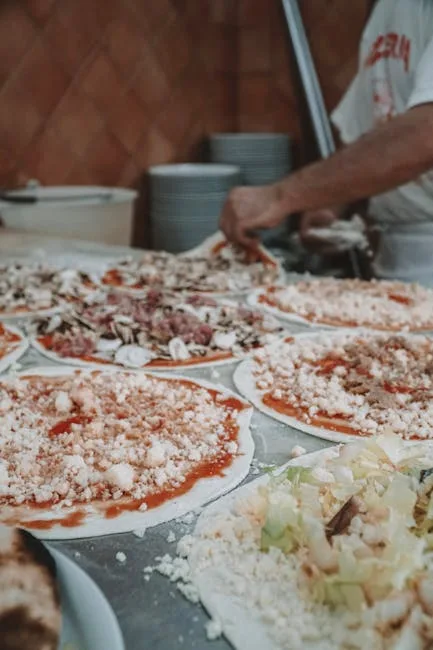
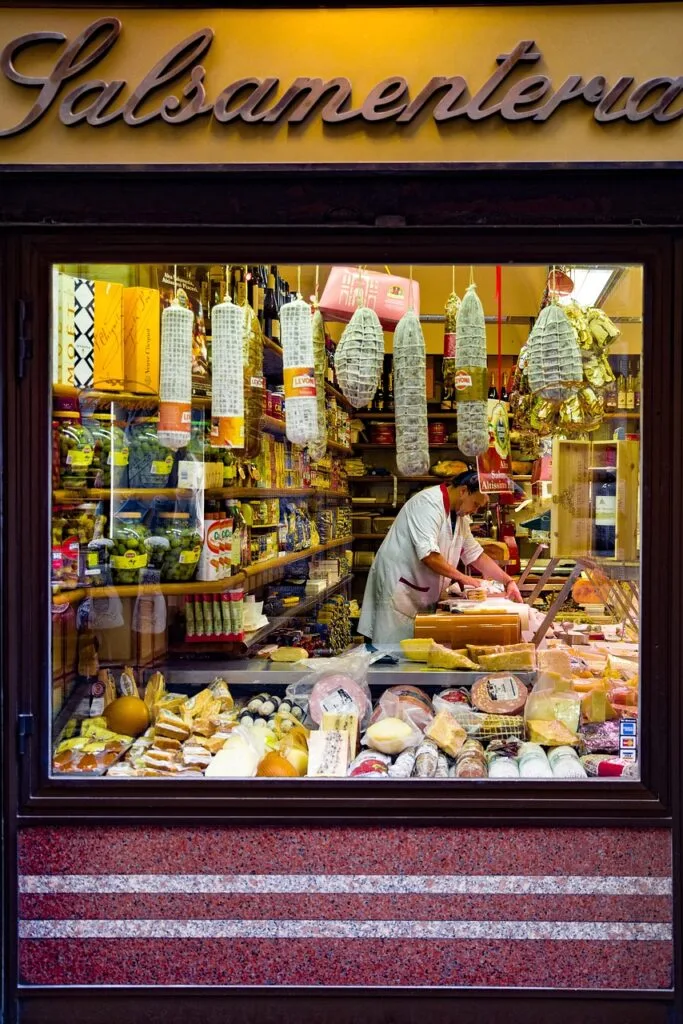
Roscioli Salumeria con Cucina — located near Campo de’ Fiori, it’s both a fine food shop and a renowned restaurant. Address: Via dei Giubbonari 21, 00186 Roma RM. Hours: usually open 08:00–22:30 (hours may vary by season). Price: supplì or small antipasti portions from €4.00. Immersive description: the interior is warm, with shelves full of Italian products; the supplì is carefully prepared, sometimes served with a house sauce, ideal for a tasty pause before visiting the nearby Pantheon.
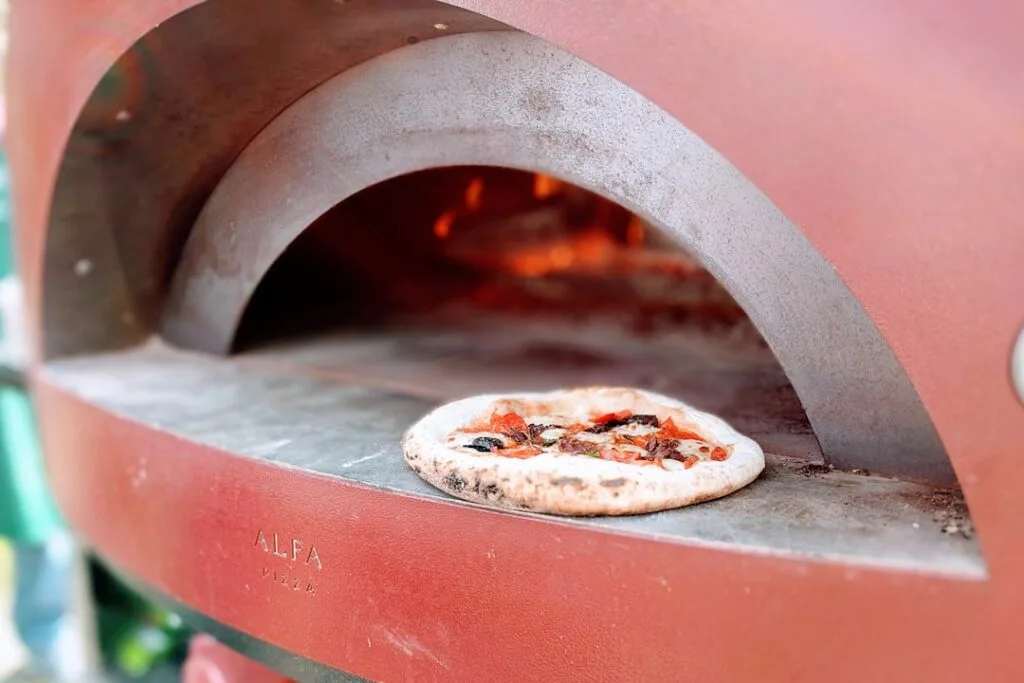
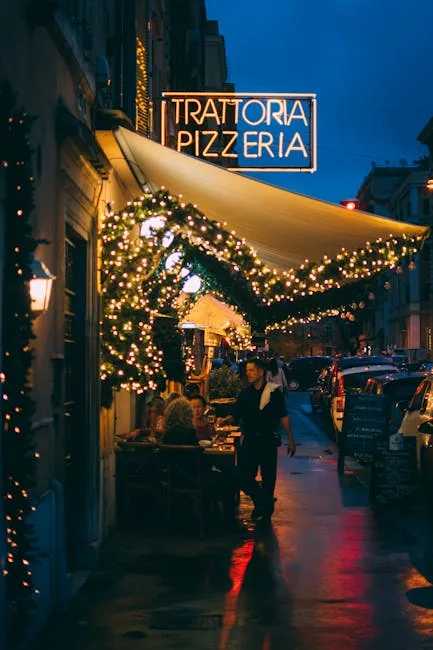
Trattoria Tonnarello — a lively trattoria in Trastevere, prized for its traditional Roman recipes. Address: Via dei Vascellari 29, 00153 Roma RM. Hours: generally 12:30–15:30 and 19:00–23:30. Price: antipasti including supplì from €3.50. Immersive description: the vibe is typically Trastevere — close-set tables, brisk service, and a sense of authenticity. The supplì, crispy outside and melting inside, is often served alongside a plate of classic pasta like cacio e pepe.
Practical tips in these places: ask for supplì « fatto al momento » (made to order) if you want it hot; avoid peak times without a reservation; and if you’re in a group, order a few supplì to share so you can taste different versions.
III. Street food bars and specialist shops: the craft of supplì (Supplì shops, Trapizzino, Forno)
In recent years, a new generation of street food spots has emerged in Rome. Some shops have made supplì their specialty, offering multiple, sometimes creative versions. Here are places that seek innovation without abandoning tradition.
Trapizzino is a Roman chain known for its small pizza sandwiches, but some locations also offer complementary street food specialties. Example address: Trapizzino – Piazza Trilussa 46, 00153 Roma (Trastevere). Hours: often 11:00–23:00. Price: supplì or similar snacks around €3.50–€5.00 depending on the recipe. Tips: perfect for a quick bite in Trastevere, ideal on a lively evening.
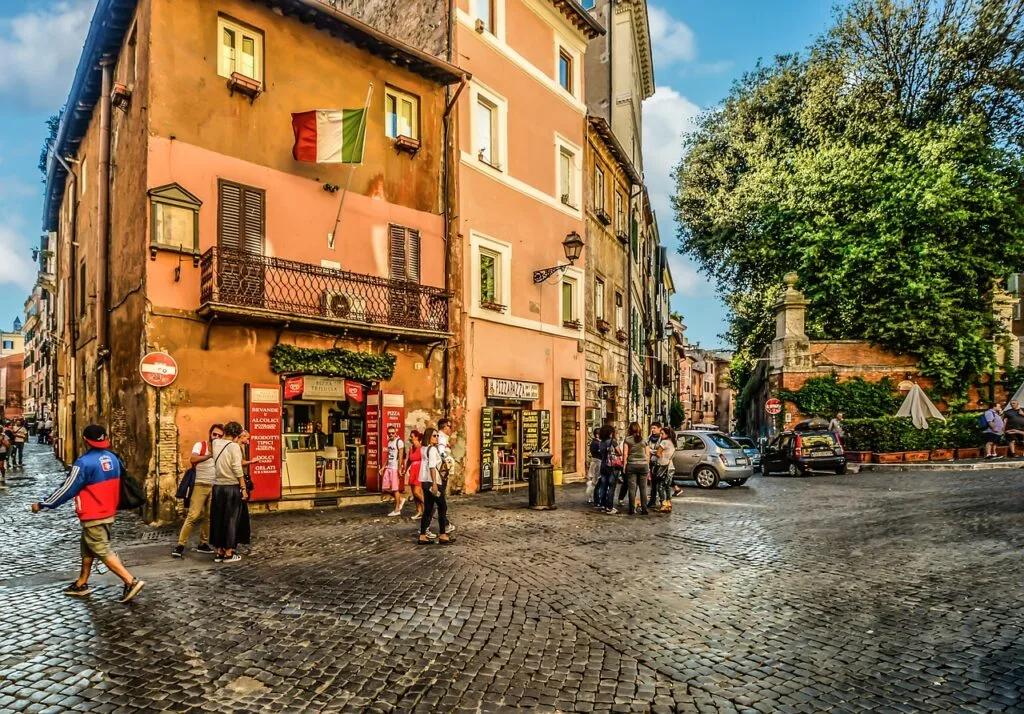
Traditional bakeries (Forno) also play a key role. Many forni offer supplì in the morning for workers or in the late afternoon. A typical example: Forno artisanal near Campo de’ Fiori or Testaccio (various locations around the squares). Hours: often 07:00–19:00. Price: €2.00–€3.50. Description: the smell of fresh bread and frying oil creates an irresistible atmosphere; you’ll often see small supplì lined up in the display, ready to go.
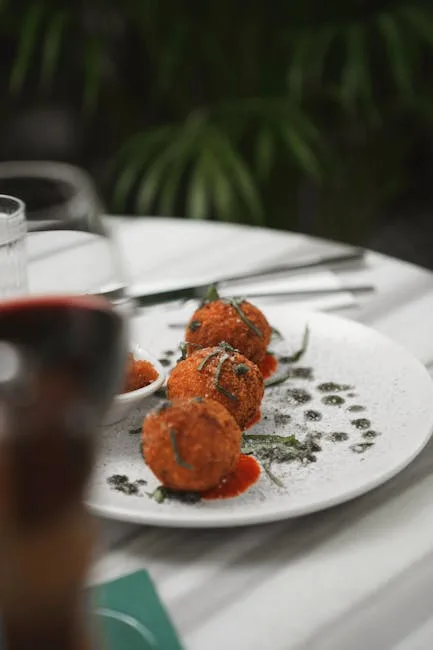
Specialist supplì shops (sometimes called « Supplì Shop » or « Supplì & Co. ») focus on ingredient quality: Carnaroli rice, reduced stock, long-simmered ragù, clean oil and controlled frying temperature. Typical address: Small supplì shop in central Rome (various locations). Hours: often 11:00–22:00. Price: depending on the creativity of the filling, from €2.50 to €6.00 for gourmet versions. Tip: ask about ingredients if you have allergies; these shops are usually very attentive.

Practical tip: to discover supplì variety, do a mini « supplì tour » by choosing a market, a pizzeria and a specialist shop in the same day. You can compare the coating (thin or thick), rice texture (creamy or firm) and ragù quality. Bring napkins — a good supplì can be generously filled and a bit oily.
IV. Foodie routes: how to plan a day dedicated to supplì (routes and visit combinations)
For travelers wanting to combine sightseeing and tasting, here are itineraries designed to sample several supplì while visiting Rome’s iconic sights. The routes favor efficient walking or public transport and avoid wasting time.
Morning route: Colosseum & Mercato Centrale
- Morning: start with the Colosseum and the Roman Forum (Colosseo, Piazza del Colosseo, 00184 Roma RM). After the visit, head to Termini station for a stop at Mercato Centrale Roma (Via Giovanni Giolitti 36). Market hours: 08:00–24:00. Supplì price: €2.50–€5.00. Tip: perfect for a snack before climbing the Palatine or after a stroll through the Forum.
Click here to discover the Colosseum and ancient Rome

Early afternoon route: Pantheon & Campo de’ Fiori
- Light breakfast around the Pantheon (Piazza della Rotonda). Then stroll to Piazza Campo de’ Fiori to try a supplì at the market. Market address: Piazza Campo de’ Fiori, 00186 Roma RM. Hours: 07:00–13:30. Price: €2,00–€4,00. Tip: pair it with an Italian coffee on a terrace and buy local produce for a picnic.

Evening route: Trastevere & Testaccio
- Dinner in Trastevere (Piazza Trilussa and nearby alleys). Before or after, stop by a trattoria like Tonnarello (Via dei Vascellari 29). Hours: 12:30–15:30, 19:00–23:30. Price: extra from €3,50.
- Then head over to Testaccio to taste other specialties and compare the area’s supplì. Mercato Testaccio (Via Beniamino Franklin 10) often offers great versions. Market hours: varied, usually mornings and some evening stalls.
Practical tips for these routes:
- Comfortable shoes: lots of cobbled streets and narrow lanes.
- Timing: for a hot supplì, aim for kitchen hours (11:30–14:00 and 19:00–22:00). Markets are best in the morning for freshness.
- Payment: bring cash for small stalls; more places take cards now, but not all.
- Share: order several small portions if you’re in a group to taste different recipes.
V. How to recognize a great supplì and local tips for enjoying it
Eating a supplì in Rome is more than taste: it’s a full sensory experience. Here are clues to spot a great supplì and local tips on how to enjoy it properly.
Signs of an excellent supplì:
- The breadcrumb coating: golden and even, crunchy but not burnt. Too thick or greasy a coating signals poor frying.
- The temperature: it should be hot but not scalding; the mozzarella center should pull slightly (hence the term « al telefono »).
- The rice: distinct grains yet bound by a creamy texture — not dry or gluey.
- The ragù: fragrant, with finely minced meat and a flavorful, reduced sauce to avoid excess moisture.
Tasting tips:
- Eat it immediately: supplì cools quickly and loses its magic.
- Hold it with a napkin to avoid burning yourself and to keep your hands clean.
- Cut it in half if you want to share; watch the mozzarella stretch — that’s the mark of an « al telefono » supplì.
- Pair it with a drink: a light white wine, a glass of Prosecco, or even a Roman craft beer to balance the fried flavors.
Note on food safety and local practices: prefer stalls where frying is visible and refreshed regularly. Avoid supplì left too long exposed or reheated multiple times. If you have dietary restrictions (vegetarian, gluten-free), ask in advance: some shops offer suitable alternatives, but not all do.
Conclusion: supplì, a bite-sized mirror of Rome
Supplì is a small culinary item, yet it concentrates much of Rome’s soul: tradition, conviviality and creativity. Whether you taste it in a Trastevere trattoria, at a stall in the Mercato di Campo de’ Fiori, at Termini’s Mercato Centrale, or in a specialist shop, each supplì tells a story — of the neighborhood, the cook and sometimes several generations. Following this guide’s addresses and tips, you can build a tasting route that pairs sampling with sightseeing: a lunch near the Colosseum, a snack at the market, a coffee break with a supplì before wandering around the Pantheon.
Be ready to mix things up: classic ragù supplì, vegetarian variants, and creative versions from new street-food spots. Prices generally stay affordable (between €2,00 and €6,00 depending on sophistication), making it an accessible snack to try a range of flavors without overspending. Don’t forget the practical tips: prioritize hot supplì, carry some change, and choose your times to avoid queues.
Finally, let curiosity lead: ask locals for their favorite spots, follow your nose into a lively alley, or tour markets to compare. Rome is also told through its food, and supplì is one of the most delicious chapters of that story. Buon appetito — and happy tasty explorations in Rome’s eternal streets.