





INTRODUCTION — Why Roman cuisine is a must
Rome is not just the capital of ancient ruins and majestic squares: it’s also a food capital where every street, trattoria and market stall tells a story of bold, simple flavors. Roman cooking springs from peasant tradition, Vatican preserves, market recipes and the craft of bakers and butchers. The ingredients are humble — pasta, winter vegetables, sheep’s cheese, pork — but the execution is almost religious: few components, lots of know-how.
Strolling between the Fontana di Trevi, the Colosseo and the bohemian neighborhood of Trastevere, you’ll come across iconic dishes: carbonara, cacio e pepe, amatriciana or supplì. These dishes aren’t culinary curiosities: they’re part of the city’s intangible heritage. Recipes vary from one kitchen to another, and discovering those differences is a pleasure in itself. A carbonara at a tiny Jewish Quarter bistro might feel more authentic than a more formal service near the Pantheon.
This article walks you through the ten essential Roman dishes, with exact addresses, approximate prices, opening hours and practical tips to eat like a local. You’ll find suggestions for the best trattorie, forni (bakeries), markets and little shops where every plate is served with sincerity. Whether you’re racing a tight schedule (Vatican at 9am, Colosseo at 3pm) or planning to linger over a glass of Frascati, these recommendations will help you plan your meals.
A few useful precautions: many places only accept cash for small bills, some dinner menus list higher prices than lunch, and most restaurants close between 3pm and 6pm before the evening service. Learn to spot local queues (a good sign) and don’t hesitate to ask « il conto, per favore » when you’re ready. Enjoy — or as they say here, buon appetito!
 Click here to experience the Trevi coin ritual with audio guide
Click here to book a Colosseum, Forum and Palatine audio tour
Cacio e pepe and Bucatini all’amatriciana — The essence of Roman pasta
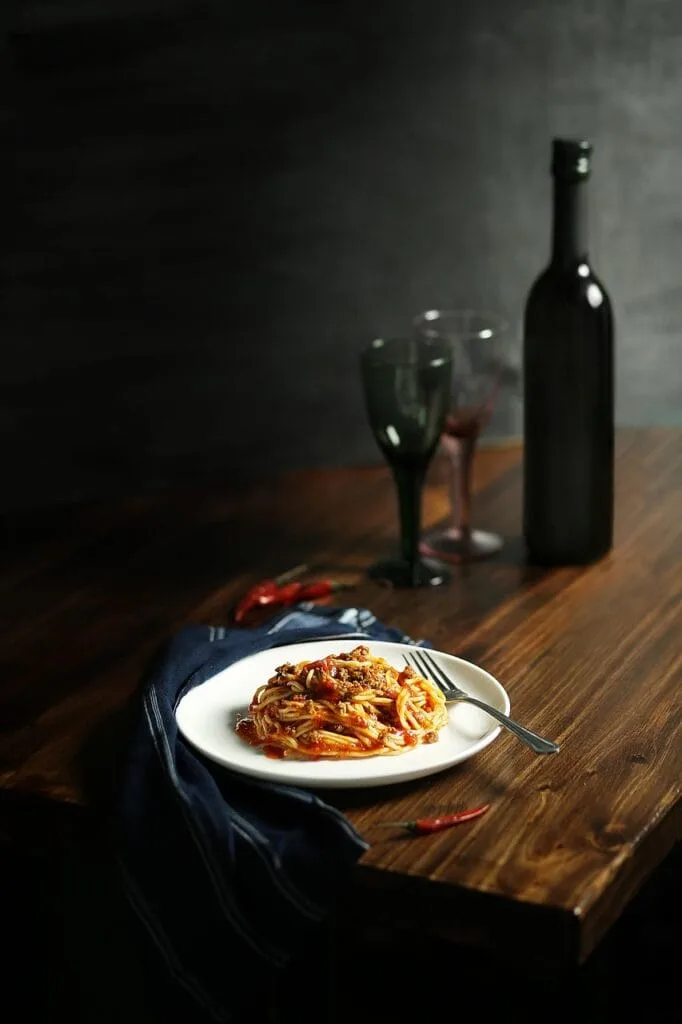
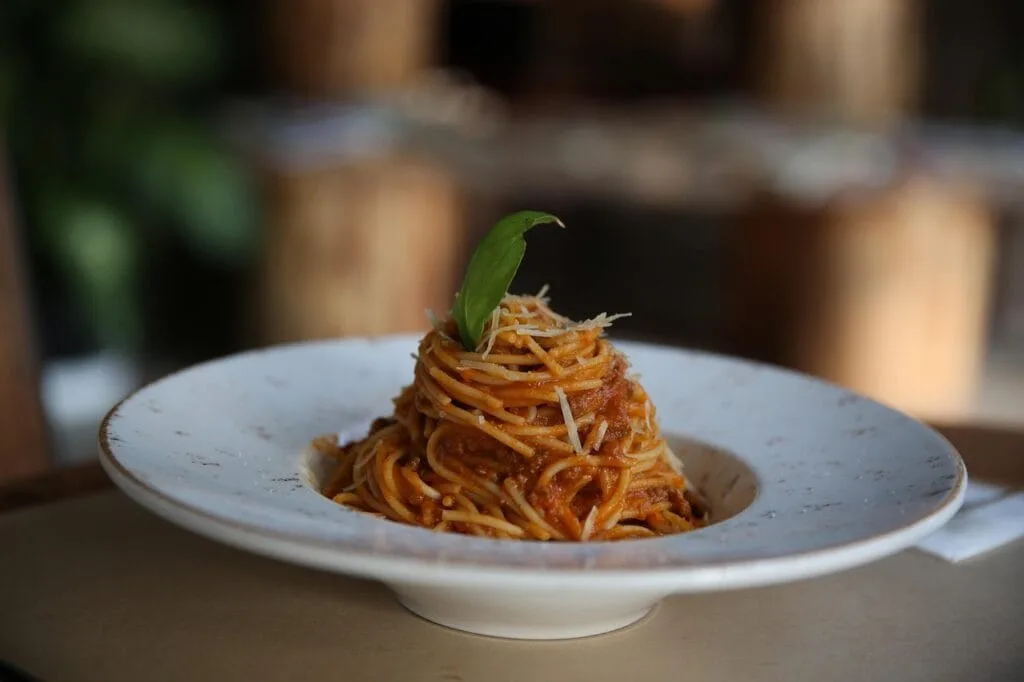
Pasta is Rome’s soul. Two classics that contrast and complement each other: cacio e pepe (Pecorino cheese and black pepper) and amatriciana (tomato, guanciale, pecorino). These dishes embody the Roman philosophy: simplicity, quality ingredients and flawless technique.
Cacio e pepe
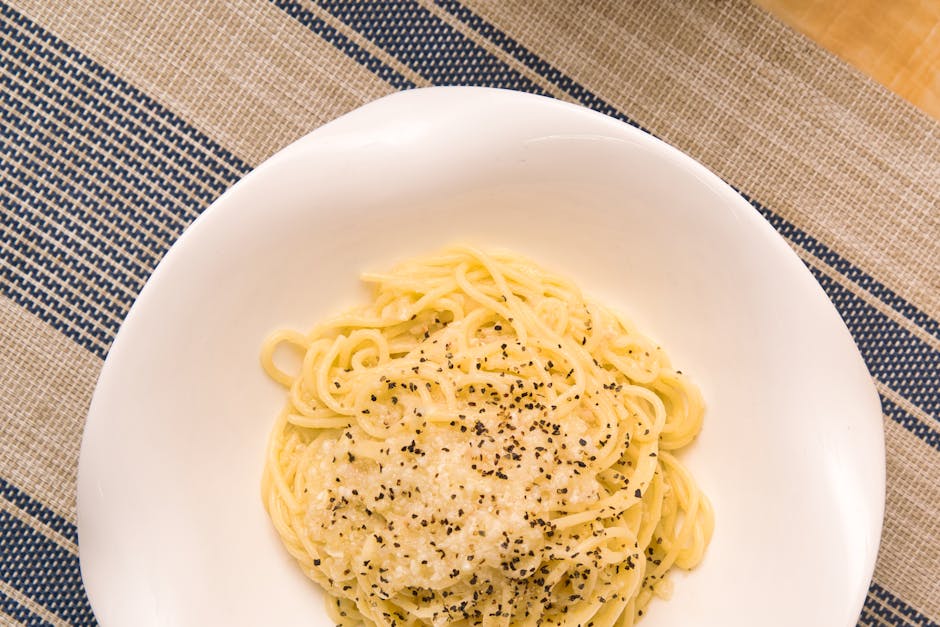
Cacio e pepe is made of three main ingredients: Pecorino Romano, freshly cracked black pepper, and spaghetti or tonnarelli carefully emulsified. The secret is the pasta temperature and the amount of cooking water to create a creamy sauce without adding cream. In Rome, try it at Felice a Testaccio, address: Via Mastro Giorgio 29, 00153 Roma RM. Price: around €12–€16 per plate. Opening hours: 12:30–15:00 and 19:00–23:00 (usually closed Sunday lunch).
Practical tip: arrive early to avoid the line, ask for the dish « senza peperoncino » if you prefer no chilli, and pair it with a glass of Frascati. Staff are usually quick and portions generous — a perfect break between the Mercati di Testaccio and the Circo Massimo.

Bucatini all’amatriciana
Amatriciana originates from the town of Amatrice but has become a pillar of Roman cuisine. Crispy guanciale (pork cheek), San Marzano tomatoes, Pecorino and bucatini (hollow pasta) create a blend of textures and deep flavors. A recommended spot: Da Enzo al 29, Via dei Vascellari 29, 00153 Roma RM. Price: €14–€18 per plate. Opening hours: 12:30–15:00 and 19:00–23:00. Reservation recommended.
Local tips: avoid peak hours (1pm–2:30pm) if you want to dine without waiting. If you’re visiting Trastevere in the evening, stroll from the Basilica di Santa Maria in Trastevere and enjoy a post-dinner walk along the Tiber.

Carbonara and Spaghetti alla Gricia — The guanciale-based sauce duo
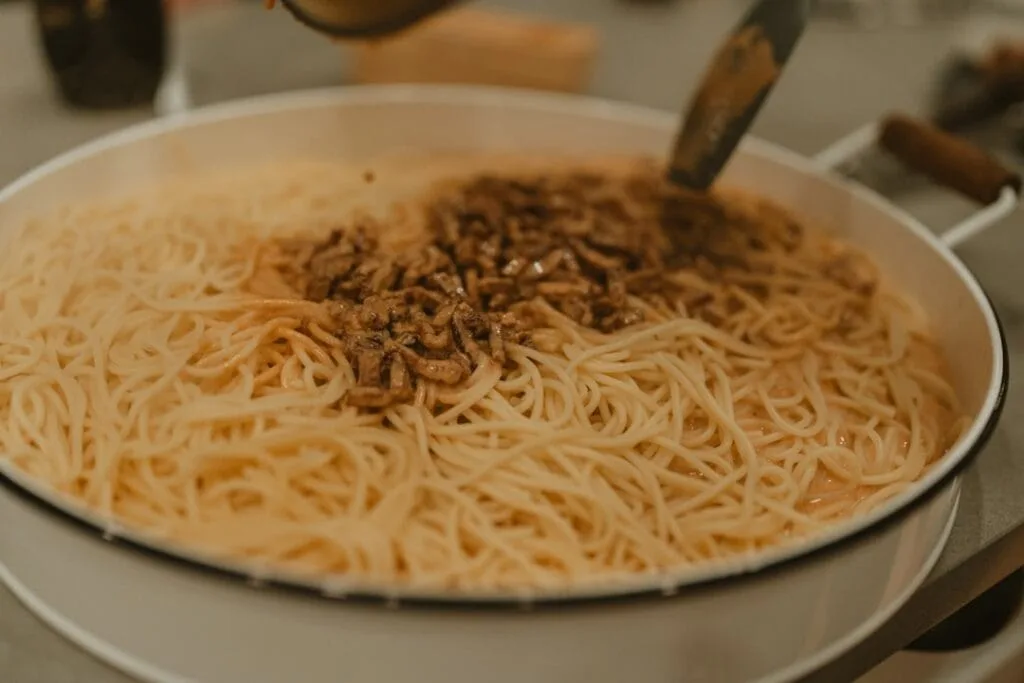
Carbonara is the most famous internationally, but gricia deserves equal attention: it’s the original form, without tomato, that puts guanciale and Pecorino front and center. These two dishes showcase Roman mastery of « asciutte » (dry) sauces: it’s all about emulsion, texture and the heat of the ingredients.
Carbonara
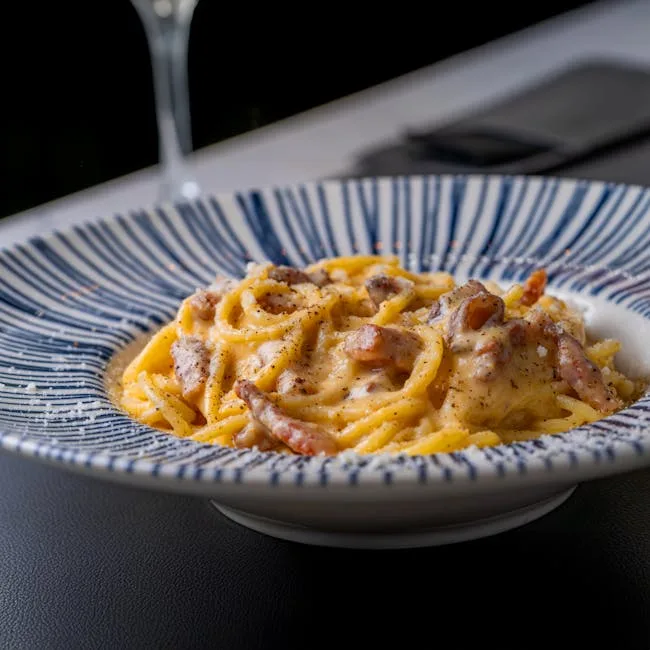
A properly made carbonara has no cream: the silkiness comes from eggs, Pecorino and vigorous whisking. A recommended spot: Roscioli – Salumeria con Cucina, Via dei Giubbonari 21, 00186 Roma RM. Price: €15–€20 per plate. Opening hours: 08:30–22:30 (closed Sunday evenings depending on the season). Roscioli combines a fine shop and a restaurant; you can buy products to take the experience home.
Tip: ask for your pasta « al dente » and watch the service: carbonara is often prepared to order. If you see a chef mixing vigorously off the heat to achieve the perfect creaminess, you’re in the right place.
Spaghetti alla gricia
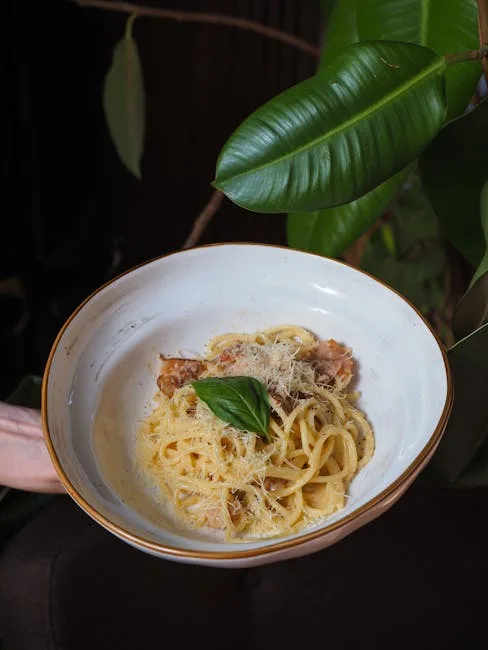
Gricia is the ancestor of amatriciana: crispy guanciale, Pecorino and spaghetti. Try it at Trattoria Da Danilo, Via del Governo Vecchio 35, 00186 Roma RM. Price: €12–€16. Opening hours: 12:00–15:00 and 18:30–23:00. The simplicity of the dish reveals the quality of the guanciale: pick a place that still makes or sources this traditional product.
Supplì and Pizza bianca — Roman street food you can’t miss
Wandering around Rome means snacking on the go. Two icons of Roman street food: supplì (rice ball stuffed with mozzarella and tomato sauce, breaded and fried) and pizza bianca (light dough brushed with olive oil and salt, often served in square slices). You’ll find them in forni, cafés and small shops.
Supplì
For the perfect supplì, head to the area around the Lateran Palace or Trastevere. A renowned spot: Supplì Roma – La Casa del Supplì, Via dei Banchi Vecchi 14, 00186 Roma RM. Price: €3–€5 each depending on the filling (classic mozzarella or bolognese). Opening hours: 10:00–22:00. A crispy supplì is best eaten hot, sometimes paired with a local beer.
Practical tip: if you’re walking toward the Chiesa di Santa Maria in Trastevere, grab one to go and enjoy it sitting in the piazza. Avoid supplì that have been left too long — the texture suffers.
Pizza bianca
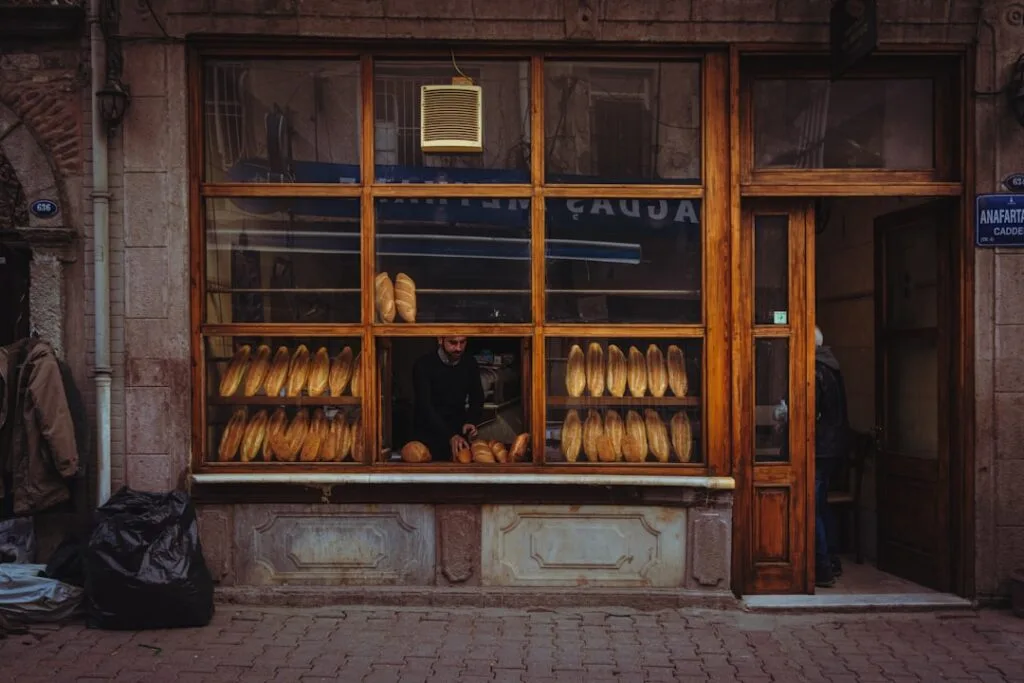
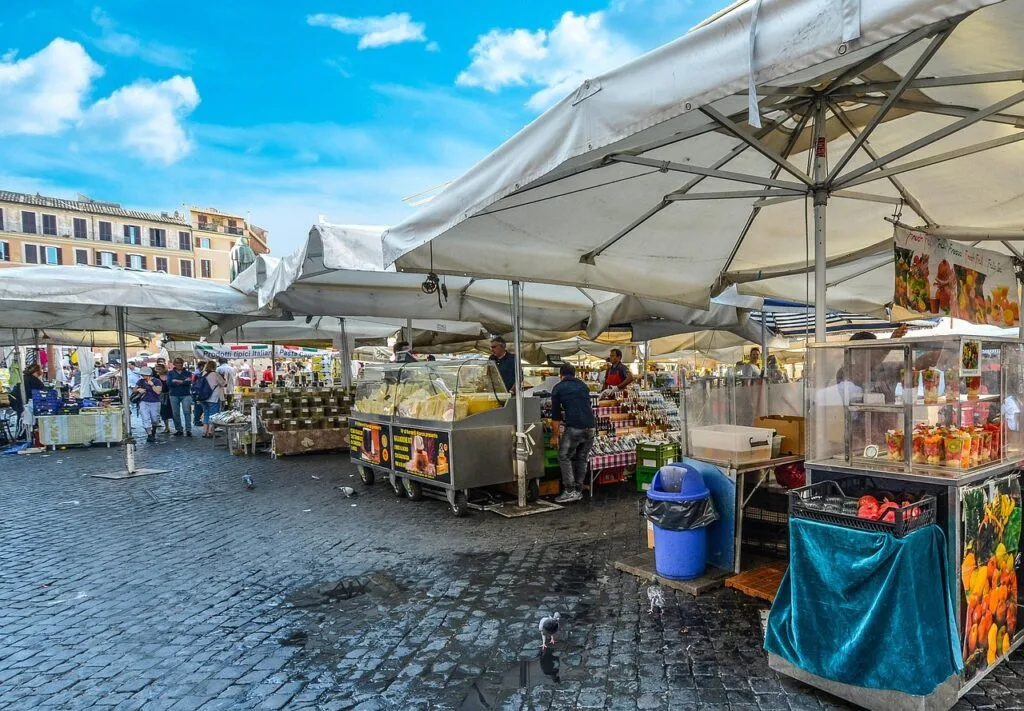
Pizza bianca is found in historic forni. A must-visit: Forno Campo de’ Fiori, Piazza Campo de’ Fiori 22, 00186 Roma RM. Price: €2–€5 per portion depending on size and toppings. Opening hours: 07:00–20:00 (closed some Sundays). The crust is crispy, the inside pillowy — perfect to accompany a morning stroll around Campo de’ Fiori market.
Saltimbocca alla Romana and Carciofi alla Giudia — Local flavors and the seasons
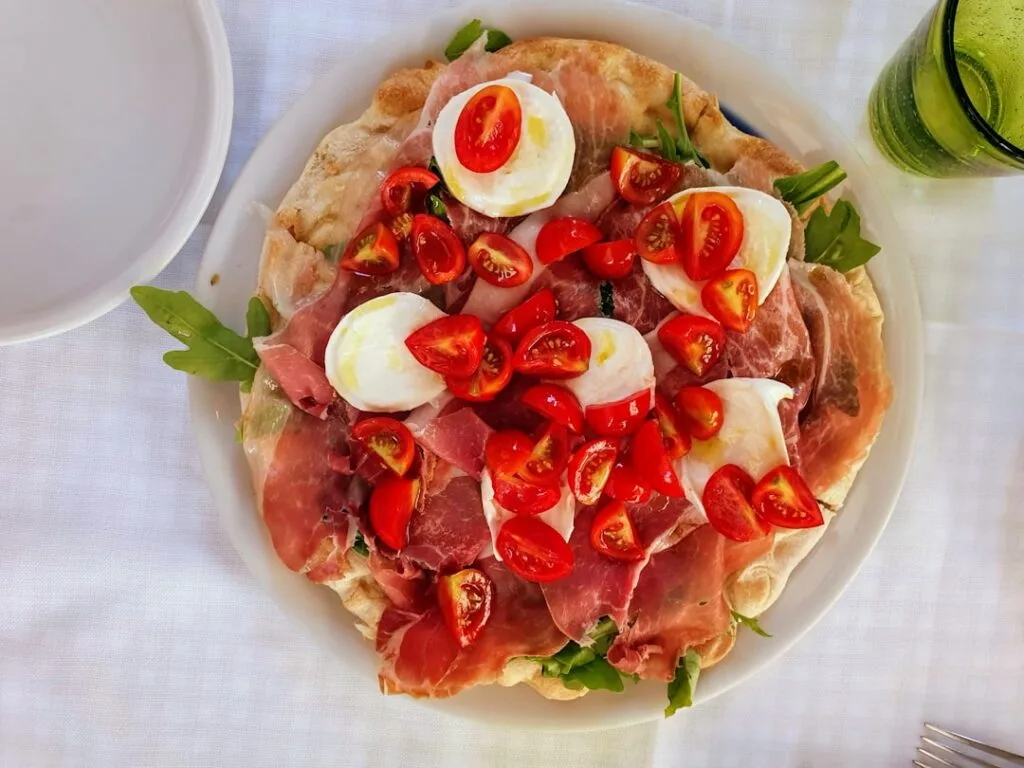
Meat dishes and seasonal vegetables round out the Roman culinary world. Saltimbocca alla Romana (veal cutlet, prosciutto, sage and wine) is a classic for lunch, while carciofi alla giudia (Jewish-style fried artichokes) reflect the Jewish-Roman influence, especially in the Jewish Ghetto.
Saltimbocca alla Romana
To taste a well-executed saltimbocca, try Trattoria Vecchia Roma, Via Ferruccio 12, 00185 Roma RM. Price: €14–€22. Opening hours: 12:30–15:00 and 19:00–23:00. The secret: tender meat, a light white-wine sauce and perfectly golden sage.
Tip: pair it with a contorno (side) of seasonal vegetables — often roasted potatoes or sautéed greens. At lunch, portions tend to be heartier and prices kinder.
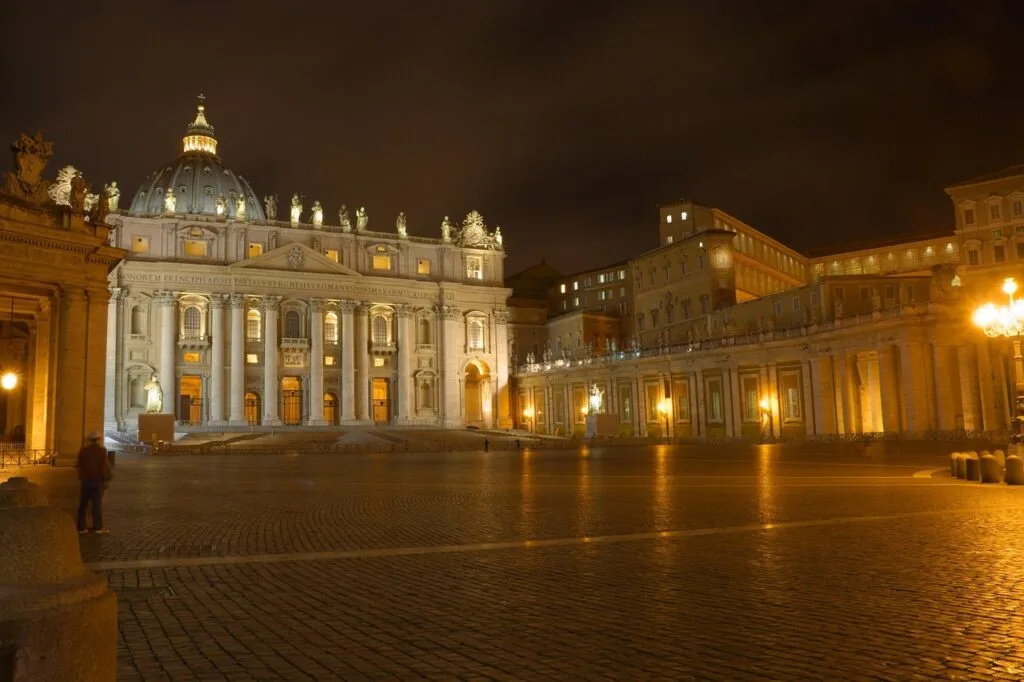
Click here to book a guided tour of St. Peter’s Basilica
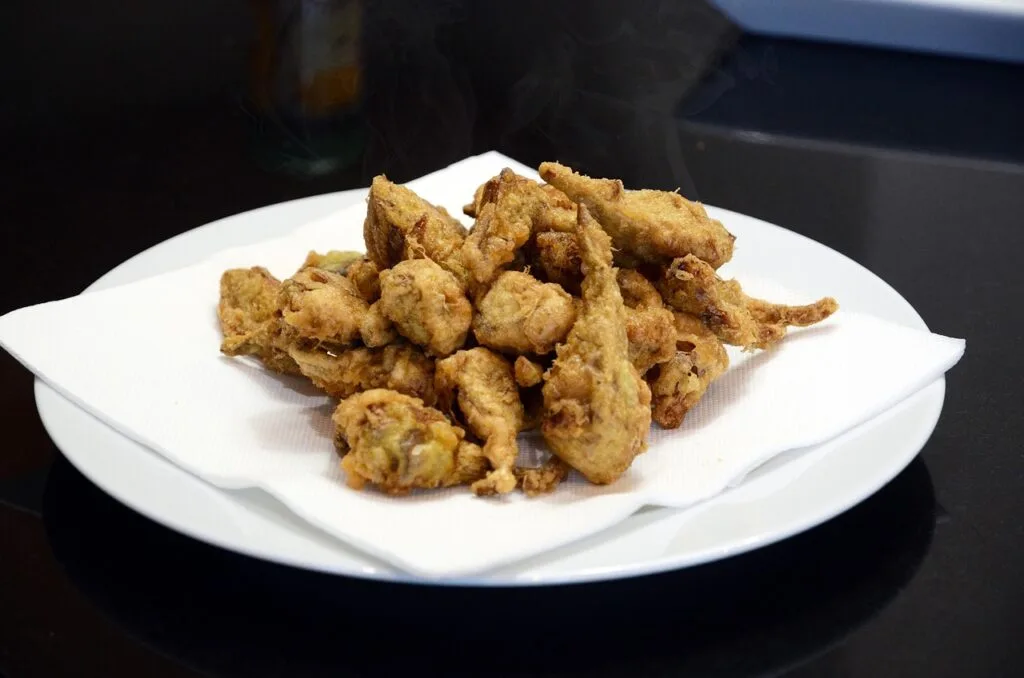
Carciofi alla giudia
Artichokes are a specialty of Rome’s Ghetto. A recommended address: Nonna Betta, Via del Portico d’Ottavia 16, 00186 Roma RM. Price: €8–€12 depending on season and preparation. Opening hours: 12:00–15:00 and 19:00–23:00. The artichokes are fried whole: crisp on the outside, melting inside.
Local advice: artichokes are seasonal (best in winter–spring). If you travel off-season, look for « carciofi alla romana » (braised) — an equally delicious variant.
CONCLUSION — Eating in Rome: a lasting sensory route
Rome is to be tasted as much as it is to be visited. The ten dishes presented here — cacio e pepe, amatriciana, carbonara, gricia, supplì, pizza bianca, saltimbocca, carciofi alla giudia, and regional variations — form a sensory route through history, markets and neighborhoods. Each plate teaches a lesson: Roman cuisine values ingredient quality, respect for technique and generous service.
To get the most from your experience, plan meals around the opening hours shown, favor places with local queues (a sign of freshness) and don’t hesitate to ask about cooking or product origins. Bring cash if you plan to visit small forni or stalls, and consider reserving popular tables (Roscioli, Da Enzo, Felice a Testaccio) especially in high season.
Finally, go with the flow: the best Roman meal might be a plate of pasta at dusk near Piazza Navona, a crunchy supplì during a sunset stroll, or a fried artichoke devoured in the quiet of the Ghetto. Rome offers a charming, humble and flavorful cuisine — a promise kept by the city’s trattorie, forni and markets. Buon viaggio and buon appetito!