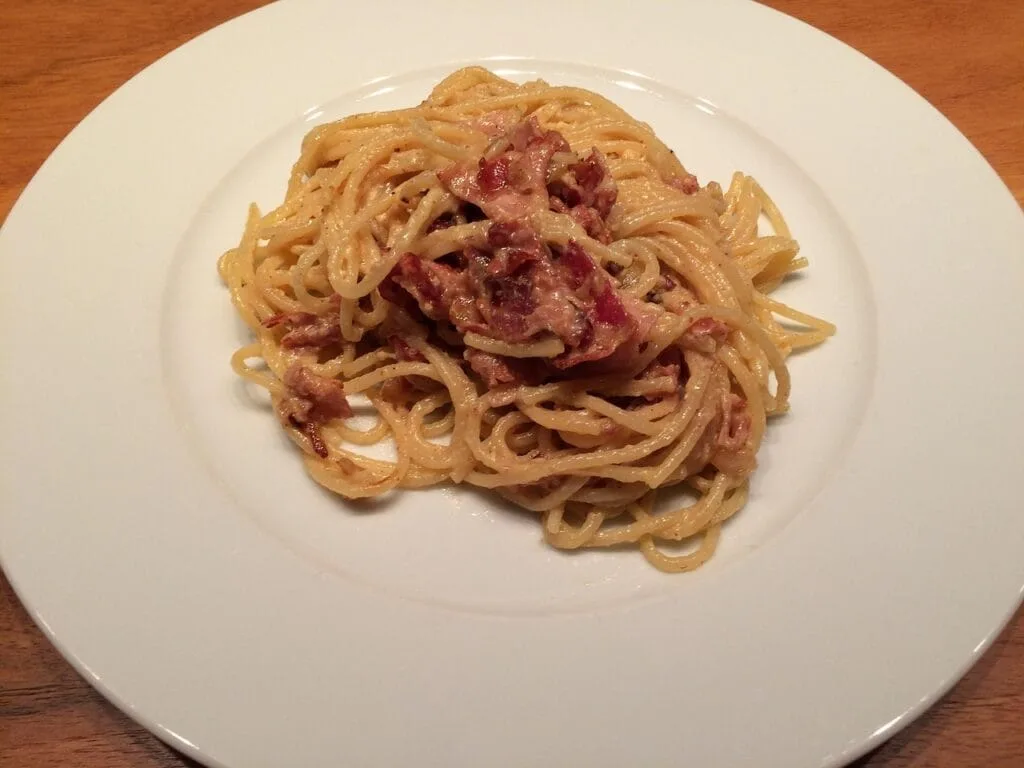






Introduction: the quest for an authentic carbonara in the heart of Rome
Rome is a city of flavors and rituals. Among them, carbonara holds a near-sacred status: on paper it’s simple — pasta, eggs, pecorino romano, guanciale, pepper — but mastering it reveals the soul of a trattoria. Hunting for “the real carbonara” in Rome isn’t just a culinary mission; it’s a stroll through historic neighborhoods, a lesson in culinary tradition, and an immersion in kitchens where time and technique matter as much as the ingredients.
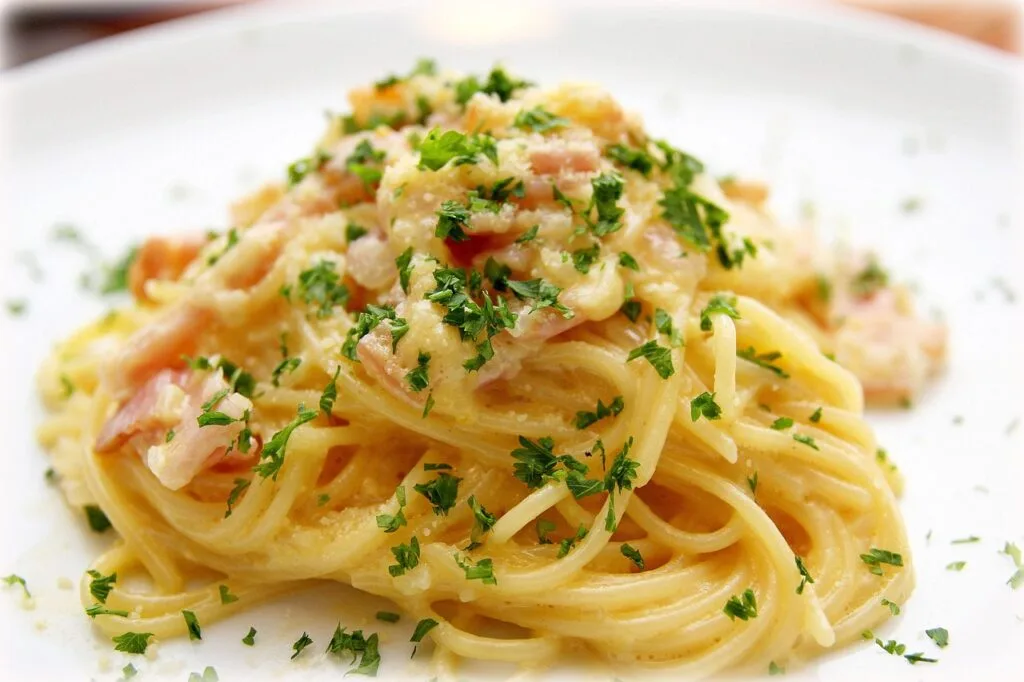
The carbonara served outside Italy is often distorted: cream, bacon bits, parmesan… These are heresies to Romans. Here, the golden rule is technique: the sauce must be silky and glossy, created by emulsifying egg yolks and hot cheese without ever turning into scrambled eggs; the guanciale (pork cheek) should be crisp and flavorful without being greasy; pecorino romano brings the precise salty note; and freshly cracked black pepper adds the finishing touch.
In this piece I’ll take you to several Roman spots where carbonara is elevated to a popular art. You’ll find detailed descriptions, exact addresses, indicative prices in euros, opening hours (double-check before you go, hours can change) and local practical tips to enjoy the dish like a Roman. Whether you’re near the Pantheon, in Trastevere, in the Monti neighborhood or close to Campo de’ Fiori, there are places that claim authenticity and respect for Roman culinary traditions.
As you move through neighborhoods and restaurants you’ll see why carbonara is more than a dish: it’s a cultural marker. Between lively counter conversation, the scent of guanciale sizzling, and simple but thoughtful tableware, each restaurant tells its version of an ancestral recipe. Follow me on this exploration, get your appetite ready, and remember these tips: book when you can, ask for “carbonara senza panna” if you fear adaptations, and above all, savor it slowly.
The must-visits: where to taste the classic, undeniable carbonara
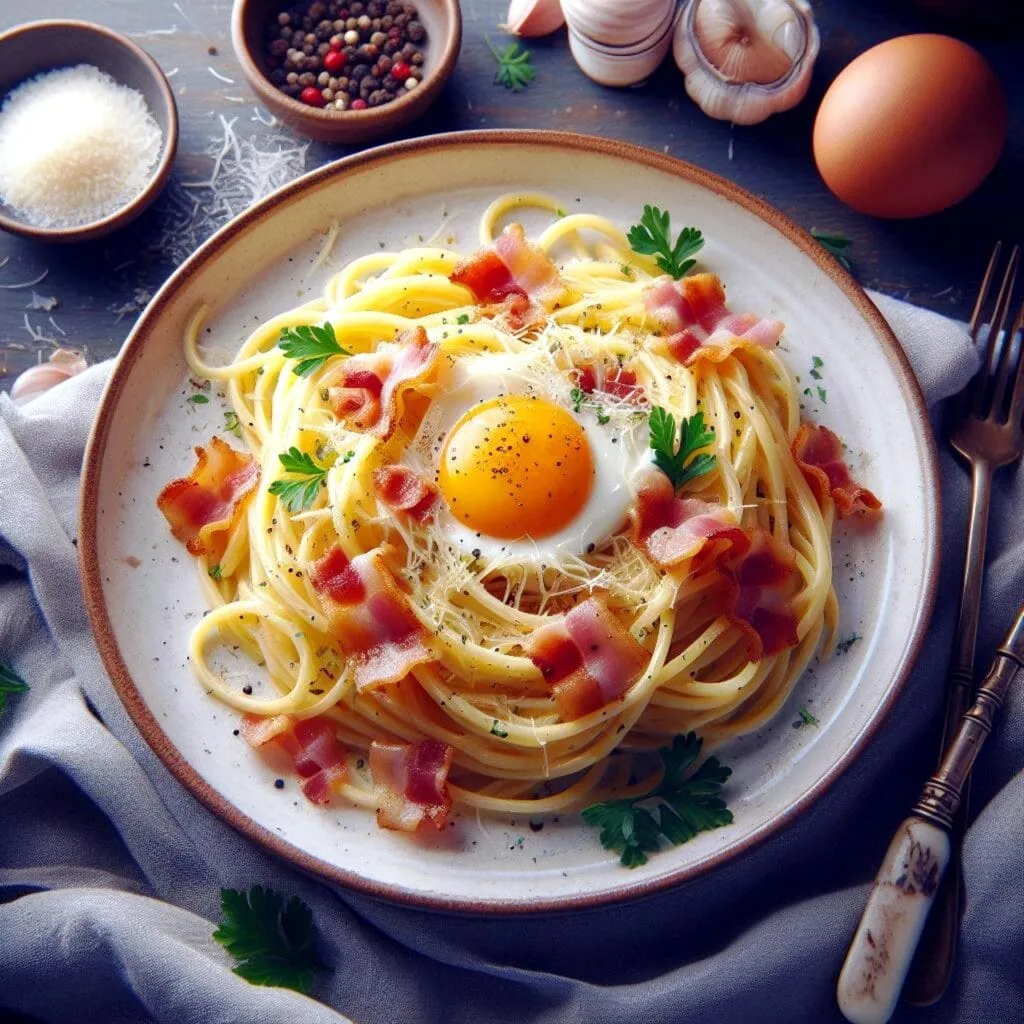
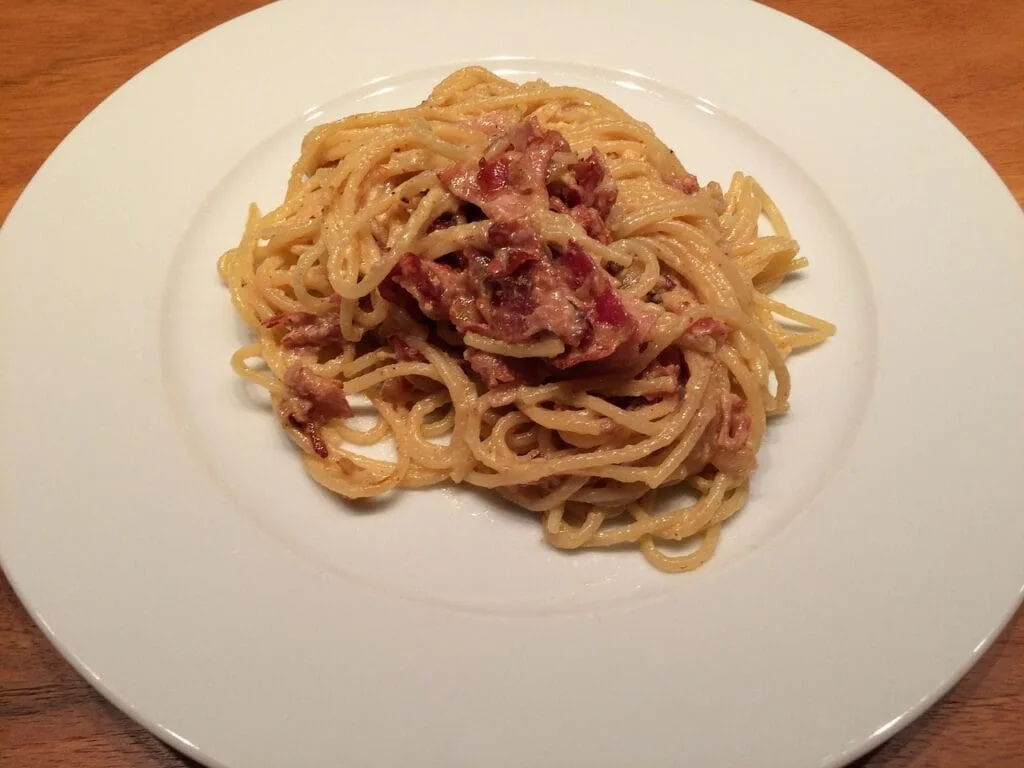
Some Roman restaurants have become international reference points for carbonara. They don’t just follow a recipe — they carry it forward. Here are four essential tables where carbonara is made according to Roman standards, with addresses, hours and prices.
Da Enzo al 29 – Via dei Vascellari, 29, 00153 Roma RM (Trastevere). Hours: open Tuesday–Sunday, lunch 12:30–15:00, dinner 19:30–23:00 (closed Monday). Price: carbonara ≈ €14–16. Description: A small, intimate trattoria with unmistakable Roman charm, pale walls, simple tablecloths and straightforward service. The carbonara here is generous, a vivid yellow, with crispy chunks of guanciale. The Trastevere atmosphere adds to the enjoyment: afterward, a nighttime stroll to Piazza Santa Maria will clear your head. Tip: reservations essential for dinner.
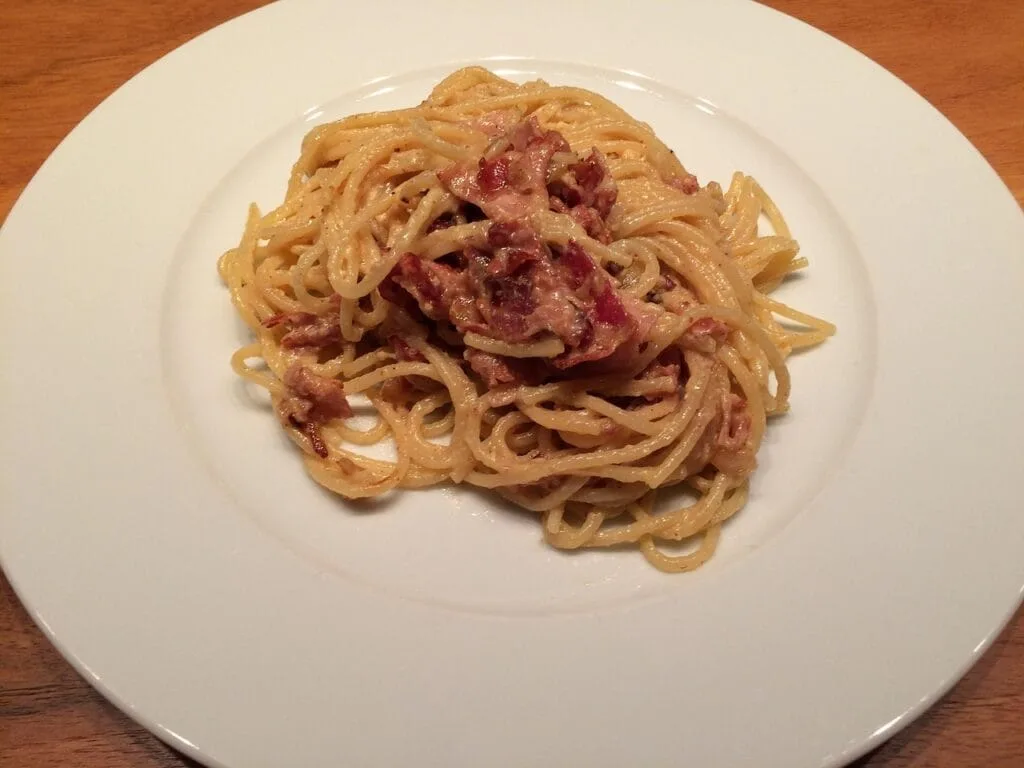
Salumeria Roscioli – Salumeria Roscioli, Via dei Giubbonari, 21/22, 00186 Roma RM (near Campo de’ Fiori). Hours: generally 08:00–23:00 daily (check seasonally). Price: carbonara ≈ €16–18. Description: Roscioli is part deli, part cured-meat shop, part restaurant. Their carbonara is crafted with outstanding ingredients: top-quality guanciale, carefully chosen pecorino, and pasta cooked to the right al dente texture. The vibe is both bistronomic and traditional, and service is precise. Tip: come early for a quick lunch or book a table for the evening; pick up a wedge of pecorino or some guanciale to take home.
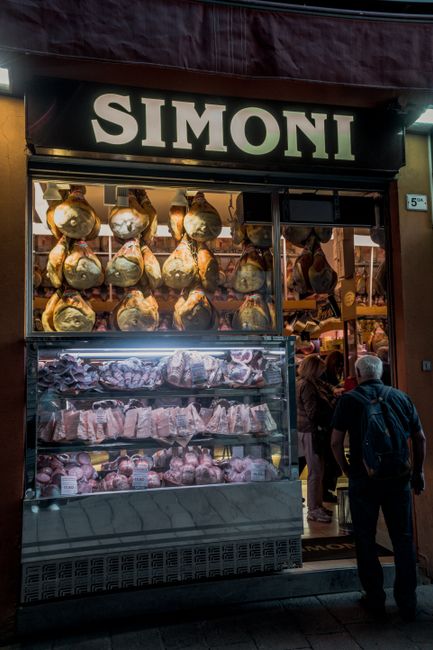
Osteria della Carbonara – Via Panisperna, 214, 00184 Roma RM (Monti neighborhood). Hours: usually 12:00–15:00 and 19:00–23:00 (check holidays). Price: carbonara ≈ €12–15. Description: A longstanding institution in Monti, this osteria leans into tradition. The centerpiece is often prepared in front of you — the timing to marry yolks and cheese has to be exact. Portions are generous, perfect after a visit to the Roman Forum and nearby Colosseum.
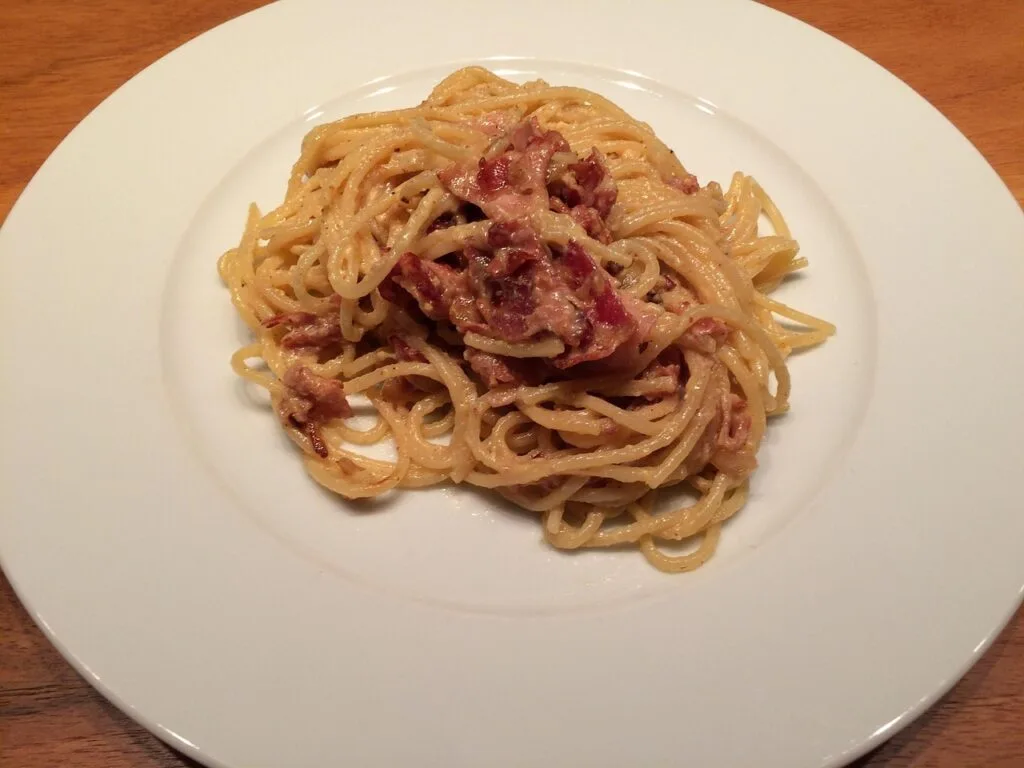
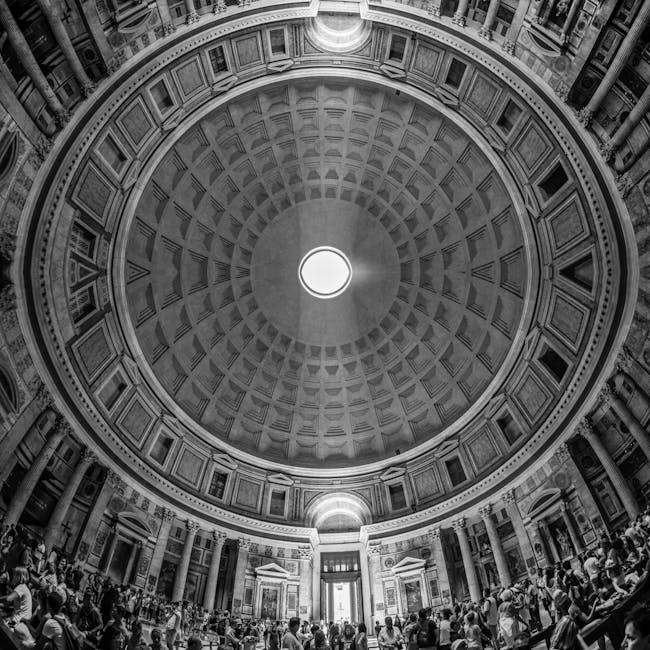
Armando al Pantheon – Salita dei Crescenzi, 31, 00186 Roma RM (a stone’s throw from the Pantheon). Hours: typically lunch 12:00–14:30 and dinner 19:00–22:30 (sometimes closed Sunday evening, check ahead). Price: carbonara ≈ €14–17. Description: Close to the Pantheon, Armando is a traditional spot where carbonara is one of the house specialties. The restaurant emphasizes quality local products and perfect egg cooking. Tip: ideal for a post-Pantheon lunch; book ahead in high season.
 Click here to book a Colosseum, Forum and Palatine tour
Neighborhoods and their styles: Trastevere, Monti, Campo de’ Fiori and the historic center
Each Roman neighborhood brings a different color to carbonara. Trastevere embodies conviviality, Monti brings a modernized working-class authenticity, Campo de’ Fiori channels the market-and-deli spirit, and the historic center mixes tourism with often well-mastered cooking. Knowing these differences helps you pick the experience you’re after.
Trastevere, for example, is perfect for carbonara served in a warm, lively setting. Trattorie like Da Enzo al 29 or Dar Poeta (more famous for pizza but also a solid spot for Roman dishes) are places to linger. The cobbled streets, small squares and terraces create a romantic atmosphere, ideal for enjoying a plate and extending the night with a stroll along the Tiber.
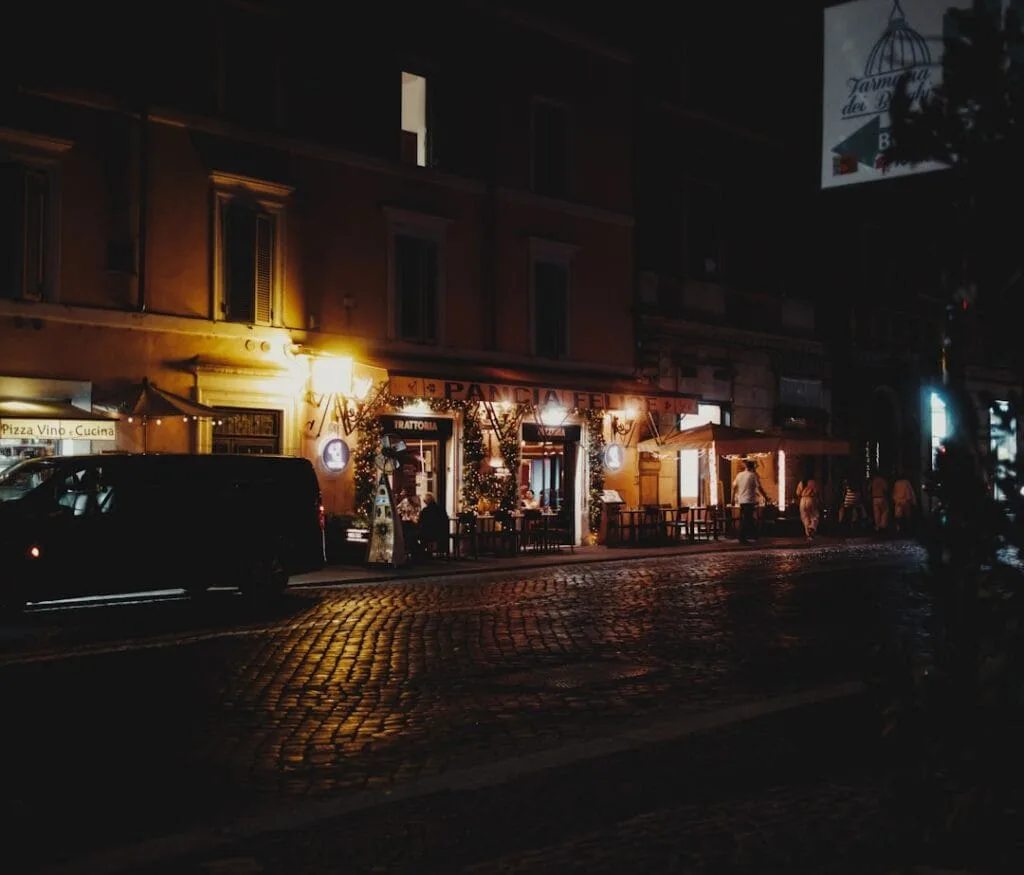
Monti, at the foot of the Colosseum, is a neighborhood that has kept its soul while embracing a contemporary food scene. The small osterie and trattorie here, like Osteria della Carbonara, attract a discerning local crowd and visitors seeking serious carbonara. The vibe is more intimate, often frequented by regulars, and ingredient quality is front and center.
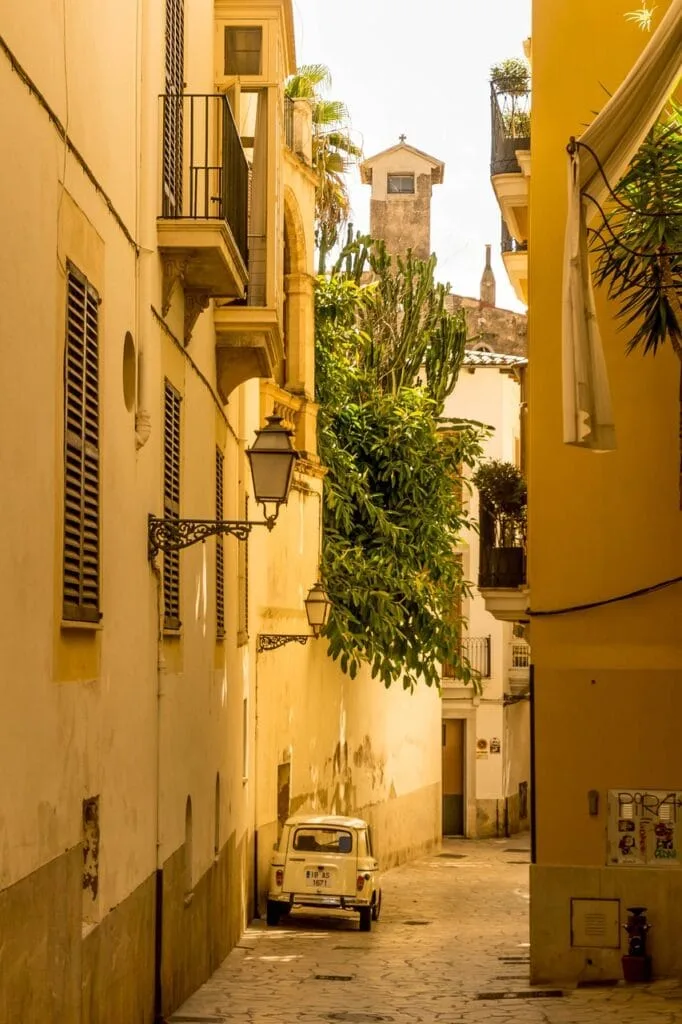
Campo de’ Fiori and its surroundings, with Salumeria Roscioli, offer the “cheese-and-cured-meats shop-restaurant” experience: after wandering the market, you step into a room filled with the scent of good charcuterie, aged cheeses and elevated Italian cooking. The historic center around the Pantheon serves all tastes; that’s where you’ll find Armando al Pantheon, a traditional table with calm service and a well-executed carbonara.
Click here to book a Pantheon visit and Tiber boat ride
How to recognize a genuine carbonara: technique, ingredients and mistakes to avoid
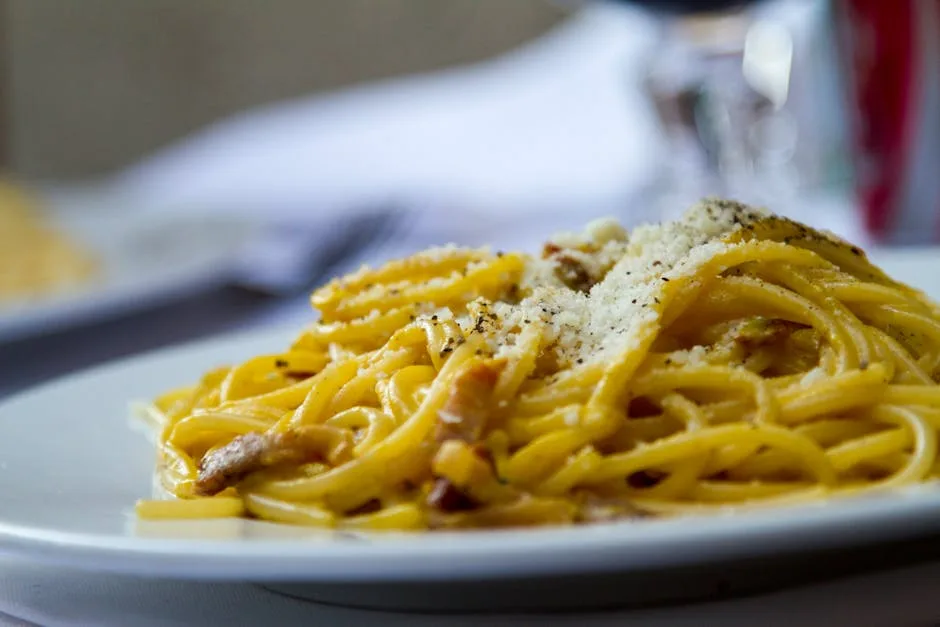
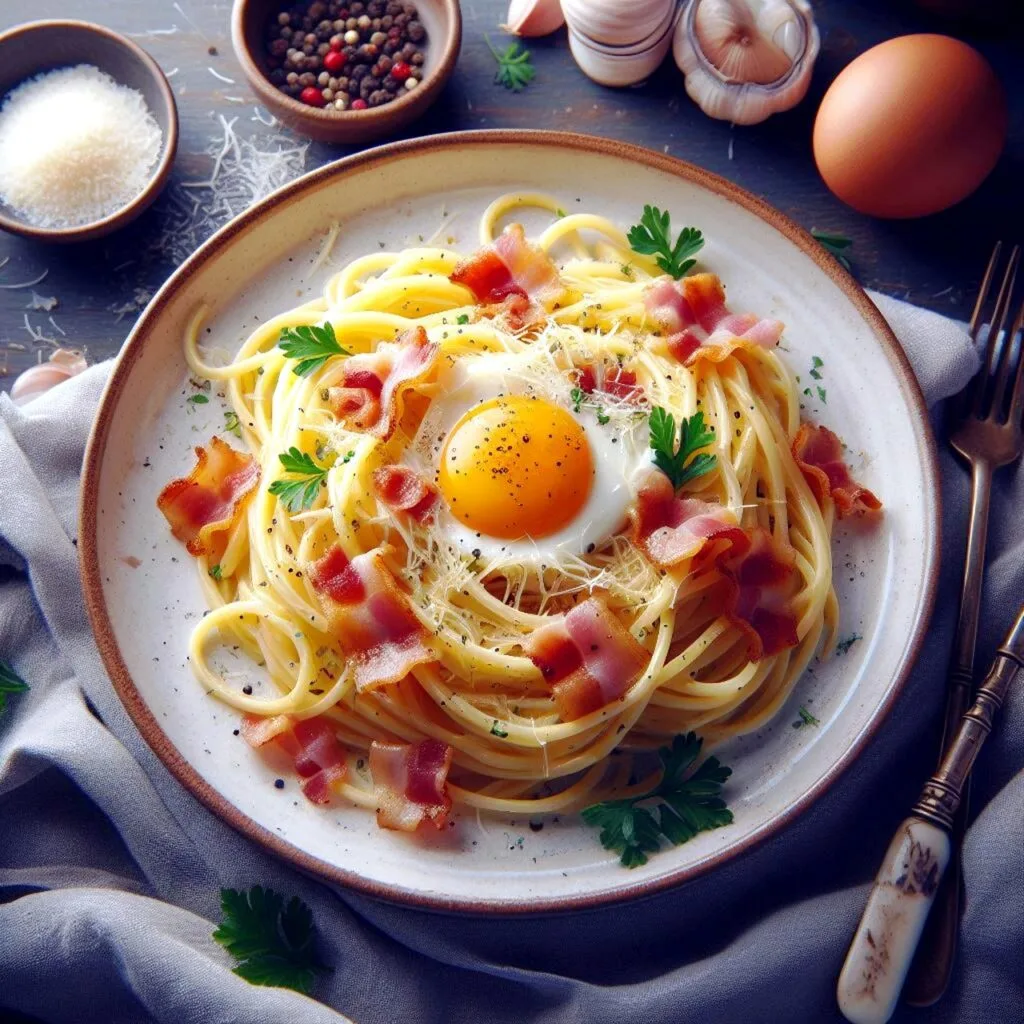
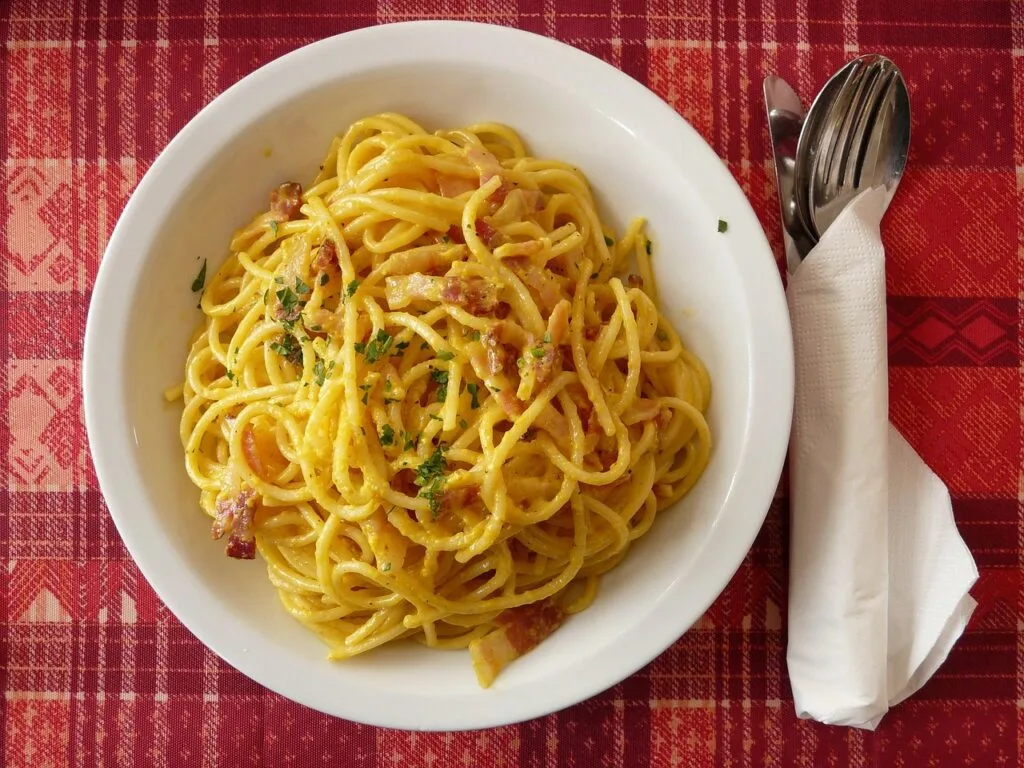
An authentic carbonara is first identifiable by its ingredients: guanciale (pork cheek) not bacon bits, pecorino romano not just parmesan, fresh eggs (especially yolks), long pasta like spaghetti or rigatoni, and lots of coarsely cracked black pepper. No cream, no milk. The sauce should be an emulsion — shiny and smooth — not dry scrambled eggs or an oily, watery sauce.
Technique: the pasta is cooked al dente and drained while reserving some of the cooking water. Guanciale is cut into strips and pan-fried until crisp but still juicy; the fat released flavors the sauce. Egg yolks (sometimes mixed with a bit of white depending on family recipe) are combined off the heat with grated pecorino and pepper. The trick is to slowly add hot cooking water to create an emulsified bind between eggs and cheese without coagulating the eggs. The result: a creamy coat that clings to every strand of pasta.
Mistakes to avoid: asking for carbonara “with cream” (whatever your intention) will get you a non-traditional dish; allowing bacon bits instead of guanciale; using only parmesan; or serving carbonara lukewarm instead of piping hot. Another common pitfall is overcooking the yolks: if the sauce looks like scrambled eggs, it’s failed.
Practical ordering tips: 1) ask for “carbonara senza panna” if you worry about cream; 2) favor places where guanciale is mentioned on the menu; 3) don’t hesitate to ask about the preparation if the spot isn’t a known institution; 4) pair carbonara with a glass of Frascati or a light red like Cesanese for a local match.
Foodie itinerary: a one-day tour of the best carbonaras
If you have one day to dedicate to carbonara in Rome, here’s a detailed itinerary to maximize pleasure and discovery, with timing tips and cultural breaks.
Morning: start with a walk through the Roman Forum and the Colosseum (Colosseo). After the morning visit, head to Monti for an early lunch (around 12:00) at Osteria della Carbonara (Via Panisperna, 214). Lunch budget: €12–15 for carbonara, add €4–6 for an antipasto or a glass of wine. Recommended arrival: 12:00–12:30 to avoid queues.
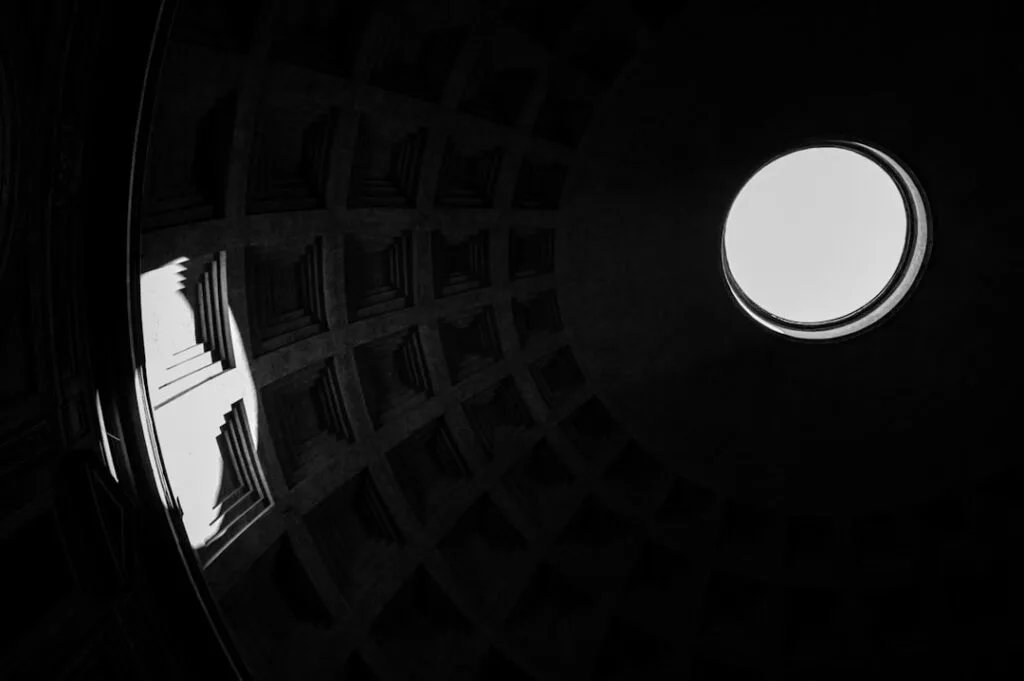
Afternoon: wander toward the Pantheon and Piazza Navona, then stop for a tasting at Salumeria Roscioli (Via dei Giubbonari, 21/22) for some cured meats or a cheese tasting if you want to compare products. If you’re full, note the recipe and save the table for the evening.
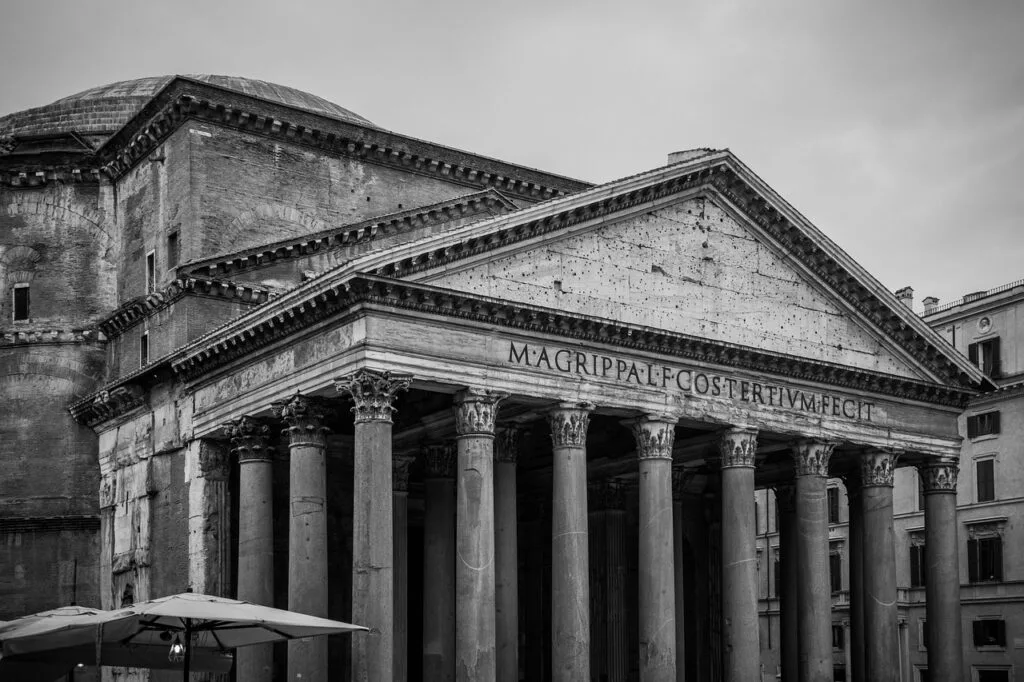
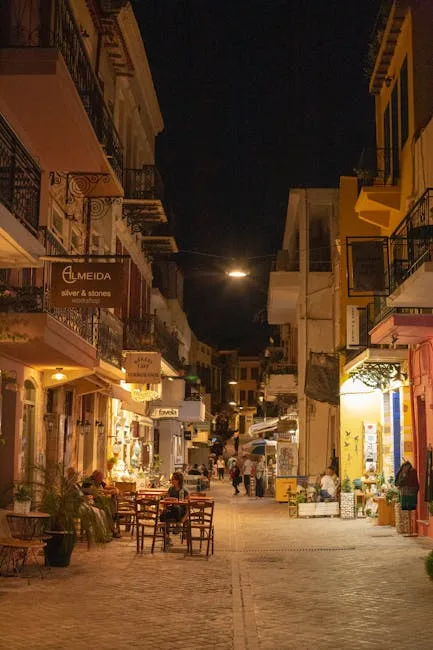
Evening: cross the Tiber and head to Trastevere for a convivial carbonara at Da Enzo al 29 (Via dei Vascellari, 29). Hours: dinner from 19:30; price €14–16. Trastevere’s nighttime atmosphere, with its lit-up alleys and little squares, turns every meal into a memorable moment. End the night with a gelato or an espresso on Piazza Santa Maria in Trastevere.
Click here to join a Colosseum, Forum and Palatine guided tour
Logistics tips: try to reserve for lunch and dinner when possible, wear comfortable shoes for cobblestone walking, and carry some cash as small trattorie can be reluctant to accept cards for minor bills. Finally, adjust times by season: eating late is normal in summer; in winter services may be quicker.
Conclusion: more than a dish, a lesson in Italy
The search for the “real carbonara” in Rome is as much a cultural experience as a culinary one. Between Trastevere’s alleys, the historic squares near the Pantheon and the bustling energy of Campo de’ Fiori market, each plate tells a story: one of respect for ingredients, technical mastery and Italian hospitality. The spots mentioned — Da Enzo al 29 (Via dei Vascellari, 29), Salumeria Roscioli (Via dei Giubbonari, 21/22), Osteria della Carbonara (Via Panisperna, 214) and Armando al Pantheon (Salita dei Crescenzi, 31) — are reliable touchstones for anyone wanting an honest, tradition-driven carbonara.
Practical: expect to pay around €12–18 for a carbonara at these places, book when you can, show up a little hungry to appreciate the portion, and choose guanciale and pecorino. Remember that carbonara is a dish of season and technique: it shines when made with fresh ingredients and served immediately. If you want to bring carbonara home, buy guanciale and pecorino from a good salumeria and practice emulsifying yolks with pasta water — it’s an art.
Finally, keep in mind Rome is a living city: places change, hours shift and new trattorie appear. But the rule remains the same: a proper carbonara respects its roots. Take your time, savor it, and let Roman cooking tell you its story, one spoonful at a time.