





Introduction
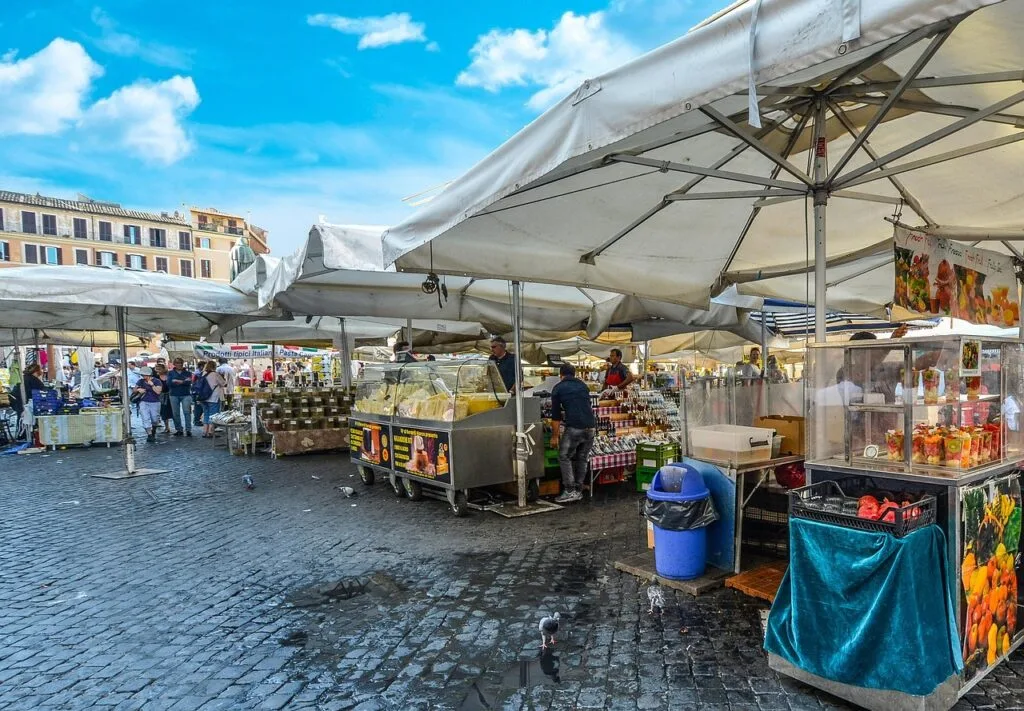
Rome is often seen as an open-air museum: the Colosseum, St. Peter’s Basilica, the Trevi Fountain — iconic sights every traveler wants to tick off. But to really get to know the city, its rhythms and its flavors, you need to step away from the tourist heights and get lost in neighborhood markets where vegetables, fish, fabrics and chatter are traded. These places, well off the usual routes, reveal tiny urban worlds shaped by immigration, culinary traditions and craftsmanship. Rome’s secret markets are hubs of sociability, commerce and improvisation: they offer a closer, more tactile, and sonically rich Rome — a place to touch, smell, taste and talk.
In this piece I invite you to explore a curated selection of markets away from the beaten track: reimagined food halls, multicultural street markets, Sunday flea markets and local designer markets. Each section gives you a detailed immersion: full market name, exact address, typical opening hours, indicative prices in euros, sensory descriptions, and practical tips to help you make the most of your visit. You’ll also find recommendations for must-buy products, how (and when not) to haggle, where to eat, and how to slot these visits into a wider day of discovery while avoiding the crowds.
These markets aren’t fixed attractions: stalls change with the seasons, the languages you hear shift with waves of immigration, and a friendly vendor can turn a quick errand into a memorable conversation. Taste is king here: a smoked caciocavallo bought at a cheesemonger’s stall, a porchetta panino made in front of you, a freshly filleted fish at a stand — these small details build the city’s flavor memory. And because authenticity goes hand in hand with respect, I also offer local etiquette tips: how to avoid appearing rude while weaving between stalls, how to dispose of waste, and why learning a few Italian words is always appreciated.
Prepare to walk, sniff, listen and ask questions: these markets reward curiosity with little discoveries that will linger long after you leave Rome. Whether you’re hunting ingredients for an impromptu dinner, a handmade souvenir, or simply a human experience, these off-the-tourist-track spots will show you another side of Italy’s capital. Let’s start our stroll with one of the liveliest covered markets — and one that’s far less “tour guide” than you might expect.

Mercato Centrale Roma — The gourmet hall near Termini station
Full name: Mercato Centrale Roma
Address: Via Giovanni Giolitti 36, 00185 Roma RM
Opening hours: daily 07:00–00:00 (individual stalls may vary; most kitchens open between 10:00 and 23:00)
Indicative prices: espresso €1.20; pizza al taglio €3–5 per slice; main bistronomy dish €8–15; dessert portions €3–6.
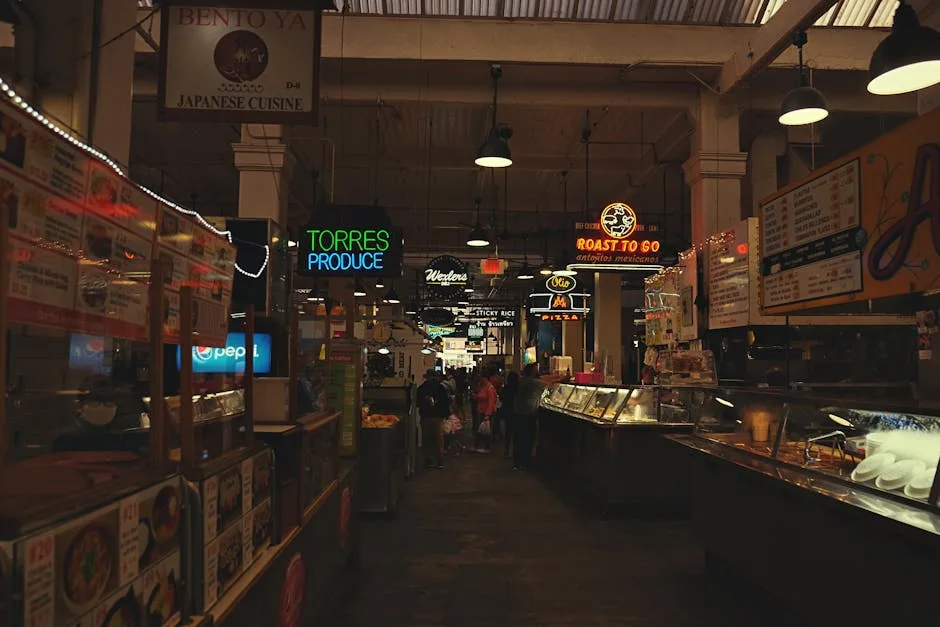
Mercato Centrale Roma, just a two-minute walk from Roma Termini station, is one of those urban transformations: a former rail depot reworked into a food temple. At first glance it doesn’t look “secret” — yet it remains largely frequented by locals on the go, neighborhood workers and food lovers looking for quality rather than tourist hordes. The space mixes producers’ stalls, small regional kitchens and artisanal product shops. Shared benches invite conviviality: expect to eat shoulder-to-shoulder with students, delivery riders and neighborhood grandmas.
The visit is sensory: the smell of bread straight out of an artisan oven, the steady sizzle on a fried foods stall griddle, conversations blending Romanesco with foreign dialects. It’s a great spot to sample regional specialties without leaving Rome — fresh pasta, supplì (fried rice balls filled with mozzarella), artisanal cheeses, Tuscan cured meats and even wine by the glass. Prices are fair for the quality: a chef-prepared pasta dish runs about €8–12.
Practical tips: arrive early to avoid the lunch rush (12:30–14:00) and enjoy well-stocked stalls; bring cash for smaller stands (though most now accept cards); if you’re staying near the station, take a cooler bag to bring home cheeses and cured meats. Photographers will find the industrial interior with warm lighting ideal: close-ups of products, low-angle shots of signs and communal table scenes all make great compositions.
Recommended items
- Supplì al telefono — €2.50–3.50 each, fried foods stall.
- Artisanal goat cheeses — €6–12 each depending on weight.
- Pizza al taglio — €3–5 per slice: try the rosemary pizza bianca.
Mercato Esquilino (Piazza Vittorio) — The multicultural market by Porta Maggiore
Full name: Mercato Esquilino, Piazza Vittorio Emanuele II
Address: Piazza Vittorio Emanuele II, 00185 Roma RM (stalls around the square and on surrounding streets)
Opening hours: Monday–Saturday 07:00–14:00; some small shops stay open until 19:00
Indicative prices: 1 kg of mangoes €2–3; fresh bread €1–3; small whole fish €6–12 depending on season.
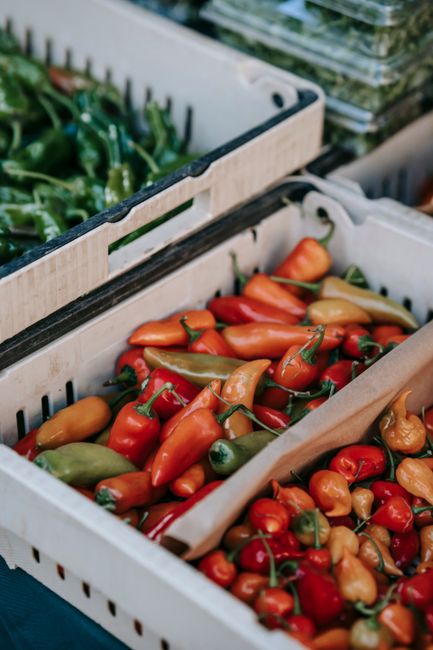
Mercato Esquilino, set around the grand Piazza Vittorio, is one of the most fascinating spots if you’re after a cosmopolitan Rome. Here Roman families meet vendors from the Maghreb, China, India and South America: stalls display spices, rice, nori sheets, exotic vegetables and fish at prices that feel almost underpriced compared to the city center. The atmosphere is lively, sometimes noisy, and absolutely authentic.
A visit here means walking aisles stacked with pak choi, baskets of physalis, ready-made Asian and North African dishes and stands with Italian cold cuts. The contrast between the piazza’s neoclassical facades and the riot of stall colors is almost cinematic. This market is ideal for travelers seeking rare ingredients to cook, or for those wanting to taste international specialties without leaving Rome.
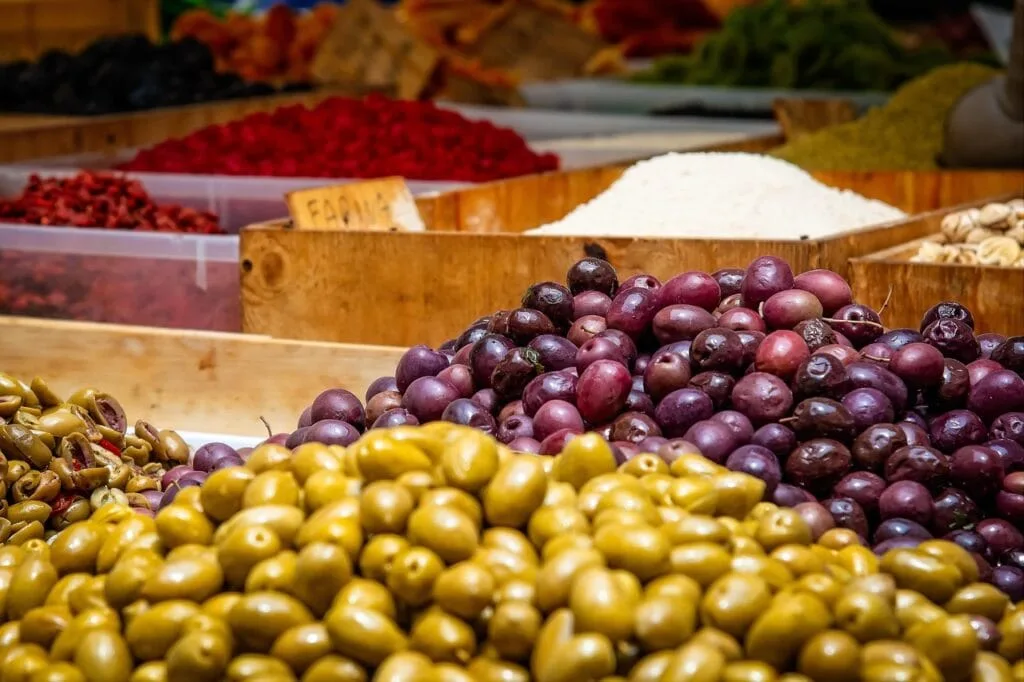
Practical tips: bring a sturdy reusable bag and small plastic bags to separate fruit from wet items; watch peak hours (9:30–11:30) when families do their weekend shopping; keep your valuables close as you would in any crowded market. If you want to buy spices, ask to smell them: most sellers will let you sniff and even taste before you buy. For a quick lunch, look for Pakistani street food stalls or small tents serving authentic kebab — budget about €4–7 for a full meal.
 Click here to book entry and audio guide for Santa Maria Maggiore
Don’t miss
- Fresh fish stall in front of Piazza Vittorio — prices vary with the catch, often very affordable.
- Exotic fruit stalls — mangoes and lychees €2–4 per kilo depending on season.
- Small Indian or Pakistani restaurants in the adjacent alleys — dishes €6–9.

Porta Portese — Trastevere’s Sunday flea market
Full name: Mercato delle Pulci di Porta Portese (Porta Portese flea market)
Address: Via Portuense / Viale Trastevere (market stretches between Piazza Ippolito Nievo and Viale di Trastevere), 00153 Roma RM
Opening hours: Sunday morning 06:00–14:00 (best finds before 10:30)
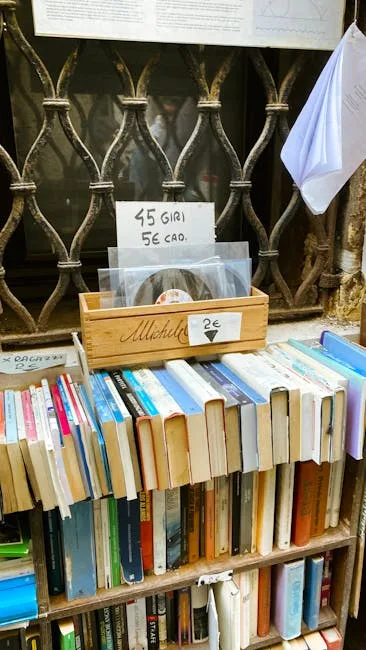
Indicative prices: old books €2–10; vinyl records €5–20; small furniture €20–150; souvenirs vary.
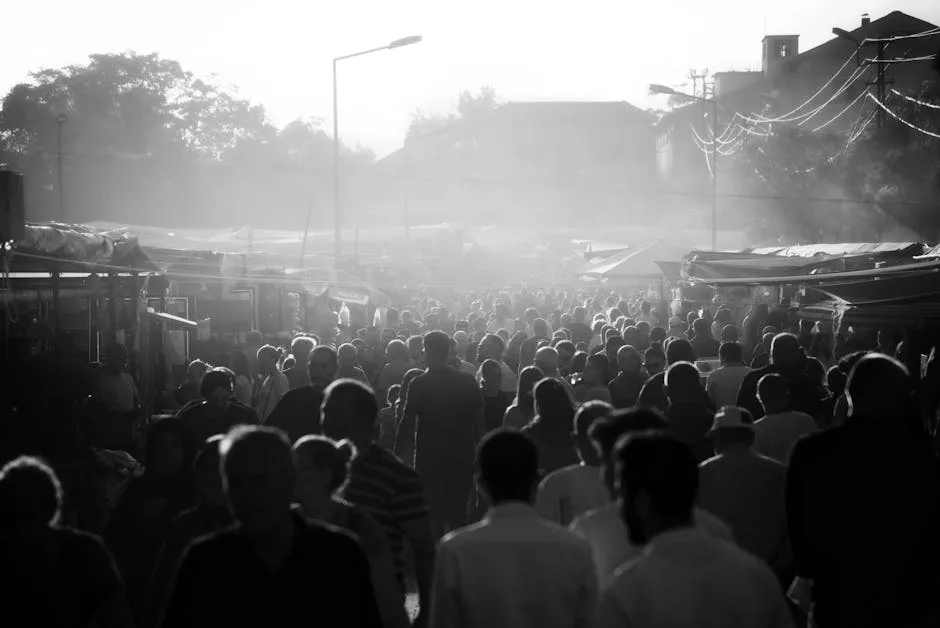
Porta Portese is a genuine Sunday ritual for many Romans. Stretching along Via Portuense and surrounding streets, this flea market is a constant treasure hunt: vintage clothes, home decor, records, comics, yellowed postcards, Art Deco lamps and sometimes real antiques. The atmosphere is bubbling, almost carnival-like, and the market changes week to week.
It’s a place where wandering with no plan is part of the fun. The market draws collectors, bargain hunters on the hunt for rare pieces, families looking for home accessories, and street vendors selling coffee, panini and juices. Though tourists do visit, transactions remain local in feel: there’s a lot of chatting, loud haggling, and bargaining is welcomed when the item allows.
Practical tips: arrive early to beat the heat and get the best picks; wear comfortable shoes and avoid flashy backpacks that attract attention; test electrical items before buying if possible; and be ready to haggle: offering 30–40% less than the asking price is common, but keep your tone friendly. Carry small euro notes—many sellers prefer cash. If you want an authentic snapshot of popular Rome, the alleys of Porta Portese offer lively scenes of visitors, vendors and forgotten treasures.
Buyers’ tip
- If you spot a bulky piece of furniture, ask the seller if they can arrange delivery or for advice on renting a van — many have contacts.
- For books and vinyl, check condition: prices vary a lot based on state.
Mercato di Testaccio — The culinary tradition of the Testaccio neighbourhood
Full name: Mercato di Testaccio (Testaccio Market)
Address: Piazza Testaccio, Via Beniamino Franklin (covered central market and surrounding streets), 00153 Roma RM
Opening hours: Tuesday–Saturday 08:00–15:00 (shop and restaurant hours in the area may extend into the evening)
Indicative prices: porchetta panino €4–6; cold-cut platter €8–15; 1 kg tomatoes €2–3.
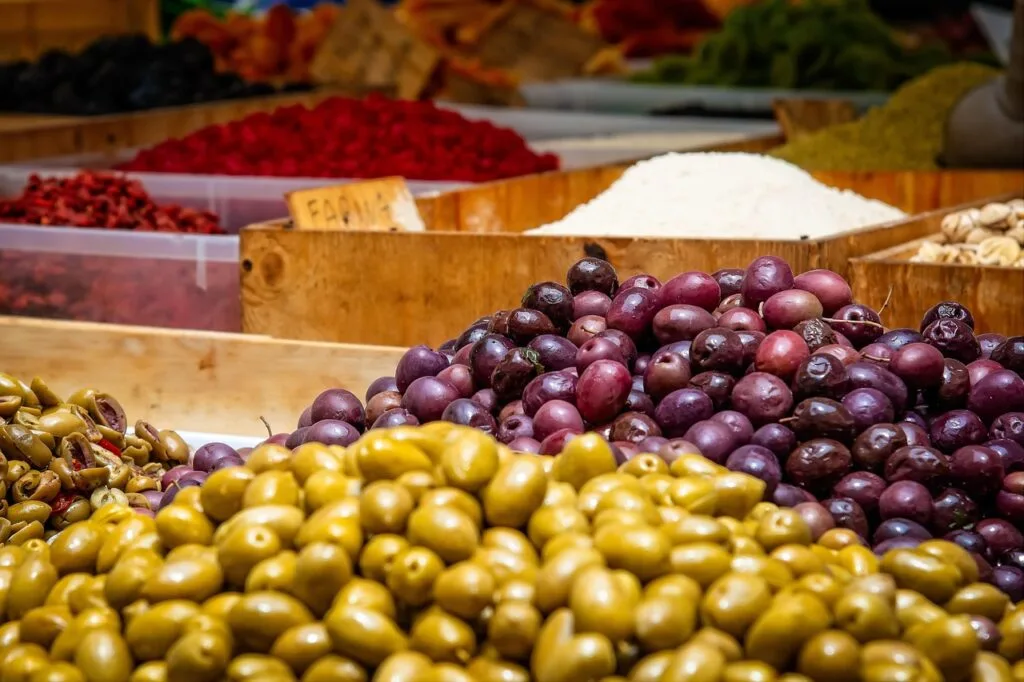
The Testaccio neighborhood is often described as Rome’s kitchen: once an industrial and livestock market area, it’s now a reference point for food lovers. Mercato di Testaccio, set near the main piazza, keeps that identity alive: meat stalls, fishmongers, vegetables, cheeses and several small trattorie or street food stands serving Roman classics. The vibe is less polished than the historic center; you can feel the neighbourhood’s long working-class and culinary history.
Must-tries here include porchetta in a panino, cacio e pepe made to order at a tiny trattoria, and local cheeses. The market is also a great starting point for a post-lunch stroll toward the Museo di Roma in Trastevere or up to the Aventine Hill if you feel like digesting slowly. Vendors are usually accommodating: they’ll slice off a piece of cheese for tasting and happily advise on the best way to cook a cut of meat.
Practical tips: if you want a porchetta panino, go between 11:30 and 13:00; bring hand wipes and napkins — some stands lack eating space; for bigger purchases (olive oil, bottled wine), ask about suitable packaging for transport. Testaccio is also a solid spot for a guided food tour, but going solo will save you money and increase your chances of meeting locals.
Local specialties to prioritize
- Ariccia porchetta — panino €4–6; get it hot and eat it on a bench.
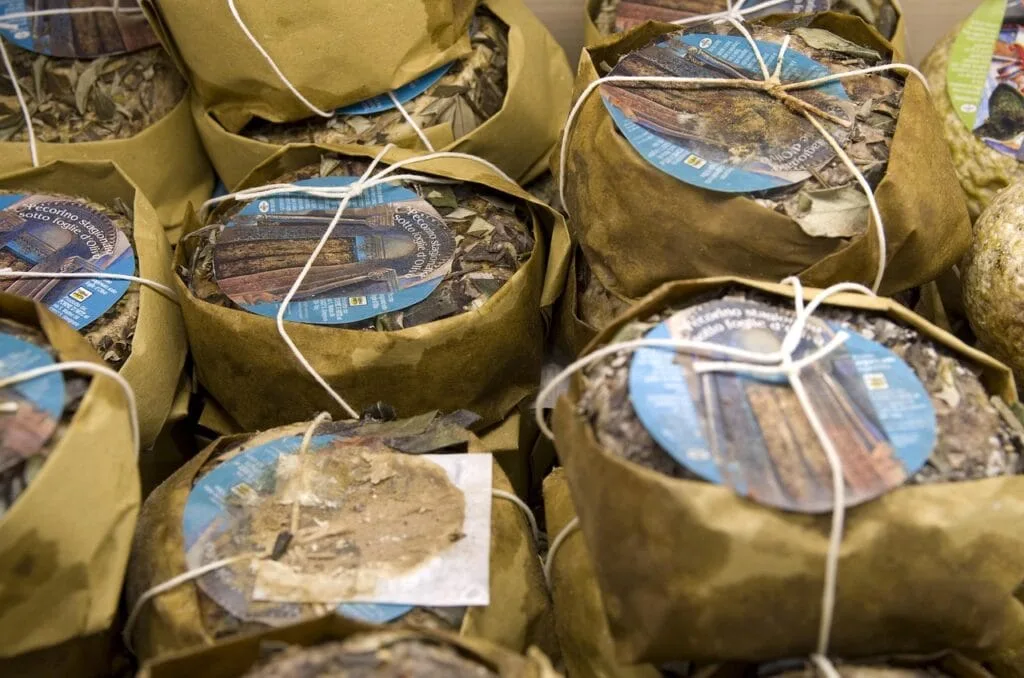
- Aged Pecorino Romano — €8–20 depending on age and weight.
- Local extra virgin olive oil — bottles €5–12 depending on quality and size.
Mercato di San Giovanni (San Giovanni neighbourhood) and local neighbourhood markets
Full name: Mercato rionale di San Giovanni (neighbourhood market near the Basilica di San Giovanni in Laterano)
Address: Piazza di San Giovanni in Laterano / Via Emanuele Filiberto, 00184 Roma RM (market spread across the surrounding streets)
Opening hours: generally Monday–Saturday 07:00–14:00; some stalls and shops stay open in the afternoon
Indicative prices: seasonal vegetables €1–3 per kilo; hot dishes €5–8; coffees €1.00–1.50.
The rionale (neighbourhood) markets like San Giovanni don’t pretend to be attractions; they’re the backbone of daily life. Located a short walk from the Basilica di San Giovanni in Laterano, these markets feed workers, families and local trattorie. Their simplicity is their charm: rows of vegetables grouped by color, fishmongers gutting fish before your eyes, small local cold-cut counters and flower sellers that perfume the air. These markets are perfect for watching Romans do their everyday food shopping.
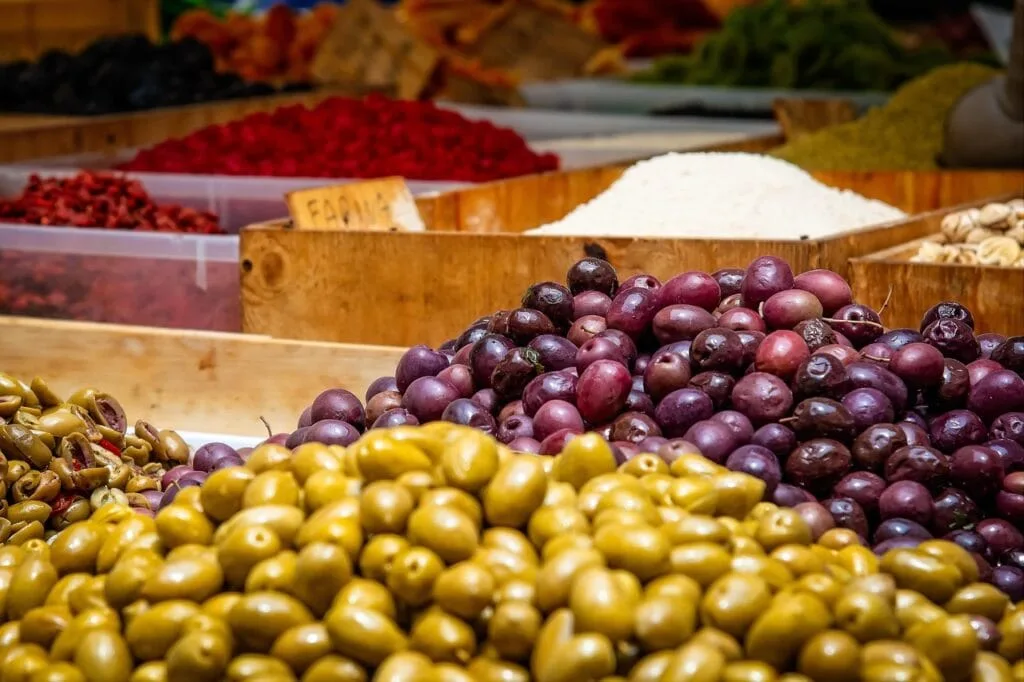
If you plan to cook in your rental, this is where you’ll find fresh ingredients at good prices and often heirloom varieties of tomatoes, squashes and herbs. The area is also an ideal place to take a break after visiting the basilica: sip a coffee at the corner bar (espresso costs about €1.00) and watch the dance of delivery workers and shoppers.
Practical tips: respect queues and adopt local habits — if you buy fragile items, ask for an extra bag; speak a little Italian: a simple “Buongiorno” or “Quanto costa?” is enough to spark a warm exchange. If you’re vegetarian or vegan, look for stalls with legumes and traditional Italian grains: dried chickpeas, farro, lentils — affordable and perfect for easy meals.
Click here to discover the Lateran Palace with audio-guide
How to fit a market visit into your day
- Morning: neighbourhood market to pick up breakfast and ingredients.
- Noon: panino at the market or a local trattoria (budget €6–12).
- Afternoon: stroll to nearby sights (Basilica di San Giovanni, the Baths of Caracalla).
Designer & pop-up markets — Monti and Pigneto
Full name: Mercato Monti Urban Market (Monti) and Pigneto pop-up markets (designer markets)
Addresses: Mercato Monti — Via Leonina 46 (market space and temporary shops), 00184 Roma RM; Pigneto markets — streets around Via del Pigneto and Via Fanfulla da Lodi, 00176 Roma RM (events vary)
Opening hours: Mercato Monti: Saturday and Sunday 10:00–19:00 (seasonal); Pigneto: evening and weekend events vary (check local pages)
Indicative prices: handmade jewelry €20–60; screen-printed t-shirts €15–35; small prints €10–30.
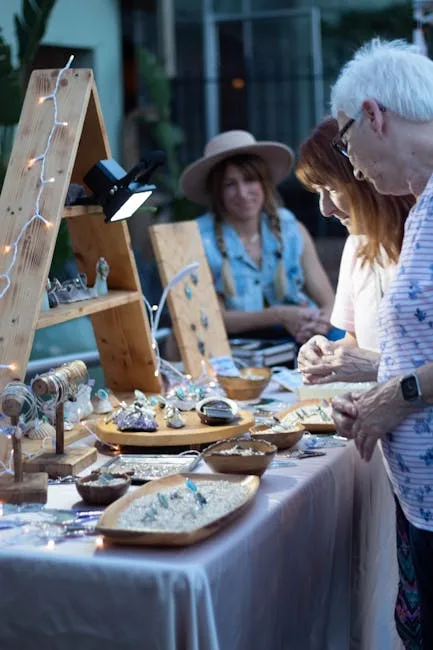
If you’re after contemporary objects, local design and one-off pieces, the Monti and Pigneto markets offer another side of Rome. Monti, close to the Colosseum but tucked away in quiet alleys, has become a meeting point for emerging designers selling upcycled clothing, jewelry made from local materials and handmade stationery. Pigneto, a young, bohemian neighborhood east of Termini station, regularly hosts night markets and events where music, alternative street food and designer stalls collide.
These markets are great for original gifts or to meet the makers and chat about how things are made. The vibe is relaxed, often accompanied by DJ sets or acoustic shows in the evening. Prices reflect craft value: expect to pay more than at food markets but get a durable, quality item in return.
Practical tips: if you buy clothing, try it on when possible — return policies are often non-existent; if you fall in love with a pricier piece, negotiate politely, especially if you purchase several items; for night markets, check online or local social pages (Instagram, Facebook) for dates since events can move.
Click here to book a Colosseum and Ancient Rome tour
Local gift ideas
- Brass necklace with local stones — €30–60.
- Screen-printed neighborhood poster — €15–35.
- Handmade olive oil soap — €6–12.
Conclusion
Exploring Rome’s secret markets is a sensory journey where every stall tells a story. Whether you wander through Mercato Centrale near Termini, dig for treasures at Porta Portese on a Sunday morning, savor a steaming porchetta in Testaccio, or hunt for spices and exotic products at Mercato Esquilino, you’ll touch a living, changing Rome. These markets are laboratories of everyday life: you’ll find the meal of the day, artisan trends, recovered objects and the faces of a city in motion.
Favor slow curiosity: take the time to smell, chat and taste. Carry cash for small purchases, bring reusable bags for shopping, and bring an appetite for surprise finds. Respect local habits — greet when you enter, ask questions politely, and avoid intrusive photos of vendors — and you’ll be welcomed far more warmly. Also remember that opening hours vary by season and public holidays: check official pages or ask your host to avoid unexpected closures.
When planning your route, combine food markets with nearby neighborhoods to fully absorb the atmosphere: a morning market visit, lunch on site, then a stroll through a park or along a historic street. Markets are excellent anchors for making local connections — a passionate stallholder might point you to a tiny neighborhood restaurant that doesn’t appear in any guide. Finally, keep in mind that these markets are always evolving: some stalls disappear, others appear, and new pop-up events can offer unique experiences. Come back, wander and let Rome surprise you again.