





Introduction — Tivoli: a perfect day trip from Rome
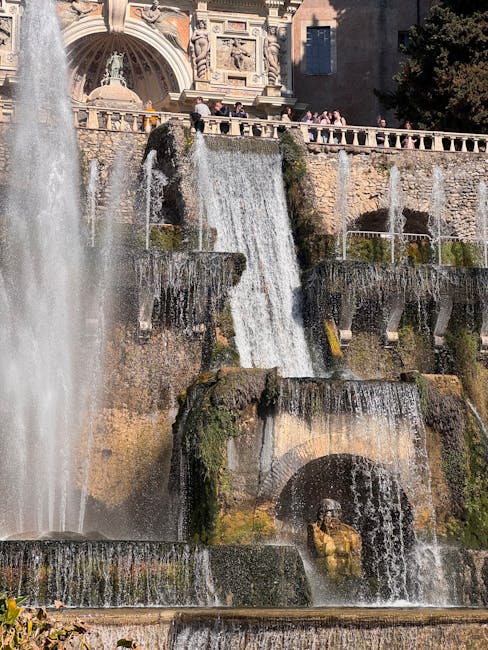
Perched on the hills about 30 kilometres northeast of Rome, Tivoli is one of the most rewarding day trips you can take from the Italian capital. In a single day you can discover ancient villas, Renaissance gardens and dramatic natural viewpoints — a compact mix of history, art and scenery that provides a delightful contrast to Rome’s urban energy. Tivoli is a multisensory experience: singing fountains, mosaics and ancient ruins, shady paths and family-run restaurants serving authentic local dishes.
What makes Tivoli so charming is its variety. Three main sites typically shape a visit: Villa d’Este, a Renaissance gem famed for its fountains; Villa Adriana (Hadrian’s Villa), a vast Roman archaeological complex that testifies to imperial luxury; and Villa Gregoriana, a landscaped park built around waterfalls and gorges for a wilder, more natural feel. Each place has its own character, opening times and admission details that are useful to know in advance so you can make the most of a day here.
You can do this day trip by regional train, bus or car. Trains depart from Roma Tiburtina or Roma Termini to Tivoli station (line FL2 / regional), while Cotral buses connect Ponte Mammolo to Tivoli with regular service. For those who prefer flexibility, taxis or private tours are comfortable (expect to budget more). Whatever transport you choose, planning your day is key: check opening hours, walking times between sites — notably the climb up to Villa d’Este and the descent to Villa Gregoriana — and decide where you want to stop for a traditional lunch.
This comprehensive, practical guide will walk you through a full day trip from Rome. You’ll find exact addresses for the main sites, up-to-date prices in euros, typical opening hours, immersive descriptions of each place, plus practical tips to optimize your time (best times to visit, routes to favour, tricks to avoid queues). We also include transport recommendations and a few local lunch and coffee suggestions. Follow this plan and you’ll turn an ordinary Italian day into a memorable, well-organised experience.
Villa d’Este — the masterpiece of gardens and fountains (Piazza Trento, 5)
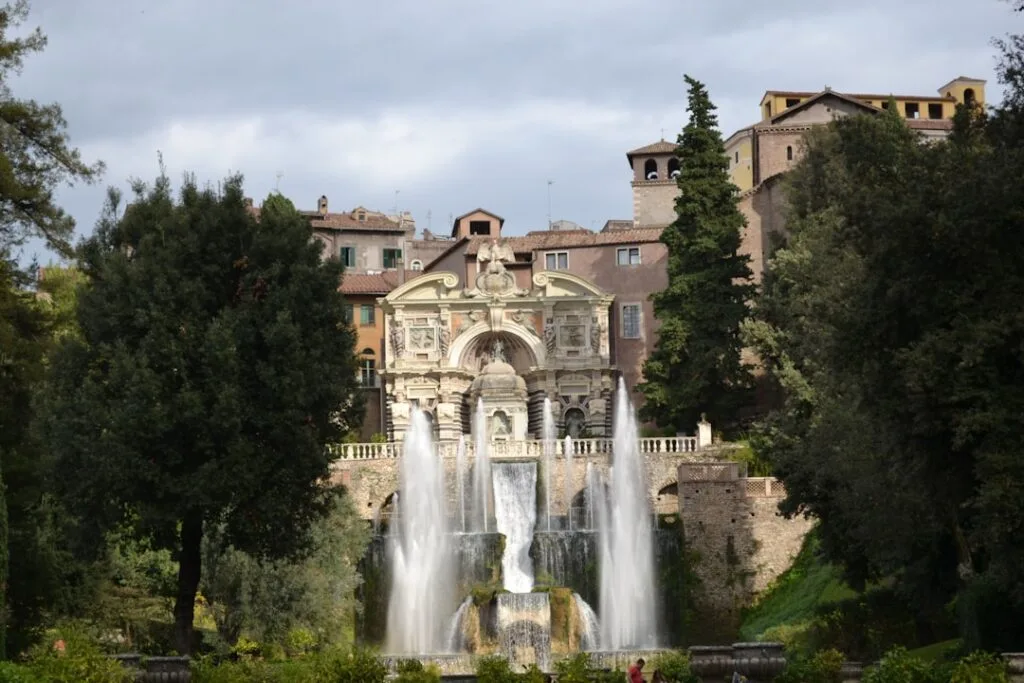
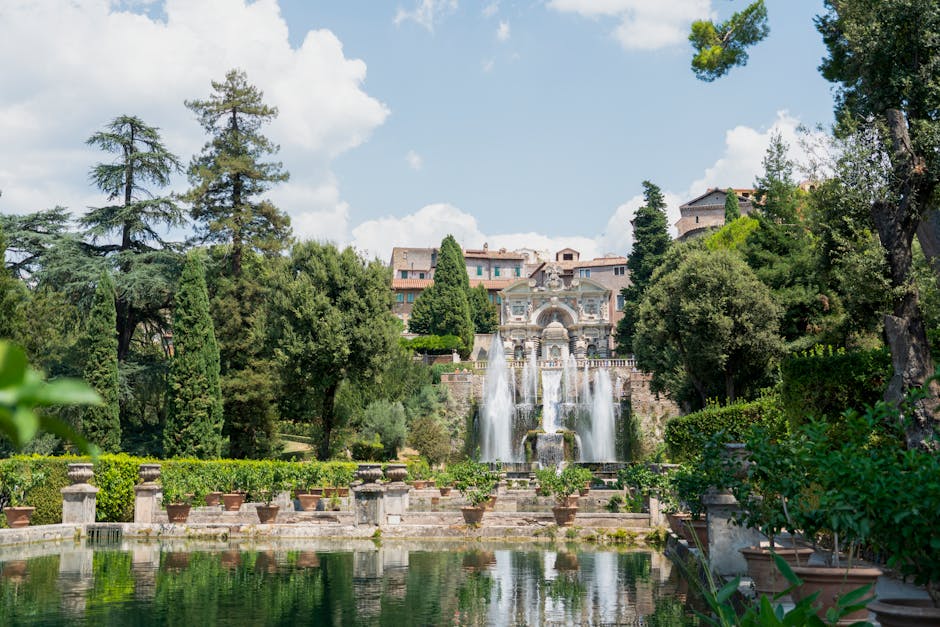
</Villa d’Este is often the first stop on a Tivoli visit because its visual impact is immediate. Address: Villa d’Este, Piazza Trento, 5, 00019 Tivoli RM, Italy. Built in the 16th century for Cardinal Ippolito II d’Este, it’s a UNESCO World Heritage site celebrated for its extraordinary hydraulic park. Walking the paths is a series of surprises: reflecting pools, water features, artificial grottoes, obelisks and an architectural layout that stages perspective and symmetry.
Opening hours: typically Villa d’Este is open from 8:30 to 19:00 (last entry varies by season). It’s strongly recommended to check the latest times on the official website before you go. Admission: full adult ticket around €13.00 (indicative price, reduced fares for students and seniors), possible free entry for very young children and certain categories; check the official site for 2026 concessions. Buying tickets online is recommended to avoid queues, especially in high season (April–October).
Immersive description: as you enter through the main gate you’ll hear water first — murmurs, jets, splashes — before you see the wide terraces. The Fontana dell’Ovato (also called the Organ Fountain) amazes with its hydraulic engineering that once produced music; the Rometta offers a symbolic miniature view of Rome; the grand central staircase leads up to the Cardinal’s Loggia. Take your time to explore each level: symmetry and water control are key to understanding the symbolic power of Renaissance gardens.
Practical tips: arrive early for soft morning light and to beat the midday heat in summer. Wear sturdy shoes — paths include stone slabs and often wet steps. Photographers will appreciate backlit shots in the morning and the golden glow at sunset. Don’t miss the panoramic view from the upper terrace overlooking the Aniene valley and the town of Tivoli.
 Click here to book a skip-the-line ticket for Villa d’Este
Villa Adriana (Hadrian’s Villa) — imperial ruins and Roman scale (Largo Marguerite Yourcenar, 1)
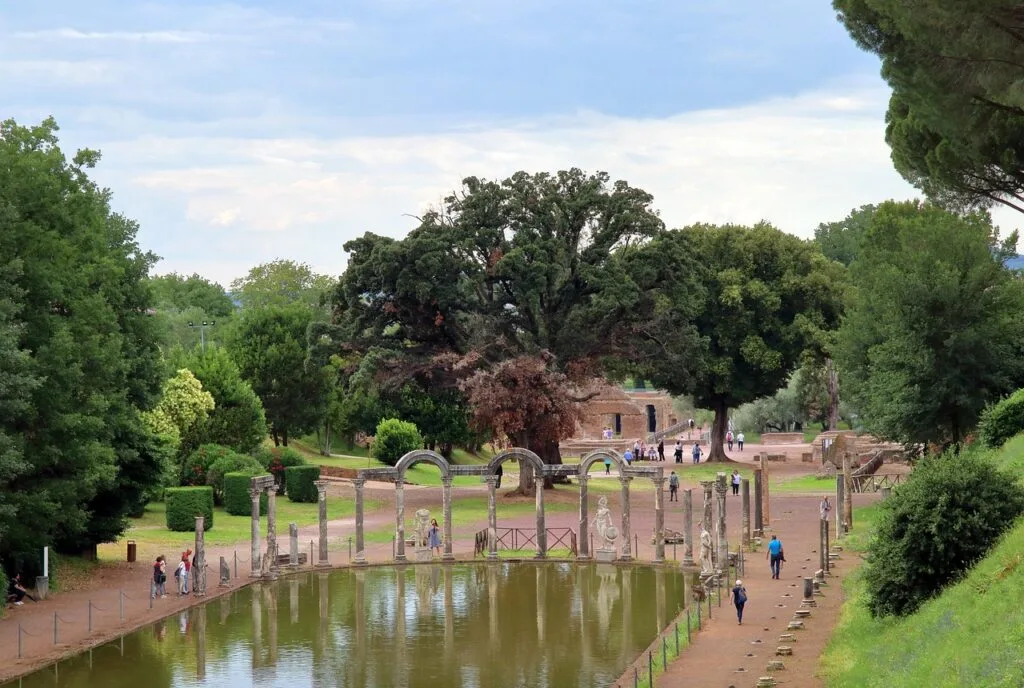
Villa Adriana (Italian: Villa Adriana), the monumental complex founded by Emperor Hadrian, offers a striking contrast to the intimate, artful Villa d’Este. Address: Villa Adriana, Largo Marguerite Yourcenar, 1, 00010 Tivoli RM, Italy. The archaeological ensemble is vast — plan for several kilometres of walking between baths, palaces, libraries and pools. Also a UNESCO World Heritage site, Villa Adriana is an open-air lesson in Roman urbanism and architecture.
Opening hours: generally open from 9:00 to 19:00 (hours vary by season; sometimes it closes earlier in winter). Admission: full price around €10.00 (indicative), with discounts for youth, students and seniors; combined tickets with other archaeological sites are occasionally available. Buying tickets online and checking guided thematic routes (audio guides available) can enrich your visit.
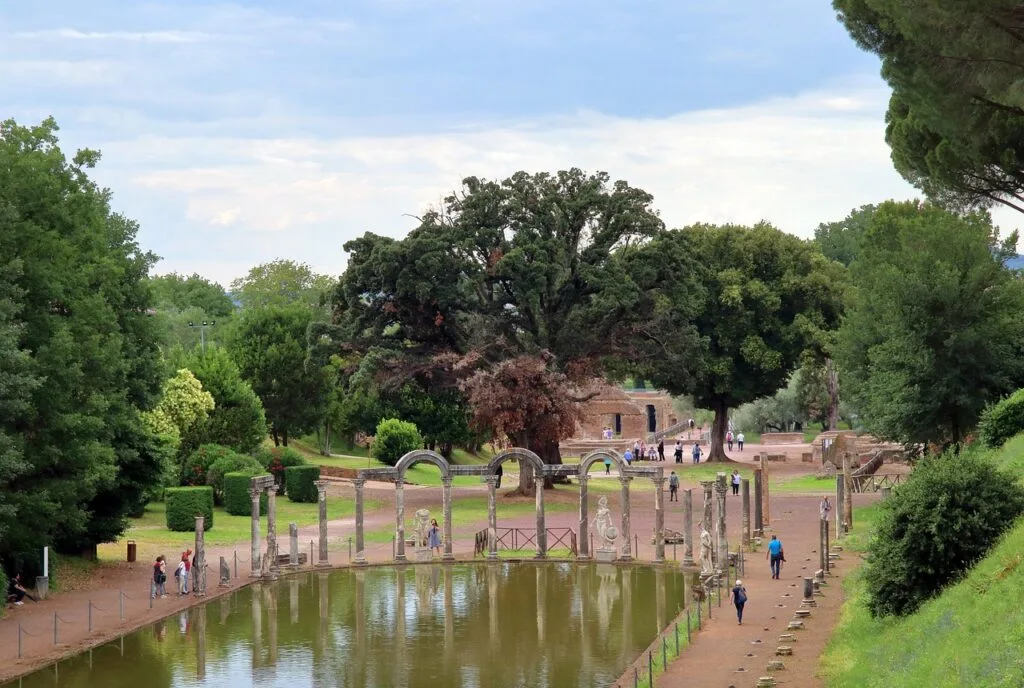
Immersive description: walking through the ruins you sense the project’s monumental scale. The Canopus — a long pool decorated with sculptures — and the Teatro Marittimo, an artificial island surrounded by water where the emperor enjoyed seclusion, are highlights of architectural emotion. The baths in the Oecus quarter show the sophistication of Roman heating and water distribution systems. In places you can still see fragments of mosaics and columns that retain the colour and texture of a prestigious past.
Practical tips: allow at least 2–3 hours for a meaningful visit. Bring water and a hat in summer: exposed areas offer little shade. Paths are uneven; closed shoes are recommended. For archaeology enthusiasts, a guided tour (bookable in advance) or an audio guide will help reveal the site’s urban logic and put the ruins in historical context.
Click here to book a half-day tour to Hadrian’s Villa and Villa d’Este
Villa Gregoriana — gorge, waterfalls and shaded walks (Via Gregoriana, 1)
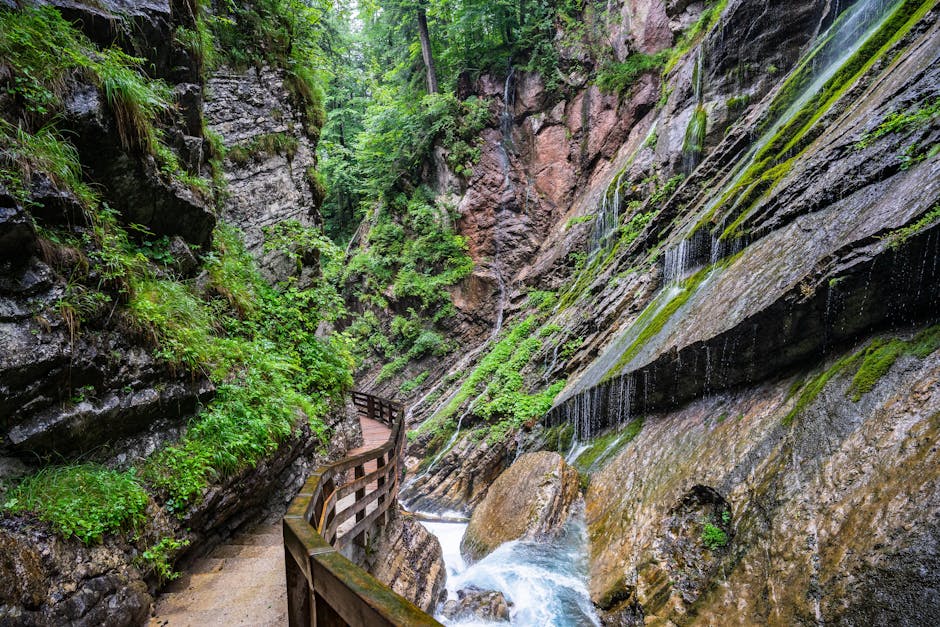
For a more nature-focused escape, Villa Gregoriana is a 19th-century park developed around a spectacular gorge crossed by the Aniene river. Address: Parco Villa Gregoriana, Via Gregoriana, 1, 00019 Tivoli RM, Italy. The park was created under Pope Gregory XVI to protect the town from floods and to enhance nearby ruins. Today it’s where nature and landscape engineering meet: wooded trails, tunnels, viewpoints and the famous waterfall.
Opening hours: the park is usually open from 9:00 to 19:00 (seasonal variations). Admission: the park itself is often free, though there may be a small symbolic fee (€1–3) for certain access points or for the on-site museum; check the signs at the entrance. Access can be restricted in bad weather, especially after heavy rain.
Immersive description: you descend into the gorge on steps lined with moss and roots; the air cools and the smell of earth and moisture replaces urban scents. The waterfall — a dramatic plunge of water — feels like the climax of the walk. The park is dotted with romantic ruins — arches and fragments of structures — that frame the views. Photographers will find perfect compositions here: stone walkways, water jets and backlit foliage.
Practical tips: the visit is family-friendly but note strollers will struggle due to many steps and steep paths. Allow 1.5–2 hours for a thorough exploration. In summer, pick the cooler hours (morning or late afternoon); in winter, check trail access. Villa Gregoriana is close to Villa d’Este, so it’s easy to combine the two on foot.
Click here to buy entrance ticket for Villa Gregoriana
How to plan your day from Rome — transport, timing and suggested route
Planning a day in Tivoli from Rome means balancing logistics with enjoyment. Several options are available:
- Regional train: From Roma Tiburtina (address: Piazza Luigi Arnaldo Vassallo, 00159 Roma RM, Italy) take the FL2 line towards Tivoli (regionale). Travel time: about 30–40 minutes. Price: around €1.50–2.50 for a regional ticket (indicative). Get off at Stazione di Tivoli (Tivoli station). From the station a local bus or a short taxi ride (5–10 minutes) will take you to the historic centre or Villa d’Este.
- Cotral bus: Cotral runs from the Ponte Mammolo metro station (Line B) to Tivoli. Duration: about 40–60 minutes depending on traffic. Price: around €2.20–2.50 (indicative). Buses often drop you near the centre or Piazza Garibaldi.
- Car / taxi: By car or taxi expect 30–50 minutes depending on traffic. Estimated taxi fare: €60–90 one way from central Rome (indicative; agree a price or ask for a fixed fare). Parking in Tivoli is available near the entrances to Villa d’Este and Villa Gregoriana (paid parking).
- Guided tours: Many agencies offer day trips with transport and multilingual guides. Pros: save time and often skip queues; cons: less freedom to wander at your own pace.
Suggested itinerary for the day (one option):
- Leave Rome early (7:30–8:00) to arrive at Villa d’Este for opening (8:30–9:00). Visit Villa d’Este: 1.5–2 hours.
- Short walk or bus to Villa Gregoriana: 1–1.5 hours for a relaxed walk around the gorge and waterfall.
- Lunch in Tivoli’s historic centre (12:30–13:30) — reserve if possible.
- Afternoon at Villa Adriana: 2–3 hours (longer return trip to Rome at the end of the day).
- Return to Rome between 17:00 and 19:00 depending on your pace.
Timing tips: if you can only visit one site, prioritize Villa d’Este in the morning (for the light and cool) and Villa Adriana in the afternoon (softer shadows for photos). To avoid the largest crowds, steer clear of summer weekends and Italian public holidays.

Where to eat, cafés and coffee stops — practical local suggestions
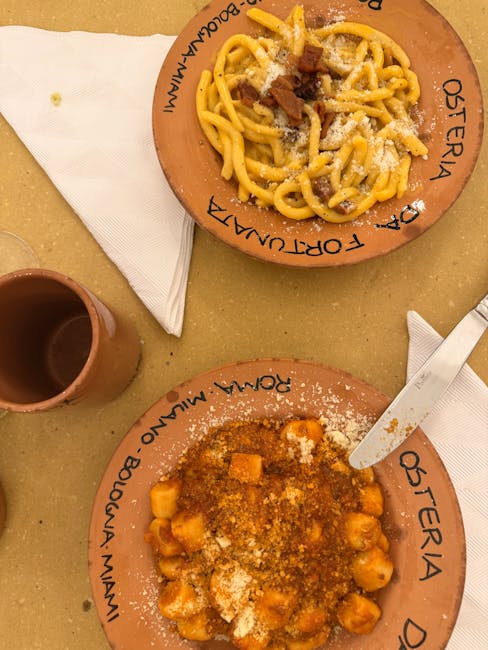
Tivoli has several spots for a bite, from family trattorie to more refined restaurants. Here are a few well-known places where you can enjoy a tasty break. Keep in mind opening hours and menus change, so call ahead or check official pages to reserve.
- Ristorante Sibilla — Address: Via di S. Maria Maggiore, 5, 00019 Tivoli RM, Italy. Description: historic venue with a panoramic terrace overlooking the gorge; specialties: fish dishes, homemade pasta and Roman cuisine. Typical hours: 12:30–15:00 / 19:00–23:00. Prices: mains €15–28.
- Osteria La Briciola — Address: Piazza Campitelli, 7, 00019 Tivoli RM, Italy. Description: cosy little osteria with local cooking and a selected wine list. Hours: 12:00–15:00 / 19:00–22:30. Prices: antipasti €6–10, mains €12–20.
- Caffè Letterario — Address: Piazza Giuseppe Garibaldi, 2, 00019 Tivoli RM, Italy. Description: modern café in the historic centre, great for a cappuccino and a pastry stop. Hours: 08:00–20:00. Prices: espresso €1–1.50, cappuccino €1.50–2.50.
Local tip: try regional dishes like porchetta (seasoned roast pork) or traditional pasta sauces. If you need a quick lunch between visits, look for small trattorie off the main tourist routes — they often offer better value. For a memorable experience, book a terrace table to enjoy views over the valley.
Practical tips, safety and recommendations for a smooth visit
A few recommendations to ensure your Tivoli day goes smoothly:
- Tickets and reservations: buy tickets for Villa d’Este and Villa Adriana online when possible. This will save you time waiting in line, especially in high season (April–October).
- Clothing and footwear: choose comfortable, non-slip shoes. Sites include steps, cobbles and wet areas. In summer wear a hat and sun protection; in winter a windproof jacket is useful near Villa Gregoriana’s gorge.
- Time on site: plan 6–8 hours for a full visit (including travel). If you’re short on time, prioritise Villa d’Este and Villa Adriana.
- Cash: while most places accept cards, carry a little cash for small purchases, local buses or tips.
- Health and safety: obey site rules (don’t enter fenced areas, respect signage). In extreme heat, stay hydrated and take breaks.
- Respect the heritage: don’t touch mosaics or sculptures, respect barriers and use flash-free photography where requested.
Following these tips will help you make the most of your time and comfort while also contributing to the preservation of these historic sites.
Conclusion — why Tivoli is worth a day trip from Rome
Tivoli is more than a side trip from Rome: it’s a place where history, art and nature meet in dramatic fashion. In a well-planned day you can move from the refined Renaissance gardens of Villa d’Este to the monumental remains of Villa Adriana, then descend to breathe fresh air in the gorge of Villa Gregoriana. Each of these three sites reveals a different facet of Italian civilisation — the symbolic power of water in the Renaissance, the technical grandeur of the Roman Empire, and the way landscapes inspired romantic landscape design.
Beyond the monuments, Tivoli offers a welcome break from Rome’s hustle: quiet lanes, neighbourhood cafés and authentic restaurants. For travellers on a tight schedule the easy access from Rome (by train, bus or organised tour) makes it an attractive option. If you have more time, an overnight stay in Tivoli lets you explore local museums, enjoy sunset walks and try a few more culinary experiences.
Preparation is still the key to a successful outing: check hours and prices before you go, buy tickets where possible, leave early for the best light and to avoid crowds. With this practical guide you now have the essential information — exact addresses, indicative prices, usual opening times and local tips — to turn a day in Tivoli into an unforgettable experience. Don’t forget your curiosity, walking shoes and camera: Tivoli awaits with its waters, stones and panoramas.


Villa d’Este — the masterpiece of gardens and fountains (Piazza Trento, 5)
</Villa d’Este is often the first stop on a Tivoli visit because its visual impact is immediate. Address: Villa d’Este, Piazza Trento, 5, 00019 Tivoli RM, Italy. Built in the 16th century for Cardinal Ippolito II d’Este, it’s a UNESCO World Heritage site celebrated for its extraordinary hydraulic park. Walking the paths is a series of surprises: reflecting pools, water features, artificial grottoes, obelisks and an architectural layout that stages perspective and symmetry.
Opening hours: typically Villa d’Este is open from 8:30 to 19:00 (last entry varies by season). It’s strongly recommended to check the latest times on the official website before you go. Admission: full adult ticket around €13.00 (indicative price, reduced fares for students and seniors), possible free entry for very young children and certain categories; check the official site for 2026 concessions. Buying tickets online is recommended to avoid queues, especially in high season (April–October).
Immersive description: as you enter through the main gate you’ll hear water first — murmurs, jets, splashes — before you see the wide terraces. The Fontana dell’Ovato (also called the Organ Fountain) amazes with its hydraulic engineering that once produced music; the Rometta offers a symbolic miniature view of Rome; the grand central staircase leads up to the Cardinal’s Loggia. Take your time to explore each level: symmetry and water control are key to understanding the symbolic power of Renaissance gardens.
Practical tips: arrive early for soft morning light and to beat the midday heat in summer. Wear sturdy shoes — paths include stone slabs and often wet steps. Photographers will appreciate backlit shots in the morning and the golden glow at sunset. Don’t miss the panoramic view from the upper terrace overlooking the Aniene valley and the town of Tivoli.
Click here to book a skip-the-line ticket for Villa d’Este
Villa Adriana (Hadrian’s Villa) — imperial ruins and Roman scale (Largo Marguerite Yourcenar, 1)
Villa Adriana (Italian: Villa Adriana), the monumental complex founded by Emperor Hadrian, offers a striking contrast to the intimate, artful Villa d’Este. Address: Villa Adriana, Largo Marguerite Yourcenar, 1, 00010 Tivoli RM, Italy. The archaeological ensemble is vast — plan for several kilometres of walking between baths, palaces, libraries and pools. Also a UNESCO World Heritage site, Villa Adriana is an open-air lesson in Roman urbanism and architecture.
Opening hours: generally open from 9:00 to 19:00 (hours vary by season; sometimes it closes earlier in winter). Admission: full price around €10.00 (indicative), with discounts for youth, students and seniors; combined tickets with other archaeological sites are occasionally available. Buying tickets online and checking guided thematic routes (audio guides available) can enrich your visit.
Immersive description: walking through the ruins you sense the project’s monumental scale. The Canopus — a long pool decorated with sculptures — and the Teatro Marittimo, an artificial island surrounded by water where the emperor enjoyed seclusion, are highlights of architectural emotion. The baths in the Oecus quarter show the sophistication of Roman heating and water distribution systems. In places you can still see fragments of mosaics and columns that retain the colour and texture of a prestigious past.
Practical tips: allow at least 2–3 hours for a meaningful visit. Bring water and a hat in summer: exposed areas offer little shade. Paths are uneven; closed shoes are recommended. For archaeology enthusiasts, a guided tour (bookable in advance) or an audio guide will help reveal the site’s urban logic and put the ruins in historical context.
Click here to book a half-day tour to Hadrian’s Villa and Villa d’Este
Villa Gregoriana — gorge, waterfalls and shaded walks (Via Gregoriana, 1)
For a more nature-focused escape, Villa Gregoriana is a 19th-century park developed around a spectacular gorge crossed by the Aniene river. Address: Parco Villa Gregoriana, Via Gregoriana, 1, 00019 Tivoli RM, Italy. The park was created under Pope Gregory XVI to protect the town from floods and to enhance nearby ruins. Today it’s where nature and landscape engineering meet: wooded trails, tunnels, viewpoints and the famous waterfall.
Opening hours: the park is usually open from 9:00 to 19:00 (seasonal variations). Admission: the park itself is often free, though there may be a small symbolic fee (€1–3) for certain access points or for the on-site museum; check the signs at the entrance. Access can be restricted in bad weather, especially after heavy rain.
Immersive description: you descend into the gorge on steps lined with moss and roots; the air cools and the smell of earth and moisture replaces urban scents. The waterfall — a dramatic plunge of water — feels like the climax of the walk. The park is dotted with romantic ruins — arches and fragments of structures — that frame the views. Photographers will find perfect compositions here: stone walkways, water jets and backlit foliage.
Practical tips: the visit is family-friendly but note strollers will struggle due to many steps and steep paths. Allow 1.5–2 hours for a thorough exploration. In summer, pick the cooler hours (morning or late afternoon); in winter, check trail access. Villa Gregoriana is close to Villa d’Este, so it’s easy to combine the two on foot.
Click here to buy entrance ticket for Villa Gregoriana
How to plan your day from Rome — transport, timing and suggested route
Planning a day in Tivoli from Rome means balancing logistics with enjoyment. Several options are available:
- Regional train: From Roma Tiburtina (address: Piazza Luigi Arnaldo Vassallo, 00159 Roma RM, Italy) take the FL2 line towards Tivoli (regionale). Travel time: about 30–40 minutes. Price: around €1.50–2.50 for a regional ticket (indicative). Get off at Stazione di Tivoli (Tivoli station). From the station a local bus or a short taxi ride (5–10 minutes) will take you to the historic centre or Villa d’Este.
- Cotral bus: Cotral runs from the Ponte Mammolo metro station (Line B) to Tivoli. Duration: about 40–60 minutes depending on traffic. Price: around €2.20–2.50 (indicative). Buses often drop you near the centre or Piazza Garibaldi.
- Car / taxi: By car or taxi expect 30–50 minutes depending on traffic. Estimated taxi fare: €60–90 one way from central Rome (indicative; agree a price or ask for a fixed fare). Parking in Tivoli is available near the entrances to Villa d’Este and Villa Gregoriana (paid parking).
- Guided tours: Many agencies offer day trips with transport and multilingual guides. Pros: save time and often skip queues; cons: less freedom to wander at your own pace.
Suggested itinerary for the day (one option):
- Leave Rome early (7:30–8:00) to arrive at Villa d’Este for opening (8:30–9:00). Visit Villa d’Este: 1.5–2 hours.
- Short walk or bus to Villa Gregoriana: 1–1.5 hours for a relaxed walk around the gorge and waterfall.
- Lunch in Tivoli’s historic centre (12:30–13:30) — reserve if possible.
- Afternoon at Villa Adriana: 2–3 hours (longer return trip to Rome at the end of the day).
- Return to Rome between 17:00 and 19:00 depending on your pace.
Timing tips: if you can only visit one site, prioritize Villa d’Este in the morning (for the light and cool) and Villa Adriana in the afternoon (softer shadows for photos). To avoid the largest crowds, steer clear of summer weekends and Italian public holidays.
Where to eat, cafés and coffee stops — practical local suggestions
Tivoli has several spots for a bite, from family trattorie to more refined restaurants. Here are a few well-known places where you can enjoy a tasty break. Keep in mind opening hours and menus change, so call ahead or check official pages to reserve.
- Ristorante Sibilla — Address: Via di S. Maria Maggiore, 5, 00019 Tivoli RM, Italy. Description: historic venue with a panoramic terrace overlooking the gorge; specialties: fish dishes, homemade pasta and Roman cuisine. Typical hours: 12:30–15:00 / 19:00–23:00. Prices: mains €15–28.
- Osteria La Briciola — Address: Piazza Campitelli, 7, 00019 Tivoli RM, Italy. Description: cosy little osteria with local cooking and a selected wine list. Hours: 12:00–15:00 / 19:00–22:30. Prices: antipasti €6–10, mains €12–20.
- Caffè Letterario — Address: Piazza Giuseppe Garibaldi, 2, 00019 Tivoli RM, Italy. Description: modern café in the historic centre, great for a cappuccino and a pastry stop. Hours: 08:00–20:00. Prices: espresso €1–1.50, cappuccino €1.50–2.50.
Local tip: try regional dishes like porchetta (seasoned roast pork) or traditional pasta sauces. If you need a quick lunch between visits, look for small trattorie off the main tourist routes — they often offer better value. For a memorable experience, book a terrace table to enjoy views over the valley.
Practical tips, safety and recommendations for a smooth visit
A few recommendations to ensure your Tivoli day goes smoothly:
- Tickets and reservations: buy tickets for Villa d’Este and Villa Adriana online when possible. This will save you time waiting in line, especially in high season (April–October).
- Clothing and footwear: choose comfortable, non-slip shoes. Sites include steps, cobbles and wet areas. In summer wear a hat and sun protection; in winter a windproof jacket is useful near Villa Gregoriana’s gorge.
- Time on site: plan 6–8 hours for a full visit (including travel). If you’re short on time, prioritise Villa d’Este and Villa Adriana.
- Cash: while most places accept cards, carry a little cash for small purchases, local buses or tips.
- Health and safety: obey site rules (don’t enter fenced areas, respect signage). In extreme heat, stay hydrated and take breaks.
- Respect the heritage: don’t touch mosaics or sculptures, respect barriers and use flash-free photography where requested.
Following these tips will help you make the most of your time and comfort while also contributing to the preservation of these historic sites.
Conclusion — why Tivoli is worth a day trip from Rome
Tivoli is more than a side trip from Rome: it’s a place where history, art and nature meet in dramatic fashion. In a well-planned day you can move from the refined Renaissance gardens of Villa d’Este to the monumental remains of Villa Adriana, then descend to breathe fresh air in the gorge of Villa Gregoriana. Each of these three sites reveals a different facet of Italian civilisation — the symbolic power of water in the Renaissance, the technical grandeur of the Roman Empire, and the way landscapes inspired romantic landscape design.
Beyond the monuments, Tivoli offers a welcome break from Rome’s hustle: quiet lanes, neighbourhood cafés and authentic restaurants. For travellers on a tight schedule the easy access from Rome (by train, bus or organised tour) makes it an attractive option. If you have more time, an overnight stay in Tivoli lets you explore local museums, enjoy sunset walks and try a few more culinary experiences.
Preparation is still the key to a successful outing: check hours and prices before you go, buy tickets where possible, leave early for the best light and to avoid crowds. With this practical guide you now have the essential information — exact addresses, indicative prices, usual opening times and local tips — to turn a day in Tivoli into an unforgettable experience. Don’t forget your curiosity, walking shoes and camera: Tivoli awaits with its waters, stones and panoramas.