





Introduction
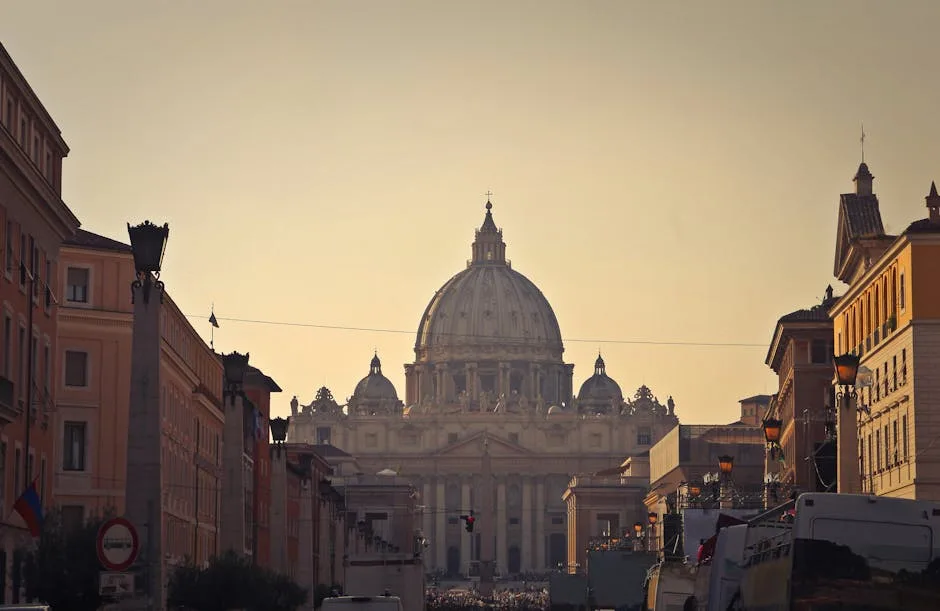
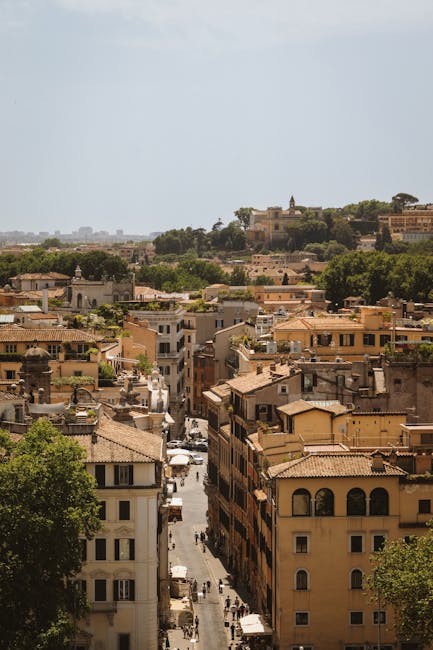
Rome is a city where religious history is written into every cobble, where bell towers and domes dominate the skyline as spiritual and artistic landmarks. For the traveler on foot, following a religious route through Rome is an immersive experience: sanctuaries, basilicas, chapels and piazzas tell a story that spans eras—from ancient martyrs to Renaissance popes—and reveal the close ties between faith, art and everyday Roman life. This article presents a selection of essential religious walking routes in Rome, designed to be doable on foot, full of discoveries and complementary to one another—whether you have a morning at the Vatican or an afternoon wandering historic neighborhoods like the rione Monti, Trastevere and Campo de’ Fiori.
Walking in Rome is also about savoring the little details: a facade carved with a baroque bas-relief, a Byzantine mosaic catching the morning light, a discreet fresco tucked behind a side chapel. The suggested routes include precise practical information: exact addresses, opening hours and prices in euros, visitor tips and local tricks to avoid queues or reach lesser-known viewpoints. They emphasize the sensory experience—hearing sandals scrape along the Via Sacra, smelling the wax of candles in a basilica, watching golden light filter through stained glass—turning a simple visit into a contemplative stroll.
Beyond the big-name sites, these routes offer detours to quieter yet equally moving places: small medieval churches, silent crypts, hidden oratories. They are designed for all paces—leisurely walkers, hurried pilgrims or visitors who want to combine religious heritage with coffee breaks in authentic neighborhoods. Each section includes practical advice on dress code (strict in sacred places), time management in high season, and the best hours for photography. The itineraries also take safety, pedestrian signage and alternatives into account in case of unexpected closures or religious ceremonies.
Whether you’re a believer seeking quiet reflection, a fan of sacred art, a photographer drawn to light and shadow, or simply a curious traveler, these religious walks in Rome will give you the keys to explore the city with depth and calm. Lace up your walking shoes, bring a scarf to cover your shoulders if needed, and let yourself be guided through the spiritual soul of the Capital: from the monumental domes of the Vatican to the sunlit lanes of Trastevere, every step tells part of Rome’s story.

Route 1: At the Heart of Catholicism — St. Peter’s Basilica, the Vatican Museums and the Sistine Chapel
This route focuses on Rome’s most famous religious complex: Vatican City. Start early in the morning to enjoy a quieter atmosphere and avoid long queues. St. Peter’s Square, flanked by Gian Lorenzo Bernini’s monumental colonnade, is the gateway to the route.
St. Peter’s Basilica (Basilica di San Pietro)
Address: Piazza San Pietro, 00120 Città del Vaticano (Vatican City).
Opening hours: usually 07:00–19:00 from April to September, 07:00–18:30 from October to March (times can change for papal ceremonies).
Price: free entry to the basilica; dome access: elevator + stairs €10.00 / stairs only €8.00 (indicative prices, payable on site).
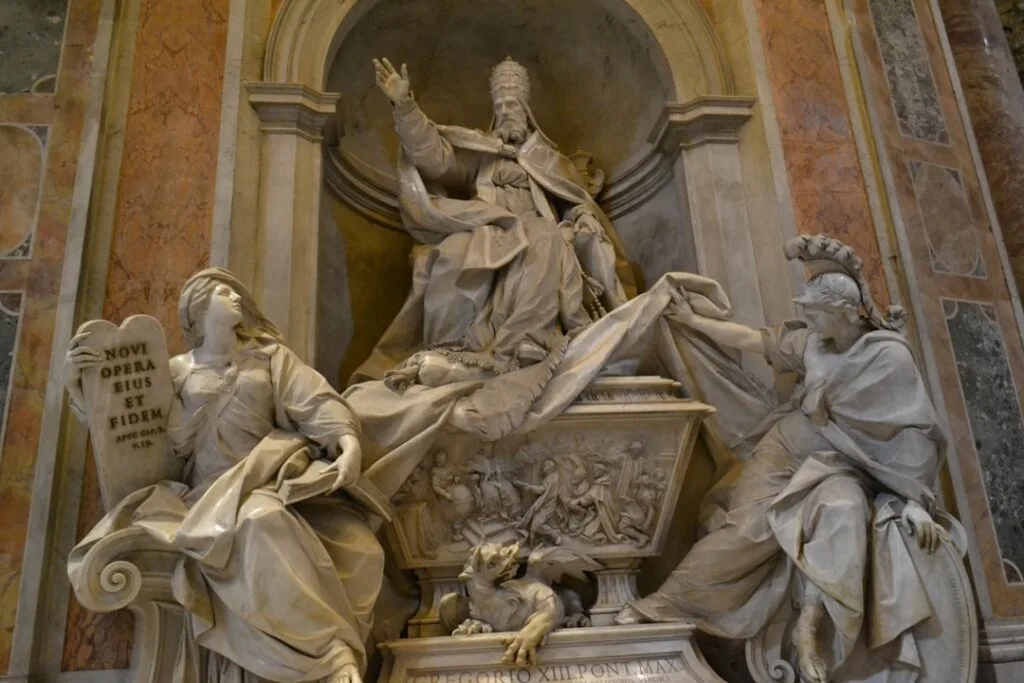
Description: The basilica’s interior impresses with its colossal proportions, polychrome marbles and Michelangelo’s Pietà near the right entrance. Walk beneath Michelangelo’s dome to admire the mosaic floor and climb up to the terrace for panoramic views over Rome and St. Peter’s Square after ascending the dome steps.

Vatican Museums (Musei Vaticani) and the Sistine Chapel (Cappella Sistina)
Address: Viale Vaticano, 00165 Roma RM, Italy.
Opening hours: generally 09:00–18:00 Monday to Saturday, last entry 16:00. Closed on Sundays except the last Sunday of the month (free entry 09:00–14:00; museums close at 14:00).
Price: standard online ticket around €17.00 + reservation fee €4.00 (total ≈ €21.00); reduced rates for youth/students under conditions; audio guides and guided tours at varying prices (≈ €30–40 for private tours).
Description: The collections span art from Antiquity to the Renaissance: Tapestry Rooms, Gallery of Maps, the Candelabra Gallery, culminating in the Sistine Chapel—Michelangelo’s masterpiece. The Sistine Chapel can be very crowded; take your time to appreciate the Last Judgment on the altar wall and the narrative ceiling scenes of Genesis. Dimmed lighting and the prohibition of photography inside the chapel enhance the sacred atmosphere.
Practical tips: book Vatican Museum tickets online several days in advance (especially in high season). Arrive before 09:00 if you want quicker access to the basilica and to enjoy the morning stillness. Respect the strict dress code (shoulders and knees covered). To climb the dome, prefer morning or late afternoon; the view is especially beautiful at sunset. Avoid large bags: security checks are systematic.
 Click here to book your Vatican Museums and Sistine Chapel tickets
Click here to reserve a guided tour of St. Peter’s Basilica
Click here to book Vatican Museums and Sistine Chapel tickets
Click here to reserve a guided tour of St. Peter’s Basilica

Route 2: Papal Rome of Old — St. John Lateran and the Holy Stairs (Scala Sancta)
After the Vatican, head to the official cathedral of the Bishop of Rome: the Papal Basilica of St. John Lateran (Basilica Papale di San Giovanni in Laterano). This route immerses you in the institutional and historical role of the Church in Rome, away from the Vatican’s tourist glitz.
Papal Basilica of St. John Lateran (Basilica Papale di San Giovanni in Laterano)
Address: Piazza di San Giovanni in Laterano, 4, 00184 Roma RM.
Opening hours: generally 07:00–18:00 (office hours and visiting times may vary with liturgical events).
Price: free entry to the basilica; entrance to the cloister and the archiepiscopal museums is paid (variable rates, around €6.00–8.00).
Description: San Giovanni in Laterano is the pope’s cathedral and predates St. Peter’s as the official episcopal seat. Its baroque façade and richly decorated interior, with ancient mosaics in the apse, reflect the evolution of sacred art. Don’t miss the Holy Stairs, the papal loggia and the medieval cloister. The esplanade often provides moments of contemplation away from the crowds.

Scala Santa (Holy Stairs, Scala Sancta)
Address: Scala Santa, Scala Sancta, Piazza di San Giovanni in Laterano, 00184 Roma RM (adjacent to the basilica).
Opening hours: usually 07:00–18:00, depending on prayer times; sometimes closed for maintenance. Check before visiting.
Price: voluntary donation or a small contribution for access to the chapel and to climb on your knees (if practiced); adjoining museum and chapel may require a ticket (≈ €3.00–5.00).
Description: According to tradition, the Scala Santa is made up of the 28 steps Jesus climbed during his trial before Pilate and were brought to Rome from Jerusalem. Pilgrims often climb them on their knees as an act of penance. The atmosphere here is particularly hushed; the stair chamber is kept dim to preserve its sacred character. Take a few minutes to sit in the nearby chapel and observe the ex-votos and frescoes.
Practical tips: wear comfortable shoes to enjoy the area around the Lateran and the Caelian Hill. The site is less crowded than the Vatican, making it ideal for contemplative visits. If you plan to climb the Scala Sancta on your knees, respect the tradition and the sobriety of the act; otherwise you can view it from adjacent access areas. Liturgical offices may restrict access to parts of the basilica—check mass times on the official site or at the entrance.
Click here to discover the Lateran Palace with an audio guide
Click here to explore the Lateran Palace with an audio guide
Route 3: Byzantine Mosaics and Marian Treasures — Santa Maria Maggiore and the Churches along the Sacred Way
This route centers on one of Rome’s four major basilicas: Santa Maria Maggiore. From there, wander to Marian sites, Byzantine mosaics and several lesser-known chapels that reveal the depth of Marian devotion in Rome.
Basilica of Santa Maria Maggiore (Basilica di Santa Maria Maggiore)
Address: Piazza di Santa Maria Maggiore, 42, 00185 Roma RM.
Opening hours: typically 07:00–19:00 (times may vary with celebrations).
Price: free entry to the basilica; some museums and the crypt may charge a small fee (≈ €5.00–7.00).
Description: Santa Maria Maggiore houses 5th-century mosaics in the apse, a magnificent gilded wooden ceiling commissioned under 16th-century papal patronage, and the famous Crypt of St. Matthew. Marian iconography is everywhere: look for Nativity scenes and depictions of the Virgin in the mosaics. The use of gold and the bright interior create an almost Byzantine atmosphere.

Continuing on foot, head to San Pietro in Vincoli (St. Peter in Chains). Address: Piazza San Pietro in Vincoli, 4A, 00184 Roma RM. Opening hours: generally 07:30–12:30 and 15:00–19:00. Price: free entry (donations recommended for upkeep). The main attraction is Michelangelo’s statue of Moses, the sculptural centerpiece of Pope Julius II’s tomb.
Description: San Pietro in Vincoli offers a more intimate interior than the major basilicas. Michelangelo’s Moses astonishes with its expressiveness and anatomical detail. Take time to look at the chains (vincoli) said to have bound Saint Peter, displayed in a reliquary. The combination of art and relics makes the visit both aesthetically and spiritually rewarding.
Practical tips: the area around Santa Maria Maggiore is convenient for a coffee break in small trattorias or to shop for icons and religious items in artisanal boutiques. The neighborhood is well served by the metro (Cavour station on Line B) if you need to shorten the walk. For photography, the apse of Santa Maria Maggiore produces a beautiful golden light in the afternoon.
Click here to book your ticket for Santa Maria Maggiore
Click here to book your ticket for Santa Maria Maggiore

Route 4: From the Pantheon to Trastevere — Baroque Churches, Secret Oratories and Parish Life
This route mixes tourist classics with local gems: the Pantheon (best visited early), then a walk through historic lanes toward Campo de’ Fiori and Trastevere, where parish life blends with everyday energy. It’s an ideal late-afternoon route when golden light enhances facades and the piazzas come alive.
Pantheon
Address: Piazza della Rotonda, 00186 Roma RM.
Opening hours: usually 09:00–19:00 (last entry 18:45); hours may vary for religious celebrations.
Price: paid entry (indicative price ≈ €5.00 for monument access).
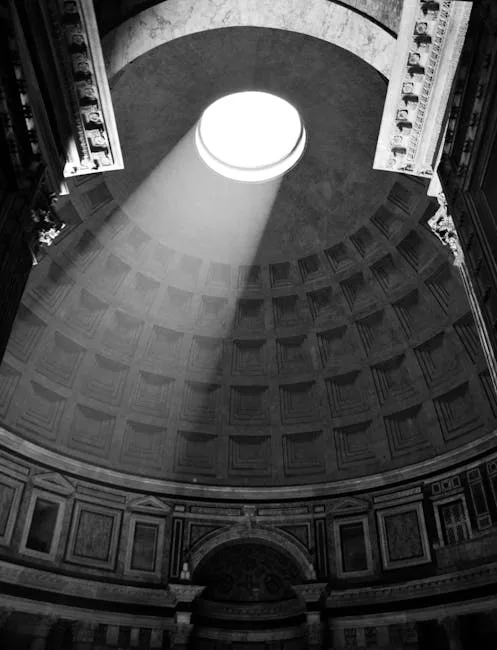
Description: Although originally a pagan temple, the Pantheon became the church of Santa Maria ad Martyres and houses royal tombs and the tomb of painter Raphael. The impressive dome with its central oculus pours majestic light in a circular pattern onto the floor. Outside, the Piazza della Rotonda has terraces perfect for people-watching.
From the Pantheon, walk to Campo de’ Fiori (Piazza Campo de’ Fiori, 00186 Roma RM): the morning market runs from about 07:00–14:00 and the square is full of lively exchanges. Not far away is Santa Maria sopra Minerva (Piazza della Minerva, 42, 00186 Roma RM), typically open 09:00–18:00. This Gothic church houses frescoes and Michelangelo’s statue of the dead Christ; it offers a quieter, more intimate atmosphere.
Continue toward the picturesque neighborhood of Trastevere by crossing the Tiber on foot via the Ponte Sisto, then follow the alleys to the Basilica of Santa Maria in Trastevere (Basilica di Santa Maria in Trastevere).
Address: Piazza di Santa Maria in Trastevere, 00153 Roma RM.
Opening hours: generally 09:00–20:00 (hours may vary).
Price: free entry; donations of about €1–3 for conservation are recommended.
Description: Santa Maria in Trastevere is famed for its 12th-century golden mosaics and lively atmosphere. The church forecourt is a local meeting point, and the surrounding lanes are full of small chapels, oratories and parish churches with surprising decorations. In the evening, cafés and restaurants animate the square, creating a lovely transition between the sacred and the everyday.
Practical tips: wear non-slip shoes—the cobbles can be slippery after rain. Trastevere is perfect for dinner after your religious walk; favor places frequented by locals for authentic Roman cuisine. Check service times: some churches host sacred music concerts in the evening, a beautiful way to experience the acoustics of these spaces.
Click here to book the guided visit to the Pantheon and entrance ticket
Click here to book the guided visit to the Pantheon


Route 5: Lesser-Known Paths — Crypts, Catacombs and Parish Churches Off the Beaten Track
For travelers who want a deeper spiritual exploration away from the crowds, this route suggests crypts, catacombs and parish churches often overlooked by traditional itineraries. These places convey a sense of solitude and authenticity and help explain the funerary and communal dimension of Roman Christianity.
Catacombs of St. Sebastian (Catacombe di San Sebastiano)
Address: Via Appia Antica, 136, 00179 Roma RM.
Opening hours: 09:00–12:00 and 15:00–18:00 (seasonal hours; guided visits recommended).
Price: guided tour about €8.00–10.00 (indicative rates); combine with a visit to the ancient Appian archaeological park.
Description: The catacombs reveal Rome’s underground world of early Christians, with tombs, frescoes and inscriptions. The atmosphere is cool and contemplative. Opt for a guided tour to understand the funerary system and iconography.
Click here to book a guided tour of the Catacombs of St. Sebastian
Click here to book a guided tour of the Catacombs of St. Sebastian
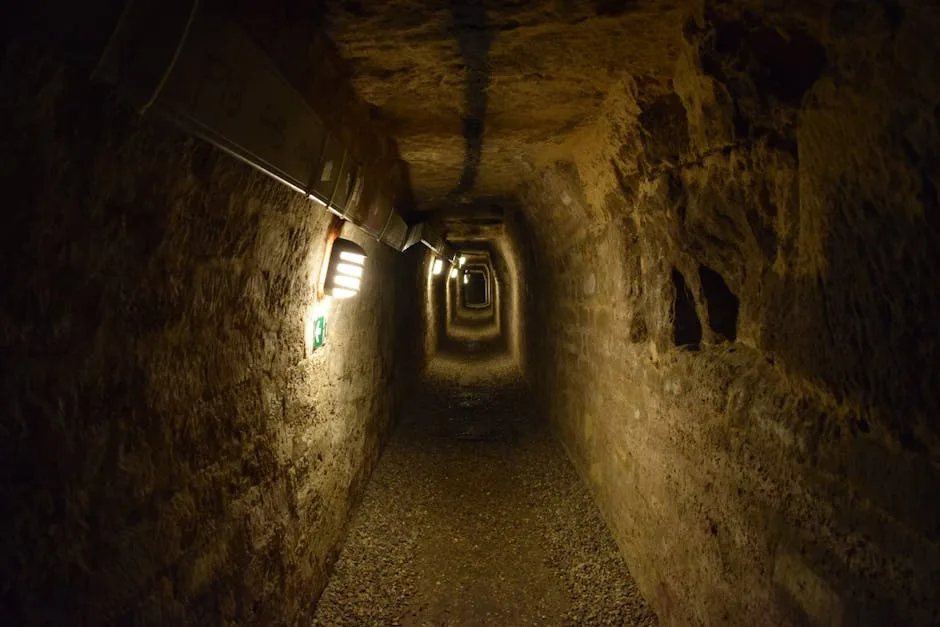
Crypta Balbi and Small Churches of the Campus Martius
Crypts and tiny oratories dot the historic center: the Crypta Balbi (Museo Nazionale Romano – Crypta Balbi, Via delle Botteghe Oscure, 31, 00186 Roma RM) and hidden chapels near the Campo Marzio offer archaeological and artistic surprises. Hours and prices vary (museum ≈ €8.00–10.00).
Description: These places let you appreciate Rome’s urban layers—ancient remains beneath Christian sanctuaries—and often provide a tranquility absent from tourist crowds.
Practical tips: visiting the catacombs requires some preparation: bring a light jacket (it’s cool underground), book guided tours in English or French if needed, and allow travel time by transport (some sites, like the Appian Way catacombs, sit outside the historic center). Crypts and oratories rarely accept large bags; travel light to ease access.

Conclusion
Religious walking routes in Rome are invitations to slow down and listen to history. They let you touch a continuous tradition visible in stone, marble, mosaics and liturgical rituals still practiced today. Between the monumental and the intimate, the journey from the Vatican to Trastevere—through major basilicas, catacombs and neighborhood churches—offers a wide palette of experiences: quiet reflection, artistic wonder, immersion in parish life, and sometimes simple moments of contemplation on a square or church steps.
To get the most out of these routes, a few practical recommendations are essential: book museums online (Vatican), arrive early to enjoy the light and tranquility, respect dress codes in sacred places (shoulders and knees covered), and wear comfortable shoes for uneven cobbles. Always check the official church websites for mass times and special events (for example, papal audiences or special liturgies) that may restrict access to certain areas. Finally, stay curious: ask sacristans, volunteers or priests for local anecdotes—they often share stories you won’t find in guidebooks.
Rome is a city that reveals itself on foot, step by step. These religious routes are flexible suggestions: adapt them to your interests, pace and the weather. They can be completed in a single day split between morning and afternoon, or stretched over several days to dig deeper into each site. Whether driven by faith, art or plain curiosity, walking in Rome remains one of the best ways to meet the soul of a city where the sacred and the profane have coexisted for centuries.