





Introduction — Why planning your Rome visit saves time
Rome is a city where history blends with daily life: cobbled streets, baroque squares, monumental basilicas and world-class museums. But that popularity often means long, unpredictable lines — whether at the Colosseum, the Vatican Museums or the Galleria Borghese. This guide, “Skip the Lines in Rome: 12 Quick Tips,” is aimed at both time-pressed travelers and patient explorers who want to make the most of their time without sacrificing the quality of the visit.
As an experienced travel writer, I’ve distilled practical, verifiable strategies: book in advance, pick the right time slots, choose the right tourist passes, use alternative routes, and employ local tips to get in faster or avoid crowds. Each tip includes concrete examples — full site names, exact addresses, indicative prices in euros, typical opening hours and insider advice to make your experience smoother.
Rome offers many paid and free options: skip-the-line tickets, fixed-time guided tours, combo cards like the Roma Pass or Omnia Card, but also quieter moments such as early morning or late afternoon visits. This guide will show when and how to use these tools and how to spot often-overlooked entrances and time slots the average visitor misses.
I’ll also share practical ground tips: where to grab a quick coffee without losing 30 minutes, how to use bus ticket validation machines, which streets to avoid at rush hour and which corners of Rome stay pleasantly calm even in high season. Finally, you’ll find handy markers to plan your days (opening hours, approximate prices, exact addresses) so you can book or show up at the right place at the right time. Get ready to save hours and turn your trip into an efficient, stress-free experience.
 Click here to book your tickets for the Vatican Museums
1. Book online and choose “early access” time slots
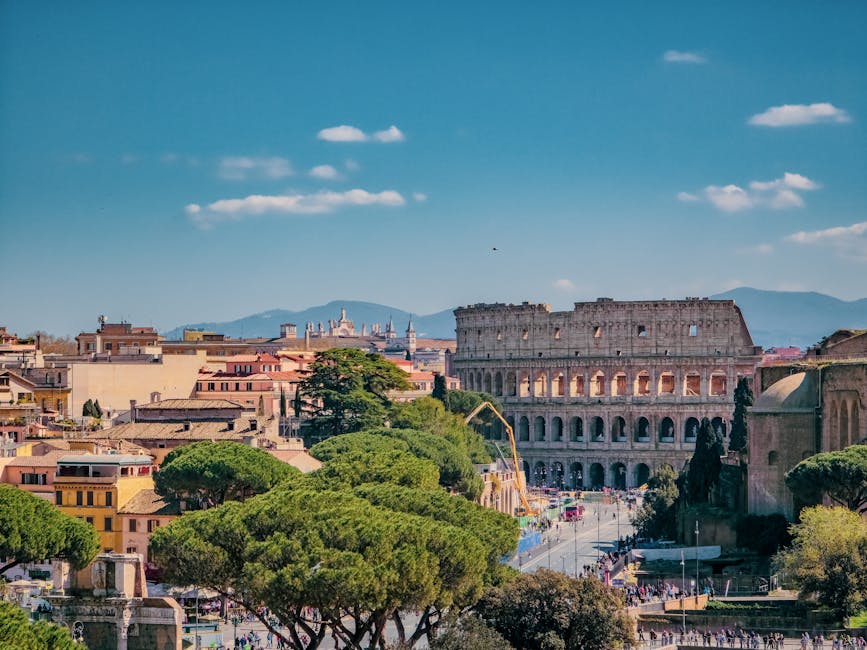
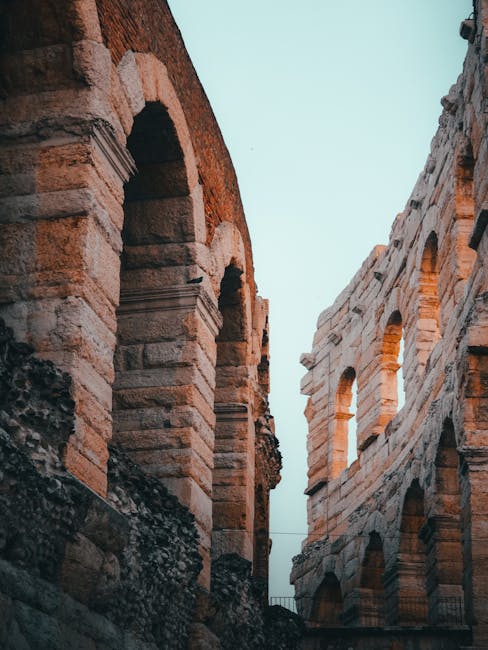
One golden rule to avoid lines is to book your tickets online, ideally for “early access” slots (early morning) or fixed-time tours. The Colosseo – Foro Romano – Palatino (Piazza del Colosseo, 1, 00184 Roma RM) offers combined tickets. Indicative price: standard ticket €16.00 + €2.00 online booking fee (total ~€18.00). Hours: generally 08:30–19:00 (varies by season). By booking a morning slot you not only skip the ticket queues but also avoid the crowds inside.
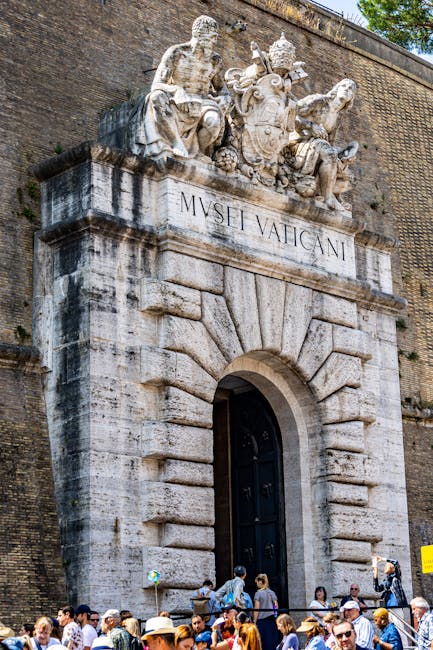
The Vatican Museums and the Sistine Chapel (Viale Vaticano, 00165 Roma RM) strongly require online booking. Indicative price: adult online ticket €17.00 + €4.00 booking fee (total ~€21.00). Hours: Monday–Saturday 09:00–18:00 (last entry 16:00), closed Sunday except the last Sunday of the month (free entry, very crowded). The “early access” option (if available via private tours) can start as early as 07:00–08:00 depending on the season, allowing you to enjoy the Sistine Chapel with almost no crowd.
Practical tips:
- Print or save your e-ticket and note the entry time. Security checks can take 15–45 minutes depending on crowds.
- Favor the earliest available slots, they’re often the quietest.
- Watch cancellation policies and change your times if you need flexibility.
Click here to book an express Colosseum tour with fast access
2. Tourist passes: when the Roma Pass or Omnia Card make sense
Tourist cards can be worthwhile if you plan several paid visits and want to skip some lines. Two popular cards: the Roma Pass and the Omnia Card. The Roma Pass 48-hour typically costs €32.00 and includes 1 free entry (for example the Colosseum) + unlimited public transport. The 72-hour version costs about €52.00 and includes 2 free entries plus transport. Physical purchase address: Infopoint Roma, Largo di Villa Peretti, 1, 00100 Roma RM, but it’s easier to buy online via the official site.
The Omnia Card (72 hours) combines access to the Vatican Museums and the Colosseum, plus hop-on hop-off buses. Indicative price: €129.00 for 72 hours. Collection point if bought online: Vatican City – Omnia Rome & Vatican Card Desk, Viale Vaticano 100, 00165 Roma RM (hours sometimes 08:30–18:00 depending on season).
Advantages:
- Priority access at some sites with dedicated “Omnia/Roma Pass” queues.
- Public transport included (with Roma Pass), handy to avoid ticket machine lines.
- Time saved if you plan 2–3 major paid sites in a short period.
Disadvantages:
- Little or no value if you mainly visit free sites like the Pantheon (Piazza della Rotonda, 00186 Roma RM) or do outdoor walks.
- Sometimes pricey — calculate your planned visits before buying.
Local tip: activate the card on first use so the 48/72-hour period doesn’t start too late in your trip.
Click here to book skip-the-line tickets for the Vatican
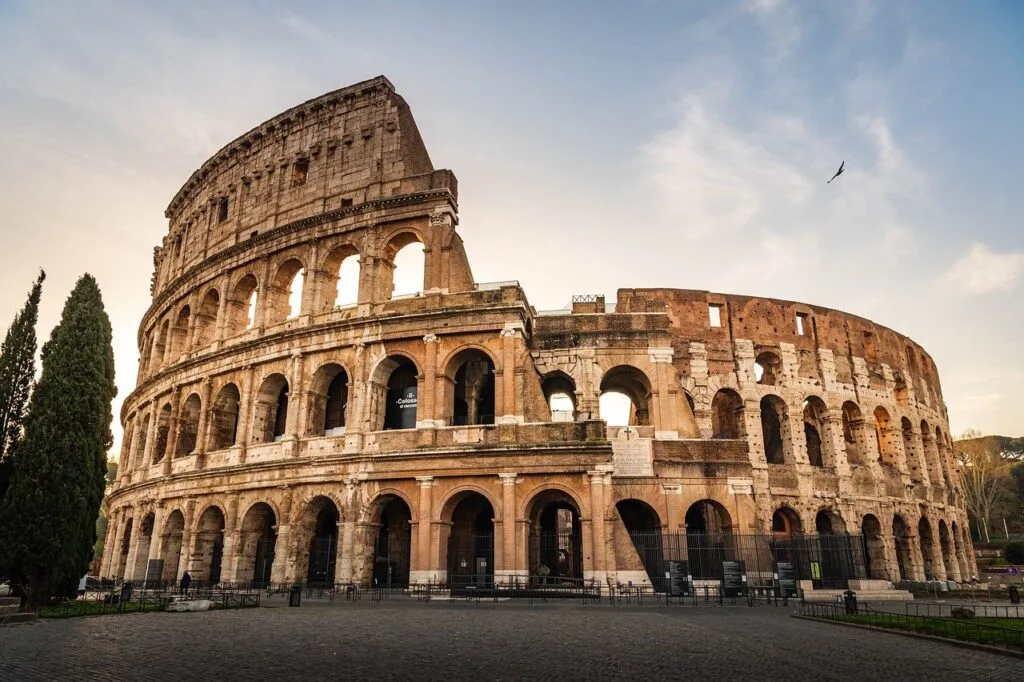
Book the visits that really save time
Wondering which visits truly deserve a priority ticket or a guide to avoid queues in Rome?
1. Vatican Museums & Sistine Chapel (direct access)
Guided tour with direct access to the basilica via Bernini’s grand staircase; perfect for seeing the Sistine Chapel without the crush and finishing with the climb up the dome.
- ⏱️ Duration : 2.5–4 h
- 🎟️ Access : Direct / skip‑the‑line
- 🎟️ Includes : Guide + Museums entry, options for basilica/dome
- 🗣️ Languages : French, English, Spanish, Portuguese
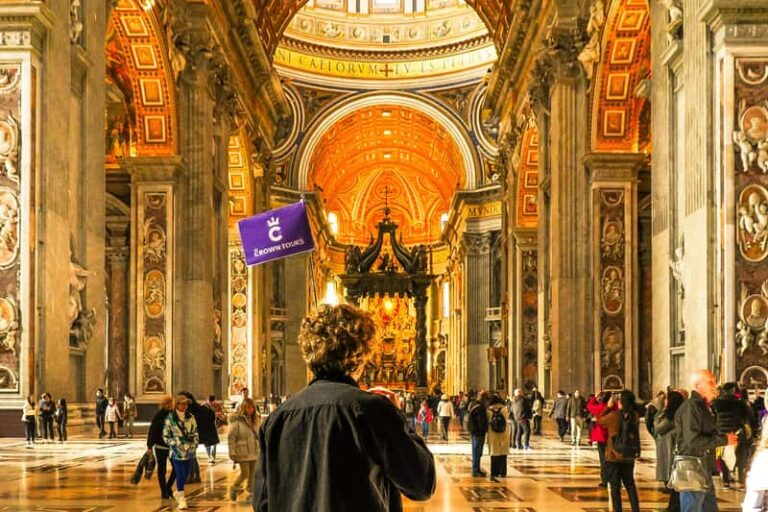
2. Borghèse Gallery (priority entry)
Fixed time slot and small groups: perfect for admiring Bernini, Caravaggio and Raphael without jostling, in a smooth two‑hour visit.
- ⏱️ Duration : 2 h
- 👥 Format : Small group (max 15)
- 🎟️ Access : Priority timed entry
- 💡 Highlight : Controlled access and focused visit
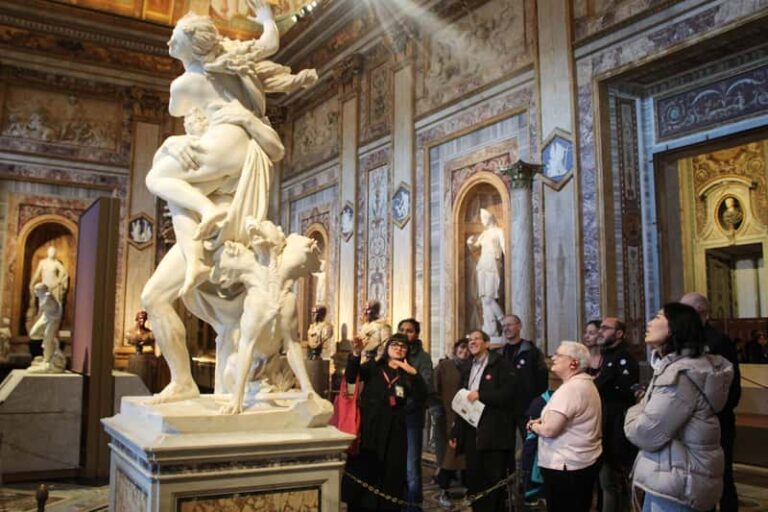
3. Colosseum at sunset
Late afternoon/evening visit: golden hues, gentler heat and smaller queues; the site’s scale is best appreciated once the daytime crowds have dispersed.
- ⏱️ Duration : 1–1.5 h
- 🌙 Timing : Sunset / night
- 🚶 Format : Shared or private guided tour
- ⭐ Highlight : Photogenic atmosphere and shorter waits
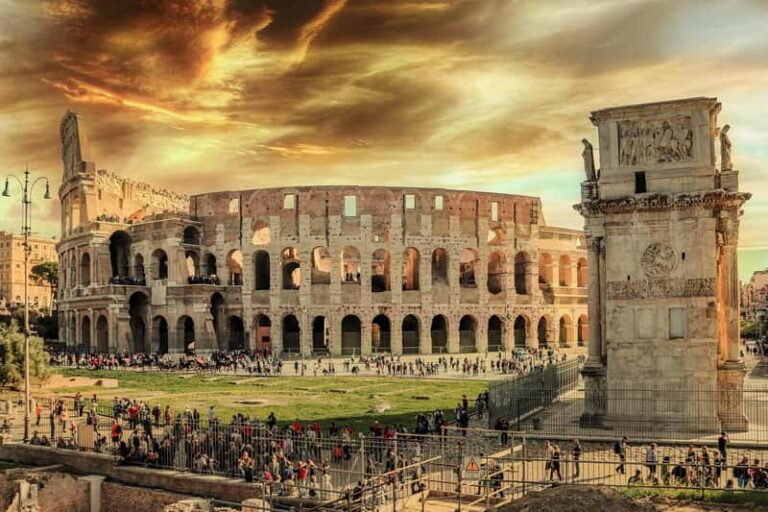
4. Private early morning at the Vatican
Exclusive access before public opening: the Sistine Chapel and Raphael Rooms almost to yourselves, with a private guide and a personalised pace.
- ⏱️ Duration : 3 h
- 🚩 Start : Caffè Vaticano, Viale Vaticano 100
- 👥 Format : Private
- 💡 Highlight : Fewer queues, tailor‑made visit
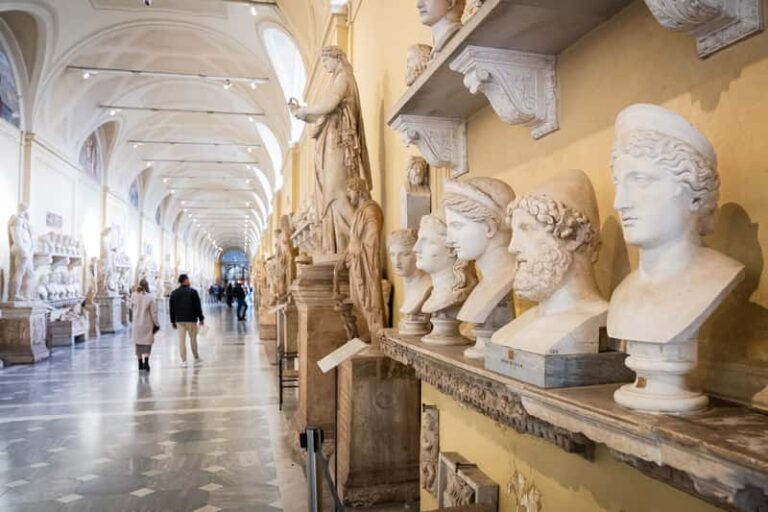
3. Private or small‑group guided tours for priority entry
Investing in a private or small‑group guided tour can seem pricey but is often the most reliable way to avoid lines. Local agencies secure reserved time slots and ensure priority access. Example: Rome Private Guides – Colosseum Private Tour, departure near Colosseo metro exit, Piazza del Colosseo, 1, 00184 Roma RM. Indicative rates: 2‑hour tours from €120.00 for a small group (price varies by group size and season).
For the Vatican Museums, many guided tours include “skip‑the‑line”: Walks of Italy – Early Access Sistine Chapel Tour (meeting point often Piazza Risorgimento, 00192 Roma RM). Typical price: €59.00–89.00 per person for a 2–3 hour morning visit.
What a guided tour offers :
- Access via a dedicated line, often saving 30–60 minutes.
- Historical context and art explained by a professional guide, adding real value to the visit.
- Flexibility: guides for children, people with reduced mobility, etc.
Practical tip: make sure the guide is authorized and speaks your language. Always ask for the exact meeting point and written confirmation of any “skip-the-line” inclusions.
Click here to book a private tour of the Vatican and the Sistine Chapel
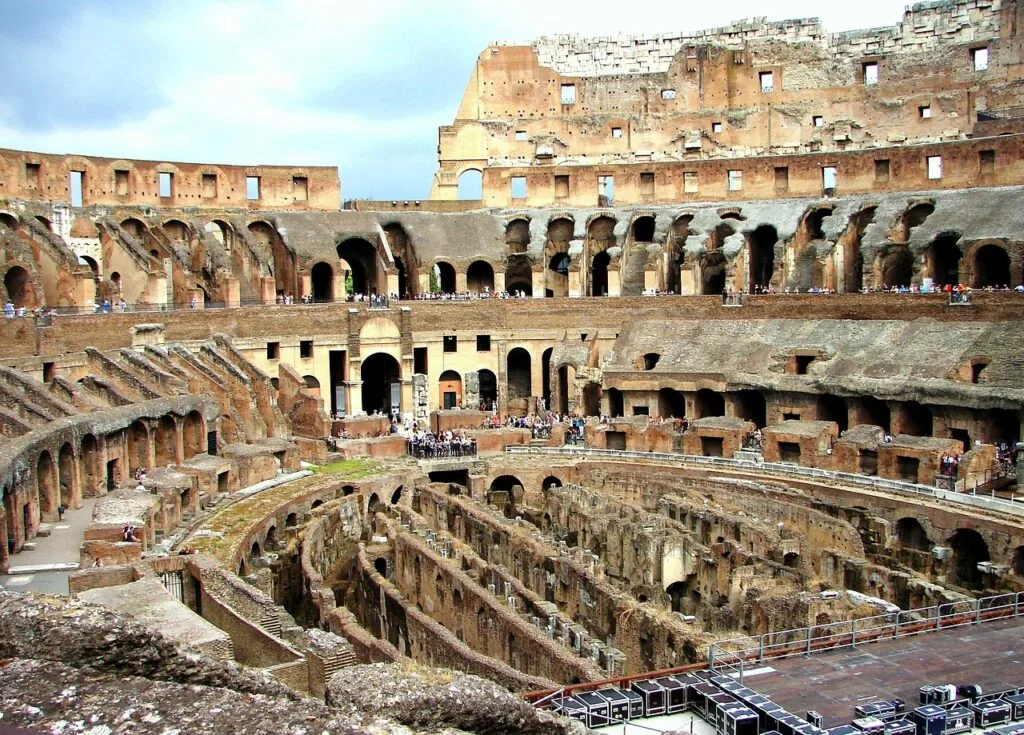
4. Lesser-known alternative entrances and side doors
Many sites have quieter secondary entrances. For example, the Galleria Borghese (Galleria Borghese) is visitable only by timed reservation (Piazzale Scipione Borghese, 5, 00197 Roma RM). Indicative price: €15.00 standard ticket + €2.00 booking fee (total ~€17.00). Hours: 09:00–19:00, visits scheduled in 2-hour slots. Booking a slot avoids the main entrance queue and gives you a controlled, calm flow inside.
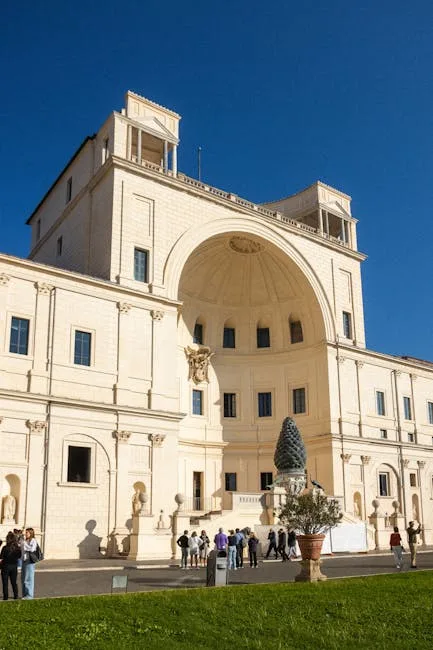
At the Vatican, there are separate entrances for groups and audio guides; some tours use the Cortile della Pigna entrance. Always check the exact address and meeting point: Viale Vaticano, 00165 Roma RM (main entrance). For the St. Peter’s Basilica (Piazza San Pietro, 00120 Città del Vaticano), entry to the Basilica is free, but the security line can be bypassed by entering via the museums if you combine a Vatican + Basilica tour (reservations apply in that case).
Local tips:
- Arrive on the less touristy side of the site: side streets are often less crowded than main avenues.
- Ask local staff or the tourist office if there is a group entrance or an entrance for holders of a specific pass.
- For religious sites, some entrances are reserved for worshippers at certain times — check and use these to your advantage.
Click here to book your skip-the-line ticket for the Galleria Borghese
5. Best times: early morning, late afternoon and off-peak hours
Timing is crucial. In Rome, the busiest hours are usually 10:30–15:30. Plan major visits at dawn (opening) or late afternoon before closing. Practical example: arriving at the Colosseum at opening (usually 08:30) reduces waiting and the summer heat. Same strategy for the Galleria Borghese: 09:00–11:00 slots are the calmest.
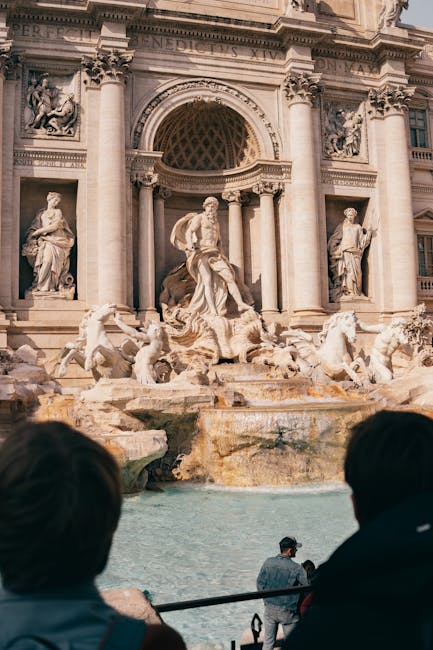
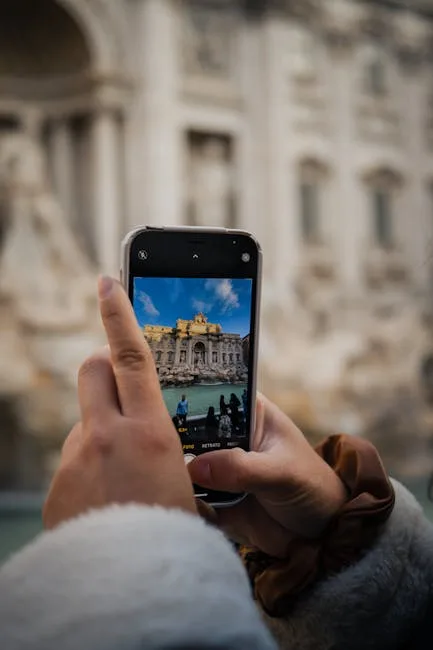
For the Pantheon (Piazza della Rotonda, 00186 Roma RM), entry is free and the interior is often less crowded early morning (08:30–09:30) or late evening after 18:00. The Trevi Fountain (Piazza di Trevi, 00187 Roma RM) is spectacular at sunrise: between 05:30 and 07:00 you’ll have a much calmer experience and photos without crowds.
Concrete tips:
- Book the first available slot for paid museums.
- For churches, favor the morning mass: most tourists won’t come during services.
- Schedule meals between 12:30–14:00 or after 15:00 to avoid cafe peak times near attractions.
Note: some sites close earlier or have special hours on Sundays: check official times before you leave to avoid arriving at locked doors.
Click here to book a skip-the-line photo access to the Trevi Fountain
6. Use late hours and nocturnes
Many museums and monuments hold evening openings or stay open late on certain days: it’s a chance to avoid the usual crowds. For example, the Vatican Museums sometimes offer night visits (check the official calendar); these provide a more intimate experience and a different light on masterpieces. Night hours vary, typically 19:00–23:00 for special events — prices often higher (€30.00 or more depending on the event).
The Villa Medici (Viale della Trinità dei Monti, 1, 00187 Roma RM) and other cultural venues sometimes host concerts or evening exhibitions that let you visit in a calmer atmosphere. The Colosseo offers guided night tours on some evenings (variable rates, around €21.00–30.00 depending on the option). It’s a great way to avoid summer heat and daytime crowds.
Tips:
- Check dates and book in advance: night openings can be popular and limited.
- Bring a warm layer: evenings can be cool even in summer.
- Photos at dusk often have exceptional light and fewer people in the frame.
Click here to book a night visit to the Vatican Museums
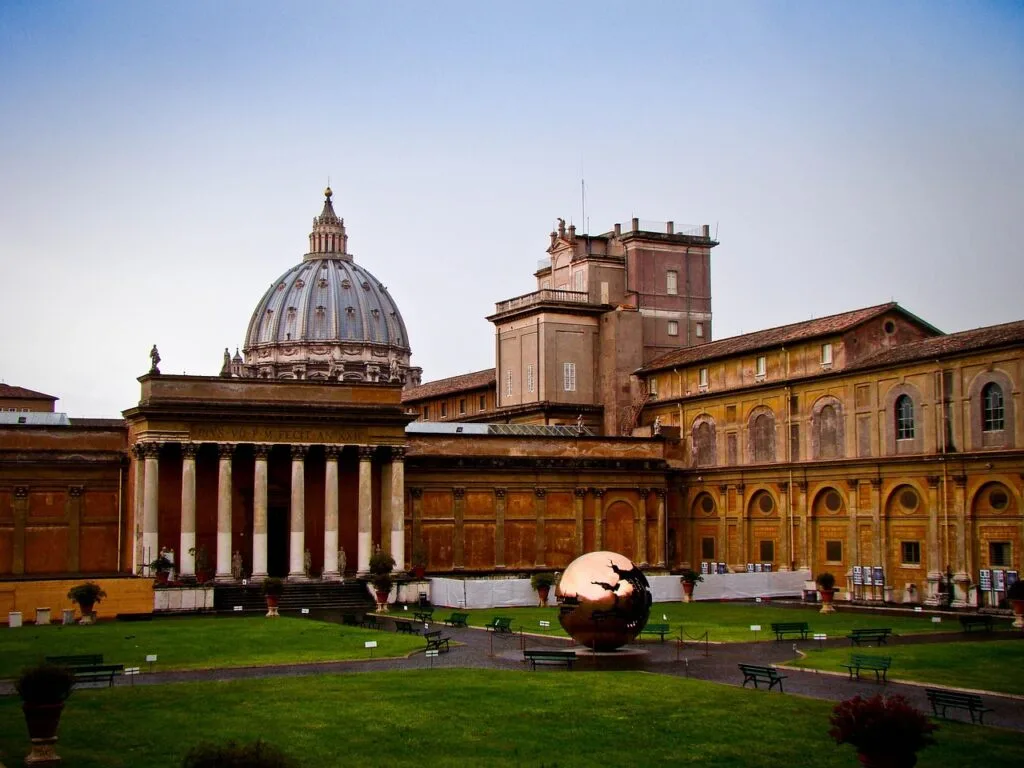
7. Plan a logical route to avoid recurring queues
A well-planned route prevents backtracking through crowded areas. Example for an efficient day: start at the Colosseo – Roman Forum – Palatine Hill (Piazza del Colosseo, 1), then head to the Campidoglio (Capitoline Museums) (Piazza del Campidoglio, 1, 00186 Roma RM) for an afternoon visit, finishing with a relaxed walk through Monti or Trastevere at sunset.
The Capitoline Museums have an indicative price of €15.00 and hours 09:30–19:30; visiting in early afternoon lets you avoid the morning rush and evening surge. For getting around, use public transport during off-peak times (avoid 08:00–09:30 and 17:00–18:30). Using the Roma Pass lets you skip some ticket lines and enter partner museums faster.
Local tip:
- Don’t plan two major, far-apart sites in one day: aim for one neighborhood per half-day.
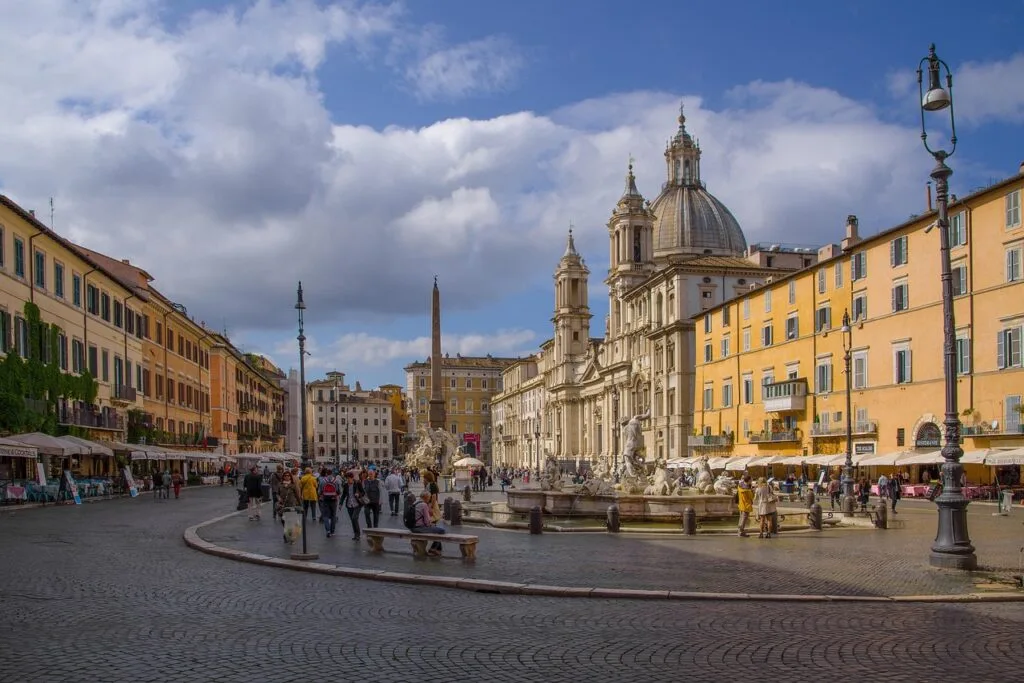
- Walk between nearby sites (e.g. Trevi Fountain — Pantheon — Piazza Navona); it’s often faster than crowded public transit.
- Schedule coffee breaks in side streets to avoid touristy cafés near attractions.
Click here to book a Colosseum, Forum & Palatine tour
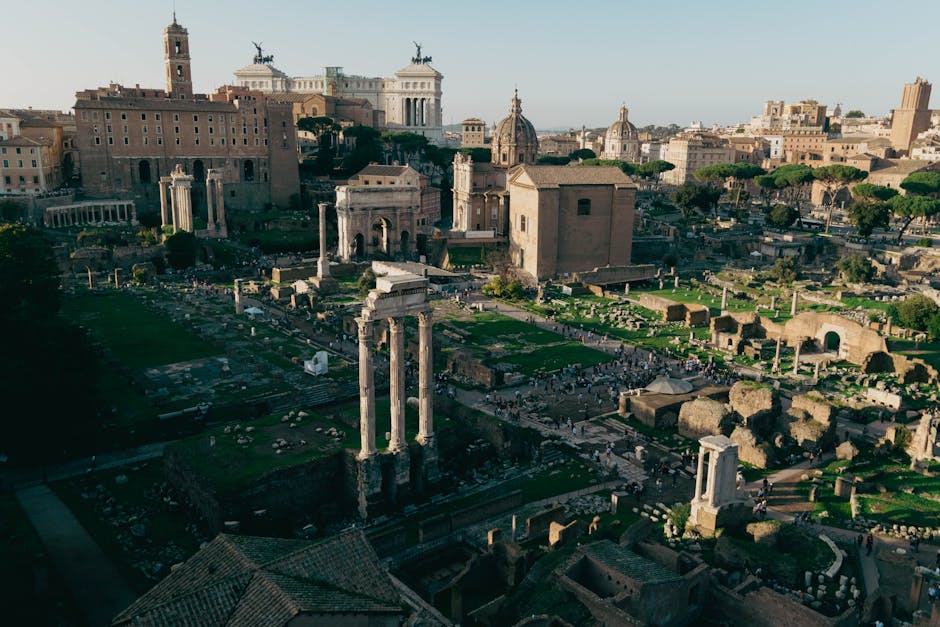
8. Avoid lines at tourist restaurants and cafés
Lines aren’t just for monuments; popular restaurants near attractions can also have long waits. For example, places on Via dei Coronari or around Piazza Navona (00186 Roma RM) draw crowds. To eat efficiently, look for local trattorie a little off the beaten path: in the Ghetto (Via del Portico d’Ottavia, 1, 00186 Roma RM) you’ll find traditional options that are less touristy and often have no queue.
Practical tips:
- Eat earlier (12:00–13:00) or later (15:00–16:30) to avoid mealtime crowds.
- Prefer « al banco » cafés: order standing at the counter to save time and usually pay less (an espresso at the counter costs 1.00–1.50 €, while at a table it can be 3.00–5.00 €).
- Book a table in advance if you plan to dine at a renowned restaurant (e.g. Ristorante Aroma at Palazzo Manfredi, Via Labicana, 125, 00184 Roma RM; reservation recommended; menu prices high).
Tip: ask the server for the « piatti del giorno » (daily specials) — often quicker to prepare and cheaper.
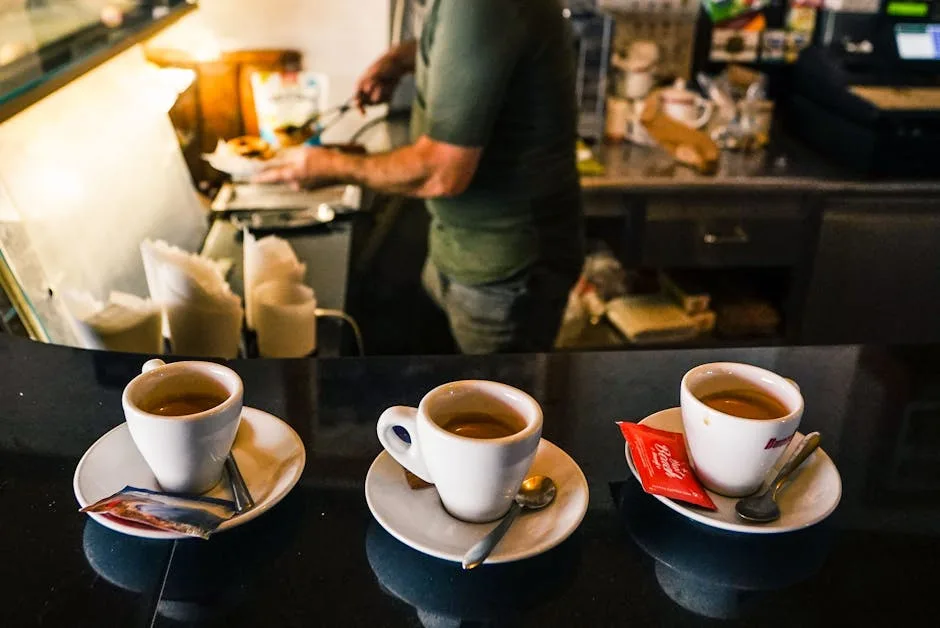
9. Use alternative transport to avoid crowded stations
Rome’s bus and metro network is often packed at peak times. To avoid ticket and validator lines, use alternatives: bike-share, electric scooter, or mobility apps (Lime, Bird, Helbiz — check availability). Renting a bike or scooter often lets you approach a site via a less crowded street and park quickly without queuing for a full bus.
Practical tips:
- Always validate your bus ticket or use the Roma Pass to avoid fines — inspections are frequent.
- To get to the Vatican, walking from the Cipro metro station (Via Cipro/Musei Vaticani, 00136 Roma RM) can be faster than waiting for a crowded bus.
- Bring comfortable shoes: many of the quickest walking routes go through cobbled alleys.
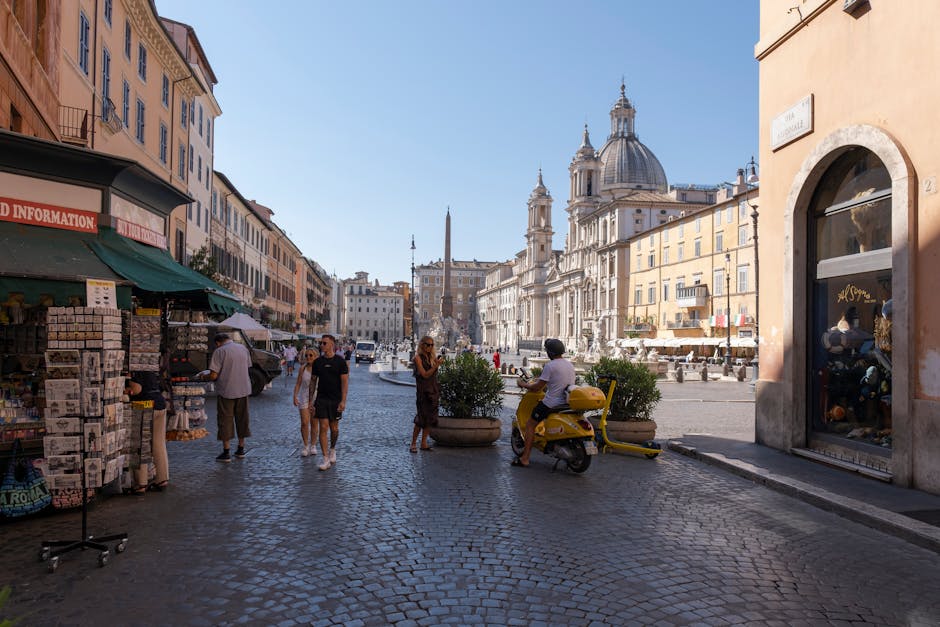
10. Enter via themed tours and temporary exhibitions
Sometimes access to temporary exhibitions or lesser-known museum sections offers a faster entrance. The Galleria Nazionale d’Arte Moderna e Contemporanea (Viale delle Belle Arti, 00197 Roma RM) hosts temporary shows that attract fewer people than the permanent collections, allowing a smoother visit. Standard entry price: 10.00–12.00 €; hours: usually 08:30–19:30 (variable).
At the Capitoline, temporary exhibitions or less-visited rooms (off the main circuits) can be seen with little wait. Local tourist offices often publish calendars of off-the-beaten-path exhibitions; follow them to find calm alternatives to busy sites.
Tips:
- Check museum official sites for temporary exhibitions and book those tickets— they can include priority access.
- Combine a temporary exhibition with a short walk in a nearby park (e.g. Villa Borghese) for a more balanced, less stressful day.
11. Tips for religious visits: Mass, prayer times and special access
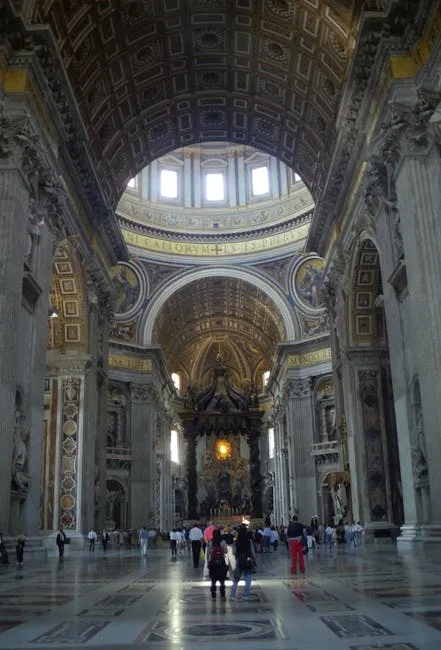
Major churches and basilicas in Rome have special considerations: some areas may be reserved during Mass, and security lines can form. For St. Peter’s Basilica (Piazza San Pietro, 00120 Città del Vaticano), entry is free but security can require up to 30 minutes. Tip: attending an early Mass lets you enter without the tourist line. If you want to climb the dome, the ticket (or the lift to partway up) costs: stairs 10.00 €, elevator + stairs 12.00 € (indicative); hours: 07:00–18:30 depending on season.
To access certain treasures or chapels closed to the general public, enquire about special guided tours or offices that may allow priority access. Also, dress appropriately (shoulders and knees covered): you may be refused entry and lose time.
Practical tips:
- Attend a weekday Mass for a quieter visit.
- To avoid lines for confessions or other services, check the posted schedules at the entrance.
- If you combine Vatican + Basilica, use combined tickets or tours that include the Basilica for a smoother passage.
Click here to book a guided tour of St. Peter’s Basilica
12. Final logistical and behavioral tips to save time
Here are practical recommendations based on local experience to avoid lines and make your movements more efficient:
- Prepare your documents: keep e-tickets and ID handy. Controls are frequent and rummaging through a bag in a queue is annoying.
- Travel light: security checks at the Colosseum and the Vatican are faster if you don’t carry large bags. Some sites refuse big bags or ask you to leave them in a cloakroom (costs vary).
- Avoid high season if possible: July–August see peak crowds. April–May and September–October offer a good weather/crowd balance.
- Use apps: Google Maps for schedules and routes, Rome2rio for connections, and official museum apps for bookings. Download your tickets and confirmations for offline use.
- Follow queue signage: some lines are strictly reserved (school groups, audio-guides, families) and trying to skip them can complicate your entry.
- Talk to staff: often, a polite question about the fastest entrance or the quietest time of day gives you practical, local info.
Finally, remember saving time doesn’t mean sacrificing the experience: set aside moments to sit in a piazza, enjoy an artisanal gelato and soak up the Roman atmosphere. Rome is also discovered by letting go, but with these tips you’ll have more time to savor what you truly love.
Conclusion — Turn the visit into a smooth, rewarding experience
Skipping lines in Rome takes some planning but saves lots of time and enriches your visit. The 12 tips presented — online booking, suitable tourist passes, priority guided tours, alternative entrances, scheduling, night openings, logical routes, restaurant strategies, alternative transport, temporary exhibitions, religious access and logistical tips — form a coherent set you can apply according to your pace and budget.
To recap: book ahead for must-sees (Colosseo, Vatican Museums, Galleria Borghèse), favor early mornings or night openings, consider passes if visiting several paid attractions, and don’t hesitate to pay for a guided tour for priority access. Also, plan your route to avoid backtracking and eat at off-peak times to reduce restaurant queues. Small practical tips — travel light, keep tickets handy, use mobile apps and ask locals — will ease every step.
Rome is a city to discover slowly, but following these tips you’ll maximize time for what matters: admiring masterpieces, getting lost in historic lanes, tasting local food and returning home with memorable souvenirs instead of images mixed with the frustration of long lines. Whether a weekend or longer trip, these strategies turn logistics into pleasure. Buon viaggio — enjoy Rome with calm and efficiency.
Click here to book a Colosseum and Vatican day tour