





Introduction
Rome is a city of layers: ancient ruins, gleaming Baroque churches, cobbled alleys full of hidden corners, and above all a buzzing food scene where every turn can deliver a delicious surprise. Among these treats is a snack often linked to Sicily but wholeheartedly embraced by Romans: the arancino (plural arancini) — fried rice balls, crisp on the outside, creamy inside. In Rome you’ll find both the traditional Sicilian style and local takes, often called “supplì” when they take on shapes and fillings inspired by Roman tradition. Hunting down the city’s best arancini and Roman versions means visiting historic shops, neighborhood counters, lively markets and creative vendors that reflect the capital’s culinary culture.
This guide is made for travelers and food lovers who not only want to taste the most memorable arancini but also understand what sets them apart, find reliable addresses, check opening hours, estimate prices, and pick up practical tips for eating these delights like a local. You’ll get immersive descriptions that place each bite in context: the atmosphere at the counter, the crack of the breadcrumb crust, the ragù perfume escaping when you break it open, the fresh salad that sometimes accompanies the Roman version, plus little tricks to avoid lines or choose the variation that fits your cravings.
Rome reinvents the classics: some places keep to tradition — generous rice balls stuffed with ragù, peas and béchamel — while others propose Roman-style creations with stringy mozzarella, crispy guanciale, or vegetarian versions scented with pecorino and roasted vegetables. This overview covers popular markets like Mercato Centrale Roma and Mercato Testaccio, chef-led spots and neighborhood counters, as well as atypical food stops where Sicilian technique meets Roman taste. Alongside the addresses, you’ll find essential practical info: full addresses, opening windows, indicative prices in euros, and local tips (best time to go, how to make the most of a tasting route, and how to behave).
This article is more than a list — it’s a sensory walk. Each section offers stops, pairing suggestions (for example, which wine or coffee suits a specific arancino), and advice for foreign visitors (language, payment, expectations). Expect detailed descriptions down to texture, the ideal serving temperature, and even how to spot a well-executed crumb coating. Whether you’re a fan of traditional arancini, a curious foodie, or a hungry traveler looking for the perfect snack after visiting the Colosseum, this guide will lead you to Rome’s best fried rice bites.
 Click here to book your Colosseum & Ancient Rome tour
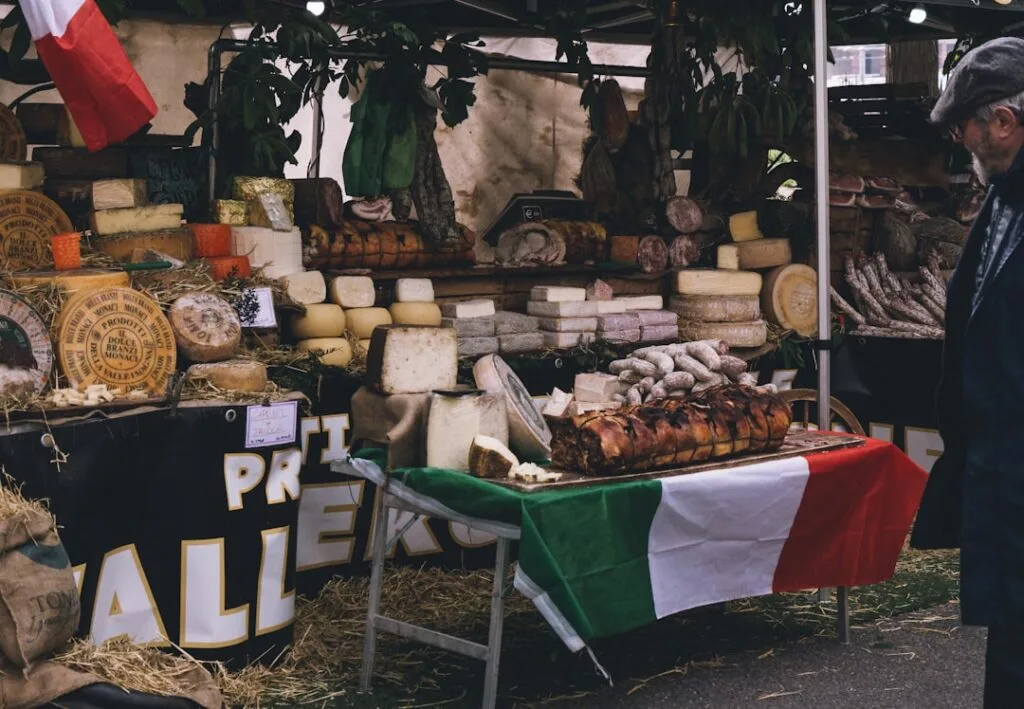
This article is more than a list — it’s a sensory walk. Each section offers stops, pairing suggestions (for example, which wine or coffee suits a specific arancino), and advice for foreign visitors (language, payment, expectations). Expect detailed descriptions down to texture, the ideal serving temperature, and even how to spot a well-executed crumb coating. Whether you’re a fan of traditional arancini, a curious foodie, or a hungry traveler looking for the perfect snack after visiting the Colosseum, this guide will lead you to Rome’s best fried rice bites.
History and the difference: Sicilian arancini vs. Roman versions
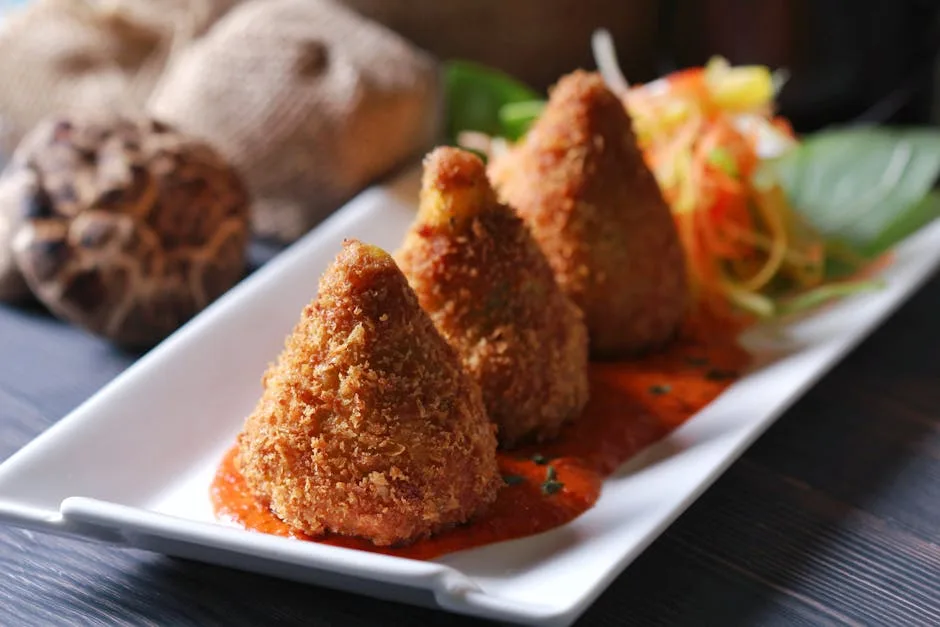
To understand why arancini are so beloved in Rome, you first need to trace their origins and note the technical and cultural differences between the Sicilian recipe and the variant adopted by Romans. The arancino from Sicily is a cooked rice ball, usually shaped round or conical, stuffed with a meat-based ragù, peas and sometimes béchamel, then breaded and fried until it reaches a golden, crunchy crust. In Sicily, the quality of the rice — often Arborio or Carnaroli — the ragù’s slow cooking and the final texture determine an arancino’s excellence.
In Rome, the finger-food culture long revolved around the supplì: a more elongated ball, typically made with rice and tomato sauce, and traditionally filled with stringy mozzarella. The word “supplì” is deeply rooted in Roman culinary tradition and is often found in wine bars and neighborhood pizzerias. The Roman version emphasizes simplicity, the gooey pull of mozzarella and the balance between crisp and creamy. Although ingredients overlap, shape, rice-to-filling ratio and accompaniments vary.
Rome’s modern foodie boom has encouraged hybridization: chefs and artisans add guanciale, pecorino Romano, sautéed mushrooms, bergamot (in seasonal creations), and even vegan versions using plant-based béchamel and alternative cheeses. This creativity resonates with a crowd that seeks authenticity but also innovation. Food markets like Mercato Centrale Roma create an ecosystem where producers and cooks experiment, turning the arancino into both a symbol of tradition and a playground for contemporary expression.
Practical tip: to spot a good one, look for an evenly golden breadcrumb crust, an internal temperature that releases aromas (but isn’t scalding), and a filling that binds to the rice without turning it gluey. Eat the arancino within 10 minutes of frying to enjoy the full contrast of textures; some places provide seating, others sell them to go — if taking away, wrap it lightly to avoid condensation.
The best spots for arancini and supplì in Rome
Here’s a curated list of must-try places to eat arancini and supplì in Rome, with full addresses, typical opening hours, price ranges and sensory descriptions. These venues represent different styles: from popular counters to modern bistros and bustling markets.
1) Trapizzino – Piazza Trilussa 46, 00153 Roma
Address: Piazza Trilussa, 46, 00153 Roma RM
Hours: Open daily, usually 11:30–23:00 (seasonal hours may vary).
Price: Arancini/supplì and trapizzini: roughly €4.50–€7.00 depending on filling.
Trapizzino is famous for reworking Italian street food and sometimes offers arancini or rice-ball variants on a menu that reinvents classics. The vibe is young and lively — perfect for a break after exploring Trastevere. Fillings can be inventive: traditional ragù, coda alla vaccinara, or vegetarian preparations. You’ll taste the quality of slow-cooked sauces and bold cheeses from the first bite.
2) Mercato Centrale Roma – Piazza dei Cinquecento, 00185 Roma
Address: Via Giovanni Giolitti 36, Mercato Centrale (main entrance Piazza dei Cinquecento), 00185 Roma RM
Hours: Open daily: generally 08:00–00:00 (hours vary by stall and day).
Price: Arancini and supplì from various stalls: €3.50–€6.50.
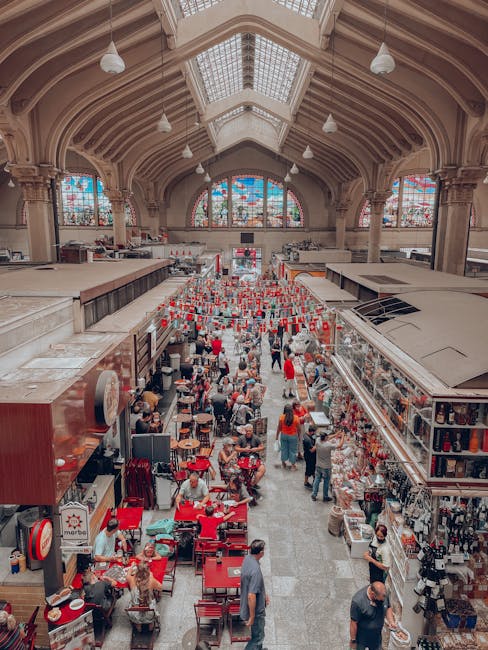
Mercato Centrale, next to Termini station, brings together dozens of producers and vendors. It’s the perfect place to sample multiple styles of arancini in one visit: classic Sicilian, Roman supplì with molten mozzarella, and modern creations with guanciale or roasted vegetables. The atmosphere is busy but friendly; grab a communal table, order several pieces and share to compare textures and fillings.
3) Pizzeria Sforno – Via Statilio Ottato, 110, 00177 Roma
Address: Via Statilio Ottato 110, 00177 Roma RM (Cinecittà/Porta Furba area)
Hours: Generally 12:00–15:00 and 19:00–23:00; closed Sunday afternoon (check seasonally).
Price: Supplì/snacks: €3.00–€5.00; whole pizzas: €8.00–€16.00.
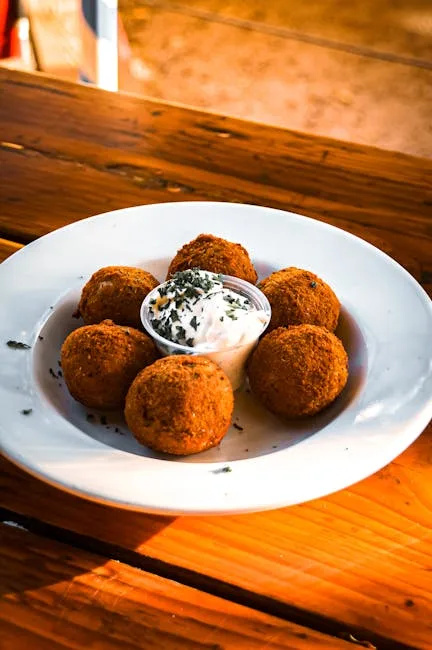
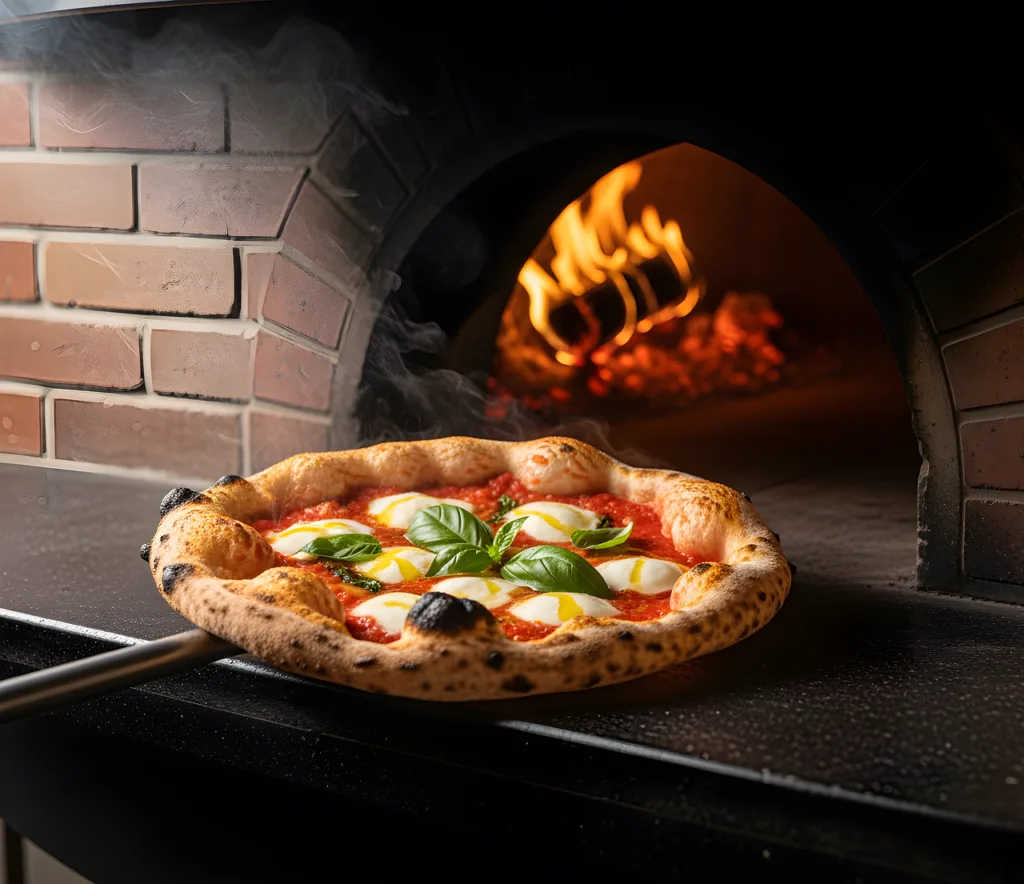
Sforno is best known for wood-fired pizza, but its snack corner also serves high-quality supplì/arancini, often flavored with Roman ingredients like pecorino or guanciale. Expect a very crunchy crust and well-seasoned rice. Popular with locals, it’s great for a relaxed meal combining pizza and arancini.
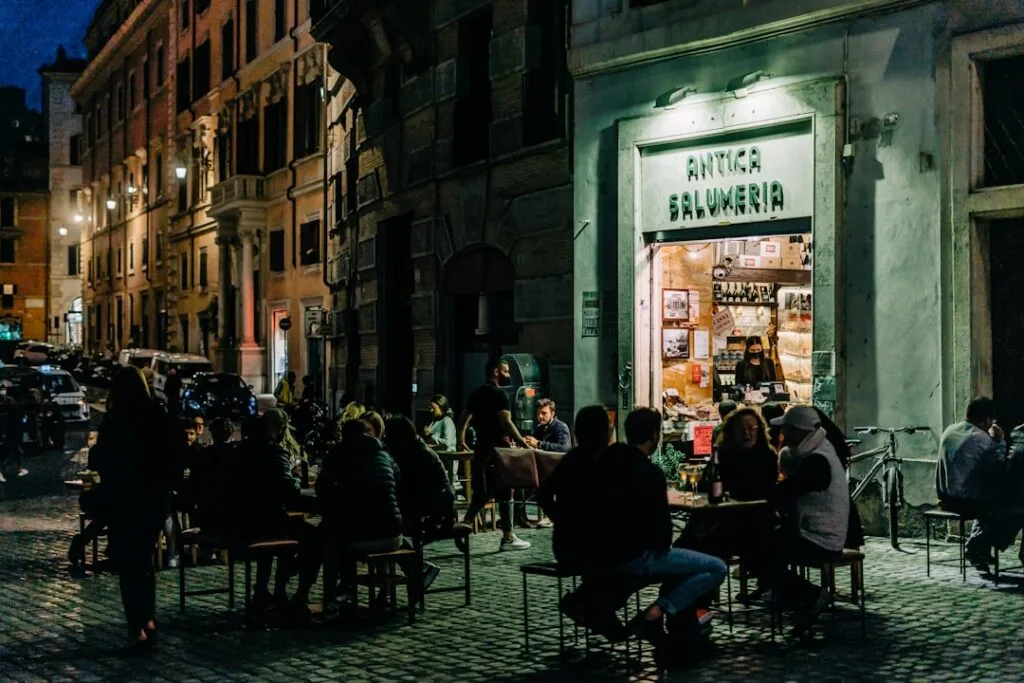
4) Roscioli – Salumeria Roscioli, Via dei Giubbonari 21, 00186 Roma
Address: Salumeria Roscioli, Via dei Giubbonari 21, 00186 Roma RM (near Campo de’ Fiori and Largo di Torre Argentina).
Hours: Typically 08:00–22:30 (may vary); the salumeria offers breakfast, charcuterie and takeaway dishes.
Price: Portions and snacks: €4.00–€9.00; boards and mains: €12.00–€30.00.
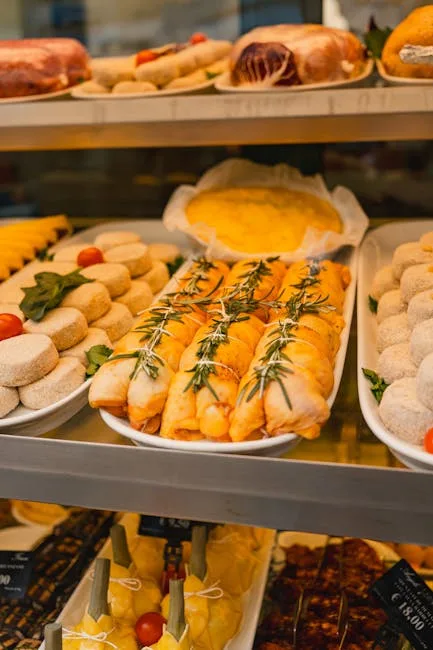
Roscioli is a temple of cured meats and fine products. Their take on snacks respects tradition while privileging top-quality raw materials: carefully cooked rice, aged cheeses, and expert frying. Tasting an arancino here is about enjoying the meeting point between street food and high culinary standards.
5) Mercato Testaccio – Via Beniamino Franklin 00154 Rome (Testaccio Market)
Address: Mercato Testaccio, Via Beniamino Franklin, 00154 Roma RM (Testaccio market space).
Hours: Usually open Tuesday to Sunday: mornings until early afternoon for the food market (hours vary by stall).
Price: Arancini/supplì: €3.00–€6.00.
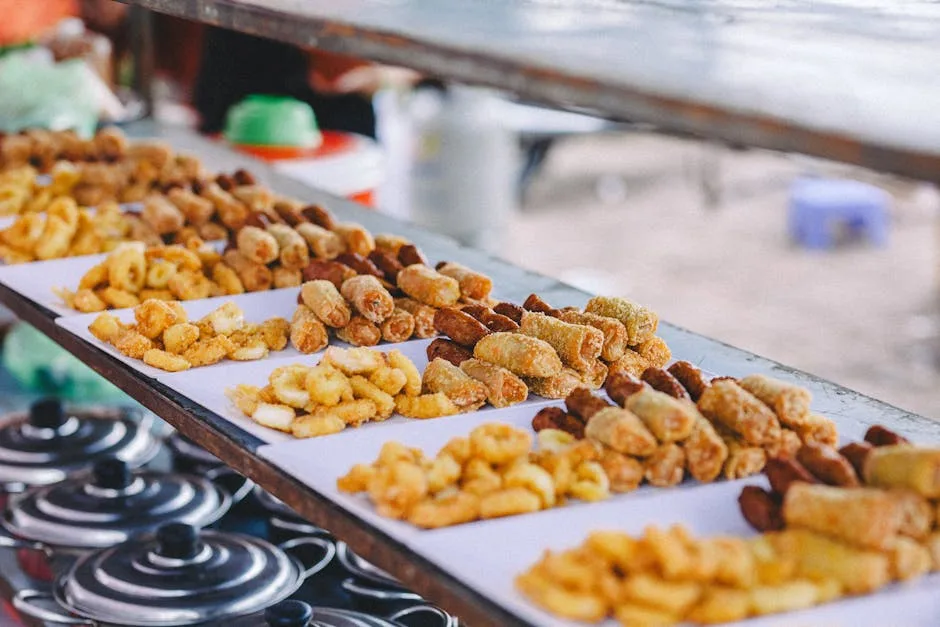
Mercato Testaccio is an emblematic spot for anyone wanting to taste authentic Roman specialties. Several stalls serve traditional supplì and arancini, often influenced by popular Roman cooking and neighborhood spirit. The atmosphere is lively, and vendors often know their regulars. Ideal for a quick tasting after visiting the Testaccio district, known for its food history.
6) Bar del Fico / Supplì spots near Piazza Navona
Approx. addresses: Around Piazza Navona / Via del Fico, several small bars and kiosks sell supplì. A frequently visited area is Via dei Baullari / Via del Governo Vecchio (addresses vary).
Hours: Many bars open from 10:00 and stay open late; kiosks may have shorter hours. Check locally.
Price: Takeaway snacks: €2.50–€5.00.
In the historic center it’s common to find bars serving hot supplì or arancini at the counter for as little as €2.50. These versions are ideal for a quick break while sightseeing (Piazza Navona, Trevi Fountain, the Pantheon). Quality varies, but freshness and simplicity win over passersby.

Variations and creations: what to choose based on your taste
Which arancino or supplì to pick depends on your appetite and flavor preferences. Here’s an overview of classic variants, Roman creations and modern versions, with tips for each.
- Arancino with ragù (Sicilian classic): Slow-simmered meat filling, peas, flavorful rice. Ideal if you want the most traditional version. Best served hot but not scalding; the meat should be meltingly tender.
- Supplì al telefono (mozzarella-filled): Typically Roman, this supplì contains a center of mozzarella that stretches when opened — hence the nickname “al telefono.” Perfect for lovers of oozy cheese.
- Vegetarian arancino: Fillings made with sautéed mushrooms, spinach, ricotta or pecorino. Widely available at markets and from vendors attentive to dietary needs.
- Guanciale / pecorino variations: A distinctly Roman twist that adds salty, crispy notes; these versions tend to be richer.
- Contemporary creations: For example, arancini with coda alla vaccinara ragù (braised oxtail Roman-style), or fusion fillings with eggplant and candied tomato.
Practical tip: if you’re unsure, order two small different pieces and share. Markets and food courts are perfect for that. For vegetarians and vegans, ask specifically about preparation (type of frying oil, presence of cheese in the filling). Stalls and small shops often accommodate special requests if you arrive early.

Practical tips for enjoying arancini in Rome
To get the most from your Roman tasting route, here are concrete tips tried and tested by locals and traveling foodies.
- Best time to go: Early lunchtime (11:30–13:30) or late afternoon (16:00–18:00) to avoid crowds. Markets are usually livelier on Saturday mornings.
- Payment: Many places accept cards and cash, but small neighborhood kiosks may be cash-only. Carrying a few euro notes makes life easier.
- Getting around: Use the metro (Termini for Mercato Centrale), trams and buses; many spots are walkable in the historic neighborhoods (Trastevere, Testaccio, Centro Storico).
- Hygiene and food safety: Prefer stalls where frying is visible and product turnover is high — that’s a sign of freshness. If the ball is too greasy or cold, move on.
- Ideal temperature: Arancini taste best hot (but not burning). Wait 1–2 minutes after purchase to avoid burning your mouth, but eat before the crust turns soggy.
- Recommended pairings: A light red wine (Montepulciano or Sangiovese), an Italian craft beer, or a short espresso if you’re snacking in the late afternoon.
- Respect the space: In markets, respect queues, put waste in bins, and avoid occupying tables for too long during peak hours.
Recommended routes for an arancini tour in Rome
To turn your culinary quest into a full Roman experience, here are two walking routes — one around Trastevere and the historic center, the other linking Termini and Testaccio. Each route blends tastings, monuments and neighborhood atmosphere.
Route 1: Trastevere & Centro Storico (half day)
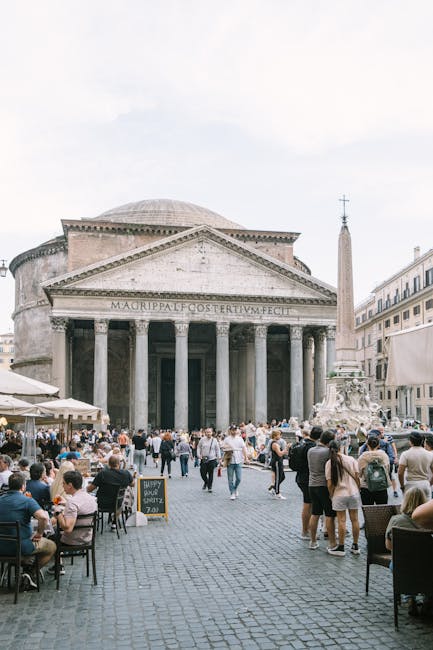
Start at Piazza Trilussa (Trapizzino for a versatile snack), cross the Ponte Sisto toward Campo de’ Fiori, then head to Salumeria Roscioli (Via dei Giubbonari 21) for a more gourmet version. Continue to the Pantheon and the Trevi Fountain where you’ll find small bars offering supplì to eat on the go. This route mixes picturesque squares, romantic alleys and tasty pit stops.
Click here to book your Pantheon tour & wine tasting

Route 2: Termini, Mercato Centrale & Testaccio (morning)
Start your morning at Termini station and dive into Mercato Centrale to compare multiple stalls. Then take the bus or walk toward Testaccio to visit Mercato Testaccio and its authentic stands. Finish with a stroll around the Cimitero Acattolico or the Monte dei Cocci and let digestion happen slowly through the neighborhood lanes.

Conclusion
Rome offers a rich and varied map for anyone looking to taste arancini and supplì. The capital doesn’t simply import a Sicilian specialty: it adopts it, transforms it and puts it in dialogue with its own culinary traditions. Whether you’re drawn to a classic ragù-filled Sicilian arancino, a Roman supplì with a molten center, or bold creations combining guanciale and pecorino, the city has options for every taste and budget.
The addresses listed here — from Mercato Centrale Roma to Trapizzino, through Sforno and Roscioli — are reliable starting points for a tasty exploration. Markets like Testaccio and the stalls around the historic center let you compare and learn to spot the ideal crumb, a balanced filling and expert frying. Hours vary by season: it’s best to check official pages or call ahead to avoid disappointment, especially off-season.
Finally, a few golden rules: prioritize freshness and turnover, eat hot without burning yourself, share to taste more, and enjoy the moment — the arancino can be savored while strolling, sitting in a piazza, or tucked away in a covered market. Rome turns every bite into a memory; follow your taste buds and local recommendations. Buon appetito — and enjoy discovering Rome’s arancini and supplì!
Click here to book Vatican Museums and Sistine Chapel tickets