





Introduction
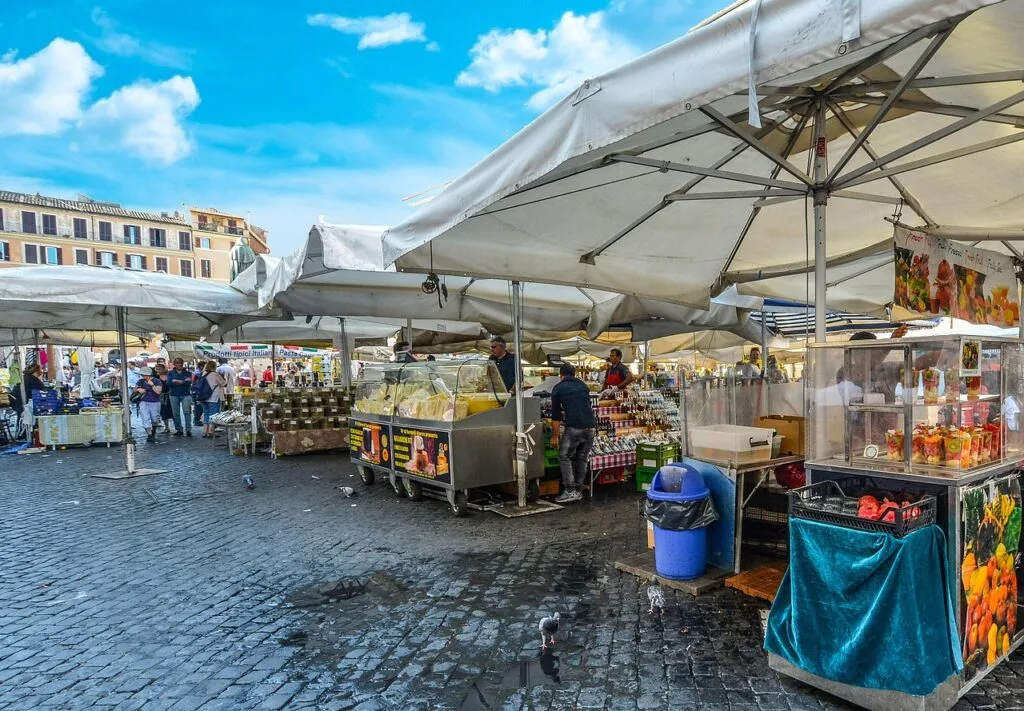
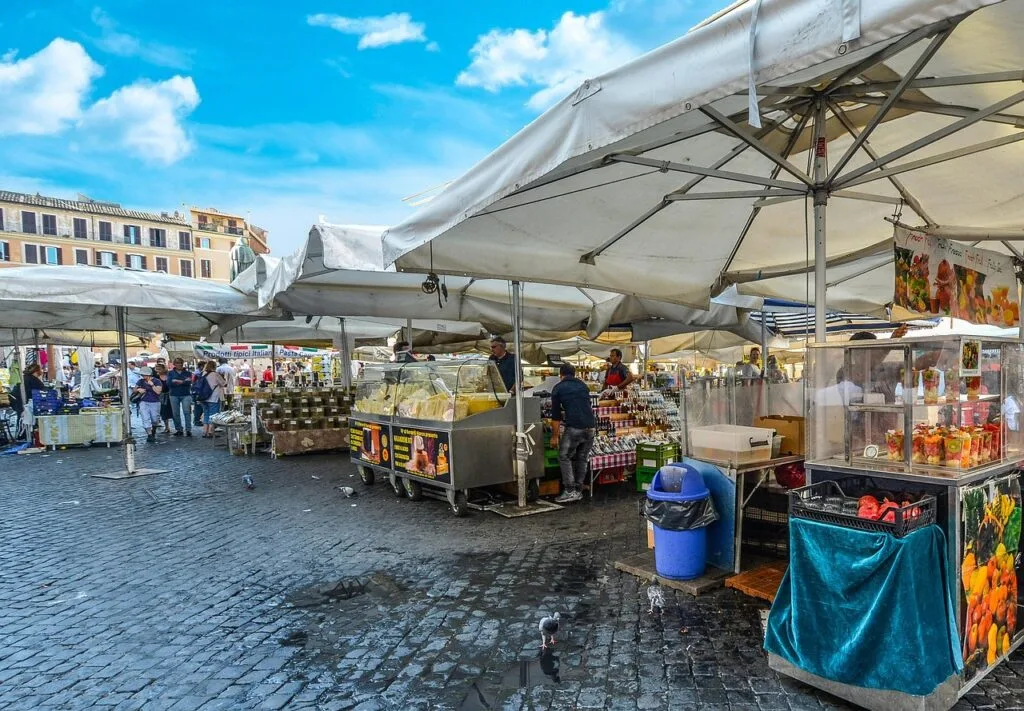
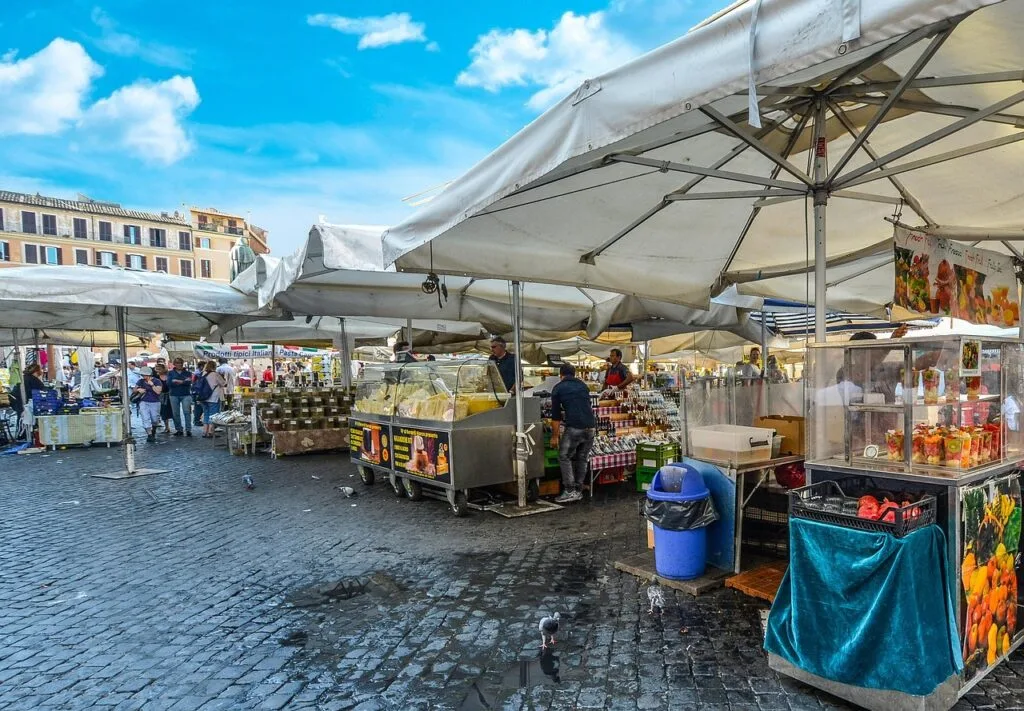
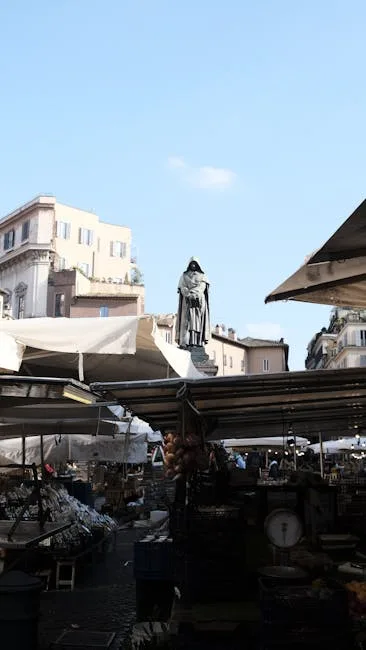
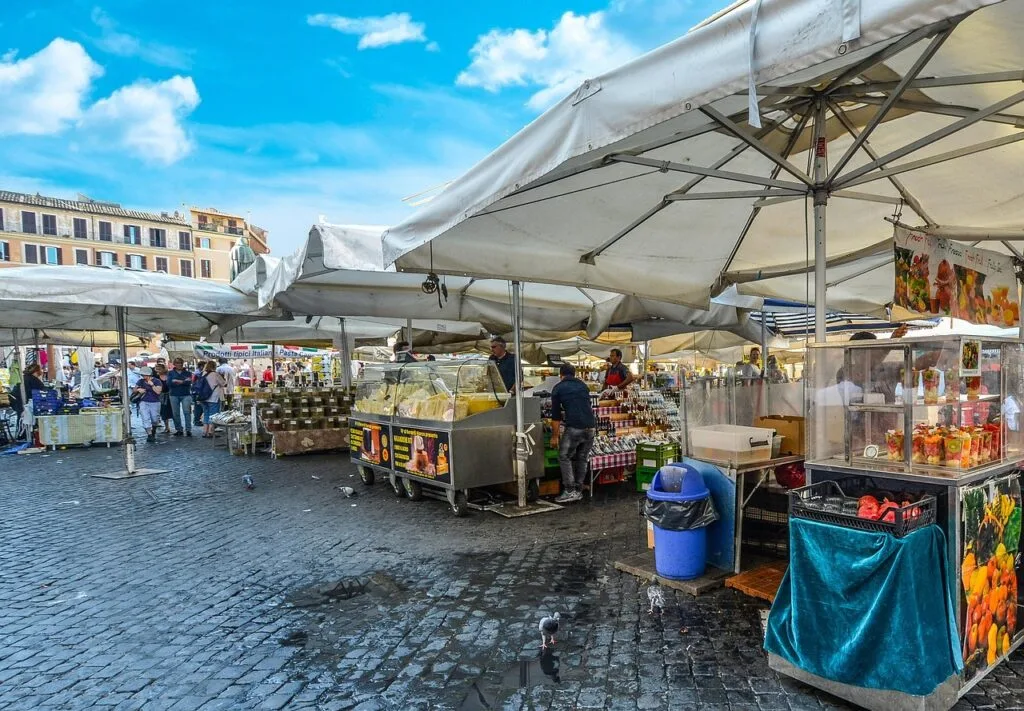
The Campo de’ Fiori market is one of Rome’s most vibrant, sensory-soaked spots: a cobbled square, colorful stalls, vendors shouting, the smell of warm bread and citrus, and the steady gaze of the Giordano Bruno statue that presides over the center of the piazza. Nestled in the heart of the historic center between Piazza Navona and the Jewish Quarter, this daily market draws busy locals and curious visitors alike looking for fresh produce and authentic atmosphere. The square’s official address is Piazza Campo de’ Fiori, 00186 Roma RM, and the market runs mainly Monday to Saturday in the morning.
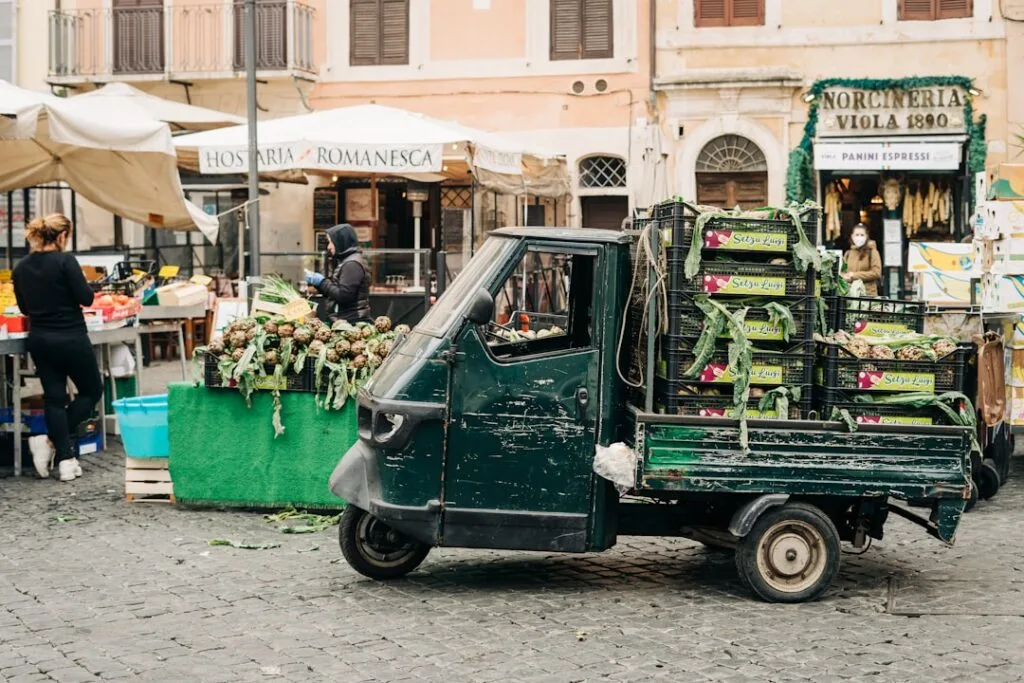
What people come for at Campo de’ Fiori isn’t just groceries — it’s an experience: buying fragrant tomatoes as if you had a Trastevere vegetable patch at hand; picking up a bunch of fresh herbs to flavor a carbonara; grabbing a still-warm slice of pizza al taglio and letting the rhythm of the square draw you in. The market is also a great starting point to understand Roman food culture: goods from the Campagna Romana, cheeses, cured meats, olives, olive oil, fresh pasta, seasonal fruit, and even artisan preserves and spices.
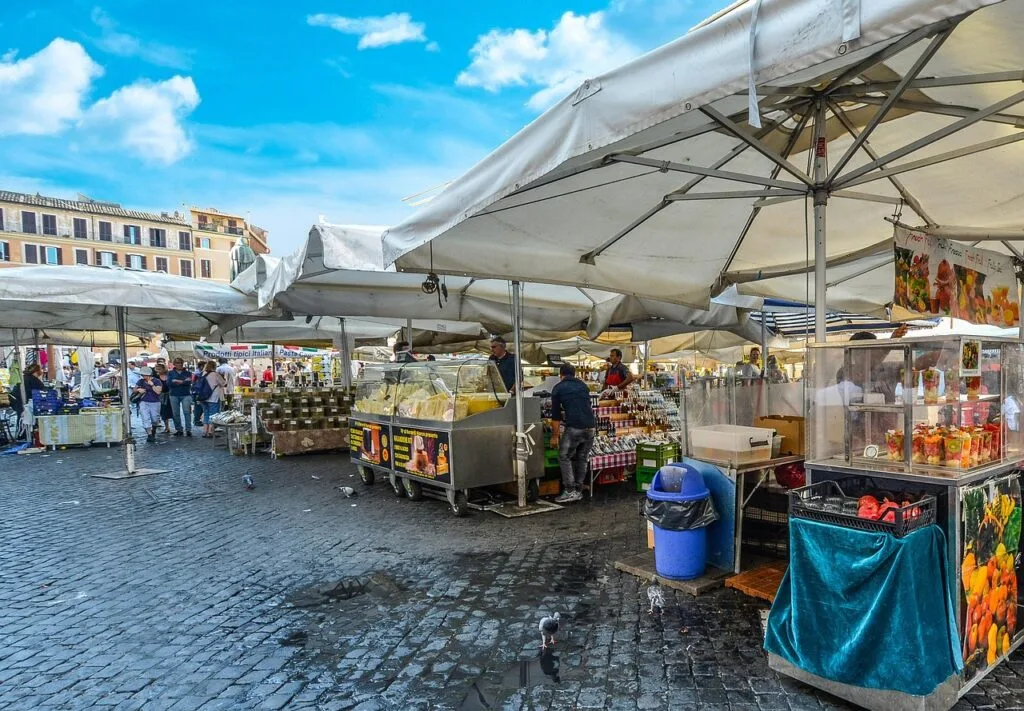
Expect a blend of scents — lemon, basil, bread, coffee — and an ordered cacophony: vendors calling customers, selling by the piece, sometimes haggling over bulk. The stalls have stories: some florists and greengrocers have worked the square for decades; other artisans sell Italian specialties to go, like supplì (fried rice croquettes filled with mozzarella) usually priced around €3–4, and pizza al taglio slices for roughly €2–4 each.
This guide offers a full foodie walk: how to find your way around the market, which products to favor by season, where to stop for coffee or a tasting, which artisans and shops nearby are worth knowing (with addresses and opening hours), and practical tips for bargaining, storing your purchases and extending your gastronomic stroll into the surrounding streets. Whether you’re a food traveler, a home cook, or just curious, this immersion in Campo de’ Fiori will give you keys to taste Rome authentically, respect the local rhythm, and enjoy the best flavors at fair prices.
History, vibe and layout: getting to know the market
Campo de’ Fiori market has roots stretching back to the Middle Ages but took on its current shape in the 17th century: the square, once called « campus floridus » (flowered field), was a place of social, political and commercial ferment. Today, the statue of Giordano Bruno, erected in 1889 and standing in the exact center of the piazza, dominates the space and is a handy landmark to meet friends. The square itself — Piazza Campo de’ Fiori, 00186 Roma RM — is lined with historic buildings, cafés and shops, giving the market an atmosphere that’s both local and very touristy.
The vibe shifts with the hour: from around 7–8am (vendors often set up from 7am) the square fills with early-morning shoppers and restaurateurs picking the best produce. The official market usually winds down by 2pm (typical opening hours are 8:00 – 14:00 Monday to Saturday, though times vary with season and seller), and on Sundays the piazza changes — food stalls are gone and the area becomes a meeting spot full of restaurants and bars, especially lively at night. Note that these hours can change for local holidays or religious feast days; check municipal notices or local information if you’re planning a specific visit.
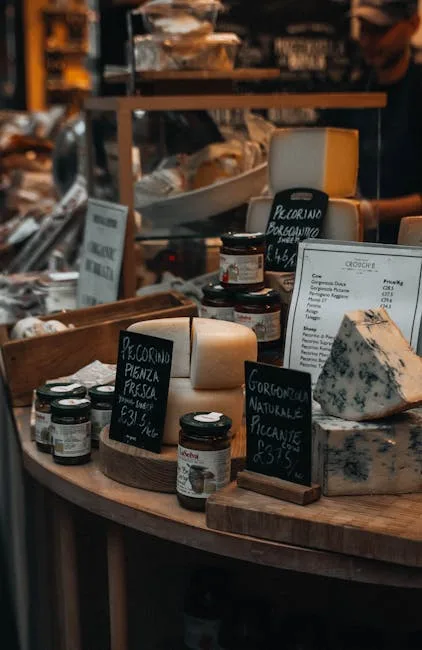
The range of products is wide: greengrocers with seasonal fruits and vegetables (tomatoes, melons, Roman artichokes), herb stands, cheeses (pecorino Romano, fresh ricotta), cured meats (guanciale, pancetta), fish stalls (availability varies), and specialty stands (artisan honeys €6–12 for 250g jars, local extra-virgin olive oils €8–25 for 250–500ml bottles). Prices are indicative and depend on quality and origin.
Practical tip: arrive early to avoid the crowds and get the best selection, especially for delicate items like herbs and early-season vegetables. If you plan to buy in bulk (cheeses, oil, preserves), bring a cooler bag or ask the seller if they can seal your purchase — some vendors accept cards, but many prefer cash for small transactions, so carry a few euros in bills to make things easier.
Must-buy products: a foodie pick with price ranges
Campo de’ Fiori stands out for the quality and variety of its produce. Here’s a list of emblematic items to seek out and typical price brackets you’ll encounter:
- San Marzano or heirloom tomatoes: €2–4 per kilo depending on season. Intense flavor for sauces and salads.
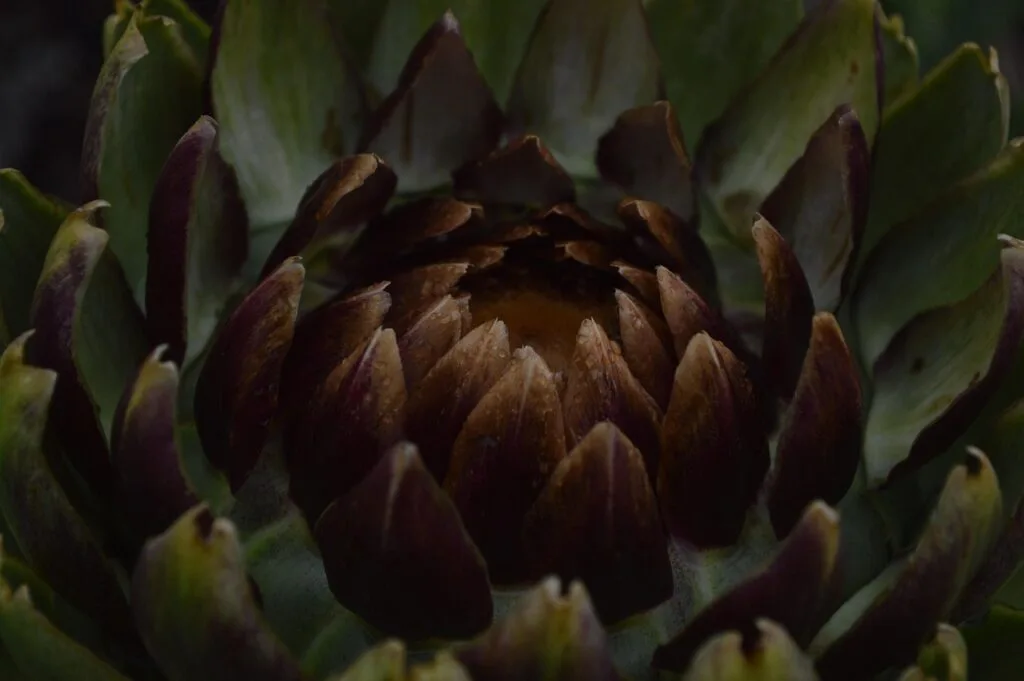
- Carciofi alla romana (Roman artichokes): €1.50–3.50 each depending on size and season (peak season late winter to spring).
- Pecorino Romano: €2.50–5 per 100g slice, or €15–30 for a whole wheel depending on aging.
- Guanciale (cured pork cheek, key for carbonara): €4–8 for 200–300g.
- Supplì (Roman street food): €3–4 each depending on filling (mozzarella, ragù).
- Pizza al taglio: €2–3.50 per slice, available at nearby bakeries or specialty stands.
- Local honey: €6–12 for a 250g jar, varieties like spring blossom or chestnut.
- Local extra-virgin olive oil: €8–25 per 250–500ml bottle (taste if you can).
- Artisan cheeses and homemade preserves (pestos, sun-dried tomatoes): €4–10 depending on preparation.
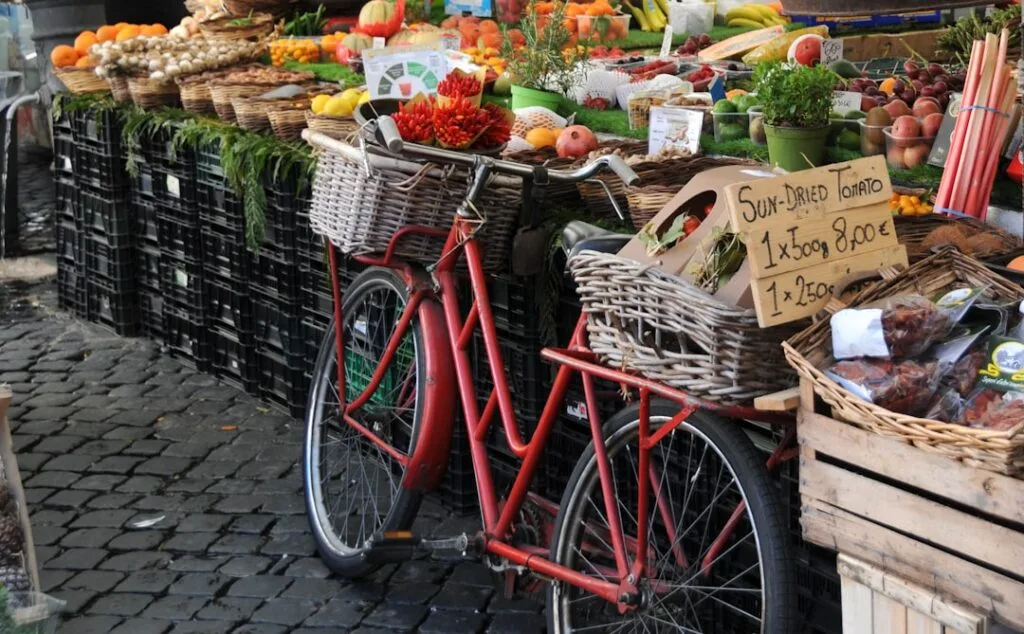
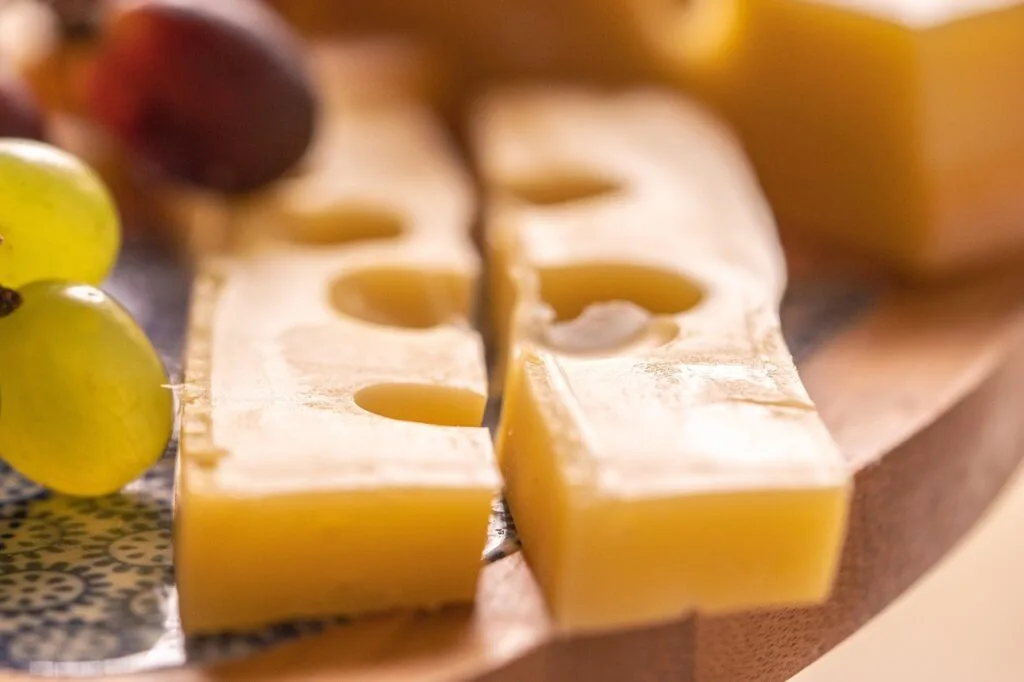
The best approach is to taste: many producers offer small samples of cheese, a drizzle of oil, or a slice of cured meat. For pricier items like olive oil or aged cheeses, ask for a sample and inquire about origin. Greengrocers love to talk about seasonality — start a conversation to learn about farming methods or local varieties.
Buying tip: if you purchase several items from the same vendor, don’t be shy to ask for a small discount (5–10%) — a simple « Mi fa uno sconto? » usually works. For small purchases use cash; for bottles and fragile goods ask for double wrapping or cling film for transport.
Food stops around the market: cafés, bakeries and trattorie you shouldn’t miss
The market sits within a dense network of places to eat and drink. Just steps away are historic and modern spots worth visiting. Here’s a curated list with exact addresses, rough opening hours and specialties:
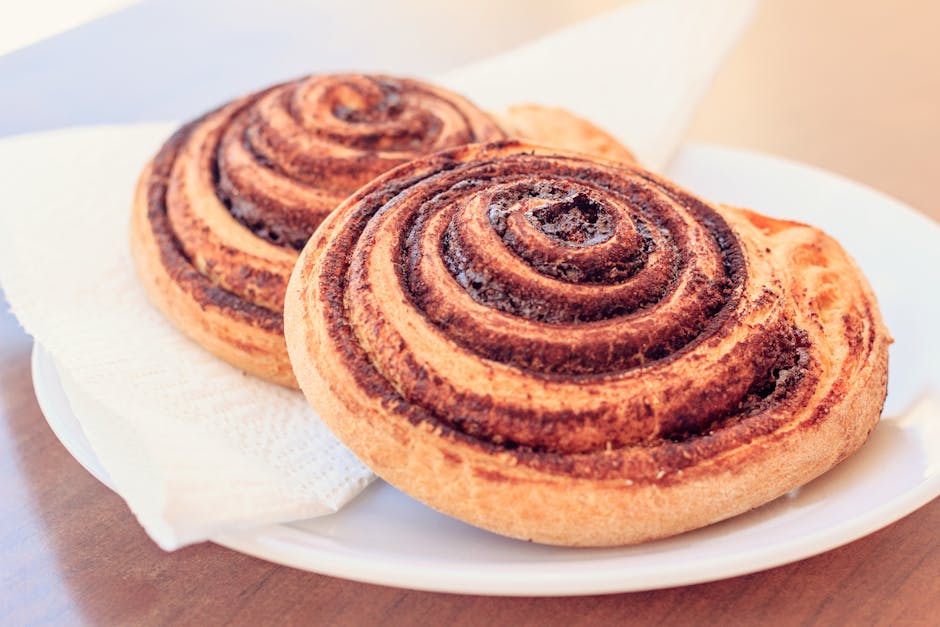
- Forno Campo de’ Fiori — Piazza Campo de’ Fiori, 22, 00186 Roma RM. Historic bakery for pizza al taglio, bread and pastries. Hours: 7:00 – 20:00 (daily). Prices: pizza slice €2–3, cornetti €1.20–2.
- Roscioli Salumeria con Cucina — Via dei Giubbonari, 21/22, 00186 Roma RM. Fine salumeria and cheese shop with a wine cellar and a small restaurant. Hours: 9:00 – 23:00 (daily). Prices: boards €12–25, pasta dishes €16–22.
- Antica Drogheria Marchi — Via dei Cappellari, 53, 00186 Roma RM. Specialty groceries, fine foods, oils and preserves. Hours: 9:00 – 19:00.
- Trattoria da Pancrazio — Via dei Cappellari, 26, 00186 Roma RM. Traditional Roman trattoria with moderate prices. Hours vary, often 12:00 – 15:00 and 19:00 – 23:00. Prices: antipasti €6–12, pasta dishes €10–16.
- La Bottega del Caffe — a small spot for a quick standing espresso, Via dei Chiavari (near the market). Espresso €1–1.50, cappuccino €1.50–2.50.
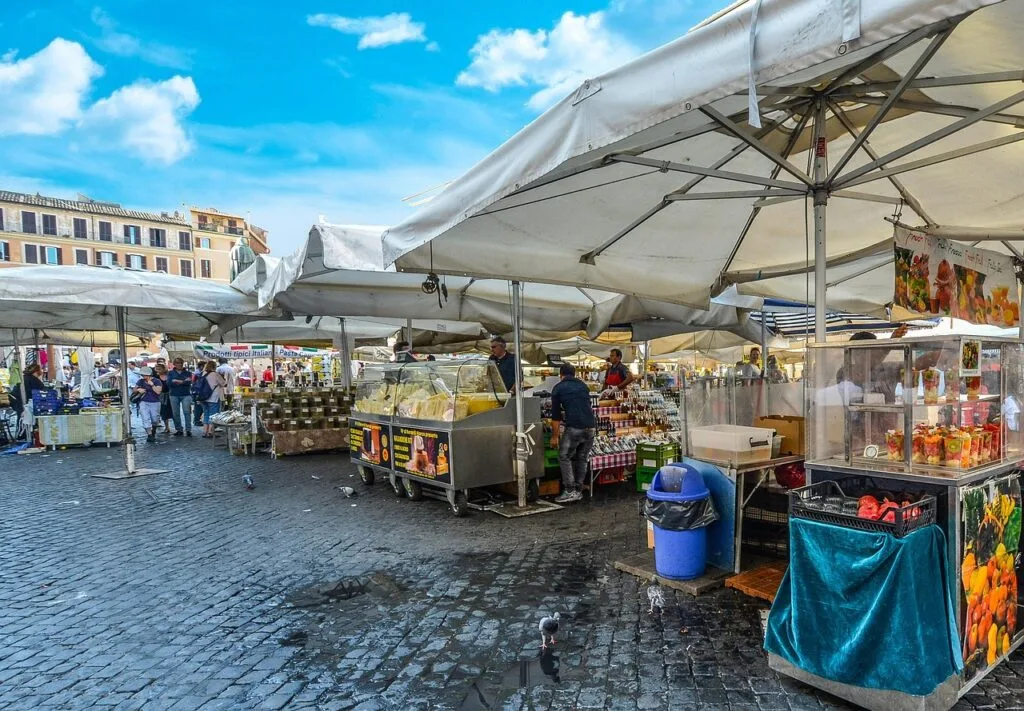
Practical tip: busy hours are between 9am and noon; to eat in a popular trattoria without a long wait, aim for a late lunch around 1:30–2pm or book ahead if possible. For an aperitivo after your visit, several bars on the square offer spritzes or glasses of wine for about €6–12.
How to visit: a step-by-step foodie itinerary and tasting suggestions
To get the most from Campo de’ Fiori, here’s a step-by-step foodie route suited to a 2–3 hour morning visit:
- 7:30 – 8:15: Arrive early to watch the stalls being set up. Start with a standing espresso at La Bottega del Caffe to wake up and breathe in the morning air. Price: €1–1.50.
- 8:15 – 9:00: Wander through the fruit and vegetable stalls. Look for seasonal produce — Roman artichokes (€1.50–3.50), seasonal strawberries (€3–6 per punnet). Ask for a small cheese sample at a local cheese counter.
- 9:00 – 9:30: Stop at Forno Campo de’ Fiori (Piazza Campo de’ Fiori, 22) for a hot slice of pizza al taglio or a cornetto. Price: pizza €2–3, cornetto €1.20–2.
- 9:30 – 10:15: Sample savory items at Roscioli Salumeria (Via dei Giubbonari, 21/22) or have guanciale and pecorino packed up for a dinner back at your apartment. Price: guanciale €4–8 for 200–300g, pecorino €2.50–5 per 100g.
- 10:15 – 11:00: Stroll over to Piazza Navona (about five minutes) or explore the nearby side streets to discover fine-grocery shops and tiny trattorie.
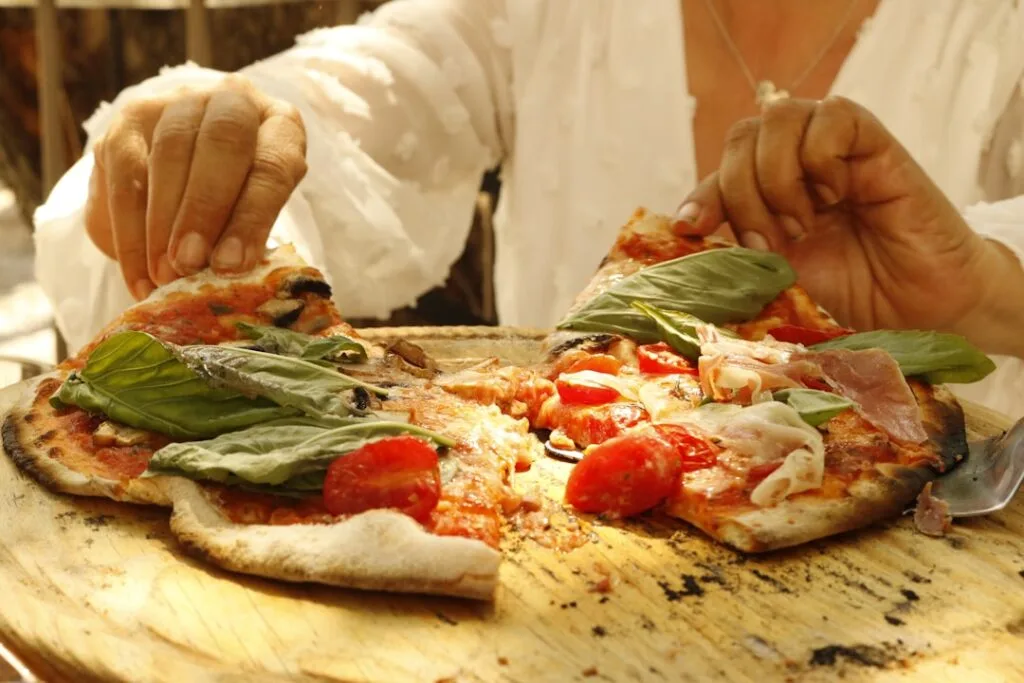
For tastings, prioritize local products and ask where they come from: small farms in the Roman countryside often taste very different from industrial fare. If you’re heading back to a hotel, keep meats and cheeses cool — bring cooler bags or ask for special wrapping. And always respect seasonality: the best products are seasonal, both for price and flavor.
 Click here to book your guided tour of the Pantheon
Practical tips and local etiquette
Blending in like a local will help you get the most out of the market. Here are practical tips and etiquette rules to follow:
- Hours: the market runs mainly in the morning (8:00 – 14:00), with food stalls reduced or absent on Sundays.
- Payment: favor cash for small purchases; some stalls take cards but check first. Keep €5 and €10 notes handy for change.
- Bargaining: be friendly and brief: « Mi fa uno sconto? » (Can you give me a discount?) works for bundled purchases, but stay respectful — many vendors rely on daily small earnings.
- Wrapping: for fragile or smelly items (cheese, cured meats), ask for double wrapping and a resealable bag; for oil bottles, pack them upright in a rigid carrier.
- Transport: avoid leaving purchases in the sun; use cooler bags or eat perishable items soon after buying.
- Safety: as in any tourist spot, watch for pickpockets. Keep personal items close to your body, especially at peak times.
One final tip: learn a few basic food-related Italian words. Saying « buono » (good), « grazie » (thank you) or « quanto costa? » (how much?) will open doors and bring smiles. Romans value respect and curiosity about their cuisine.
Events, special markets and nearby alternatives
Beyond the daily market, Campo de’ Fiori sometimes hosts themed events: summer night markets, artisan stalls, pop-up food events and street festivals. These are announced by the city or local associations; check Rome’s official site or local noticeboards for exact dates.
If you want similar but different experiences, here are alternatives and complementary spots to visit:
- Mercato di Testaccio — Via Galvani, 00153 Roma. A large covered food market known for its meat, fish and cheese stalls and for street food. Hours: generally 6:00 – 14:00 (day-dependent).
- Mercato Centrale Roma — Via Giovanni Giolitti, 36 (near Termini station). A modern covered market with food stalls and restaurants, perfect for a full meal. Hours: often 10:00 – 24:00 depending on vendors.
- Piazza Navona market (seasonal) — Occasional craft and local product markets, especially around holiday periods.

These alternatives let you explore other sides of Roman gastronomy: from Testaccio’s lively, popular market and street food to the more polished, tourist-friendly Mercato Centrale. Mix and match depending on your mood: Campo de’ Fiori for authenticity and outdoor buzz, Testaccio for meats and street eats, and Mercato Centrale for a covered, comfortable option.
Conclusion
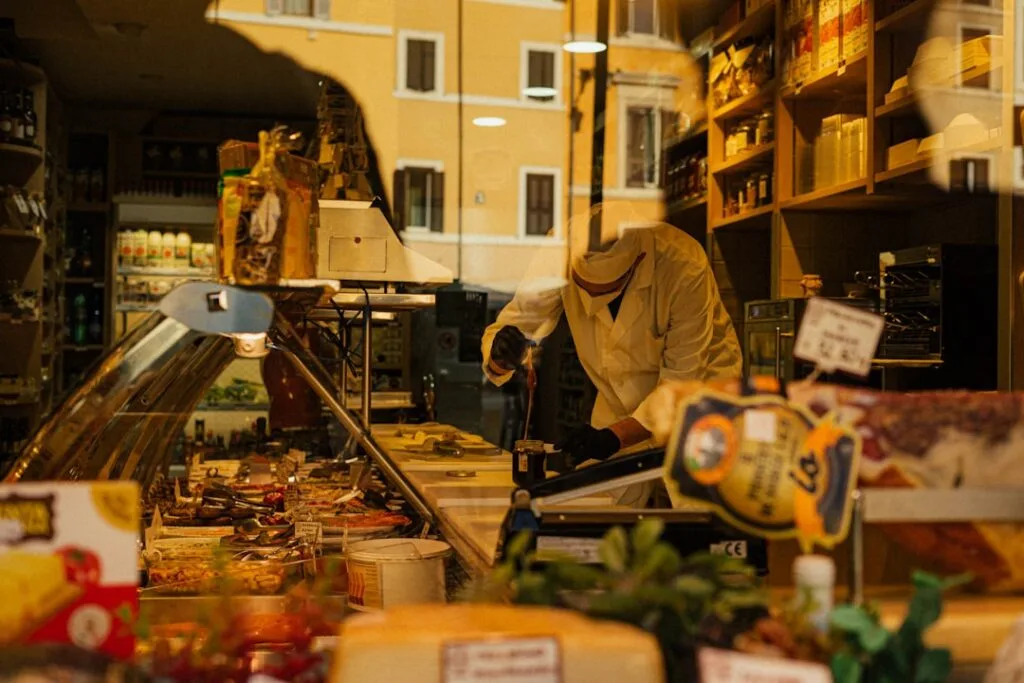
Campo de’ Fiori market is more than a place to shop: it’s a gateway into Roman culture, a stage where every stall tells a seasonal, terroir-driven story of craft and know-how. Wandering among baskets of tomatoes, rows of cheeses and platters of cured meats, you touch the vitality of a city that lives through its flavors. The central address — Piazza Campo de’ Fiori, 00186 Roma RM — makes it easy to include the market in a wider walking route: Piazza Navona, the Pantheon, the Jewish Quarter are all within easy reach. Morning hours (generally 8:00 – 14:00, Monday to Saturday) mean arriving early will give you the best experience.
Bring a few euros in cash, a small cooler bag for perishable buys, and real curiosity: taste, chat, ask where things come from. Stop at Forno Campo de’ Fiori (Piazza Campo de’ Fiori, 22) for a slice of pizza al taglio, step into Roscioli Salumeria (Via dei Giubbonari, 21/22) for a more structured tasting, and roam the side streets to find fine-food shops and tiny trattorie.
Finally, respect the place and its vendors: buy what you need, use the bins provided, and leave the square as you found it. Campo de’ Fiori isn’t just a market — it’s a small urban theater where every morning rings with human voices and aromas that tell the story of Rome. When you leave, you’ll take home more than products: you’ll bring back olfactory and gustatory memories that will extend your stay long after you return home.
Click here to book your guided tour of the Pantheon