





Introduction
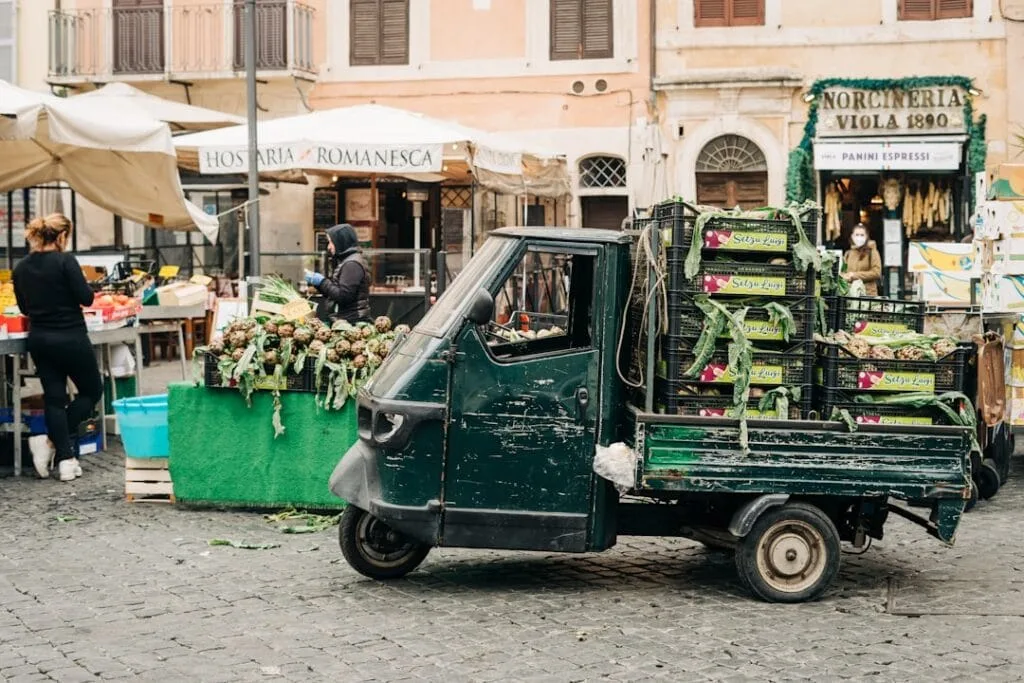
Rome is not just a city of ancient ruins and baroque fountains: it’s a huge living pantry where local markets pump culinary life into the capital. Wandering through a Roman market feels like touching a rustic Italian tradition blended with metropolitan energy — sun‑kissed citrus piled high, cheeses with powdery rinds, and street‑food stalls sending up irresistible aromas. These places are essential for anyone who wants to understand Rome’s food culture: they reveal seasonal produce, preservation methods, regional specialties and the friendly art of haggling.
In this piece I’ll take you to Rome’s most iconic food markets: Campo de’ Fiori, Mercato Centrale (Termini), Mercato di Testaccio, Porta Portese and Mercato Trionfale. For each spot you’ll find typical opening hours, realistic price indications, practical tips and immersive descriptions so you know what to buy, when to go and how to make the most of the experience. Whether you’re after the best Piennolo tomatoes for sauce, a wedge of aged pecorino, a crispy slice of porchetta or a steaming supplì, these markets are your go‑to addresses.
Roman markets are also life lessons: you learn to choose a violet artichoke, recognize a fruity extra‑virgin olive oil, politely haggle over a kilo of citrus and spot stalls where quality matters more than quantity. They also offer fantastic photo opportunities — colors, gestures, textures — and are often just steps from monuments or charming neighborhoods, letting you slip easily from culture to cuisine. If you’re planning a Rome trip focused on food, adding these markets to your itinerary will enrich your meals, memories and conversations with locals.
Campo de’ Fiori: the historic market beneath old facades
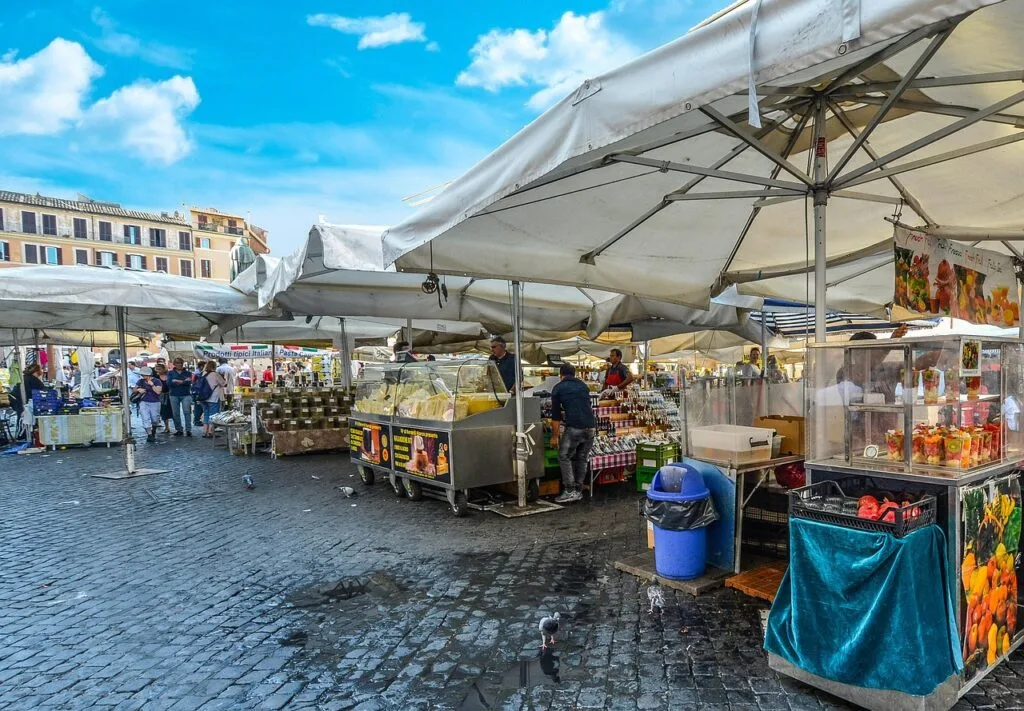
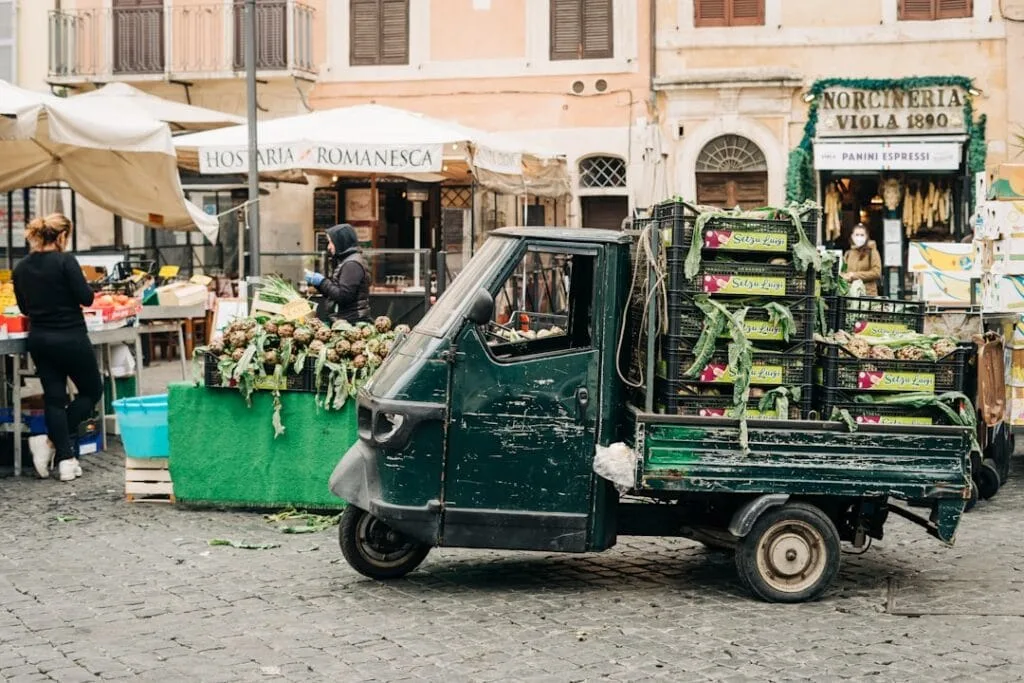
The Piazza Campo de’ Fiori (00186 Roma RM) is one of Rome’s best‑known markets. Located in the city’s heart, between Piazza Navona and the Jewish Ghetto, it usually runs every morning from 7:00 to 14:00 (hours may be shortened or different on Sundays; check locally). The square used to be the site of public executions — a striking contrast between somber history and contemporary vitality.
Stalls here overflow with seasonal fruits and vegetables: San Marzano or Piennolo tomatoes (from about €2,50–€4,00 per kilo depending on variety and season), Sorrento lemons (€1,50–€3,00 per kilo), fresh herbs and wild mushrooms when in season. You’ll also find artisan cheeses like Roman pecorino (€15–€25 per kilo) and buffalo mozzarella sold by weight (€3–€6 per ball depending on size).
On the street‑food front, Campo offers stalls where you can grab a supplì (fried rice ball, often with ragù and mozzarella) for around €2,50–€4,00, or a porchetta panino for €5–€7. Quality varies: look for queues or stalls where food is prepared in front of you — a sign of popularity and freshness.
Practical tips: aim for the morning between 8:00 and 10:30 for the best selection; bring reusable bags; carry coins for a quick coffee (espresso €1–€1,50), and avoid the tourist lunch rush around noon if you want a more local experience. The market is a 5–10 minute walk from Piazza Navona and served by multiple bus lines.
 Click here to visit the Pantheon and taste some wine

Mercato Centrale Roma (Termini): the temple of modern culinary craft
The Mercato Centrale Roma is located at Termini station, at Via Giovanni Giolitti 36, 00185 Roma. It’s a modern covered hall that brings producers, artisans and small trattorie under one roof. Opening hours are generally 7:00 to 00:00 (some stalls may close earlier; most are open daily). The experience here is both convenient for travelers and exciting for fans of contemporary cuisine.
You’ll find fine‑food counters, bakeries, fishmongers, butchers and stalls serving prepared dishes. Prices vary: a cheese or charcuterie platter for two can cost €12–€20, a pizza al taglio between €3–€5, a risotto or hot dish €8–€15 depending on the chef. Artisanal products like fresh pasta or homemade sauces range €4–€10 for a takeaway portion.
The atmosphere is friendly and cosmopolitan: young chefs, local foodies and tourists mingle. The market often hosts events: cooking workshops, olive oil tastings and pasta classes. If you’re traveling by train, it’s the perfect spot for a quick but quality meal before departure or after an early arrival.
Practical tips: for edible souvenirs, favor stalls offering vacuum‑packed goods or artisanal pasta, easier to carry. Restrooms and accessible facilities are well marked inside the hall. To avoid crowds, try late afternoon or early evening for an aperitivo.
Choose a field experience
Prefer weekday mornings: weekend crowds reduce selection and stall tranquility.
1. Flexible food tour
Flexible, budget-friendly route to scout producers and taste Roman classics at your own pace: 1–4 hour options, morning, afternoon or evening — perfect if you want to sample without a big commitment.
- ⏱️ Duration : 1–4 hours
- 🚶 Format : Walking tour, short or long options
- 🗣️ Languages : English
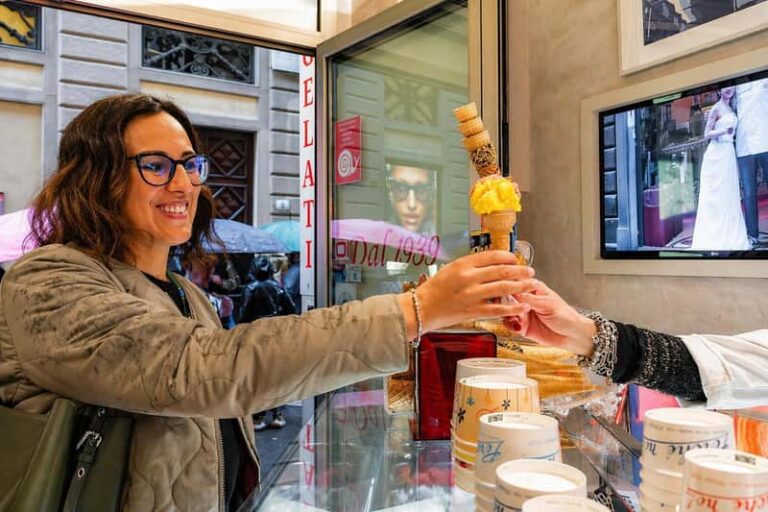
2. Street food in the heart of Campo
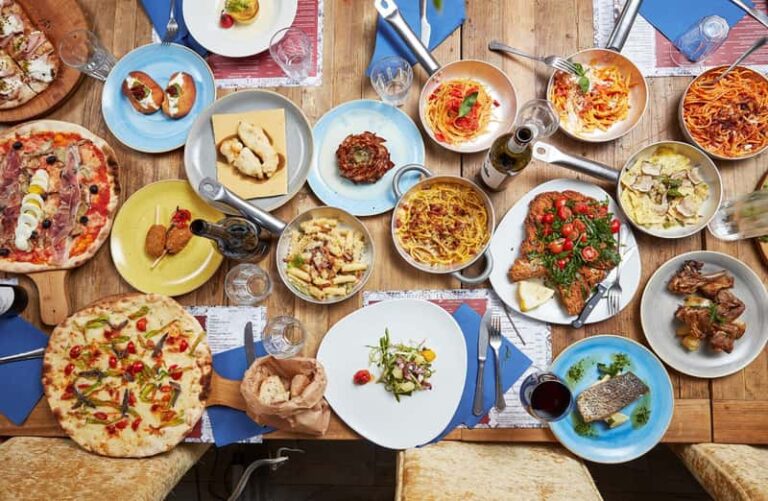
Walk focused on Campo de’ Fiori and the Ghetto: targeted tastings (supplì, porchetta, gelato) and local stories in 2.5 hours — ideal for a tasty, cultural stop.
- ⏱️ Duration : 2.5 hours
- 📍 Route : Campo de’ Fiori → Jewish Ghetto → nearby sites
- 💡 Highlight : Authentic street tastings
- 🗣️ Languages : English
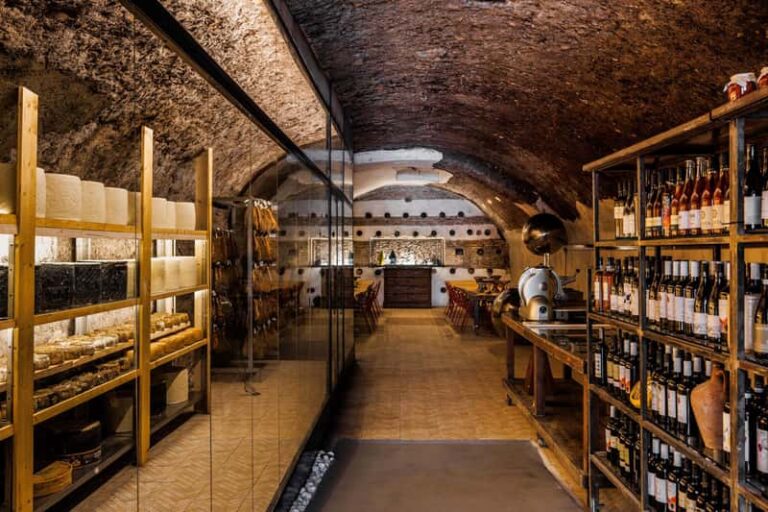
3. Exclusive tasting in Testaccio
Intimate session in an aging cellar: 5 PDO cheeses and 5 cold cuts from Lazio, with two glasses of wine — an artisanal dive into history and unique flavors.
- ⏱️ Duration : 1 hour
- 🍹 Includes : Cheeses, cold cuts and 2 glasses of wine
- ❤️ Perfect for : Fans of rare products and authentic settings
- 🗣️ Languages : Italian, English
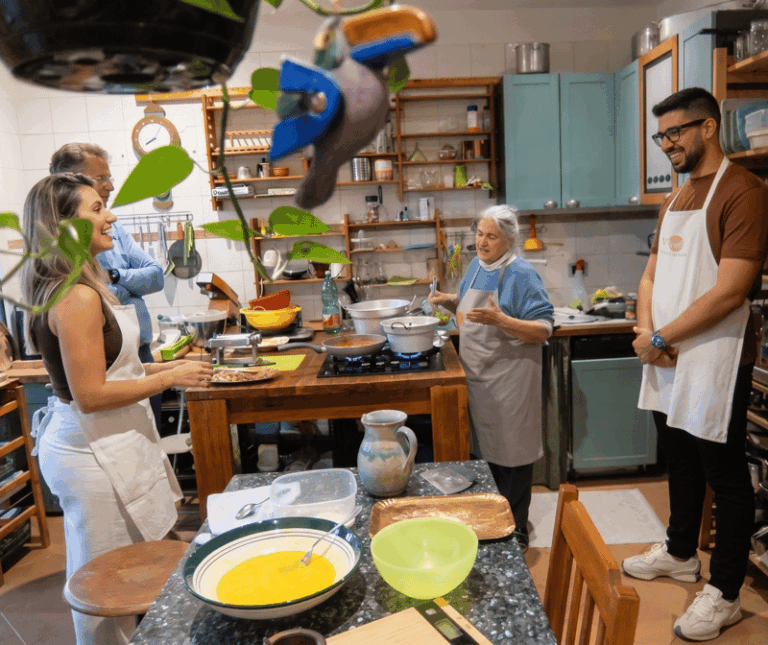
4. Pasta class in Testaccio
Hands-on workshop to master cacio e pepe, amatriciana and carbonara: making pasta, cooking and sharing the meal with wine — solid, hands-on training for budding cooks.
- ⏱️ Duration : 3.5 hours
- 👥 Format : Group workshop with tasting
- 🍽️ Meal : Full meal included (wines and dessert)
- 🗣️ Languages : English, Italian
Mercato di Testaccio: the culinary tradition of working‑class Rome
Situated in the working neighborhood of Testaccio, the Mercato di Testaccio sits around Piazza Testaccio / Via Beniamino Franklin, 00153 Roma. This market is known as one of Rome’s most authentic, with a strong tradition of quality products and stalls offering Roman specialties. Opening hours are generally Monday to Saturday, 7:00–14:00, and some stalls/restaurants stay open in the evening for locals.
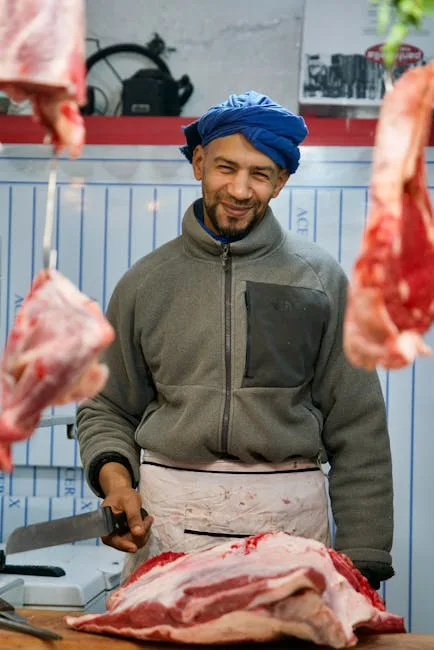
Chefs and food lovers prize this market for its selection of local meats, fish and vegetables. You’ll find artisanal porchetta, canned fish, fresh pasta and stalls serving prepared dishes: amatriciana, cacio e pepe and seasonal tripe. Prices: a kilo of quality tomatoes €3–€5, a portion of tripe at a deli €6–€9, a porchetta sandwich €5–€8.
The old factory and surrounding warehouses give the neighborhood a repurposed industrial vibe: small canteens, natural wine bars and cooking ateliers round out the market scene. It’s the perfect spot for a food stroll followed by a meal on site, often accompanied by music or local events.
Local tips: arrive early to get the best cuts of meat and fish. Ask producers about seasonality — Romans appreciate transparency. Take the time to chat: vendors are often happy to share traditional recipes. For evening visits, check which stall-restaurants accept reservations.
Porta Portese and Mercato Trionfale: flea finds, treasures and everyday provisions
To round out the experience, two markets deserve a visit: Porta Portese, the flea market, and the Mercato Trionfale, a large food market. Porta Portese takes place on Sundays on Viale di Porta Portese, 00153 Roma, usually from 6:00 to 14:00. Here you’ll find everything: clothes, furniture, old books, but also food stalls offering cold cuts, preserves and local products. Expect to haggle: prices vary widely and are often negotiable.
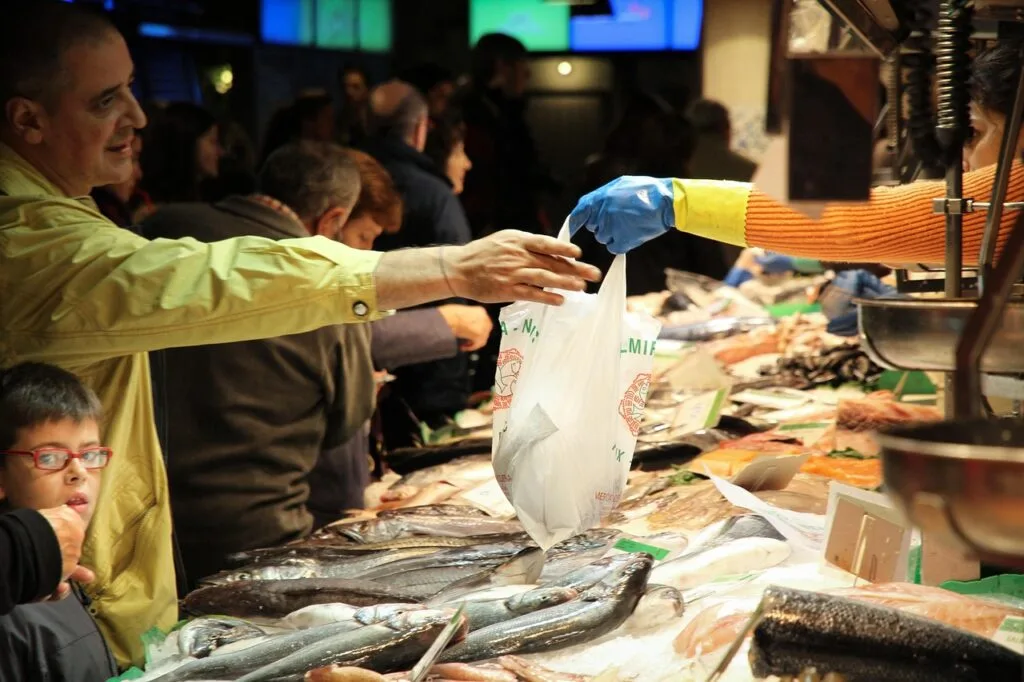
The Mercato Trionfale is one of Rome’s largest food markets, located around the Prati area, with a main point near Via Andrea Doria (check a local map for the exact entrance). Typical hours are Monday to Saturday, 7:00–14:00. You’ll uncover a wide range of products: fresh morning fish, poultry, pastries, regional cheeses and exotic fruit. Prices are often more competitive for bulk buys: extra‑virgin olive oil in tins €10–€20 depending on origin, crates of tomatoes or citrus starting at €5–€15 depending on season.
Practical tips: for Porta Portese, arrive early for the best finds and avoid large bags; watch your belongings. For Trionfale, bring a soft cooler if you buy fish or cold cuts for the day. Use a card only if the stall shows electronic payment; many accept cash only.
Click here to book your tickets for the Vatican Museums
Conclusion
The markets of Rome are a full sensory experience: vivid colours, raw textures, the smell of coffee and basil, vendors’ voices, and a gastronomy that reveals itself stall by stall. Whether you’re a home cook, food photographer or simply a foodie, each market described here will offer discoveries — from the perfect tomato for a sauce to a crispy supplì to eat on the go, and olive oils and cheeses to bring home as souvenirs.
Bring reusable bags, a little cash for quick buys (espresso €1–€1,50, supplì €2,50–€4, porchetta €5–€8) and aim for morning hours for optimal freshness. Respect local habits too: don’t over-tip, but warmly thank stalls that share tips. Finally, keep in mind that opening times can change with the season or public holidays; a quick check before you go will spare you disappointment.
By including Campo de’ Fiori, Mercato Centrale, Mercato di Testaccio, Porta Portese and Mercato Trionfale in your Roman itinerary, you’ll weave a rich, authentic culinary story. These markets are not just places to shop: they’re meeting spaces where Roman culture is expressed — generous, direct and deeply tied to the land. Enjoy and happy discoveries at Rome’s markets!