





Introduction
Rome isn’t just an open-air museum where every street corner tells an age-old story: it’s also a paradise for the senses, where the smell of freshly ground coffee mingles with basil, ricotta and warm bread. Rome’s food markets are lively, popular places essential to understanding the city’s food culture. They bring together local producers, long-standing vendors and young street-food creators, offering a palette of colors, textures and flavors that tell the story of authentic Italy, far from tourist menus. Strolling through a Roman market is a daily ritual — buying fresh ingredients, exchanging a few words with the tomato seller, tasting an olive or a piece of cheese, and finally sitting down for an Italian-style breakfast.
In this article we’ll explore several must-see markets in Rome, giving practical details for each: exact addresses, opening hours, price indications and tips to get the most out of your visit. You’ll find suggestions for enjoying a still-warm focaccia, spotting the best porchetta for a grab-and-go sandwich, or politely haggling for a basket of fruit. The markets described here reflect different facets of the city: historic squares with unchanged charm, modern covered halls that bring artisans and restaurateurs together, and neighborhood markets where Romans do their daily shopping.
Before diving in, some general tips: arrive early if you want to avoid crowds and enjoy the widest selection (between 7:30 and 10:30 is ideal for most markets), carry cash — some stalls take cards but many prefer cash for small purchases — and don’t forget a reusable bag for your shopping. Finally, don’t hesitate to ask for advice: vendors are often proud of their products and happy to offer a tasting or recommend the best way to cook the fish or eggplant of the day.

Campo de’ Fiori – The historic market in the heart of Rome
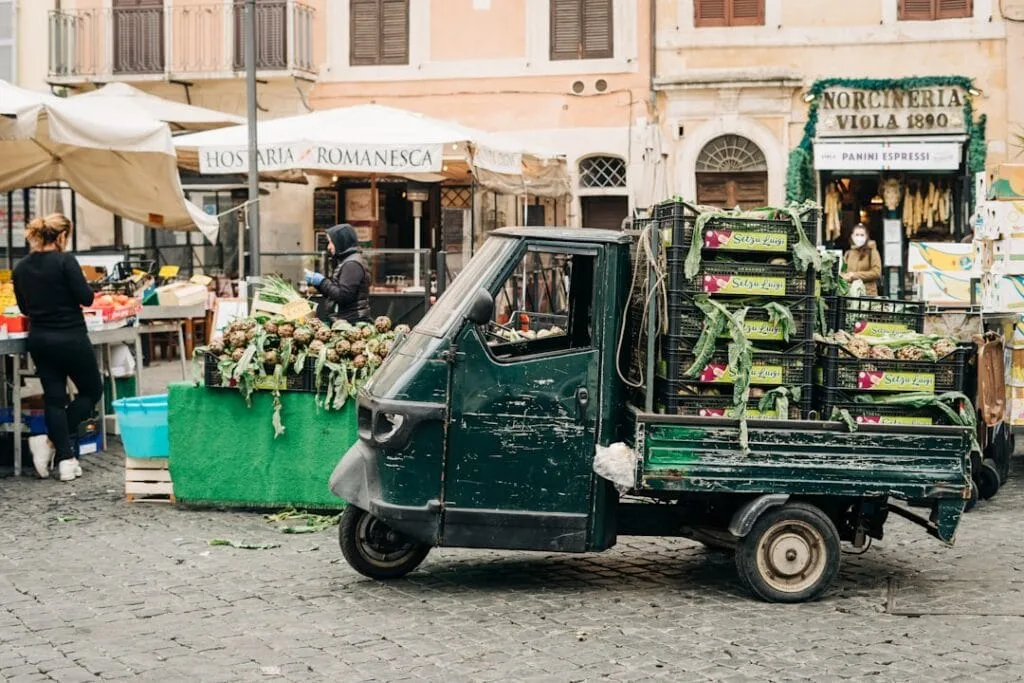
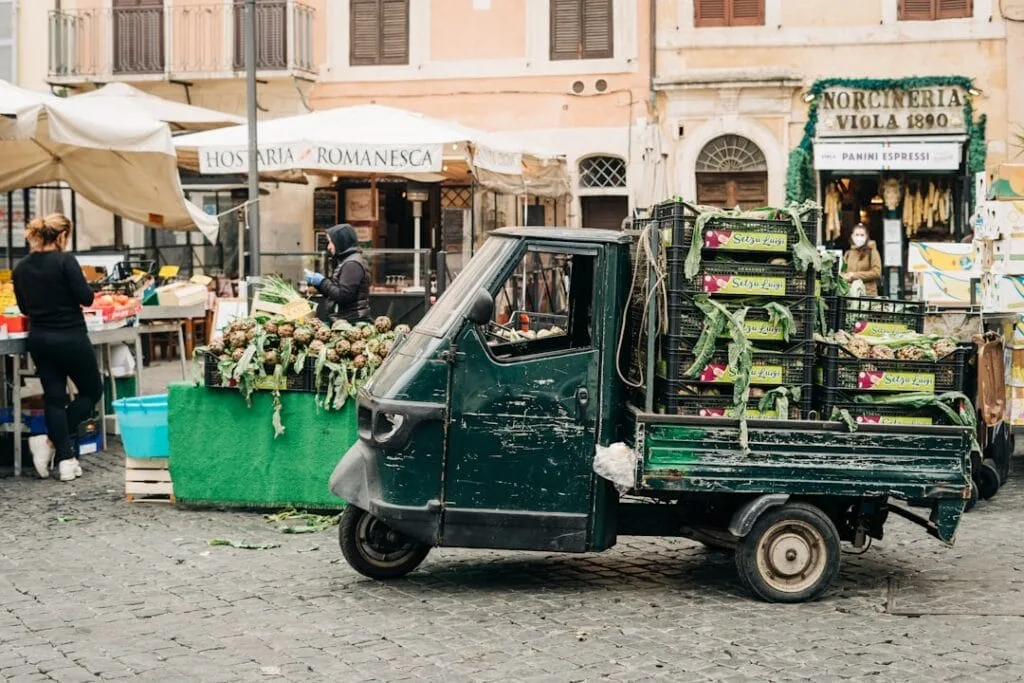
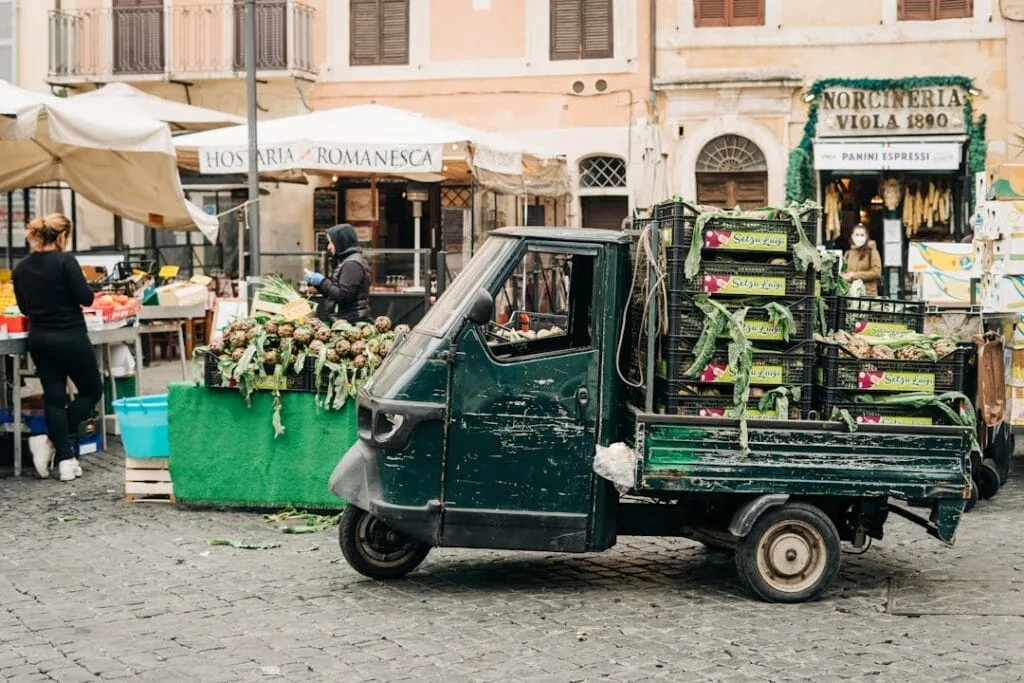
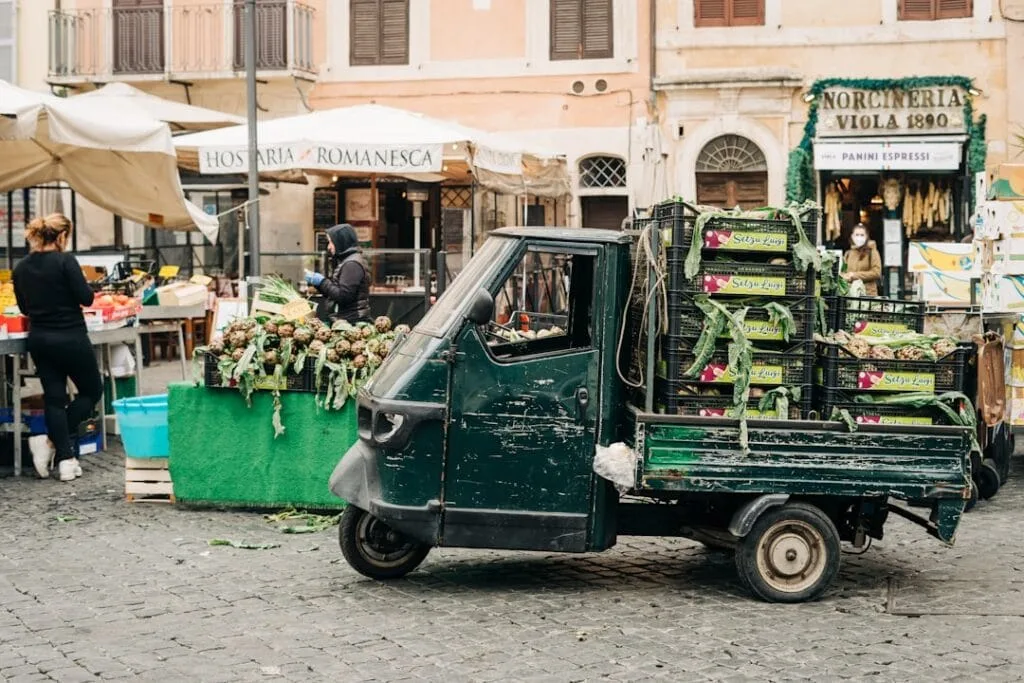
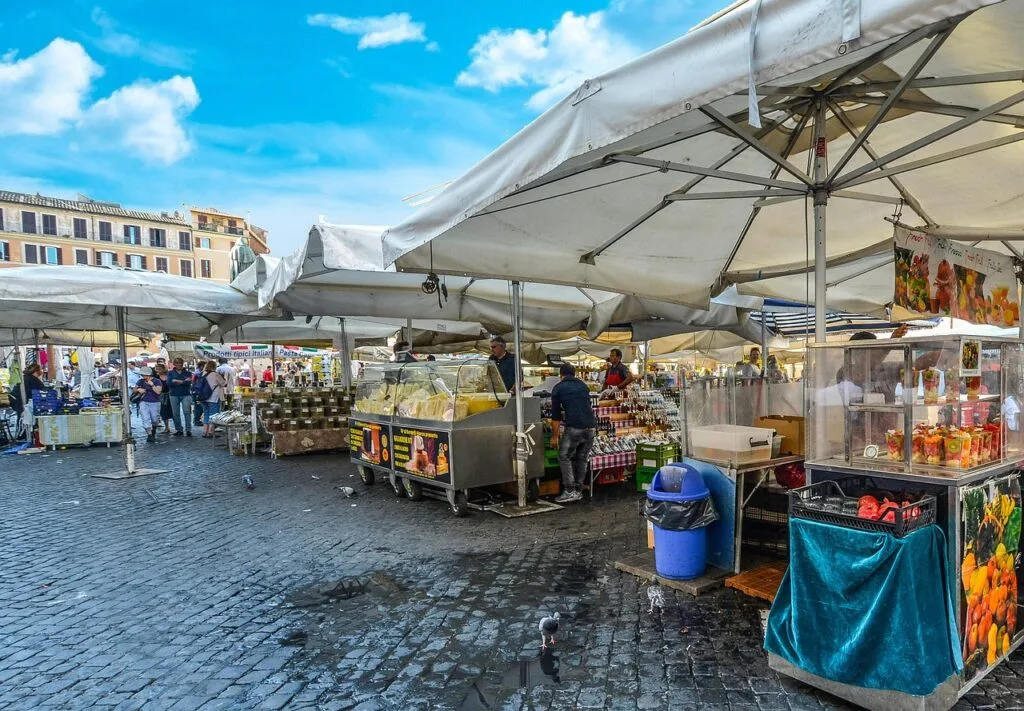
The Mercato di Campo de’ Fiori is arguably one of Rome’s most famous markets, located on the square of the same name since the 17th century. Address: Piazza Campo de’ Fiori, 00186 Roma RM. This open-air market runs all week, but it’s in the mornings, Monday to Saturday, that it truly comes alive. Typical hours: Monday–Saturday 7:00–13:00 (closed on the square on Sundays, although some nearby shops remain open).
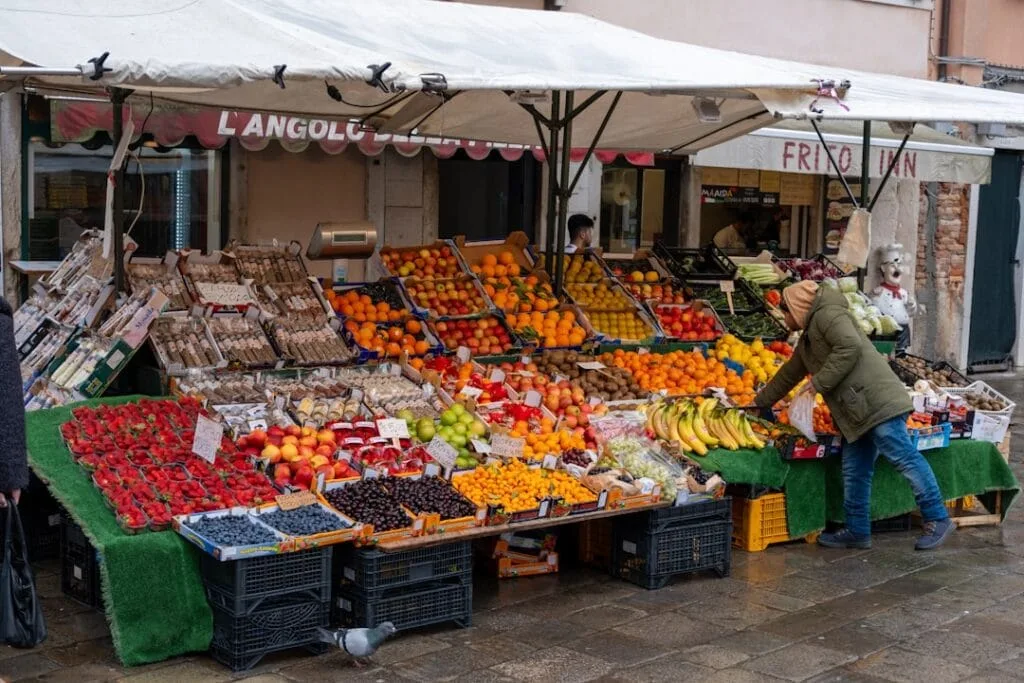
The market is a kaleidoscope: stalls overflowing with San Marzano tomatoes, multicolored peppers, Sicilian lemons, bunches of aromatic herbs (basil, rosemary, cilantro), plus cheese stands — pecorino Romano, buffalo mozzarella — and cured meats (salami, prosciutto). Prices vary by product and season: expect around €2–€4 per bunch of herbs, €1–€3 each for a lemon, €3–€8 per 100 g of cured meat depending on quality.
What makes Campo de’ Fiori special is the mix of traditional vendors and a tourist atmosphere. In the morning you’ll mostly see Romans doing their daily shopping; by late morning the square becomes busier and more touristy. Note: don’t leave your belongings unattended and be alert for pickpockets when the square is crowded. Local tip: spot the stalls that attract locals (queues, shopping bags) — that usually means the products are fresh and of good quality.
For a complete experience, buy tomatoes and bread from a nearby baker, then sit in a small café for an espresso (typical price €1–€1.50) and watch the square’s life. The market is also a place for culinary discovery: you can taste marinated olives, artisan jams (often €3–€6 per jar) and local specialties. Another tip: if you buy delicate items (cheese, cured meats), ask for a « sac isotermico » or eat them quickly to prevent spoilage in the summer sun.
Mercato Centrale Roma – The big gourmet hall near Termini station
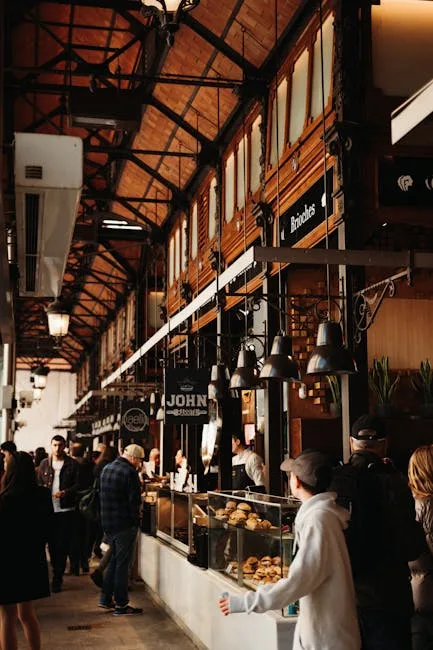
The Mercato Centrale Roma is conveniently located near Termini station: Via Giovanni Giolitti, 36, 00185 Roma RM. This covered, modern market was born from the conversion of an old building and functions as an upscale food hall where artisans, caterers and small on-site eateries mingle. Opening hours: daily 8:00–24:00, though some stalls close earlier (check locally for individual vendors).
Entering Mercato Centrale is like stepping into an exhibition of regional Italian products showcased by chefs. You’ll find stalls dedicated to fresh pasta, bakery goods, aged cheeses, charcuterie, coffee, wines and even international specialties revisited by chefs. Prices are reasonable for a central spot: a portion of freshly made pasta is around €8–€12, a slice of Neapolitan pizza between €3–€5, and a cheese platter for two €10–€18.
Practical tips: Mercato Centrale is ideal for a quick, quality lunch, especially when it rains or the weather is fickle. There are many vegetarian and vegan options, and each stall lists allergens: ask if you have dietary restrictions. For an authentic touch, order an espresso at the counter (€1–€1.50) and wander to follow the best aromas — the vendor will save you a fresh portion. Seating can be limited at peak times (12:00–14:30 and 19:00–21:00): be ready to share a table or eat standing at some counters.
For visitors looking to buy culinary souvenirs, several stalls sell packaged artisanal pasta, homemade sauces and extra-virgin olive oil (bottles from €8). If you want to bring back cheese, ask for vacuum sealing — it keeps well during travel. Finally, the Mercato sometimes hosts culinary events, workshops and tastings; check their official page before you go for the schedule.

Book your foodie experiences
Note: these activities have morning rushes and some stalls close early — plan accordingly. Aim for 7:30–10:30 for outdoor markets and late-afternoon quiet times for covered halls. Bring cash, a reusable bag and, if you plan to take fresh products home, a small insulated bag.
1. Campo de’ Fiori & Ghetto walking tour
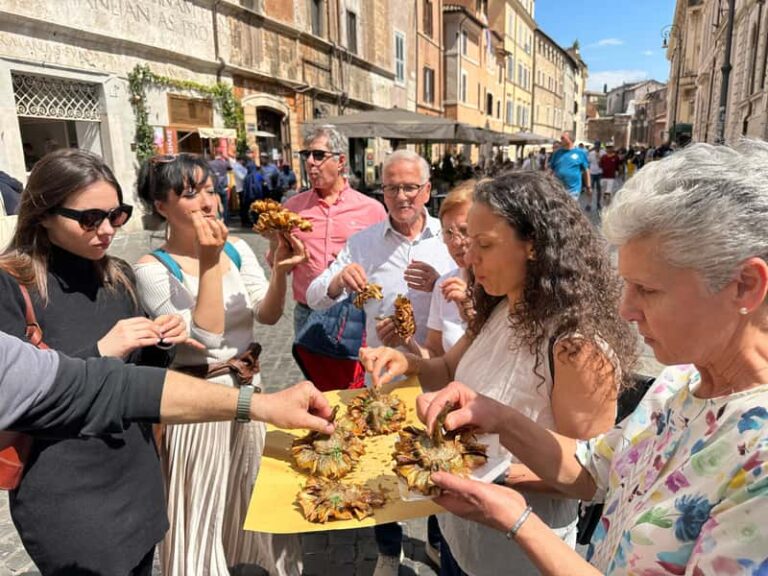
2.5-hour guided stroll mixing the historic Campo de’ Fiori market with the ghetto alleys: tastings (oil, truffle, supplì), local history anecdotes and stops at artisan shops.
- ⏱️ Duration: 2.5 hours
- 🚩 Meeting point: Under the statue of Giordano Bruno, Piazza Campo de’ Fiori
- 🚶 Format: Guided walking tour
- 🗣️ Languages: English
- 💡 Highlight: Balance of local history and tastings (supplì, oil, cured meats)
2. Wine and food tasting in Testaccio
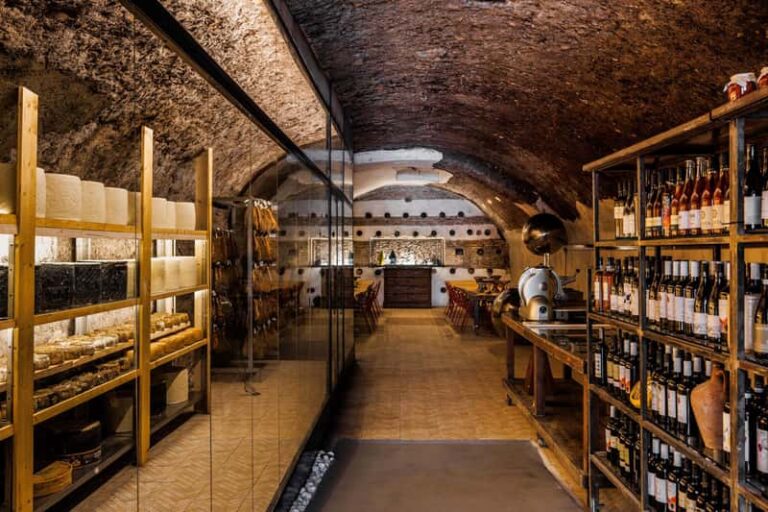
One-hour session in a millenary aging cave: 5 protected-designation cheeses from Lazio, 5 artisanal cured meats and 2 wines. Intimate and sensory — perfect to grasp the flavor profiles of Roman terroir.
- ⏱️ Duration: 1 hour
- 🥂 Included: 5 cheeses, 5 cured meats and 2 glasses of wine
- 💡 Highlight: Tasting in a historic aging cave beneath the Monte dei Cocci
- 🗣️ Languages: Italian, English
Mercato Testaccio (Mercato di Testaccio) – The gastronomic heart of the working-class neighborhood
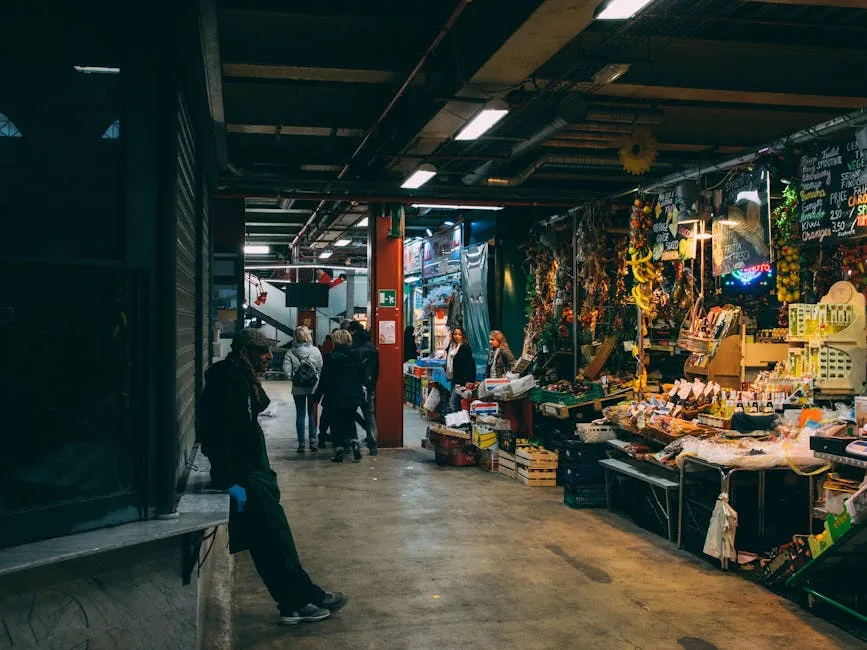
The Mercato Testaccio, also called Mercato di Testaccio, is located in the lively Testaccio district at Via Lorenzo Ghiberti, 00153 Roma RM. It’s a colorful market known for fresh stalls and the contemporary food scene that has sprung up around it. Opening hours: Tuesday to Saturday 7:00–14:00 for the market section; the street-food area has extended hours on some days (check locally).
Testaccio has a culinary history: the neighborhood once housed food warehouses and a large wholesale market, and traditional shops still operate here. The indoor market is made up of many stalls selling fruit, vegetables, fish, meat and regional specialties. Prices are generally fair: a slice of porchetta for a panino costs about €5–€7, a fillet of fresh fish can sell for €12–€25 per kilo depending on the type, and a portion of supplì (rice croquette) is between €2–€3.
What sets Mercato Testaccio apart is its strong local identity: Romans do their daily shopping here, and local chefs often source ingredients from the market. It has also added a refined street-food offer — small-scale gastronomy to eat on site: pizza al taglio, fritto misto, charcuterie and cheese boards. For a signature experience, try a porchetta panino (porchetta di Ariccia) with a glass of local vino; you’ll get a full picture of Roman culinary tradition.
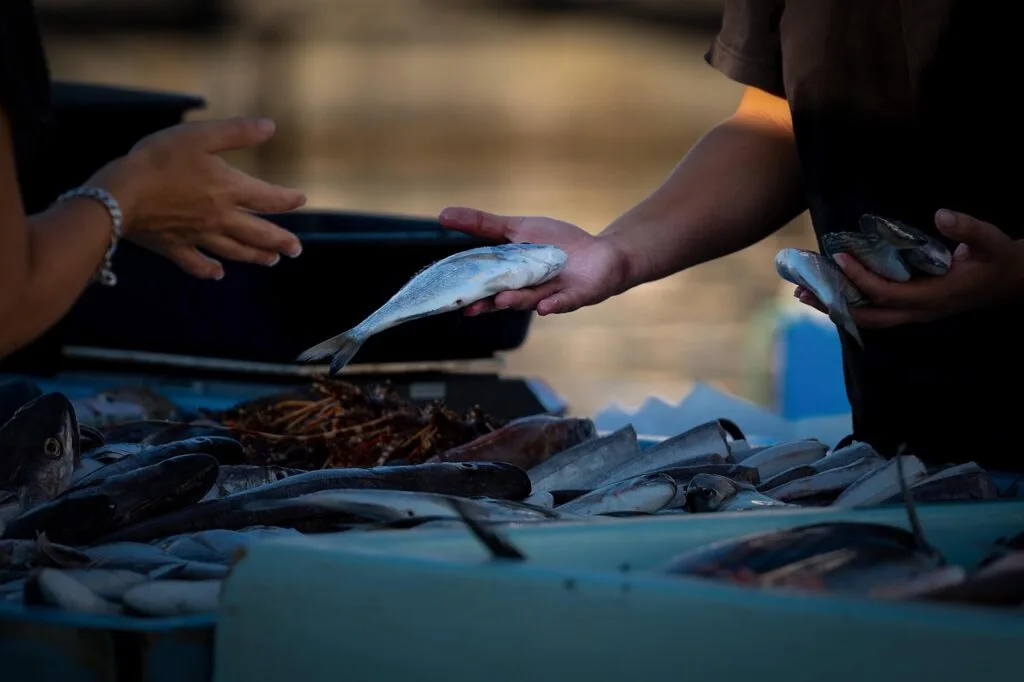
Local tips: arrive between 9:00 and 11:00 to avoid early-closing fishmongers and to get the best cuts. If you buy fish, ask if it was caught that morning (« pescato oggi ») — that guarantees optimal freshness. Bring a small insulated bag if you buy meat or fish and plan to walk afterward. Finally, around the market explore Testaccio’s restaurants and bars for authentic dinners: it’s a neighborhood that keeps a strong Roman identity away from typical tourist routes.
Mercato Trionfale – The foodie market near the Vatican
The Mercato Trionfale is one of Rome’s largest covered markets and sits close to the Vatican, making it a convenient stop for visitors. Address: Piazza del Risorgimento 46, 00192 Roma RM. Opening hours: Monday to Saturday 7:00–14:00 (some stalls may close in the afternoon); closed Sunday. The market is popular with locals and tourists who want to combine sightseeing with local shopping.
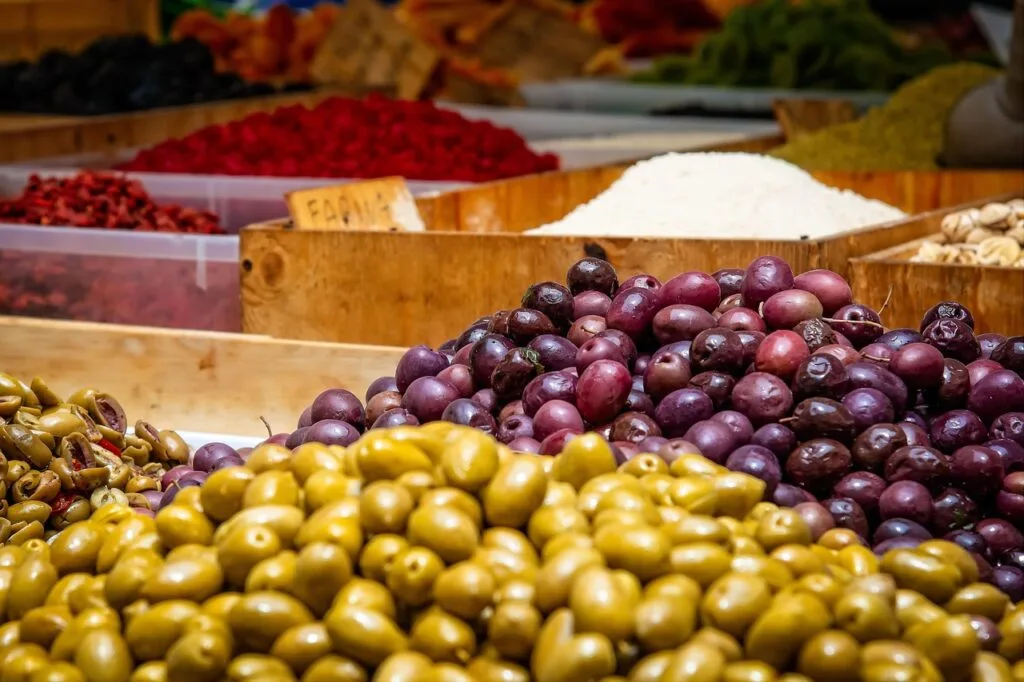
At Mercato Trionfale you’ll find a full range of products: fruit and vegetable stalls, butchers and fishmongers, cheesemongers, plus stands of imported goods and small eateries. Prices vary but are often attractive; for example, a kilo of apples can cost €1.50–€3, a fried baguette around €1–€2, and a tray of fresh mushrooms €3–€5. This market is ideal for buying specialties to take home: artisanal pasta, local sauces, and canned vegetables in olive oil.
The market also offers fine grocery items: extra-virgin olive oils (bottles from €6–€8), balsamic vinegars, and tins of truffle or condiments for aficionados. For lunch, look for stalls preparing quick dishes — pizza al taglio, bruschette, and panini made with quality ingredients. Practical tip: if you plan to visit the Vatican afterwards, shop in the morning and keep your purchases in an insulated bag; security checks and walking can lengthen the time between buying and eating.
Local tip: many vendors speak basic English, but Italian will remain the most efficient language for getting precise information. Learn a few useful phrases: « Quanto costa? » (How much does it cost?), « È fresco? » (Is it fresh?), and « Mi fa assaggiare? » (Can I taste it?). Finally, avoid peak hours (9:30–11:30) if you prefer a more relaxed visit, and take the time to chat with a cheesemonger — they will often explain the product’s origin and the best way to serve it.
 Click here to reserve your tickets for the Vatican Museums
Click here to book your guided tour of St. Peter’s Basilica
Conclusion
Rome’s food markets are essential places for anyone wanting to understand the city beyond its monuments. From Campo de’ Fiori, full of historic charm, to the Mercato Centrale, a temple of contemporary gastronomy, passing through Mercato Testaccio, a reflection of living culinary tradition, and Mercato Trionfale, practical and rich in produce, each market offers a distinct experience. They are stages where daily life, encounters and family traditions play out. The addresses and opening hours provided let you plan visits according to your interests: early-morning shopping, indulgent lunchtime breaks, or gourmet grocery buys to take home as souvenirs.
In practice, follow a few simple rules: arrive early to get the best selection, prefer cash for small purchases, bring a reusable bag and, if needed, an insulated bag for perishable items. Start a conversation with the vendors — a « buongiorno » followed by a question about freshness or origin often opens the door to valuable tips and tastings. Finally, let your nose and the locals’ glances guide you: queues at stalls, busy hands and fish on ice often tell you what’s best to buy that day.
Whether you’re a food-loving traveler, a home cook or just curious, Rome’s markets will offer memorable culinary discoveries. Plan your route around opening times (and the weather), and be sure to include at least one covered market and one open-air market to appreciate the contrasts. Your purchases will become stories: a piece of cheese eaten at sunset by the Tiber, a porchetta panino savored on a historic square, or a packet of artisanal pasta that will remind you of Rome long after you return. Buon viaggio e buon appetito!