





Introduction: Why Hunt for Fresh Fish Along the Tiber in Rome
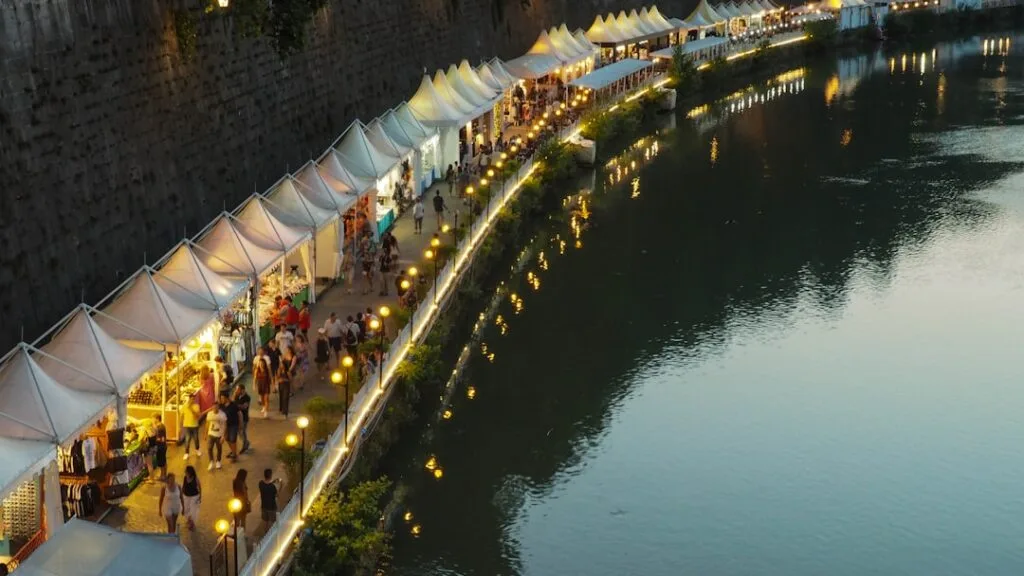
Rome isn’t just a city of ancient temples, baroque churches and charming alleys — it’s a place where food tells the story. The Tiber River (in italiano, il Tevere) has long been a vital artery for the Italian capital, linking the city to the sea and enabling trade. If you love fresh fish, hunting down the best stalls near the Tiber combines culture, great food and memorable riverside strolls.
This guide walks you through the most reliable, liveliest markets and fishmongers close to the Tiber: Mercato di Testaccio, Campo de’ Fiori, Mercato Trionfale and Mercato di San Cosimato (Trastevere). For each spot you’ll find the exact address, opening hours, ballpark prices in euros, immersive descriptions and practical local tips for buying, storing and cooking fish like a Roman. The goal is to help you amble along the river, spot a perfect gilt-head bream (orata), haggle politely like the locals and enjoy seafood at peak freshness.
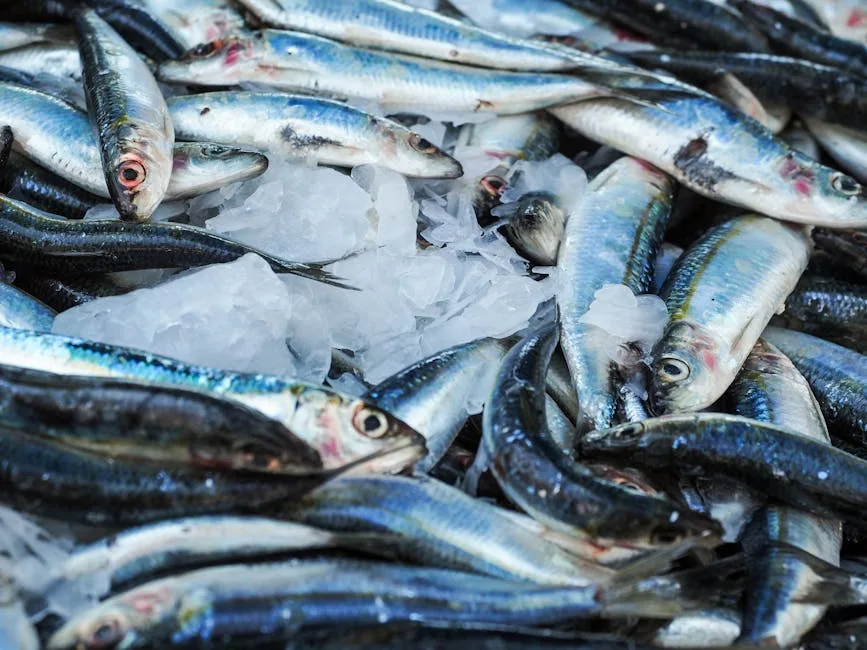
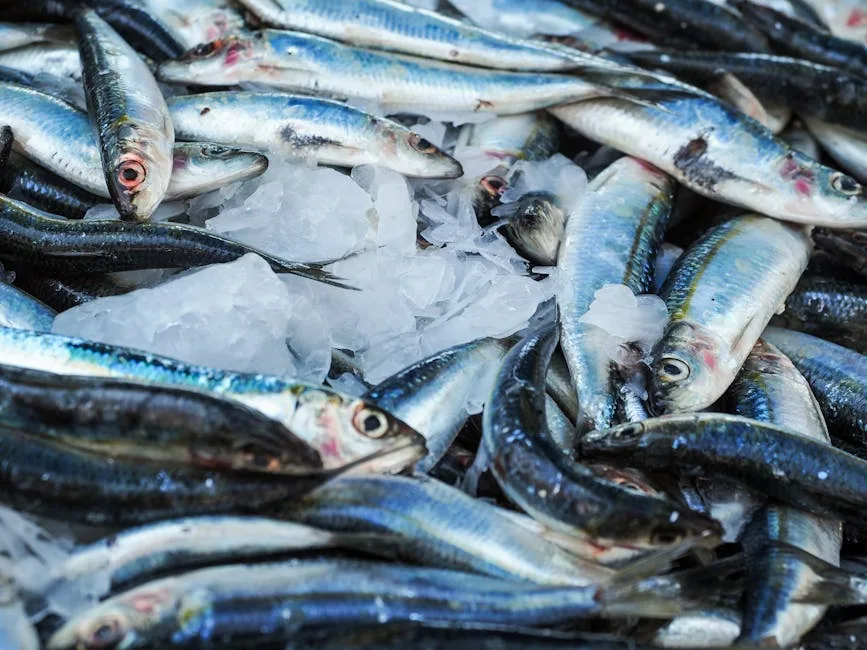
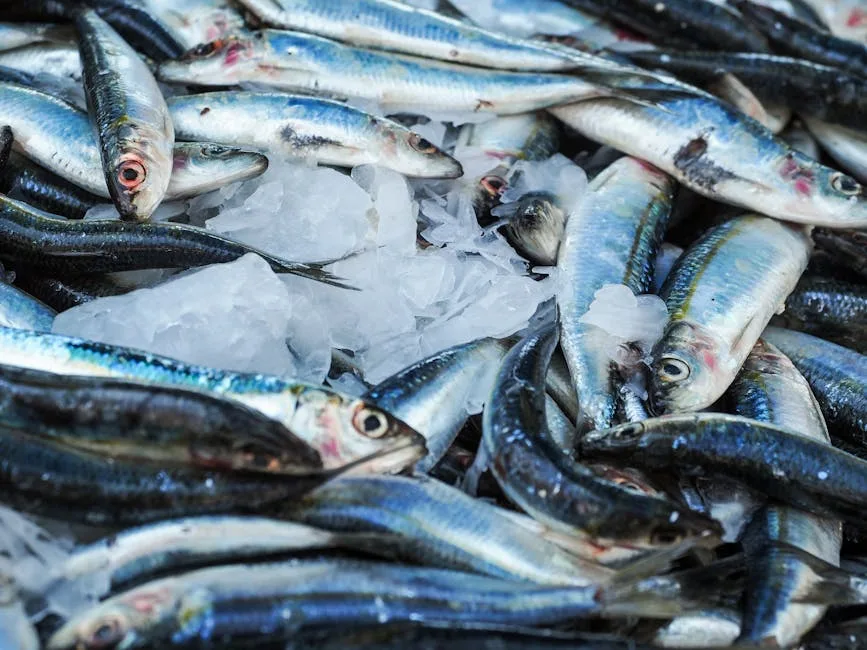
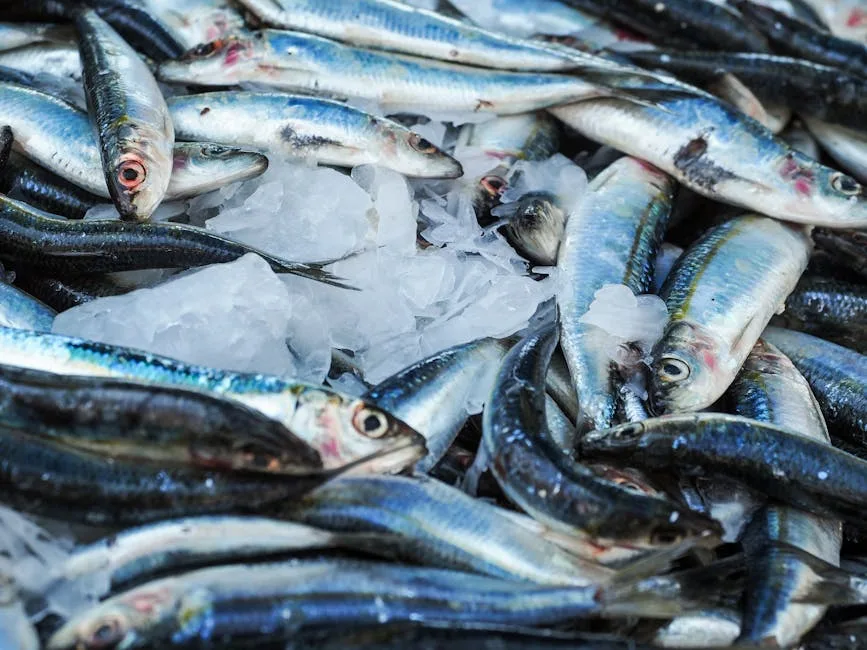
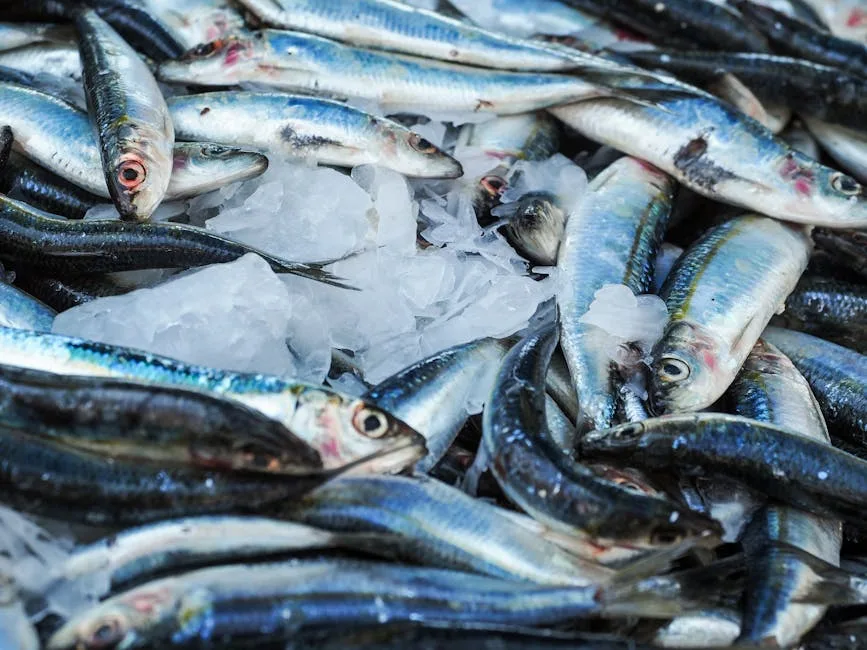
Buying fish in Rome is a simple craft: arrive early, sniff for a clean sea scent (not strong signs of spoilage), look for clear, bright eyes on the fish and ask where it came from. Markets near the Tiber often sell catches from the Tyrrhenian Sea, sometimes hauled in the previous night and delivered at dawn. Alongside whole fish you’ll find squid, cuttlefish, prawns (gamberi), sardines (alici), small octopus (polpo) and seasonal shellfish.
Beyond the transaction, these markets are living spaces: vendors swap recipes, locals pick the week’s fish for a primo or secondo, and the scents of citrus, olive oil and garlic mingle in the air. Follow this guide and you’ll know where to go, when to go, what to expect to pay, and how to turn your haul into authentic Roman and Italian dishes. Bring a cooler bag if you plan to go home with kilos of fish — Rome can be warm, and freshness is everything.
Mercato di Testaccio — The Historic Heart of Fishmongers by the Tiber
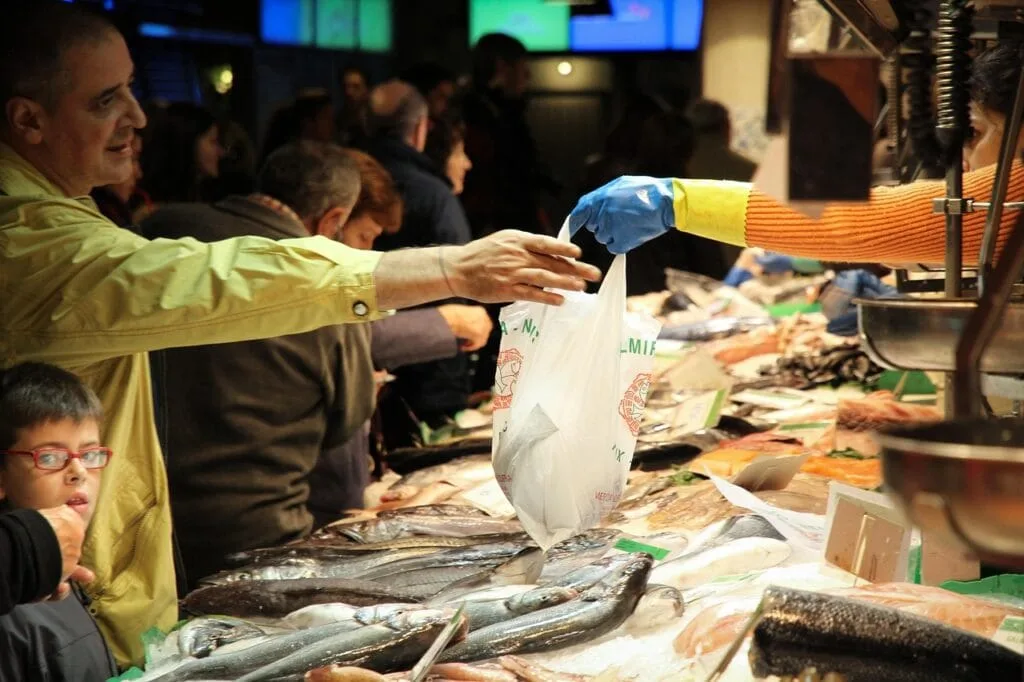
The Mercato di Testaccio, commonly known as Mercato Testaccio, is one of the neighborhood markets Romans love for the quality of its produce, including fish. Address: Piazza Testaccio, 00153 Roma RM. It’s just a short walk from the Lungotevere on the Tiber’s south bank and close to the legendary Monte Testaccio, that ancient mound of amphorae. This market is busy with locals and is where tradition meets freshness.
Opening hours: Monday to Saturday: 07:00 – 14:00 (some fish stalls close earlier, around 13:00). Price guide: whole gilt-head bream (orata) €9–14/kg, sardines (sardine) €6–10/kg, medium prawns (gamberi) €18–28/kg, small octopus (polpo) €12–20/kg. Prices vary by season and origin (Tyrrhenian catch vs imports). Fishmongers will usually clean and fillet to order for free or for a small tip (€1–3).
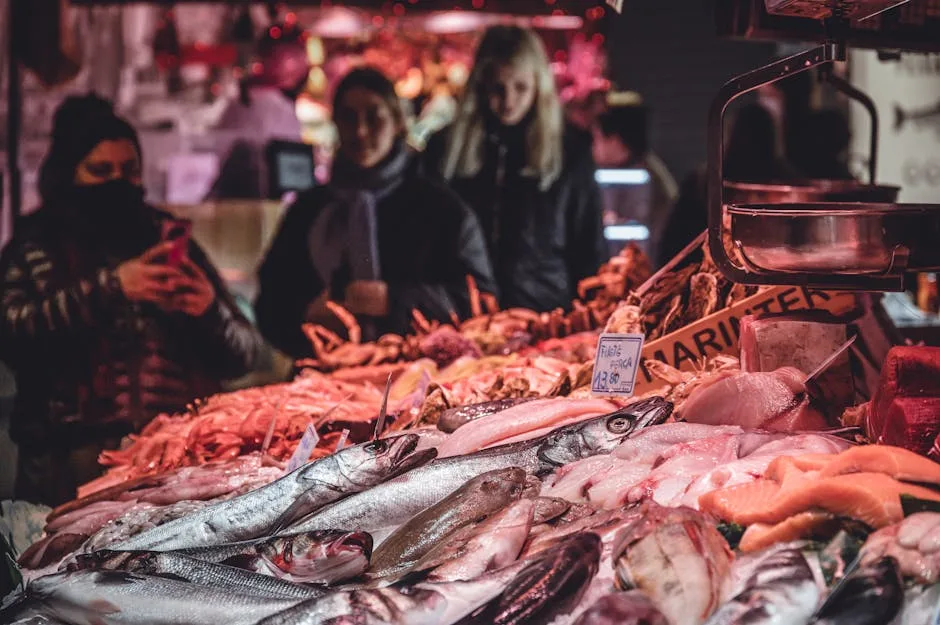
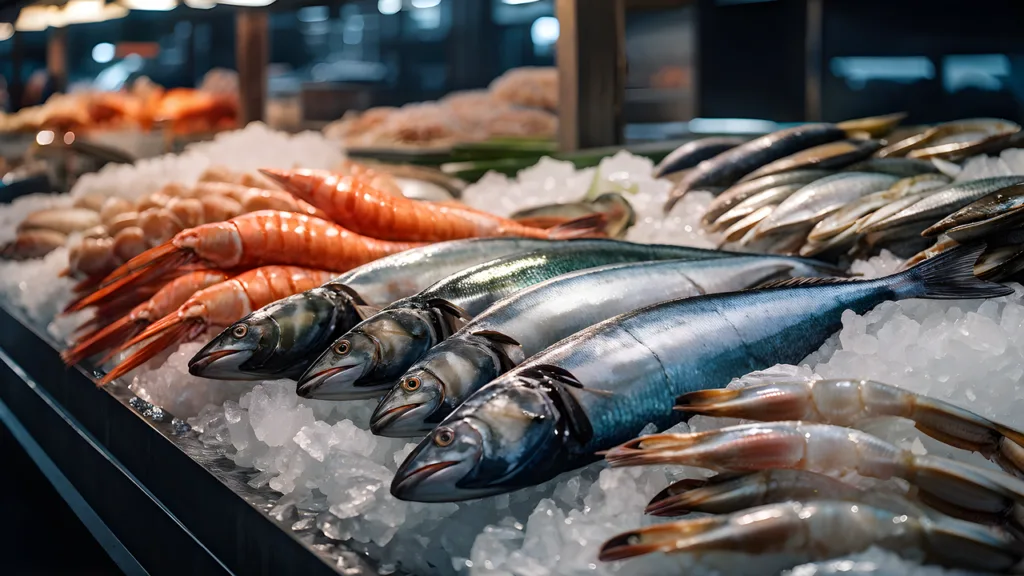
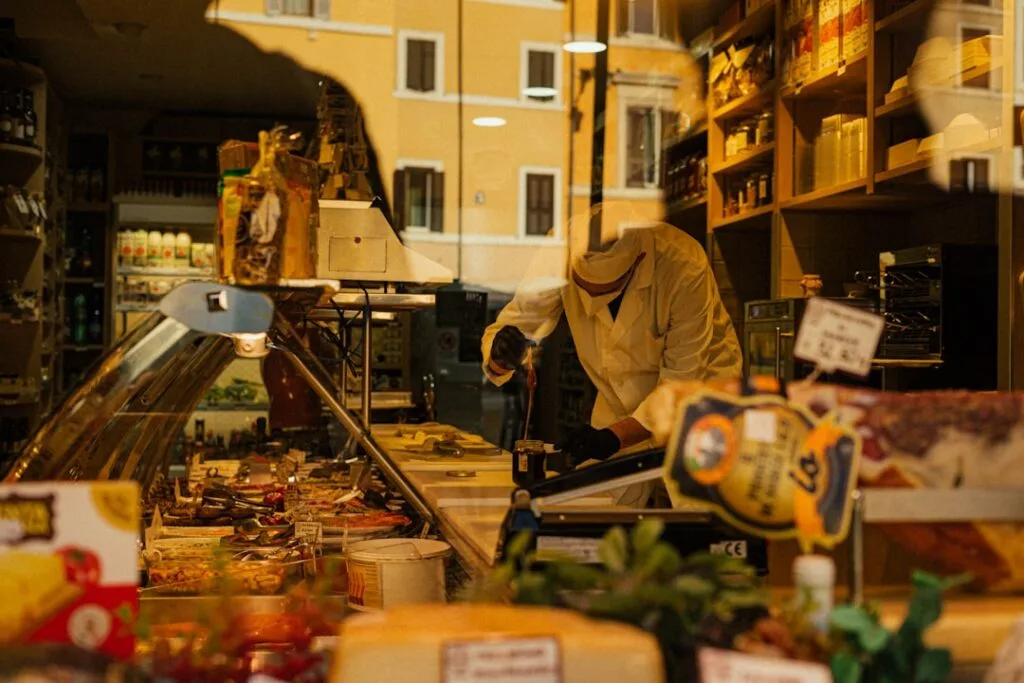
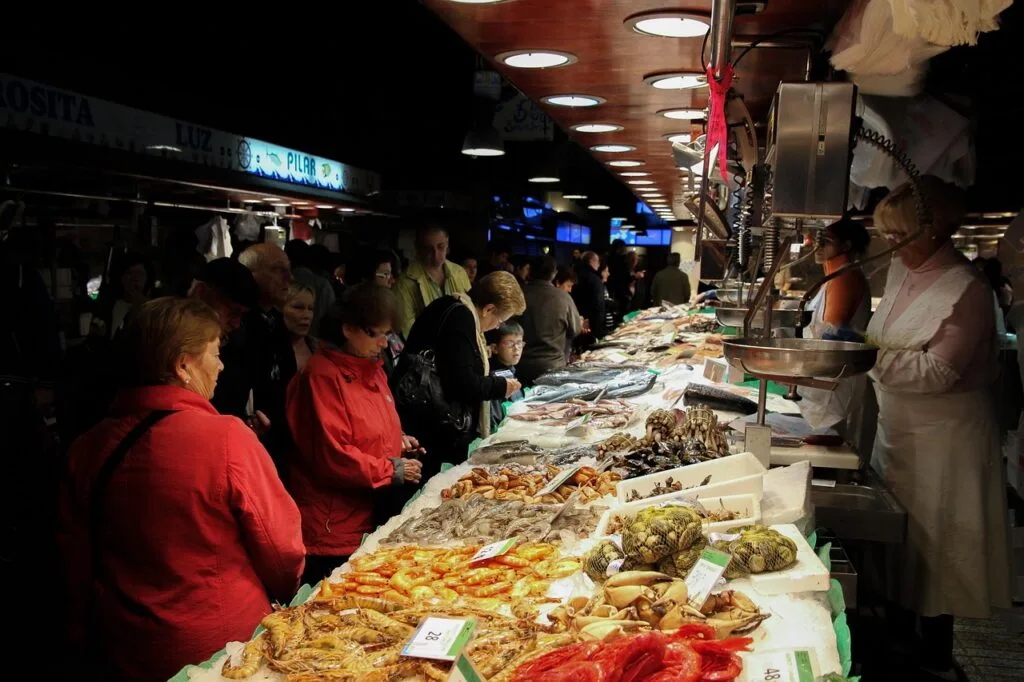
What it feels like: The market buzzes to life from 07:00. stainless-steel counters gleam under mountains of silver scales and crushed ice. Vendors call regulars by name and may offer tiny plates of tartare or small mixed seafood samplers so you can taste the freshness. You’ll hear knives filleting fish, water sloshing in tubs, and breathe in that salty, briny atmosphere — a full sensory experience.
Practical local tips: Arrive between 07:00 and 09:00 for the best selection. Bring a cooler bag or soft cooler if you plan to buy several kilos, especially in summer. Ask « di che mare è? » (which sea is it from?) to find out where the fish came from. If you want fish ready to cook, say « pulito e pronto da cucinare » (cleaned and ready to cook). And haggle gently — a smile and a compliment about the quality often earn a small discount when you buy in bulk.

Campo de’ Fiori — A Historic Market with a Few Standout Fish Finds
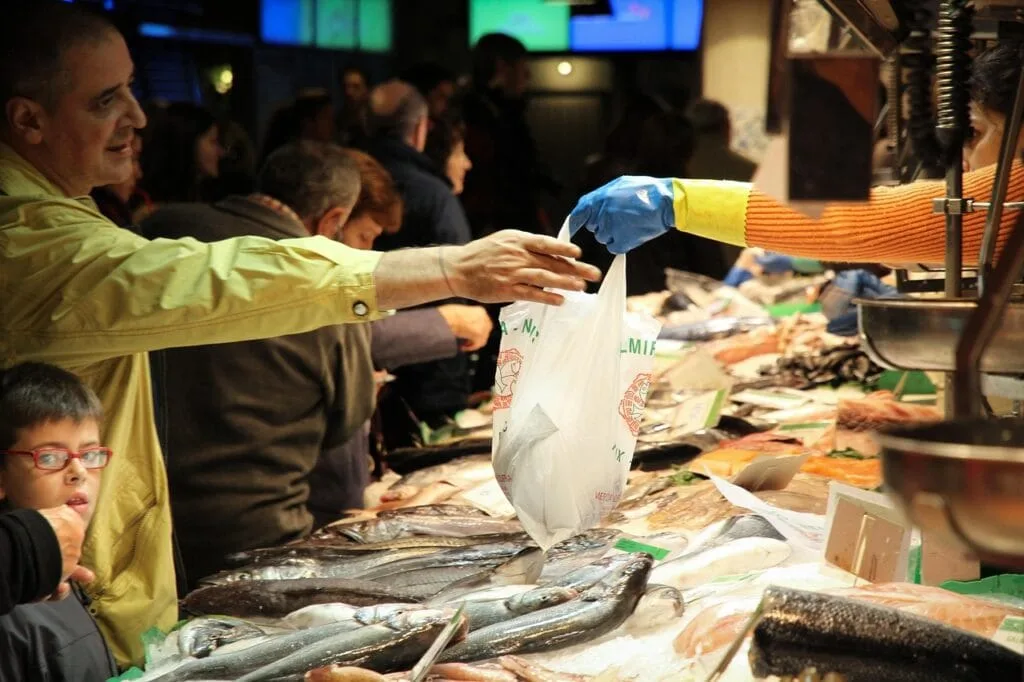
The market at Piazza Campo de’ Fiori, right in the historic center (address: Piazza Campo de’ Fiori, 00186 Roma RM), is best known for fruit, vegetables, flowers and artisan products, but several fishmongers set up stalls there in the morning. Typical hours: every day except Sunday: 07:00 – 14:00 (Sundays are a reduced market and shops open in the afternoon). Fish moves quickly: the busiest window is 07:00–10:00.
Price guide: small frying fish (alici, sardine) €5–9/kg, squid (calamari) €10–18/kg, mixed shellfish €8–20/kg depending on variety. You won’t always find as wide a selection as at Testaccio, but the picks are often very fresh — perfect for a quick cook before a walk through the center.
What it feels like: Campo de’ Fiori is an open-air theater. Bright stalls line the square, vendors shout to grab attention, and the atmosphere mixes tourism and local life. Fish sellers here are a bit more restrained since they share space with herbs, lemons, bread and cheese. The scent of fresh fish blends with basil and citrus, creating a delicious contrast.
Practical local tips: If you’re staying nearby (Piazza Navona, the Pantheon), buy early and ask the vendor to rinse and wrap your catch in special paper or an insulated bag. Prices in the historic center can be slightly higher (10–15%), so compare with neighborhood markets before buying large amounts. For an impromptu frittura, ask for small thin fish (« pesce per frittura ») and request absorbent paper to drain the oil.
 Click here to book a Pantheon visit and Tiber boat ride
Mercato Trionfale — A Wide Selection Near the Vatican, Handy for Visitors
The Mercato Trionfale is one of Rome’s largest covered markets, located in the Prati district, close to the Tiber and within walking distance of the Vatican. Address: Via Andrea Doria, 41, 00192 Roma RM. It’s a great stop if you’re combining a visit to St. Peter’s Basilica (Basilica di San Pietro) with picking up fresh ingredients. Hours: Monday to Saturday: 07:00 – 14:00 (the market sometimes stays open later in the covered sections).
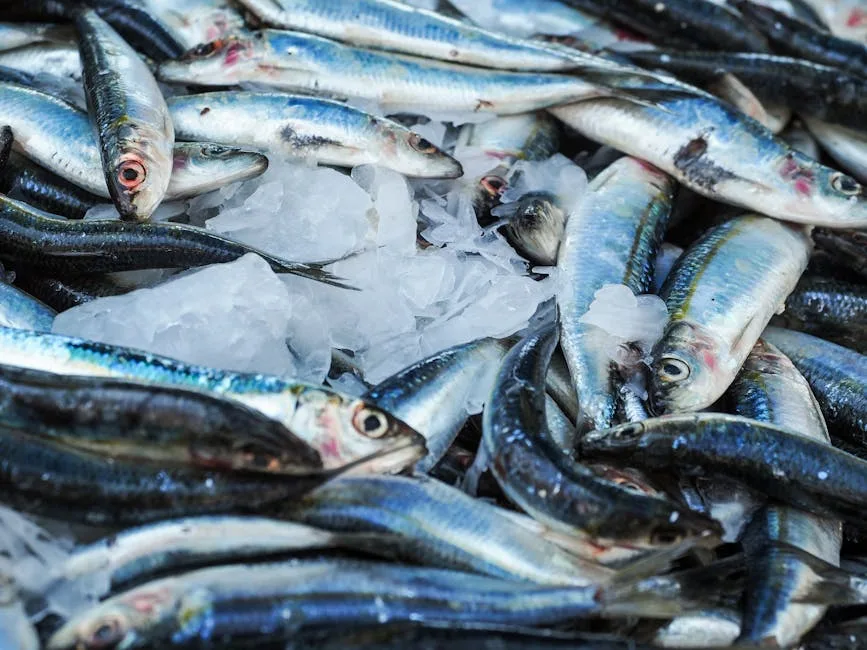
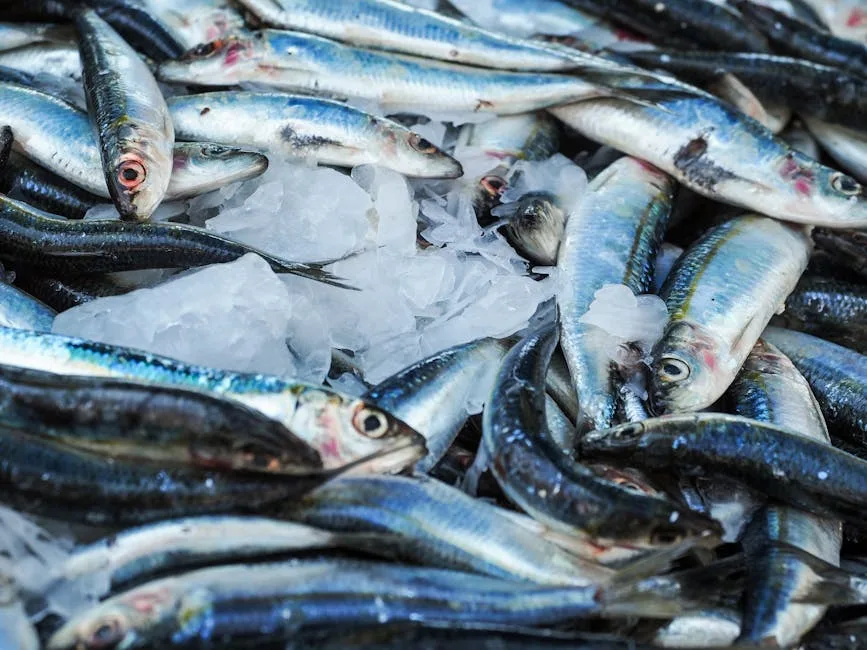
Price guide: mackerel (sgombro) €7–12/kg, mullet (triglia) €10–18/kg, white fish fillets €12–22/kg. The market hosts several professional fishmongers often supplied by wholesalers, so the variety is good — especially out of season. It’s also a solid place to find smoked fish (affumicato) and local preserves.
What it feels like: Mercato Trionfale has the vibe of a big urban market: wide aisles, organized stalls and the chance to buy fruit, cheese and meat alongside fish. The fishmongers here display real craftsmanship: filleting, preparing barbecue-ready cuts and giving cooking tips. Locals come with their reusable bags and chat about family menus.
Practical local tips: If you’re visiting the Vatican, drop by between 08:00 and 10:00 — after the first morning masses or early tours — when the market is less hectic than Testaccio. Ask to see samples before buying (vendors will show you the back and texture of the fish). Prices are often negotiable for bulk purchases or for prepared items (for example, fish skewers).
Click here to book a guided tour of St. Peter’s Basilica
Mercato di San Cosimato (Trastevere) — The Local Soul of Fish Near the Tiber
The market at Piazza San Cosimato, in the heart of Trastevere (address: Piazza San Cosimato, 00153 Roma RM), is a beloved neighborhood market known for its authentic vibe. It’s a short walk from the Lungotevere dei Mellini and makes for an easy stroll down to the Tiber. Hours: Monday to Saturday: 07:00 – 14:00. Local fishmongers here often sell the day’s catch to a largely regional clientele.
Price guide: cuttlefish (seppia) €9–16/kg, local shellfish €7–18/kg, small grilling fish (pesce da grill) €6–12/kg. Stalls are more modest than Testaccio’s, but the vendor-customer relationship is personal: you’ll overhear recipes handed down through generations and get precise advice on grilling (« alla griglia ») or pan-cooking (« in padella »).
What it feels like: Trastevere is one of Rome’s most picturesque neighborhoods, and San Cosimato is its daily heart. The market is full of life: Roman mothers picking fish for dinner, students buying ready-to-cook items, and neighbors discussing the day’s prices. Fishmongers often peel prawns (sgusciate) and prepare trays for local events.
Practical local tips: Pair your market visit with lunch at an osteria in Trastevere; many restaurants buy from the same stalls and can point you to the most reliable vendors. If you’re planning a barbecue or simple cook-up, ask for steaks cut for grilling (« tagliate per grigliare »). Bring cash for small purchases: although most accept cards, some small stalls prefer notes.
Tips for Storing and Preparing Fish After You Buy
Once you’ve bought your fish, how you store and prep it makes all the difference. Immediately: ask the fishmonger to put the fish on ice and wrap it in food-grade paper. For transport: an insulated bag and cold packs are ideal; if not, buy ice at the market. At home, eat the fish the same day or keep it up to 24 hours in the fridge (0–4°C) on a bed of ice. For longer storage, clean, portion and freeze quickly (-18°C).
- Cleaning: ask for gutting and scaling if you don’t want to do it yourself.
- Filleting: fishmongers will often fillet for free; for dishes like tartare ask for a very fresh, spotless fillet.
- Local seasoning: lemon, extra virgin olive oil (olio extravergine di oliva), sea salt and parsley; for a Roman touch add a little garlic and a splash of white wine for cooking.
Practical Tips for Navigating Markets Along the Tiber
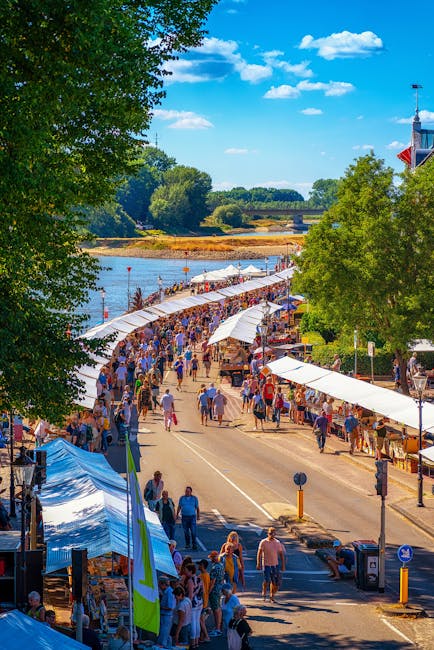
Wandering between markets along the Tiber is a pleasure, but a few practical rules help: wear comfortable shoes for cobbles, carry some cash and check opening times during holiday periods (August and public holidays can change hours). Italian markets follow a rhythm: early morning is peak, they fill up until midday, then quiet down. Always ask permission before photographing vendors or close-up portraits.
If you’re staying several days, plan your purchases: spreading fish across meals (grilled the first day, stewed the next) reduces waste. For non-residents, home delivery can sometimes be arranged if you buy a lot — ask at the stall. And if you want to cook like a local, ask vendors for their recipes (ricetta): many are happy to share tips for a zuppa di pesce (fish soup) or a simple spaghettata alle vongole (spaghetti with clams).
Conclusion: Markets as a Culinary and Cultural Gateway
The fish markets near the Tiber offer far more than groceries: they’re a gateway into everyday Roman culture. Roaming Mercato di Testaccio, Piazza Campo de’ Fiori, Mercato Trionfale and Mercato di San Cosimato you’ll experience the authenticity of Italian shopping — warm exchanges, seasonal products and a commitment to quality that goes beyond a simple business transaction.
Buying fish in Rome, especially by the Tiber, is also a way to connect with local history. The Tiber supplied goods since antiquity, and today’s markets continue that tradition. The exact spots mentioned above — Piazza Testaccio, Piazza Campo de’ Fiori, Via Andrea Doria 41, and Piazza San Cosimato — are practical starting points to explore the stalls and the neighborhoods around them: Testaccio, the historic center, Prati and Trastevere.
A few final tips: respect opening hours (arrive early for the best freshness), bring an insulated bag, exchange a few words in Italian (a simple « buongiorno » and « grazie » opens many doors), and don’t be shy about asking how the fish was caught and the best way to cook it. The prices listed here (in euros) are guidelines: they fluctuate with season, weather and availability. With a pinch of curiosity and a willingness to taste, you’ll leave not only with excellent fish but also with a little Roman story to share over dinner.