





Introduction
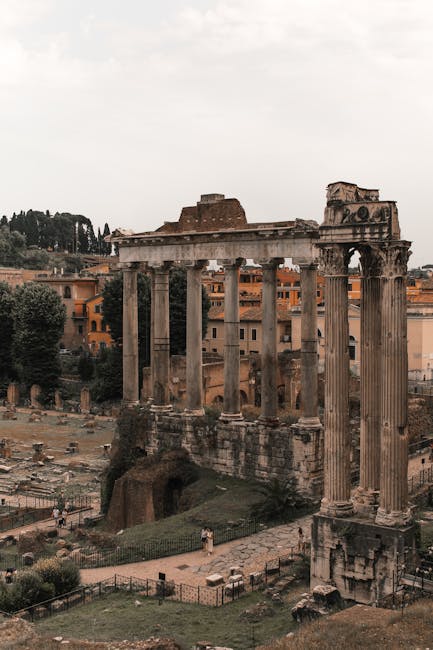
Amatriciana is one of the icons of Roman cuisine — though its roots lie in the small town of Amatrice east of Rome, it was adopted, adapted and celebrated in the capital until it became a staple of Roman trattorie and osterie. As you wander Rome’s cobbled streets, from the Tiber quays to Trastevere’s alleys, the sizzle of guanciale, the vermilion of the tomato sauce and the sprinkle of grated pecorino remind you that Italian food is both simple and deeply tied to local history.
Arriving at the Piazza della Rotonda or strolling near the Trevi Fountain, you’ll often find straightforward menu listings: “Spaghetti all’Amatriciana” or “Bucatini all’Amatriciana”. But what makes this recipe so special? How did it evolve from a pastoral dish into a plate that embodies Rome’s gastronomic spirit? This piece takes you on a journey through history, recipes, exact addresses in Rome, practical tips and tricks to spot an authentic Amatriciana.
We’ll list specific places — renowned restaurant addresses, opening hours, indicative prices in euros — so you can plan your food stops without surprises. Whether you want a traditional version with guanciale and pecorino romano, or a modern twist, Rome offers plenty of options. We’ll also cover the link between Amatrice and Rome, and how the capital shaped the dish’s international reputation. Finally, you’ll find a detailed recipe to make Amatriciana at home, with tips on choosing ingredients, quantities and cooking techniques to deliver a plate true to the Roman spirit.
This guide is for food-loving travelers, home cooks and anyone curious why a simple tomato-pasta dish can sit at the heart of a culinary identity. Get ready to note addresses like Salumeria Roscioli and Da Enzo al 29, check opening times to avoid queues, and learn practical tips to spot a good pecorino romano or the real flavor of perfectly crisped guanciale. Join us for a sensory and historical walk through Rome’s streets in search of the best Amatriciana.
 Click here to visit the Pantheon and enjoy wine

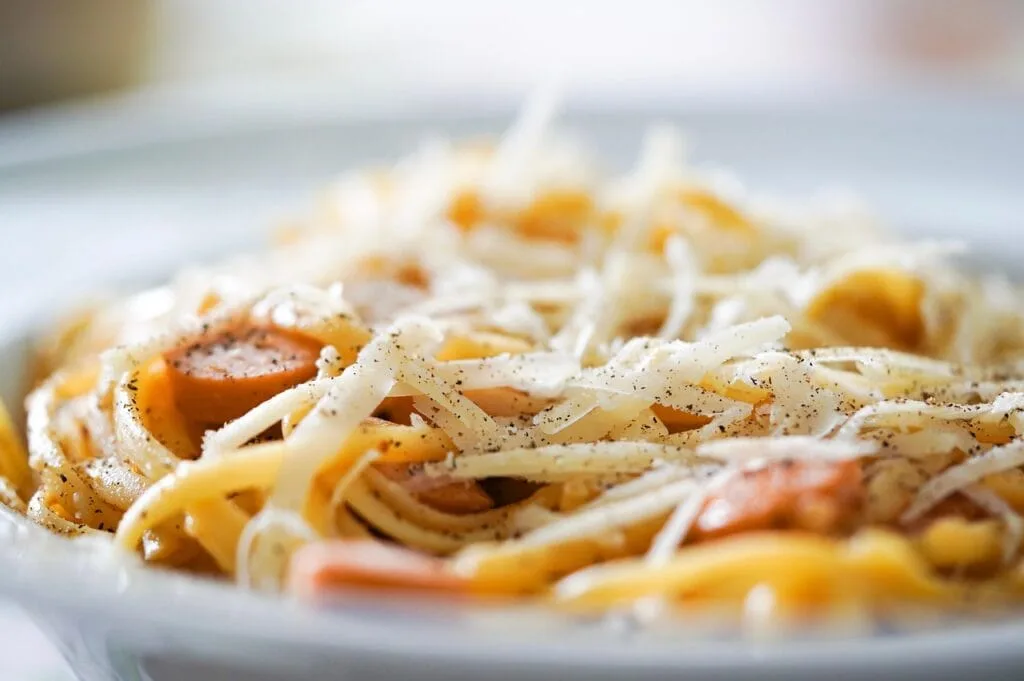
This guide is for food-loving travelers, home cooks and anyone curious why a simple tomato-pasta dish can sit at the heart of a culinary identity. Get ready to note addresses like Salumeria Roscioli and Da Enzo al 29, check opening times to avoid queues, and learn practical tips to spot a good pecorino romano or the real flavor of perfectly crisped guanciale. Join us for a sensory and historical walk through Rome’s streets in search of the best Amatriciana.
History and origin: from Amatrice to Rome
Amatriciana takes its name from its birthplace, Amatrice, in the province of Rieti in the Lazio region. In its rural cradle the recipe was originally very simple: pasta, pork fat (« guanciale » or sometimes pancetta), local sheep cheese (originally pecorino), and later tomato, introduced after the 17th century. The dish grew in popularity when shepherds and residents of Amatrice moved to Rome, bringing their culinary habits with them.
In Rome, Amatriciana evolved under the influence of city markets and local cooking techniques. Guanciale — cured and dried pork cheek — replaced more common fats, adding unique richness and texture to the sauce. Aged, salty pecorino romano became the cheese of choice to finish the dish. Over decades Amatriciana moved from country homes to trattorie and contemporary restaurants, becoming a symbol of the capital’s cucina « popolare. »
An important cultural note: the frequent confusion between « gricia », « amatriciana » and « carbonara. » Gricia is considered Amatriciana’s ancestor — it has guanciale and pecorino but no tomato. The addition of tomato gave rise to Amatriciana; carbonara, meanwhile, adds eggs and black pepper. Knowing these distinctions enriches the tasting: when you order an Amatriciana in Rome, you’re taking part in a culinary story that crossed countryside, markets and city tables.
Historically, gastronomic records and local writings place the modern emergence of Amatriciana in the 19th century, but its spread in Rome really accelerated in the 20th century when restaurants in Testaccio and Trastevere began promoting it. Today events like the Sagra degli Spaghetti all’Amatriciana in Amatrice (usually late August, varying by year) remind us of the living link between the hometown and Roman cuisine.
Must-visit addresses in Rome to taste Amatriciana
Rome is full of spots to enjoy excellent Amatriciana, from small family-run osterie to more contemporary venues. Here’s a selection of precise addresses, with locations, indicative opening hours and average prices to help you plan your meals.
-
Salumeria Roscioli
Address: Via dei Giubbonari, 21/22, 00186 Roma RM
Opening hours: Monday–Saturday 08:00–00:30, Sunday 08:30–17:00 (hours may vary)
Price: Spaghetti all’Amatriciana around €16
Description: Deli-restaurant known for its charcuterie and carefully sourced products. The vibe is lively, with a counter where pasta is prepared in front of guests. Tips: book ahead, especially evenings; arrive early if you want to try the charcuterie selection. -
Da Enzo al 29
Address: Via dei Vascellari, 29, 00153 Roma RM (Trastevere)
Opening hours: Tuesday–Sunday 12:30–15:00 and 19:30–23:00, closed Monday
Price: Bucatini all’Amatriciana around €12–15
Description: Small trattoria beloved by locals. Warm atmosphere, fast service and traditional recipes. Tip: arrive early to avoid queues; cash is sometimes preferred. -
Osteria da Fortunata
Address: Via del Pellegrino, 11, 00186 Roma RM (near Campo de’ Fiori)
Opening hours: 12:00–15:00 and 18:30–23:00 (hours may vary)
Price: Tagliatelle or bucatini all’Amatriciana around €10–14
Description: Famous for handmade pasta, Osteria da Fortunata serves a generous, authentic version. Tip: watch the pasta cooking — it’s often perfectly al dente here. -
Felice a Testaccio
Address: Via Mastro Giorgio, 29, 00153 Roma RM (Testaccio)
Opening hours: roughly 12:00–15:00 and 19:00–23:00
Price: Amatriciana (bucatini) around €14–18
Description: Iconic Testaccio spot, renowned for classic Roman cooking. The atmosphere is convivial, almost theatrical. Tip: also try the antipasti from the nearby Testaccio market to round out your meal.
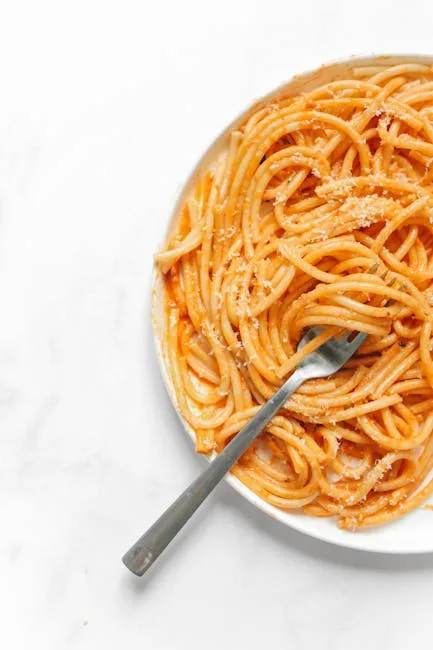
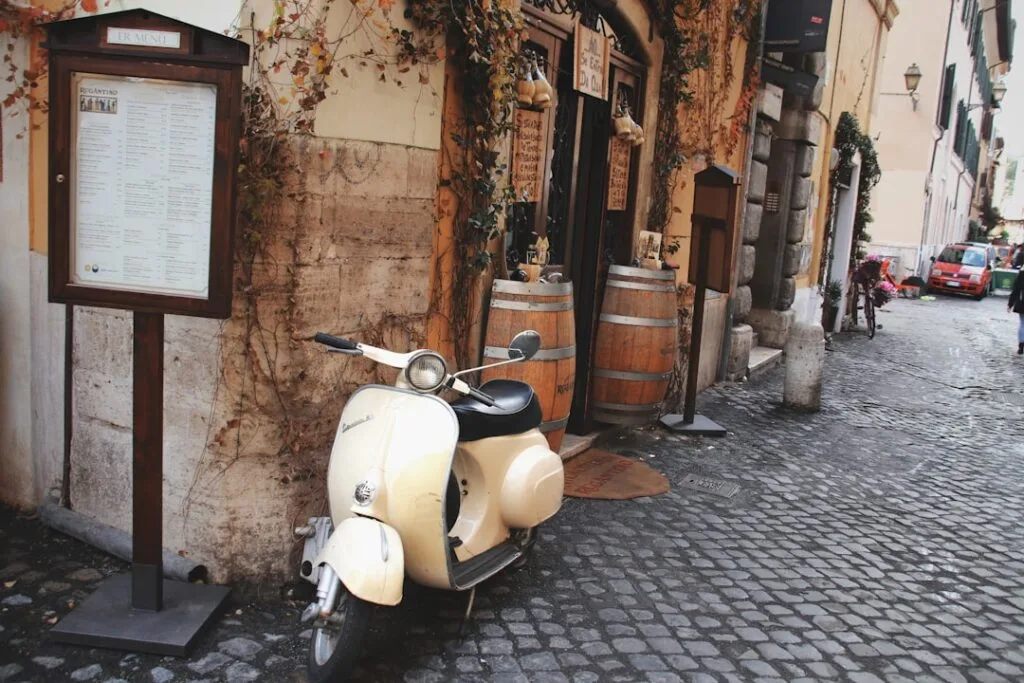
Small practical tips for visiting: in Rome many restaurants close between 15:00 and 19:00; always check current hours online or call. Prices listed are for a main dish; add about €3–6 for bread and cover, and €1.5–3 for an espresso at the end. If you travel in high season (April–October), reservations are often essential, especially in Trastevere and Testaccio.
Traditional recipe and tips to get it right
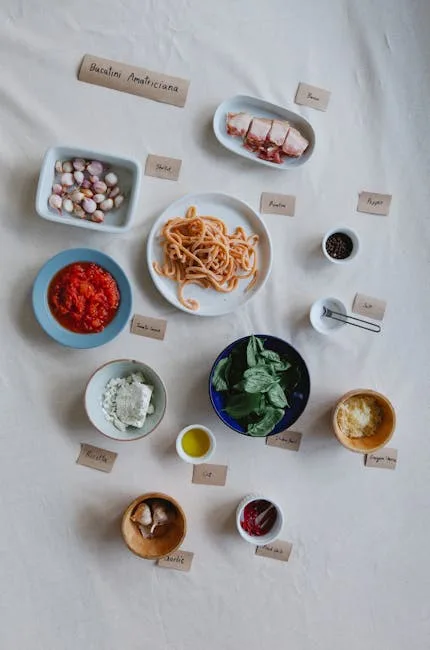
Here is a detailed recipe for Amatriciana in its most traditional form, for 4 people. Follow the steps and tips to recreate the taste of Rome at home.
Ingredients:
- 400 g bucatini (or spaghetti if you prefer)
- 150–200 g guanciale (pork cheek) cut into large lardons
- 400 g peeled tomatoes of good quality (or 500 g San Marzano tomatoes)
- 100 g grated pecorino romano
- 1 small dried chili (optional) or a pinch of chili flakes
- Salt and freshly ground black pepper
- A drizzle of extra virgin olive oil (optional, very little)
Preparation:
- Bring a large pot of water to a boil. Salt lightly — remember pecorino and guanciale are already salty.
- Meanwhile, fry the guanciale in a pan over medium heat without adding oil. The goal is to render the fat and get crispy pieces. Remove some fat if needed but keep enough for the sauce.
- Add the chili if using, then the crushed peeled tomatoes. Simmer gently 10–15 minutes to concentrate the flavor, stirring occasionally.
- Cook the pasta al dente in the boiling water, then drain, saving one cup of cooking water.
- Toss the pasta into the sauce in the pan, add the pecorino little by little, stirring off the heat to prevent the cheese from cooking and becoming grainy. If the sauce is too thick, add some cooking water to bind everything.
- Serve immediately with a little extra pecorino and freshly ground black pepper.
Chef’s tip: Don’t use cream. Authentic amatriciana contains no cream. The secret is the balance of guanciale fat, tomato acidity and pecorino saltiness. For an ultra-authentic version, source artisanal guanciale and DOP pecorino romano.
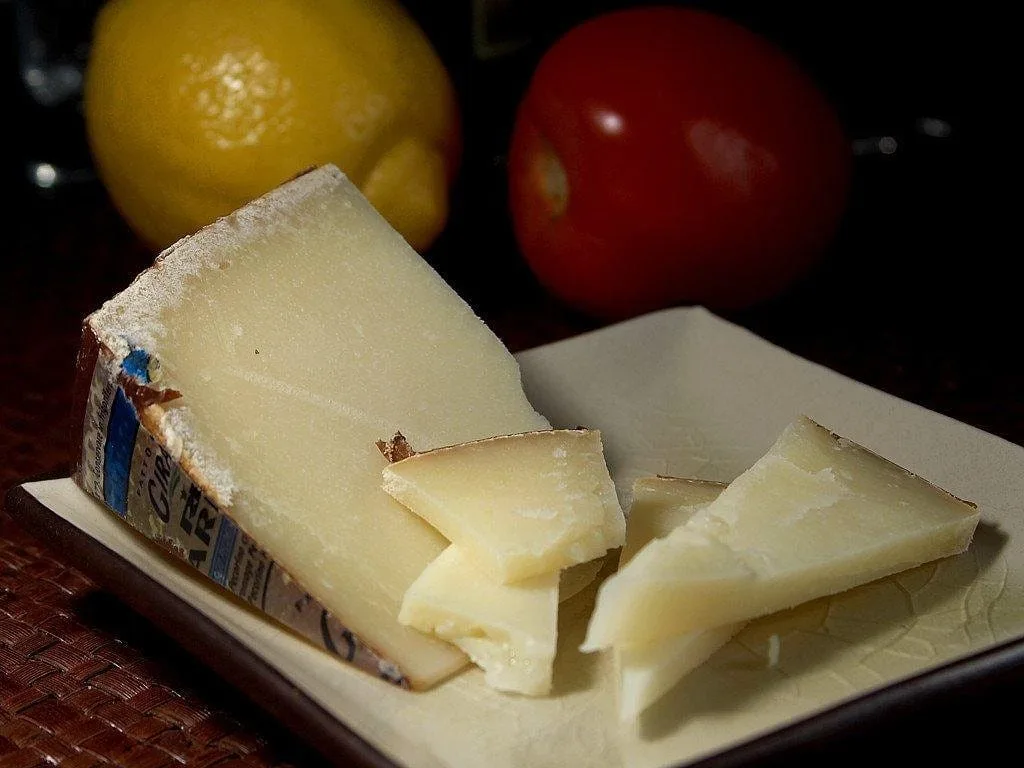
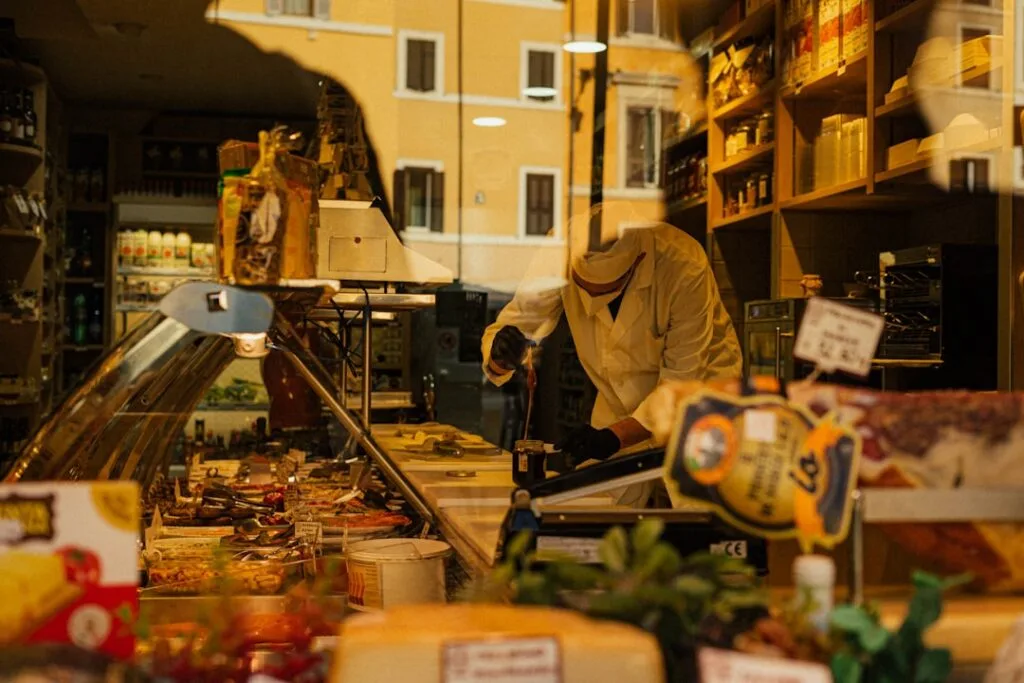
Another practical tip: if you can’t find guanciale, pancetta will do in a pinch, though the flavor will differ. For perfect cooking, cut the guanciale into lardons about 1 cm thick; keep the heat medium so the fat renders without burning the meat. Finally, pasta choice: bucatini, with their central hole, hold the sauce better and are traditionally used for amatriciana.
Variations, controversy and local tips
Italian cuisine often sparks passionate debates, and amatriciana is no exception. The main controversies involve guanciale vs pancetta, whether to add onion, and the quality of the cheese. In Rome, purists and modernists sometimes clash at the table, but most agree on the essentials: simplicity and good ingredients.
Here are some common variations:
- Amatriciana bianca (gricia): no tomato, just guanciale and pecorino.
- With onion: some recipes add finely chopped onion at the start, creating a sweet base for the sauce. Roman purists may balk, but many enjoy the result.
- Vegetarian: replace guanciale with sautéed mushrooms and an infused oil to mimic the depth of fat — a solution for vegetarians, without claiming authenticity.
Practical local tips:
- In Rome, always ask if the restaurant uses guanciale — it’s a good sign of quality. Serious menus often mention it.
- When you’re in a tourist area like Piazza Navona or via dei Condotti, avoid flashy restaurants; prefer osterie on side streets for more authentic cooking.
- To buy ingredients: visit the Mercato di Campo de’ Fiori (Piazza Campo de’ Fiori, 00186 Roma RM) for fresh tomatoes and pecorino; typical hours 08:00–14:00, closed Sundays. And for guanciale, the artisanal delis around Via dei Giubbonari offer excellent options.

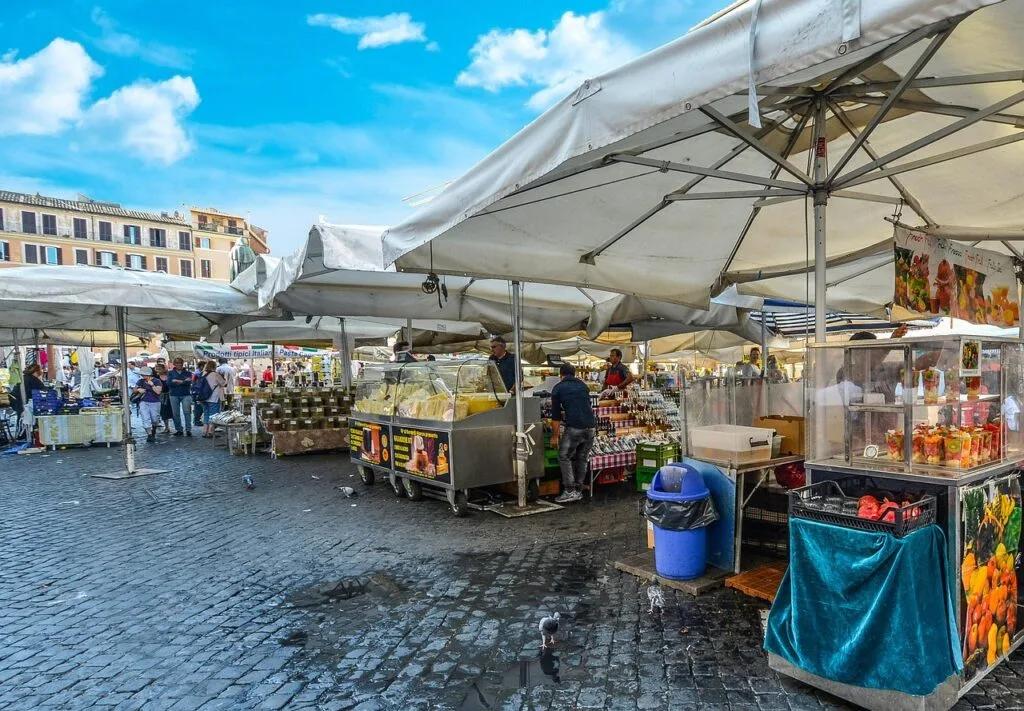
Finally, a commonsense tip: pasta portions in Italy are often smaller than in France or the United States. If you want to try several Roman specialties in one evening (amatriciana, carbonara, cacio e pepe), share plates with friends so you don’t miss out.
Conclusion
Amatriciana is much more than a simple pasta recipe: it’s a slice of history, a meeting of countryside and city, of local produce and family traditions. In Rome it stands as a cultural staple — served in Trastevere osterie, in historic homes in Testaccio or in shop-restaurants like Salumeria Roscioli, it tells the story of a terroir and a cooking ethos based on quality and simplicity.
When you enjoy a plate of bucatini all’Amatriciana at Da Enzo al 29 (Via dei Vascellari, 29) around 20:00, or watch the guanciale lardons crisp in the kitchens of Felice a Testaccio (Via Mastro Giorgio, 29), you’re taking part in a living tradition. For travelers, note the addresses, hours and indicative prices provided in this article — they’ll help your choices and spare you tourist traps. For cooks, try the traditional recipe at home, source authentic pecorino romano and guanciale, and obey the golden rule: no cream.
In the end, Amatriciana is an invitation: to taste, compare, explore the small differences between trattorie and osterie, and to understand that behind every dish is a story. Whether you’re in Rome for a few days or just curious about food, let the aromas of guanciale, the texture of bucatini and the brightness of pecorino guide you — and above all, savor the moment. Buon appetito!
Click here to visit St. Peter’s Basilica with reserved entry