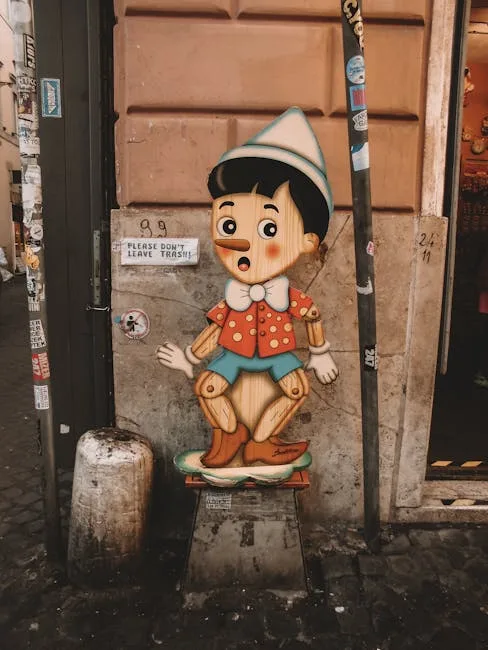






Introduction — Street art tour through Rome’s alternative neighborhoods
Rome isn’t just a city of ancient ruins and baroque churches: it also hosts a thriving, contemporary street art scene rooted in alternative neighborhoods like Ostiense, Pigneto, San Lorenzo, Garbatella and Testaccio. These areas, long industrial or working-class, have been transformed into open-air galleries where monumental murals, intimate stencils, paste-ups and ephemeral interventions tell stories of modern city life — migration, labor, utopias and urban irony. The street art route reads like a cultural and social walk, helping you understand contemporary Rome away from the usual tourist trails.
This practical guide gives you a walkable itinerary using public transport, exact addresses, opening times for indoor venues that may host urban art shows, prices (when applicable), and local tips to get the most out of the experience: best times for light, how to behave respectfully around fragile works, plus recommended cafés and studios to keep exploring. Some landmark pieces are visible 24/7 in public space and free to see; others are inside cultural centers or museums with paid entry — so it’s useful to combine outdoor wandering with indoor visits.
The route crosses very contrasting zones: rehabilitated industrial sites in Ostiense, boho lanes and alternative bars in Pigneto, university façades and artists’ studios in San Lorenzo, workers’ patios and community gardens in Garbatella, and former slaughterhouses turned cultural hubs in Testaccio. In this guide you’ll find precise addresses like Via Ostiense, 00154 Roma (for stretches along the road), Piazza Orazio Giustiniani 4 (MACRO Testaccio), Via dei Volsci 5 (San Lorenzo) or Piazza Benedetto Brin (Garbatella), as well as indicative museum and art center prices (usually between €0 and €12 depending on exhibitions) and standard opening hours. Each section offers immersive descriptions of works and their urban context so your stroll becomes a sensory, critical reading of the city.
Practical tips: favor morning or late afternoon for softer light and to avoid peak hours when using the metro or buses. Always carry water, wear comfortable shoes and respect “private property” signs: admiring isn’t the same as touching or sitting on fragile installations. Finally, if you want a deeper dive, look for a local guide or a workshop offering paid tours (around €18–30 per person) to meet artists or visit private studios.
Ostiense — The industrial stage: monumental murals and creative hubs
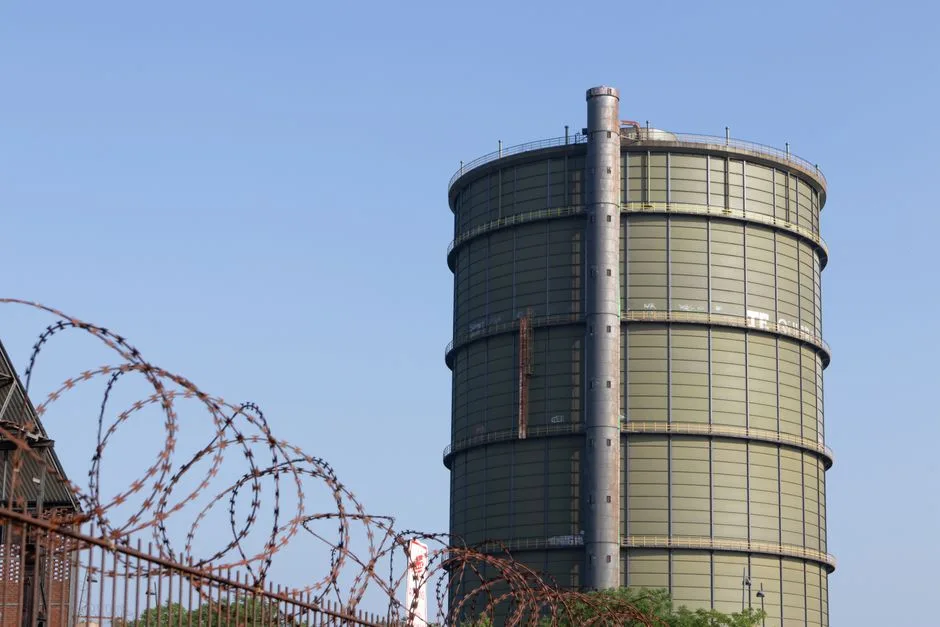
Ostiense, southwest of the historic center, has become the heart of modern Roman street art thanks to its large industrial façades and the famous Gazometro. A walk along Via Ostiense reveals works by big names and local collectives. Start at Piazza dei Navigatori (Piazza dei Navigatori, 00154 Roma) then follow Via Ostiense (the main axis) toward the Gazometro, roughly at the intersection of Via del Porto Fluviale and Via Ostiense. The Gazometro (a large industrial gasometer visible from the street) is surrounded by painted walls by international artists; it’s a major visual landmark and accessible 24/7.
Recommended starting point: Museo Centrale Montemartini, Via Ostiense 106, 00154 Roma, generally open Tuesday–Sunday 09:00–19:00 (closed Mondays). Indicative price: €8–12 depending on temporary exhibitions. Even if Montemartini isn’t exclusively street art, it provides an interesting context: a juxtaposition of antiquities and rehabilitated industrial spaces.
Then head to Via del Porto Fluviale 33 and the Gazometro area where walls feature large pieces, often textured and weathered by time. Look out for murals attributed to Blu (well-known despite the artist’s anonymity), Alice Pasquini (figurative, intimate paintings) and other contemporary names. Many interventions carry social or political messages, addressing urban change and industrial memory.
Opening times and cost: street access and murals are free; aim to visit between 10:00 and 18:00 for the best light and safety. Local tip: stop by the Centrale Montemartini Café (if open) or the « Eataly Roma Ostiense » bar (Piazzale XII Ottobre 1492, 00154 Roma) for a break with local products. Be mindful of traffic on Via Ostiense; sidewalks can be narrow in places.
Pigneto — Bohemian charm and small-scale pieces: lanes, studios and alternative bars
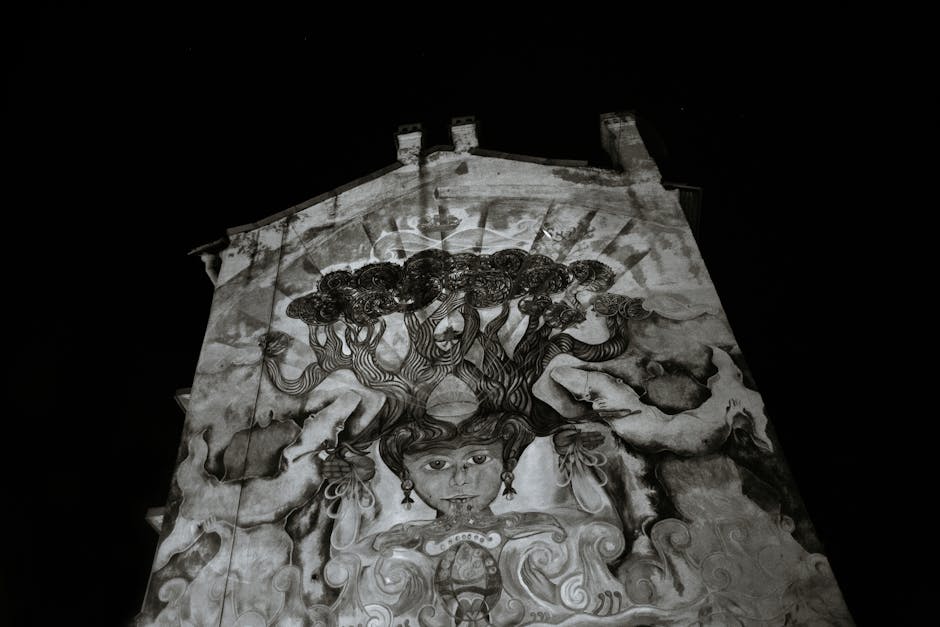
Pigneto is the quintessential bohemian neighborhood for a more intimate, friendly street art experience. East of the center, it’s best explored on foot along streets like Via del Pigneto, Via Pigneto Nuovo and the surrounding side streets. The area is peppered with stencils, paste-ups and small murals often created by local collectives and emerging artists. Start at Piazza Nuccitelli, then head to Via del Pigneto where bars, pubs and studios line the street — many walls serve as temporary canvases for ephemeral interventions.
Useful spots: Teatro Ambra Jovinelli (Via Guglielmo Giannini 7, 00176 Roma) sometimes hosts events linked to urban arts; check their schedule. For a post-walk drink, try « Bar Necci » in Piscinula, Via Fanfulla da Lodi 68, 00177 Roma — a local institution often frequented by artists and students.
Works here are smaller and sometimes fragile: paper collages, stencils and human-scale paintings. Themes are often humorous or critical, touching on gender, nightlife and gentrification. The neighborhood is lively at night, but for photos without crowds and with better light, aim for 09:00–12:00 or late afternoon.
Access: Pigneto is reachable by regional train (Pigneto station) and bus. Costs: exploring the walls is free; budget €5–10 for a coffee or aperitif in one of the neighborhood bars. Local tip: respect private spaces and sometimes ask permission in inner courtyards if you spot works inside residences or studios.
San Lorenzo and Garbatella — University façades, studios and workers’ patios
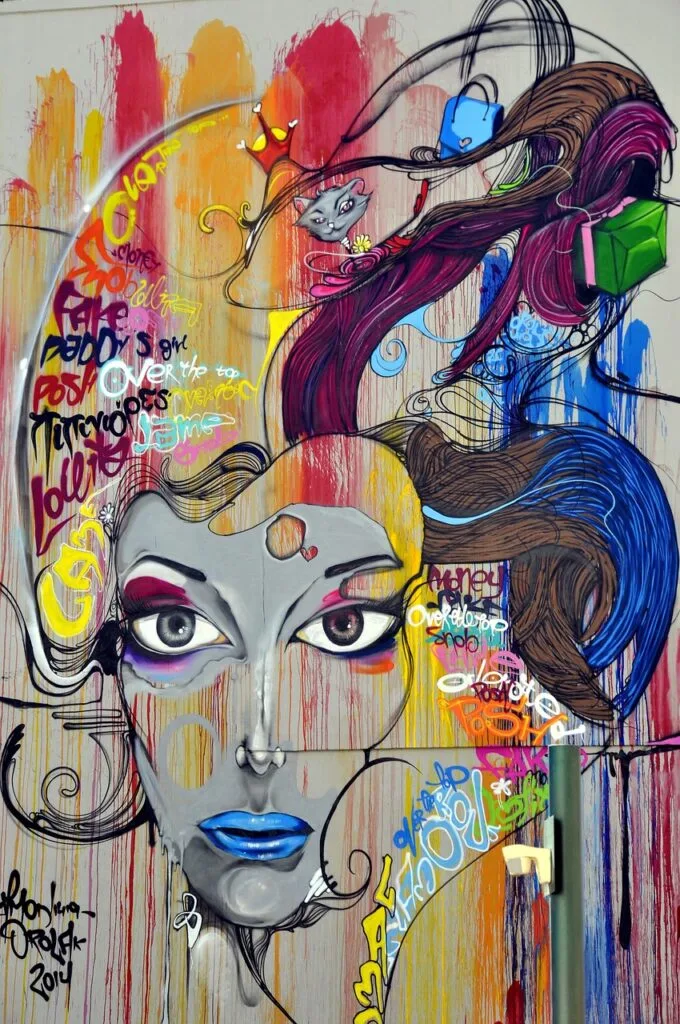
San Lorenzo, close to La Sapienza University, and Garbatella, a working-class neighborhood with patios and community gardens, make for two complementary stops if you want to understand the social roots of Roman street art. San Lorenzo concentrates political stencils and engaged pieces on university façades and the alleyways around Via dei Volsci and Via degli Ausoni. Suggested starting point: Piazza dell’Esquilino or Via dei Volsci (approximate coordinates: Via dei Volsci, 00185 Roma). The area buzzes with students, independent bookshops and cultural associations.
Garbatella, further southwest, is renowned for its borgate-style architecture and small squares: explore Piazza Benedetto Brin (Piazza Benedetto Brin, 00154 Roma) and the side streets where community murals, wall mosaics and micro-interventions hide. These spaces tell the story of working-class housing, neighborhood solidarity and recent urban transformations.
Hours: these sites can be seen at any time; however, favor daytime for safety and for cafés and bookstores to be open. Cost: public works are free. To extend the visit, spots like the bookstore-café « Black Market » or the bar « Enoteca Garbatella » often host small concerts and temporary shows (drinks/entry about €3–12).
Local advice: in San Lorenzo, avoid walking alone late at night in poorly lit streets; stick to lively areas. In Garbatella, take time to enter the patios — they’re often accessible and shelter murals less visible from the street. If you’re looking for open studios, watch for residency calls or “open studio” posters stuck on walls.
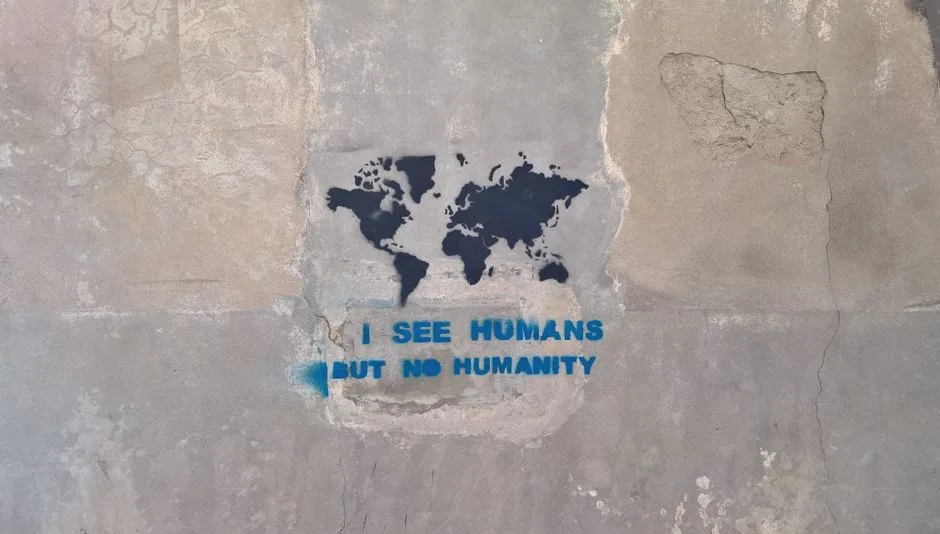
Testaccio and MACRO Testaccio — From slaughterhouse to urban exhibitions
Testaccio blends culinary tradition and cultural renewal around the old slaughterhouse (Mattatoio), which has inspired many urban works. MACRO Testaccio (Piazza Orazio Giustiniani 4, 00153 Roma) is a must-visit for anyone wanting to combine industrial architecture and contemporary exhibitions. MACRO Testaccio hours: usually Tuesday–Sunday 11:00–19:00; indicative price: €6–10 depending on the exhibition (reductions for students and seniors). Check the official site for schedule changes and evening events.
Wander around Via Lorenzo Ghiberti and Via Galvani where murals and temporary installations occupy the façades of renovated warehouses. The Testaccio market (Mercato Testaccio, Via Lorenzo Ghiberti 00153 Roma) is perfect for a food break: local products, Roman street food and a convivial atmosphere (average snack cost: €5–12).
Testaccio also features politically engaged works and more experimental pieces often tied to artists’ residencies. The area offers a transversal reading between food heritage, post-industry and contemporary creation — ideal for an afternoon that mixes culture and gastronomy.
Practical tip: pair a visit to MACRO Testaccio with a meal at the market and a stroll along the Tiber for great views toward the hills. The neighborhood is pleasant in late afternoon when locals come out for an aperitivo.
Conclusion — Planning your route and taking the discovery further
Street art in Rome is an invitation to see the city differently: not as a collection of immutable monuments but as a living, ever-changing field. This guide has given you practical leads — Ostiense for large industrial murals, Pigneto for bohemian intimacy, San Lorenzo and Garbatella for popular memory, Testaccio for the culture-food mix — with addresses, times and handy tips. Most outdoor works are free and always visible; still, pairing these walks with indoor visits (like Museo Centrale Montemartini or MACRO Testaccio) deepens your understanding of the urban and artistic issues at play. Allow about half a day per neighborhood if you want to really explore the lanes, talk to locals and linger in a café.
To dig deeper: look up events organized by local associations (stencil workshops, artist residencies, openings) and, if you like, book a specialist guide (indicative rates €18–30 per person) for insights and introductions to people in the scene. Photography: always respect residents’ privacy and private property rules. Safety: keep an eye on your belongings, avoid flaunting expensive gear at night, and choose daytime slots for photography.
Finally, be ready to be surprised: some works are ephemeral, others hide in inner courtyards, and Rome’s street art map changes fast. Come back, explore with different weather and local tips, and keep a notebook or camera to document your finds — alternative Rome reveals itself through repeat visits and attention to detail.