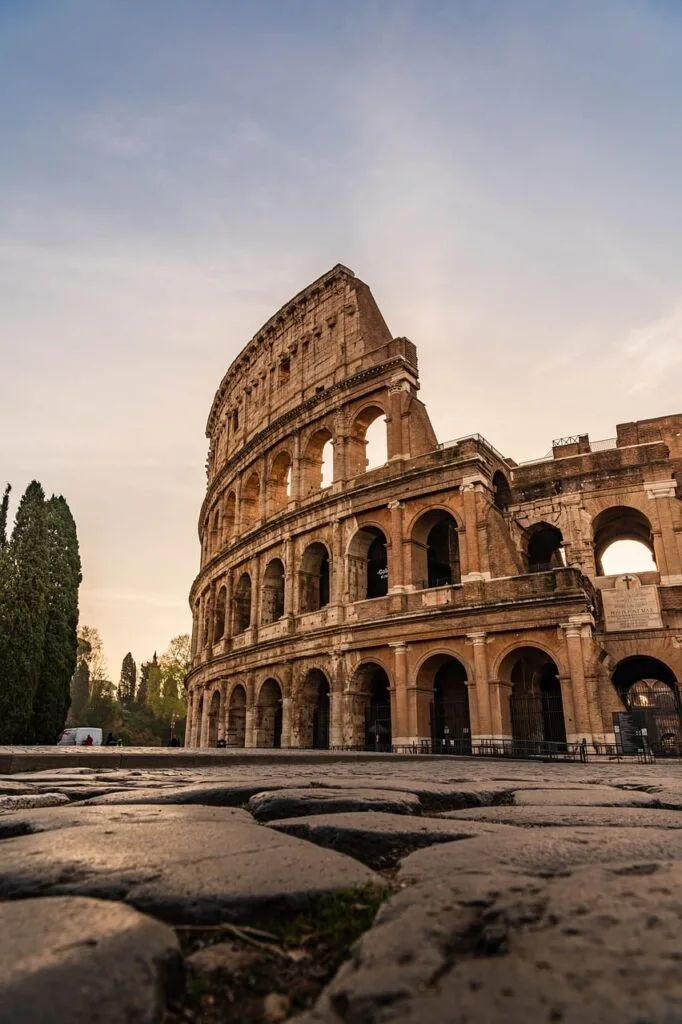






Introduction: why timing matters when visiting the Colosseum
The Colosseum, officially the Flavian Amphitheatre, at Piazza del Colosseo, 1, 00184 Roma RM, Italy, is Rome’s most instantly recognizable landmark. Every year millions flock to see its monumental arches, walk its tiers, and imagine the gladiatorial combats and ancient spectacles that once took place here. But that fame has a downside: crowds. Visiting the Colosseum in the middle of the day during high season can turn a historic experience into an endless queue and a stifling march, where you end up photographing more phone screens than the monument itself. This guide helps you plan your visit to dodge the busiest times, make the most of your time, and enjoy a more intimate, rewarding experience.
The quality of your visit depends as much on timing as on preparation. Knowing opening hours, ticket options, and quieter periods lets you access the most fascinating parts of the site — the upper levels and the underground — without wasting hours in line. In this article we lay out the best time slots (very early morning, late afternoon, opening hour), the ideal seasons (low season, shoulder months), practical strategies (online bookings, combined tickets, guided tours), and local tips to improve your visit (access via Colosseo station, alternatives to standard tickets, cafés and services nearby).
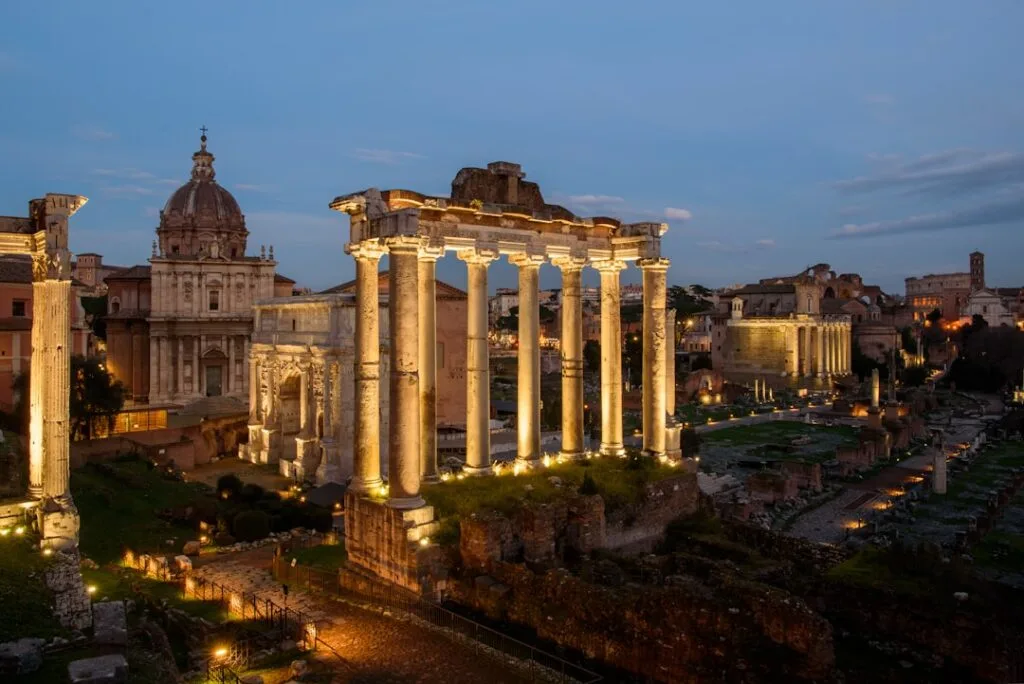
You’ll also find essential practical info: prices in euros, approximate opening hours by season, exact addresses and complementary sites (Roman Forum, Palatine Hill), plus recommendations for pairing visits with walks through the historic neighborhood. We include tips for photographing the Colosseum in ideal conditions, avoiding the crush when tour groups arrive, and a prep checklist (documents, clothing, water bottle, safety). Finally, if you truly can’t avoid crowds, we explain alternatives in detail — for example booking a twilight guided tour or choosing a skip-the-line ticket.
 Click here to book the Colosseum Express small-group tour
When to go: best seasons and days of the week
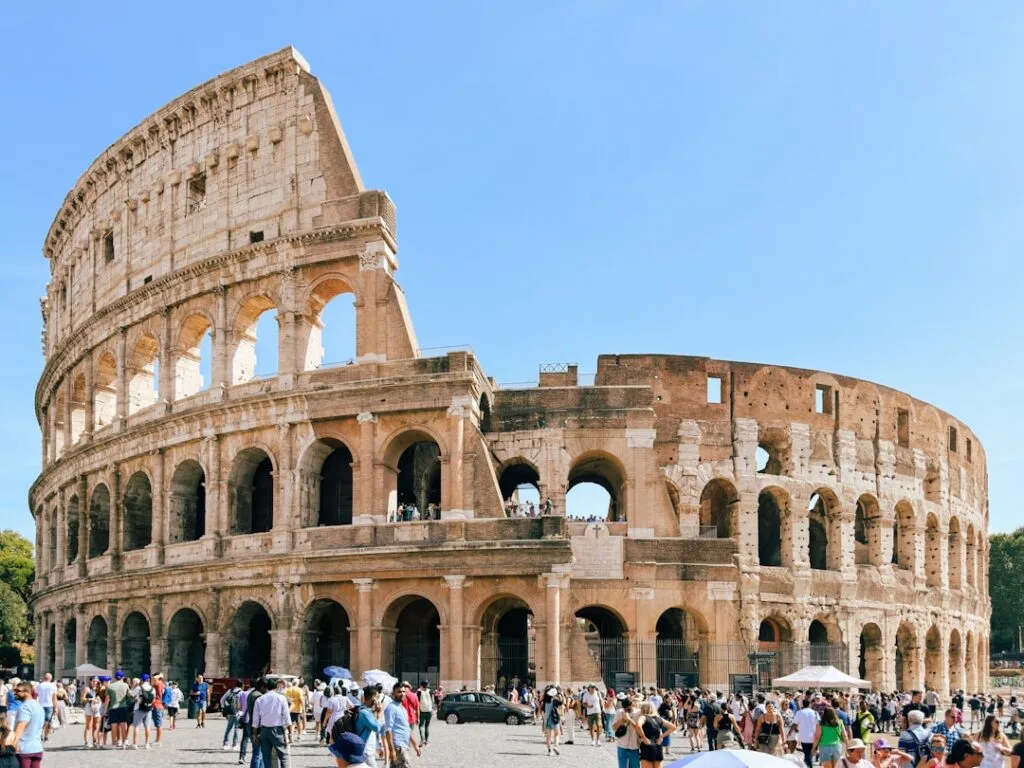
Choosing the right time of year is the first step to avoiding crowds at the Colosseum. Rome’s high season generally runs from April through October, peaking in July and August when temperatures soar and many European families are on holiday. For a calmer visit, favor low season (November to February): days are shorter and cooler, but visitor numbers drop significantly. March and November are particularly good shoulder months — the weather is often pleasant and the crowds far lighter than in summer.
Weekdays matter too. Weekends (Saturday and Sunday) draw more locals and tourists, especially around lunch and into the afternoon. If you can, plan your visit on a weekday, ideally Tuesday to Thursday. Mondays can sometimes be busy because people redistribute their museum visits, but the Colosseum is usually quieter on Tuesday or Wednesday mornings.
Seasonal peak times to watch for: in high season crowds build up from about 09:30–10:00 and stay heavy until around 16:00. Midday to 15:00 are the worst hours in summer, both for crowds and heat. In low season visitor flow is moderate all day, though sunny days or Italian school holidays (Christmas, Easter break) can still cause spikes.
Some specific recommendations:
- Very early morning visit: arrive 30–45 minutes before official opening (often around 08:30 — check the exact time on the day). You’ll catch the first light and perfect photo conditions with few other visitors.
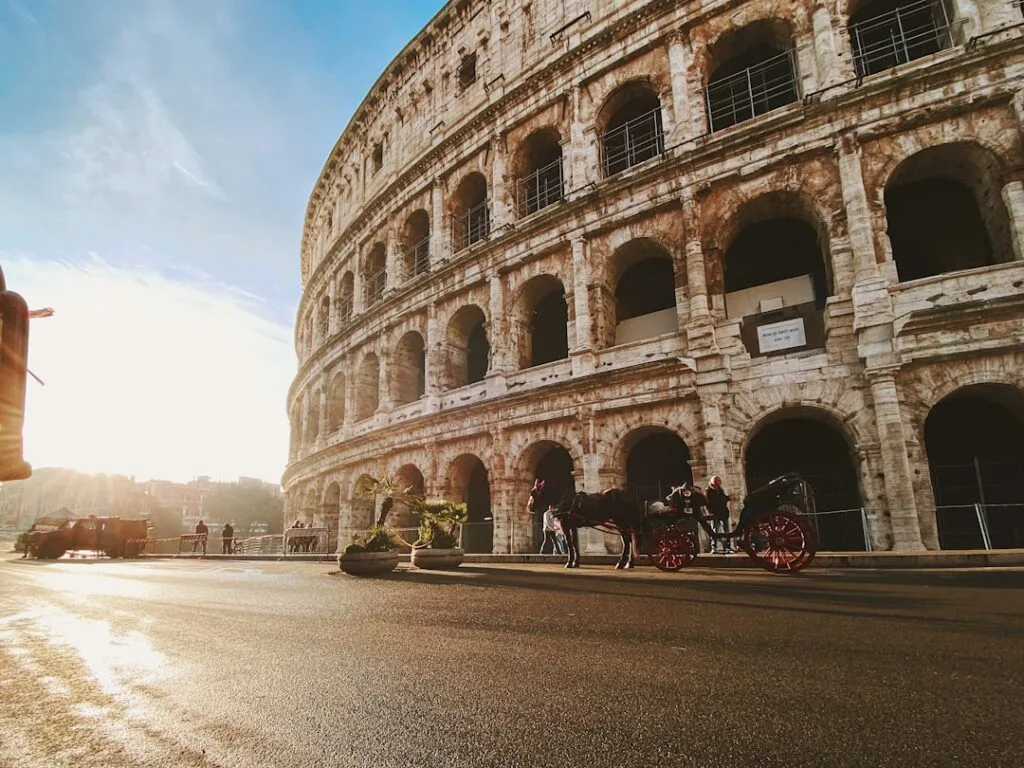
- Late afternoon visit: entering 60–90 minutes before closing can pay off, especially in summer when closing times are later (sometimes around 19:00). Crowds thin out in the late afternoon and the setting sun gives the stonework a dramatic glow.
- Avoid school holidays: steer clear of European and Italian school breaks (Christmas, mid-February, Easter, national holidays).
Address and context: the Colosseum is at Piazza del Colosseo, 1, 00184 Roma RM, Italy. The nearest metro stop is Colosseo (Line B), right on the piazza. The site is generally open from 08:30 to 19:15 in summer, with seasonal variations; in low season hours can be 09:00–16:30. Always check the Parco Archeologico del Colosseo official site for exact hours and exceptional closures (www.parcocolosseo.it).
Click here to book an early-morning Colosseum Express tour
Tickets, prices and buying strategies to beat the line
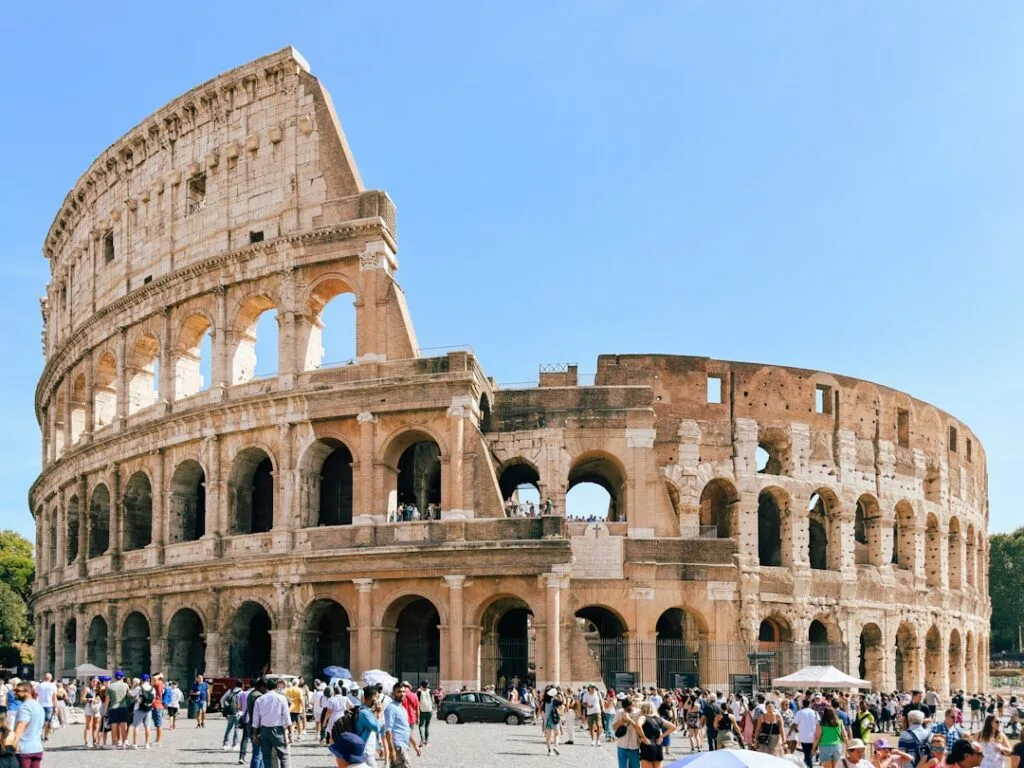
Ticket options and how you buy them strongly affect your chances of avoiding queues. The official combined ticket for the Colosseum, Roman Forum and Palatine Hill usually costs €18.00 (standard adult fare) and includes entry for a specified time period. An online booking fee may apply, often around €2.00, bringing the total to about €20.00. Young EU citizens aged 18–25 typically pay a reduced fare of about €2.00, while entry is free for under-18s (ID required).
Typical ticket types and rules:
- Combined Colosseum-Forum-Palatine ticket: standard price ~€18.00, valid 24–48 hours depending on the option, single entry to the Colosseum. Buying online for a timed slot is recommended.
- Skip-the-line tickets: available through official resellers and tour agencies. Prices vary, typically from €25.00 up to €60.00 depending on the guided option and access to restricted areas (arena, upper levels).
- Official guided tours: average cost €35.00–€60.00 per person, often including priority access and certified guide commentary.
- Roma Pass: tourist pass offering transport and discounted or included entry. Costs and coverage vary (e.g., 48-hour or 72-hour passes) and may include Colosseum entry if you reserve the slot within the pass options.
Practical strategies:
- Book in advance: buy tickets on the official site (www.parcocolosseo.it) or from authorized operators. Timed slots let you bypass the ticket desk queues.
- Favor guided entries: guided groups often have priority access and move at a pace that avoids internal peak times.
- Buy the combined ticket: it optimizes your visit by combining the Roman Forum (Via dei Fori Imperiali, 00186 Roma RM) and Palatine Hill and avoids back-and-forths, spreading visitors across sites.
- Alternative entry points: there are sometimes secondary access points for groups and guided tours; check at booking.
Watch out for scams: avoid unofficial resellers that advertise very low prices but add hidden fees or sell fake tickets. Tickets are sometimes available at the box office the same day, but in high season waits can exceed 1–2 hours. Keep your confirmation printed or on your phone, and arrive 20–30 minutes before your timed slot to pass security checks.
Click here to book Colosseum, Forum and Palatine audioguide

Best times of day and alternate routes around the Colosseum
The time of day heavily shapes your experience. Here are recommended time slots with alternative routes to complement your visit while avoiding the worst crowds.
Very early morning (sunrise slot): ideal for a peaceful visit. If you can enter right at opening (often 08:30, sometimes 09:00 in low season), you’ll enjoy soft light and calm atmosphere. Arrive 30–45 minutes before opening, get off at Colosseo station (Metro B) and pass security before the rush. Suggested route: start at the Colosseum, then head down to the Roman Forum (Via dei Fori Imperiali, 00186 Roma RM) and finish at the Palatine, which offers panoramic city views and is usually less busy than the Colosseum in the morning.
Late afternoon / golden hour: another great option is to enter 60–90 minutes before closing. Crowds ease, the low sun bathes the stones, and the summer heat drops. Suggested route: begin at the Palatine for sunset views, descend through the Forum, and finish at the Colosseum — it’s especially photogenic backlit.
Alternate itineraries to avoid crowds:
- Night tours: check for special evening visits (seasonal). They offer more exclusive access and a dramatic atmosphere. Typical prices: €40–€70 depending on the organizer.
- Private access: some agencies offer private access to restricted areas (arena, upper levels). These are pricier but provide an exclusive, crowd-free experience.
- Mix with less-touristed spots: after the Colosseum, stroll to the Monti neighborhood (Via Cavour, 00184 Roma RM) for charming side streets, cafés like La Casetta a Monti (Via del Boschetto, 39) and artisanal shops where tourist traffic is lighter.
Practical day-of tips:
- Wear comfortable shoes: surfaces are uneven and the route includes steps and cobbles.
- Bring a reusable water bottle: there are public drinking fountains (« nasoni ») around the city, including near Via dei Fori Imperiali.
- Be prepared for security checks: leave large bags at your hotel if possible and have ID handy.
- If you want crowd-free photos, look for viewpoints on the Palatine or slightly farther away spots like Piazza del Campidoglio for broader views.
Click here to book the Colosseum sunset entry tour
Local tips, nearby services and safety
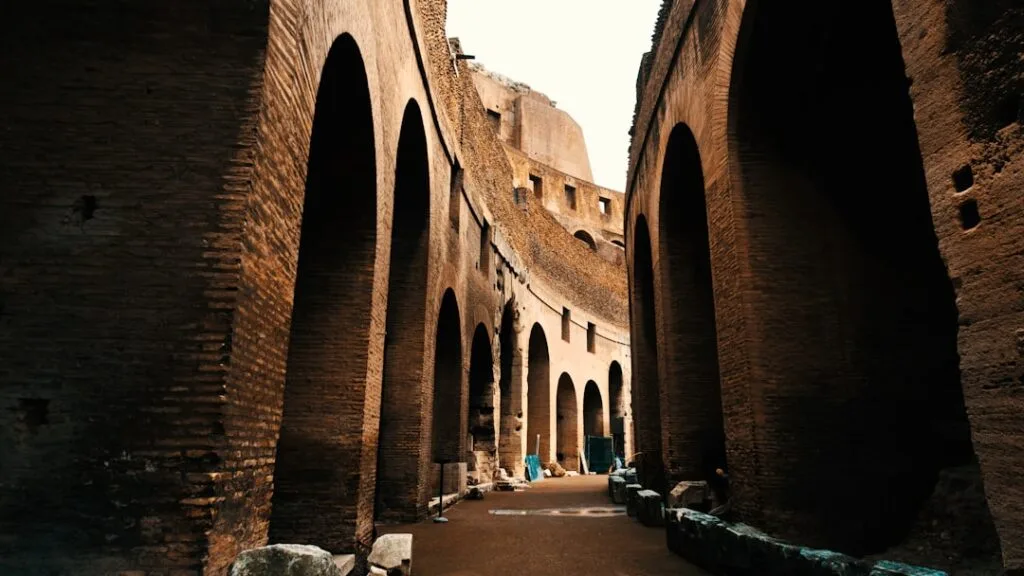
The neighborhood around the Colosseum is very touristy but packed with useful services. Colosseo metro station (Piazza del Colosseo) is the fastest way to get there. For a more scenic approach, walk from Cavour station (Via Cavour) or from Termini station (Piazza dei Cinquecento, 1) and enjoy a gradual immersion into Roman streets.
Nearby restaurants and cafés:
- La Taverna dei Fori Imperiali — Via Madonna dei Monti, 9, 00184 Roma RM. Traditional Roman dishes, main courses around €15–30. Good for lunch after your visit.
- Gelateria della Palma — Via della Maddalena, 19/23, 00186 Roma RM. Artisan gelato, portions €3–6, perfect for a refreshing break.
- Caffè Romano — Via Cavour, 257, 00184 Roma RM. Quick espresso and pastries, handy for breakfast before opening.
Safety and conduct:
- The site is well supervised, but the area is very busy: watch out for pickpockets, especially in queues and metro transfer points.
- Follow security staff instructions and don’t try to climb on archaeological structures. Fines can be imposed for violations.
- Public restrooms on site are limited; use nearby cafés to avoid long lines.
Local practical tips:
- If arriving by car, know that parking is scarce and expensive — public transport is a better option.
- Explore Monti’s markets and side streets after your visit — Via dei Serpenti and Via del Boschetto have craft shops and a calmer atmosphere.
- For iconic, crowd-free photos, go up to the Piazza del Campidoglio viewpoint (Campidoglio Hill) and look back toward the Colosseum in the soft morning or evening light.
Final practical information
Official address: Colosseo – Amphitheatrum Flavium, Piazza del Colosseo, 1, 00184 Roma RM, Italy.
Official website and tickets: www.parcocolosseo.it.
General hours: usually 08:30–19:00/19:15 in summer, reduced hours in low season (check the official calendar).
Indicative prices: combined Colosseum/Forum/Palatine ticket ~€18.00 (full price), reduced ~€2.00 for EU 18–25, free for <18; online booking fees ~€2.00 extra. Guided tours and skip-the-line options: €25–70 depending on format.
Conclusion: plan for a richer, quieter visit
Visiting the Colosseum while avoiding the crowds takes a little planning, but the rewards are huge: quiet moments of reflection, better photos, deeper understanding of the site, and the pleasure of a more peaceful stroll through history. The best practices boil down to three things: 1) choose the right time (low season or weekdays), 2) book the right ticket (advance reservation, combined ticket or guided tour for priority access), and 3) optimize the time of day (very early morning or late afternoon). These choices not only help you skip the lines but also let you enjoy a more complete visit, including spaces like the Palatine or the Colosseum’s underground when available.
Keep in mind practical details (hours, prices) change: always check the Parco Archeologico del Colosseo official site (www.parcocolosseo.it) for updates, and bring ID for discounts and checks. If you’re traveling with family, factor in breaks and plan alternatives around the Colosseum — a walk through Monti, a coffee in a traditional bar, or a relaxing stop at the Capitoline. Finally, accept that the Colosseum will sometimes be lively despite your best efforts: it’s the price of seeing one of the world’s most visited monuments. With these tips, you can turn a potentially stressful visit into a memorable, informative and much more intimate experience.
Safe travels, happy planning, and enjoy the Flavian Amphitheatre — preferably at dawn or dusk, when Rome still breathes quietly and the stones tell their stories best.