





Introduction
Cacio e pepe is more than just a plate of pasta: it’s a little piece of Roman culinary history concentrated on a plate, an alchemy of three ingredients — pecorino romano, black pepper and pasta — that yields a raw, intense flavor. In Rome, trying a genuine Cacio e pepe is a way to taste the city itself: the rustic character of the Lazio hills, the lively markets like the Mercato Testaccio, and the tradition of family-run trattorie in neighborhoods such as Trastevere and Testaccio. Romans sometimes refer to it by that simple, almost intimate name, as if they were talking about an old neighbor.
The cobbled streets that lead to well-known spots — Da Enzo al 29 (Via dei Vascellari 29, 00153 Roma), Felice a Testaccio (Via Mastro Giorgio 29, 00153 Roma), or Roscioli (Via dei Giubbonari 21, 00186 Roma) — each deliver a distinct take on the same dish. They differ in opening hours, price and atmosphere: Da Enzo al 29 typically opens 12:30–15:00 and 19:00–23:00 (closed Monday), with an average Cacio e pepe portion around €12–16; Felice a Testaccio serves its signature dish 12:30–15:00 and 19:00–23:30 (open daily), priced around €14–18; Roscioli, part delicatessen, part restaurant, welcomes guests 11:00–23:00 with portions roughly €15–20 depending on the season.
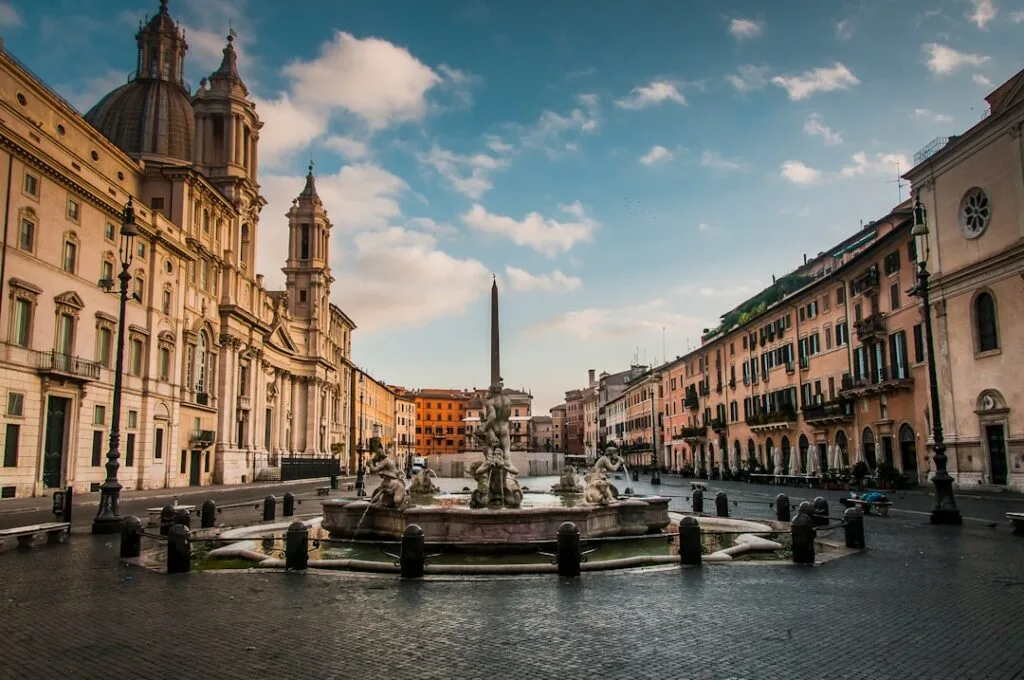
Understanding Cacio e pepe in Rome also means knowing the places where it’s eaten: the bustling Piazza Navona (Piazza Navona, 00186 Roma) whose terraces seat both tourists and locals, the Via dei Coronari with its antique shops, and riverside walks along the Tiber River at sunset. Landmarks like the Colosseum (Piazza del Colosseo, 00184 Roma) draw visitors from around the world, but the true taste memory of Rome is often made in intimate dining rooms, deli counters or markets where you can buy a good chunk of Pecorino Romano PDO for €10–25 per kilo depending on aging.
 Click here to book a Colosseum, Roman Forum and Palatine Hill tour
This guide blends an authentic recipe, exact Roman addresses with opening hours, immersive descriptions and local tips so you can not only cook Cacio e pepe like they do in Rome, but actually experience it. You’ll find details on ingredients — why pecorino romano must be freshly grated, the importance of good whole peppercorns, and why short pastas like tonnarelli or long varieties such as spaghetti alla chitarra are preferred. We’ll explain cooking techniques and emulsification to get a creamy sauce without cream, plus tricks to avoid clumping. Finally, recommended addresses with opening times and prices let you compare the homemade experience with the traditional Roman one.

Origin, ingredients and why this recipe is Roman
Cacio e pepe traces its roots to the pastoral traditions of Lazio and the Roman countryside. Long‑distance shepherds in the region used non‑perishable ingredients — dried pasta, pecorino cheese and black pepper — easy to carry and high in energy. The word “cacio” means cheese in central Italian dialect, while “pepe” means pepper. Together the words evoke a tasty simplicity that has become emblematic of Roman cooking.
The essential ingredients are very simple, but quality is crucial:
- Pecorino Romano: preferably PDO, finely grated; 80–100 g per person if you want a very silky sauce. In Rome, a good chunk of pecorino can be found at the delicatessen Salumeria Roscioli (address: Via dei Giubbonari 21, 00186 Roma) where prices range from €10 to €25 per kilo depending on aging.
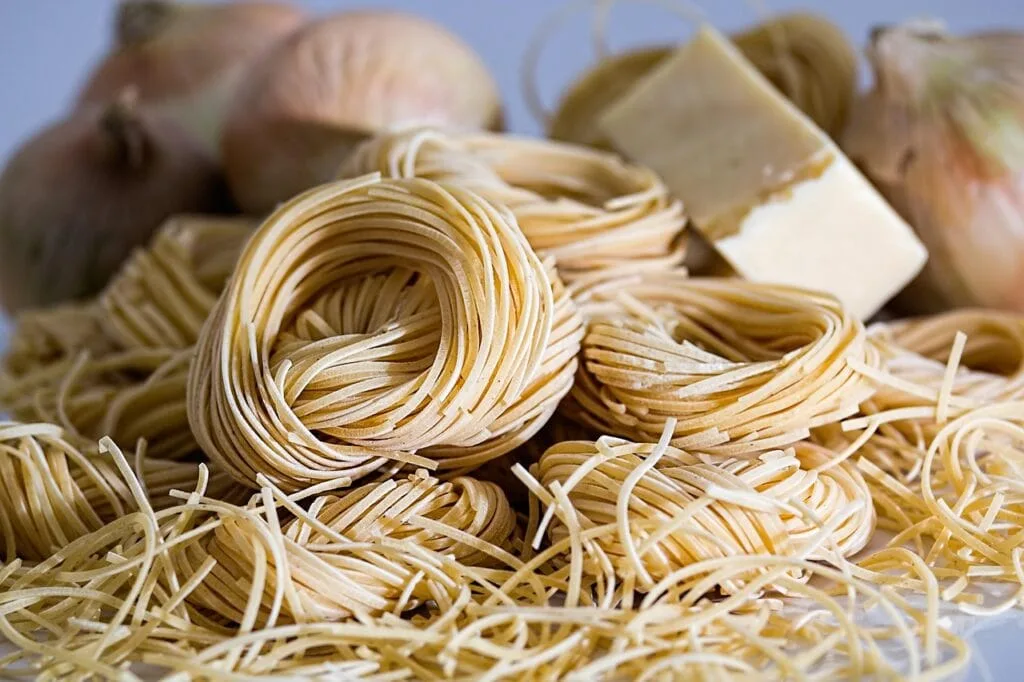
- Pasta: tonnarelli, spaghetti alla chitarra, or spaghetti (80–100 g per person). Tonnarelli are traditional in Rome for their slightly thicker texture that holds the sauce well.
- Black pepper: whole peppercorns, freshly crushed; be generous — 1–2 tablespoons depending on how intense you want it.
- Cooking water: essential for emulsifying the cheese with the pasta starch.
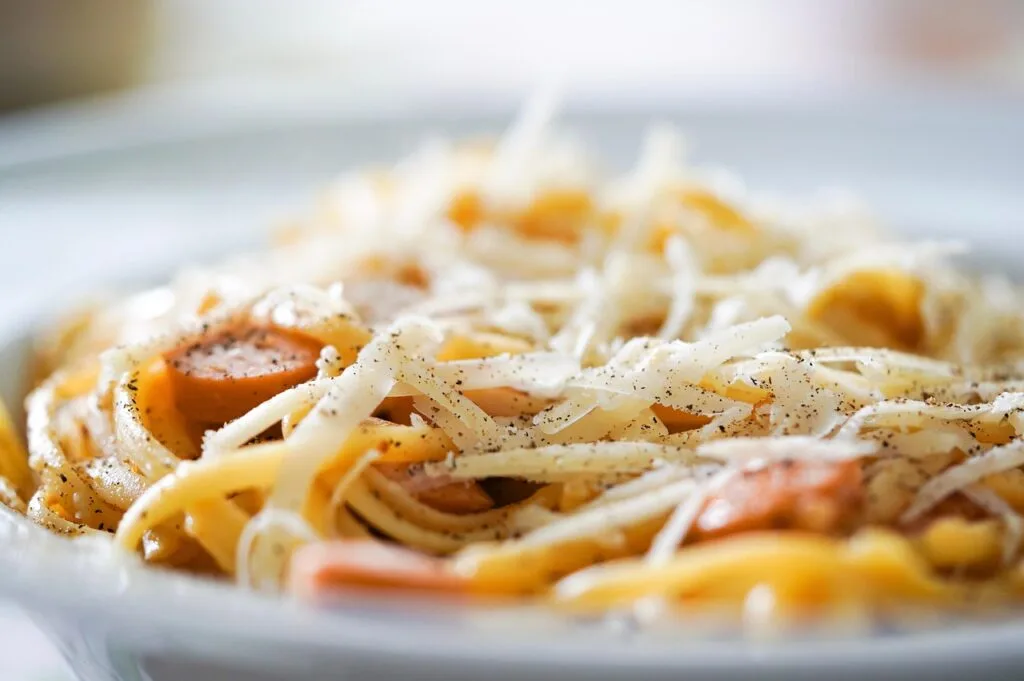
The Roman secret is using hot cooking water to create a silky emulsion without adding cream. In traditional trattorie in neighborhoods like Trastevere (for example Da Enzo al 29, Via dei Vascellari 29, 00153 Roma), you’ll see the chef grate the pecorino at the last moment and whisk the pasta vigorously with a ladle of cooking water and the cheese until a smooth texture forms. The result should be creamy, darkened by the pepper, and perfectly coating — in Rome you rarely get a watery or grainy sauce: the pasta surface must be coated, not drowned.
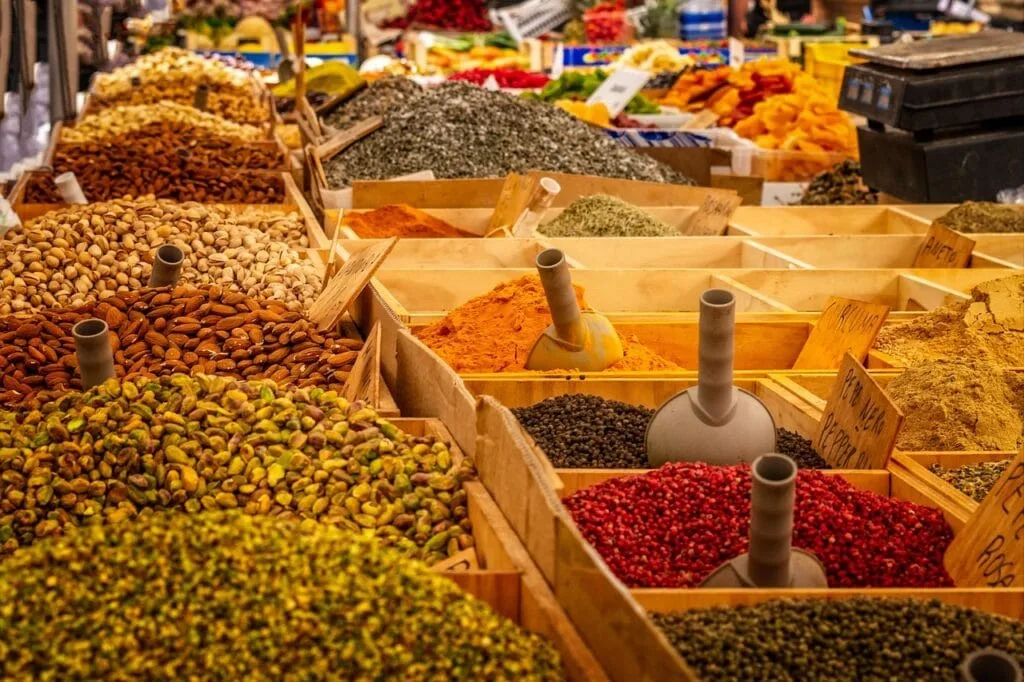
Selection tips: buy a well‑aged ewe’s milk pecorino that grates finely; avoid pre‑grated mixes that contain anti‑caking agents. For pepper, favor Sarawak or Tellicherry grains for aromatic complexity. And if you’re in Rome, a visit to Mercato Testaccio (Via Galvani, 00153 Roma) lets you touch, smell and taste these ingredients; stalls are generally open 07:00–14:00 every day except Sunday. Expect to pay €2–5 for a take‑away portion of pecorino at some stands, depending on size.
Step-by-step authentic recipe and technical tips
Here’s a precise recipe faithful to Roman technique, for 2 people:
- 200 g of tonnarelli or spaghetti alla chitarra
- 120 g Pecorino Romano PDO, freshly grated
- 1 to 2 tablespoons whole black peppercorns
- Salt for the water (lightly, since pecorino is very salty)
Steps:
- Bring a large pot of water to a boil. Lightly salt the water (about 8 g per liter), keeping in mind the pecorino will add plenty of salt at the end.
- Pound or coarsely crush the black pepper and toast it dry in a pan for 30 seconds to release the aromas, then set aside.
- Cook the pasta al dente according to the package time minus 1 minute. Reserve 2–3 ladles of cooking water.
- In a large warm bowl, mix the grated pecorino and one ladle of cooking water, whisking vigorously to form a creamy paste.
- Add the drained pasta to the bowl, gradually add another ladle of cooking water while working the sauce to create a smooth emulsion. Add the toasted pepper and adjust the consistency.
Crucial tip: the bowl and utensils must be warm to prevent the cheese from clumping. Also, never stop stirring during incorporation — the heat of the water and the mechanical force create the silkiness. If the sauce gets too thick, add one spoonful of hot water at a time. If you’re in Rome and want to watch the technique live, visit Felice a Testaccio (Via Mastro Giorgio 29, 00153 Roma) where the chef often prepares Cacio e pepe in view of the dining room — expect about €14–18 per portion depending on the season.
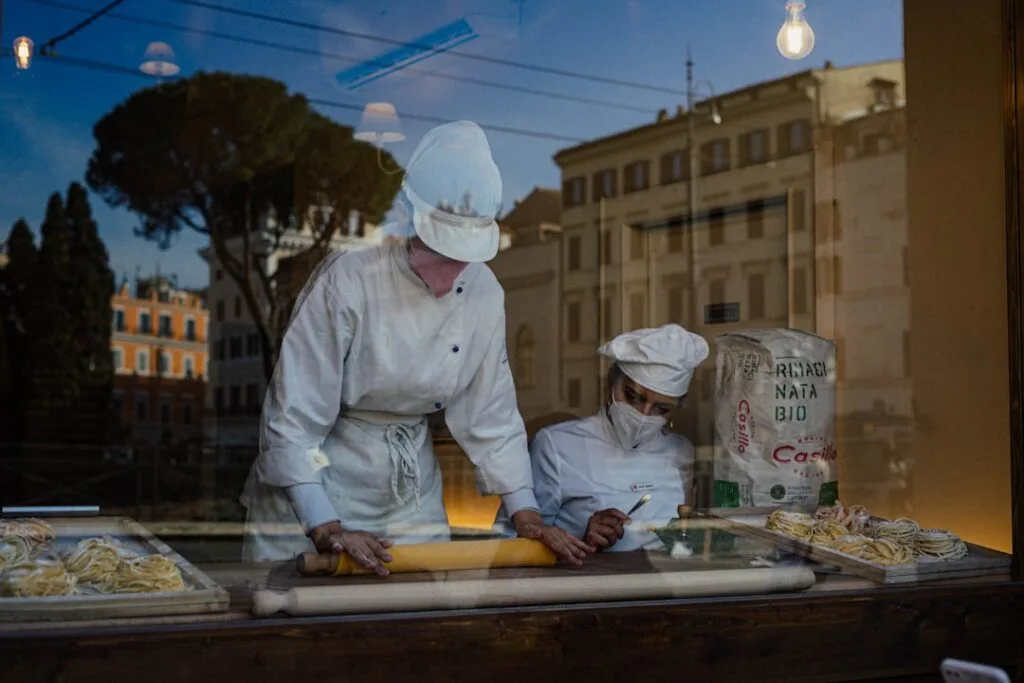
Variations allowed by Romans: some add a small amount of the starchy, concentrated cooking water first to bind more quickly, or choose between spaghetti and tonnarelli depending on the desired texture. But adding cream is considered heresy in Rome. To elevate the experience, serve with a glass of Frascati DOC (around €6–10 per bottle in a trattoria) and a light salad to balance the richness of the cheese-and-pepper profile.
Must-visit Roman addresses and practical tips
To taste an authentic Cacio e pepe in Rome, here are exact addresses with opening hours, indicative prices and an ambiance description:
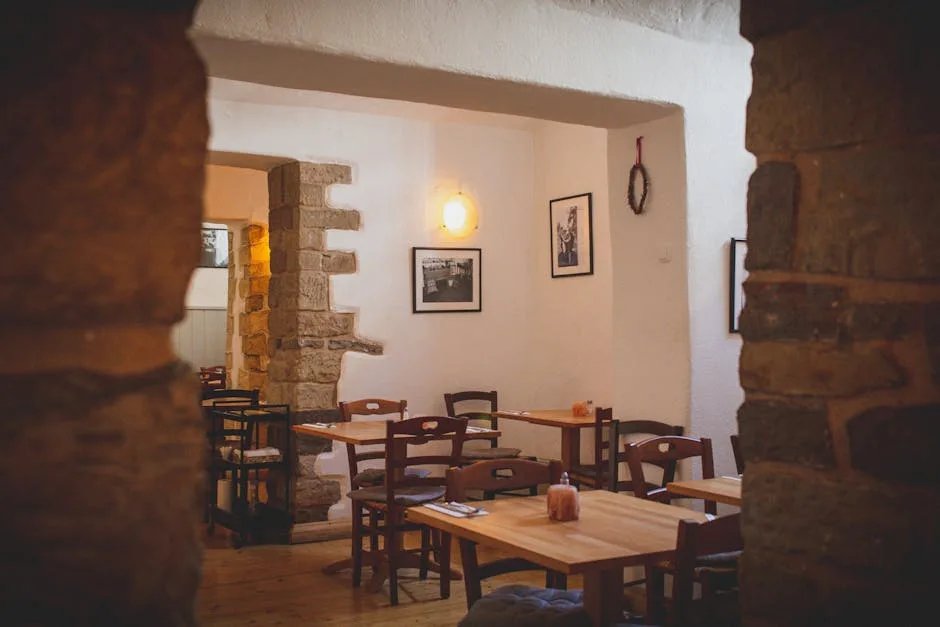
- Da Enzo al 29 — Via dei Vascellari 29, 00153 Roma. Hours: 12:30–15:00 / 19:00–23:00 (closed Monday). Price: around €12–16 per portion. Atmosphere: small traditional trattoria in Trastevere, reservations highly recommended, family service and generous portions. Tip: arrive early in the evening to avoid a 1.5 hour wait, and ask for a street-side table to watch neighborhood life.
- Felice a Testaccio — Via Mastro Giorgio 29, 00153 Roma. Hours: 12:30–15:00 / 19:00–23:30 (open every day). Price: €14–18 per portion. Description: famous for its pan-mounted pasta technique, fast and lively service — ideal for an authentic Roman experience. Tip: also try the amatriciana there for comparison.
- Roscioli Salumeria con Cucina — Via dei Giubbonari 21, 00186 Roma. Hours: 11:00–23:00. Price: €15–20 per portion. Special feature: deli and restaurant combined, you can buy high-quality pecorino on site. Tip: book ahead and explore their cheese counter before your meal.
Other places to soak up the atmosphere before or after your plate:
- Mercato Testaccio — Via Galvani, 00153 Roma. Hours: generally 07:00–14:00 (closed Sunday). Ideal for buying ingredients and watching local specialties.
- Piazza Navona — Piazza Navona, 00186 Roma. Perfect for a stroll after the meal; avoid the priciest tourist cafés around the square and head for the side alleys.
- Colosseum — Piazza del Colosseo, 00184 Roma. Typical visiting hours: 08:30–19:00 depending on season. Combine a cultural morning at the Colosseum with a late trattoria lunch.

Practical local tips:
- Always book for dinner, especially in Trastevere and Testaccio.
- Wear comfortable shoes: cobblestones are hard on heels and tire the feet.
- If buying cheese in a salumeria, ask to taste before you buy and buy a whole piece to preserve it better.
- Prefer cash for small trattorie; many accept cards but often with a minimum.
Click here to Book tickets for the Vatican Museums and Sistine Chapel

Sensorial experience and local culture around Cacio e pepe
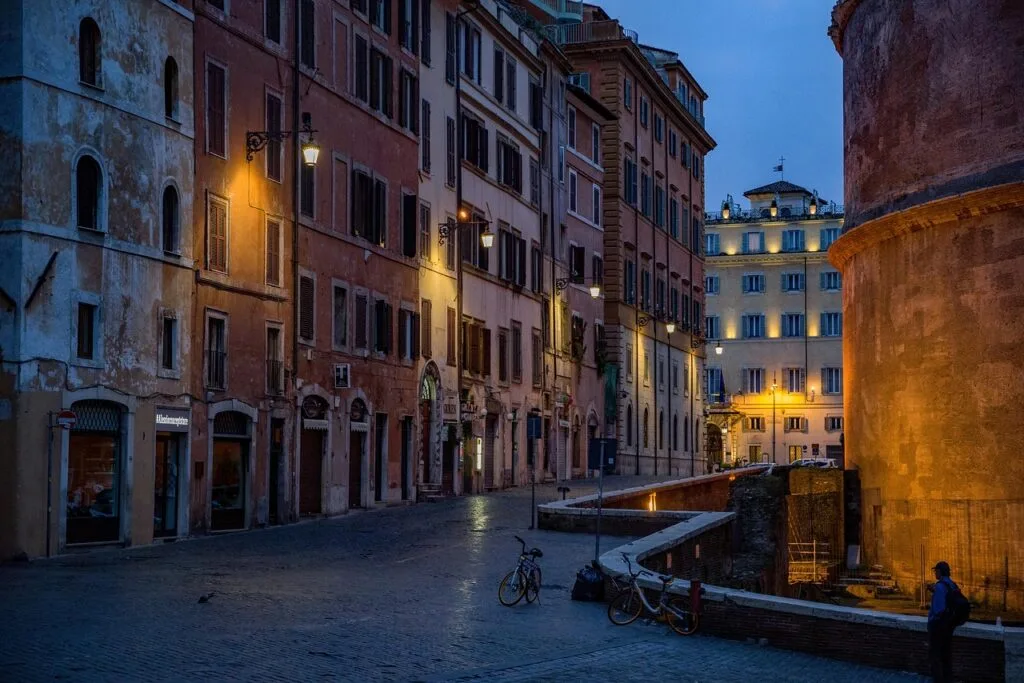
Eating Cacio e pepe in Rome is a full sensory experience: the hum of scooters in the alleys, the smell of freshly ground coffee at espresso hour, the pepper that tickles your nose and the warm creaminess of cheese on your palate. Picture a terrace table on Via dei Vascellari at dusk, a glass of local white wine, and the city unfolding its lights around you.
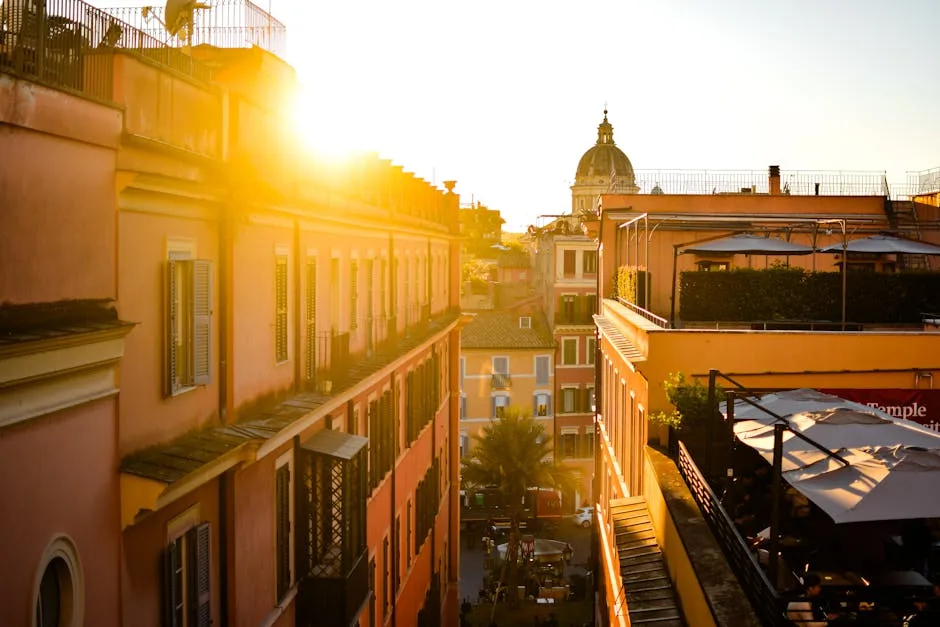
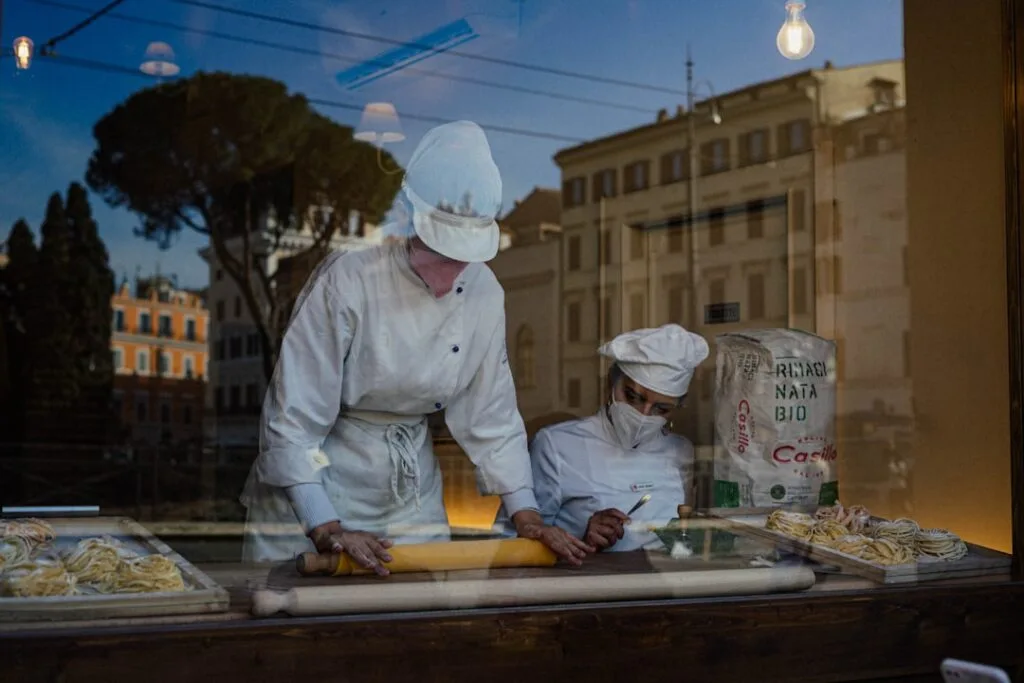
Romans often eat quickly but with intensity — a plate of pasta, a glass of wine, and animated conversation. Traditional trattorie keep their own tempo: direct service, generous portions, and a chef watching the cooking like a guardian of tradition. During the week, try to have lunch at 13:00 to avoid tourist crowds, or book dinner to soak up the local atmosphere. If you want to learn the recipe, some cooking schools in Rome offer workshops: for example, 3‑hour Cacio e pepe classes typically cost between €60 and €90 per person and include a market visit and tasting.
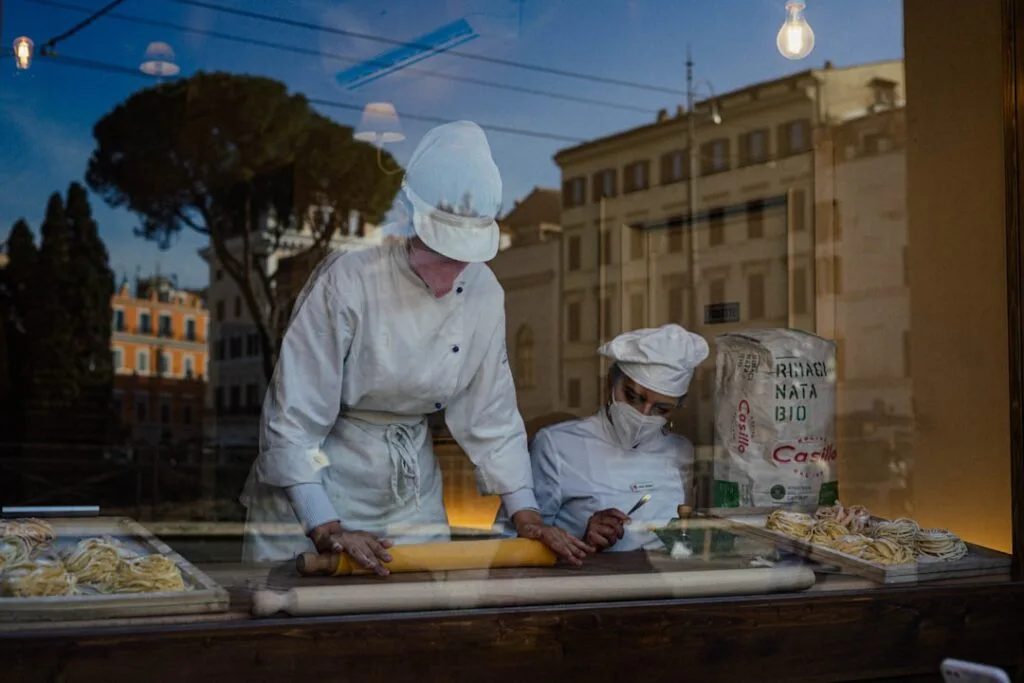
One last sensory tip: chew slowly to let the pecorino and pepper reveal all their aromatic layers. Fresh pepper offers lemony and woody notes while pecorino brings a milky saltiness with hints of hay and grass. Together they embody Rome’s rural memory and give each bite a story you can trace back to the hills of Lazio.
Click here to Book a Pantheon visit with wine tasting

Conclusion
Cacio e pepe perfectly illustrates the culinary soul of Rome: simplicity, quality ingredients and respect for technique. By following the traditional recipe outlined here and visiting the recommended addresses — Da Enzo al 29 (Via dei Vascellari 29), Felice a Testaccio (Via Mastro Giorgio 29), Roscioli (Via dei Giubbonari 21) — you can recreate the Roman experience at home or seek it out in the streets of the Eternal City. Each place offers a slightly different interpretation, but the common thread remains: the ability to turn a few elements into a powerful culinary emotion.
Beyond the recipe, the best way to understand Cacio e pepe is to watch and listen: watch a chef at work, smell the toasted pepper, handle a piece of aged pecorino and ask the market sellers for advice. The opening hours and prices listed here will help you plan your meal without surprises: expect portions between €12 and €20, trattorie typically open for lunch and dinner, and an atmosphere that favours sharing and conviviality.
Finally, keep in mind that Roman cuisine values memory and terroir. Whether you enjoy your Cacio e pepe at a trattoria table in Trastevere or prepare it at home with ingredients bought at Mercato Testaccio, you are taking part in a living tradition. Take the time to savor each bite, notice the texture, the contrast between peppery and salty, and feel the city through this ancestral dish. Enjoy your meal and viva Rome!