




Introduction: Rediscovering the Vatican Necropolis in a New Way
The Vatican Necropolis, commonly called the Scavi, is one of Rome’s most mysterious and moving sites. Hidden beneath St. Peter’s Basilica, it preserves funerary layers, imperial tombs and, according to many experts, the tomb of the Apostle Peter. But visiting the necropolis is more than ticking off a tourist stop: it’s an intimate, archaeological and spiritual experience that requires preparation, respect and sensitivity. In this article I’ll show you how to experience it differently — blending historical, archaeological, sensory and practical approaches — turning a visit into a deep immersion into ancient and Christian history.
What makes this place unique is its location (beneath the square and the basilica), the remarkable preservation of funerary structures dating from the 1st–3rd centuries AD, and the quality of the archaeological presentation that lets you read layer upon layer the evolution of a sacred landscape. Rather than rushing through, experiencing the Vatican Necropolis differently means taking the time to explore the material traces, understand Roman burial practices, read the Latin inscriptions, admire the mosaics and let yourself be moved by the hush and reverence that prevail.
This comprehensive guide gives you all the practical keys (exact addresses, prices in euros, opening hours, duration and booking procedures), but it goes further: suggested complementary routes, photography tips (within the restrictions), lesser-known alternatives like combining the visit with the Vatican Gardens or the Vatican Grottoes, and ideas for making the experience unhurried and meaningful. If you want to turn a visit into a true sensory and cultural discovery, follow this step‑by‑step guide.
 Click here to book your visit to the basilica and papal necropolis
1. Understanding the Vatican Necropolis: history, discovery and significance
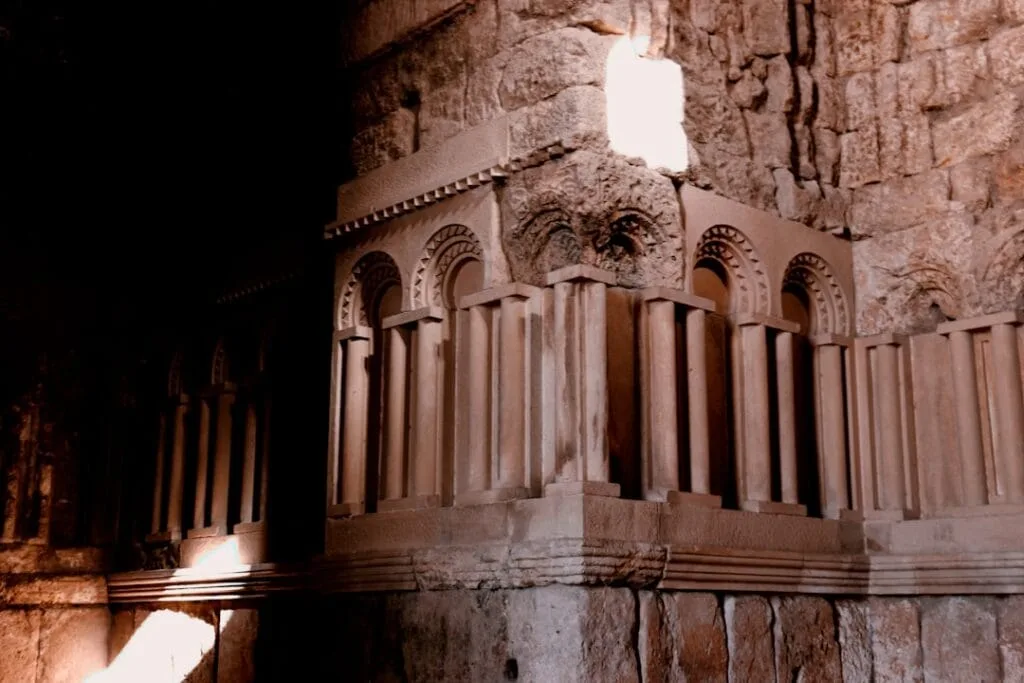
The Vatican Necropolis (Scavi) is a Roman funerary complex built at the edge of an ancient road (the Via Cornelia) and stretches beneath St. Peter’s Basilica. Here pagan funerary monuments sit alongside the earliest Christian burial expressions. The site’s main interest lies in its stratigraphy: superimposed archaeological layers that document the transformation of a Roman cemetery into a Christian pilgrimage site, and later into the monumental center culminating in the present basilica.
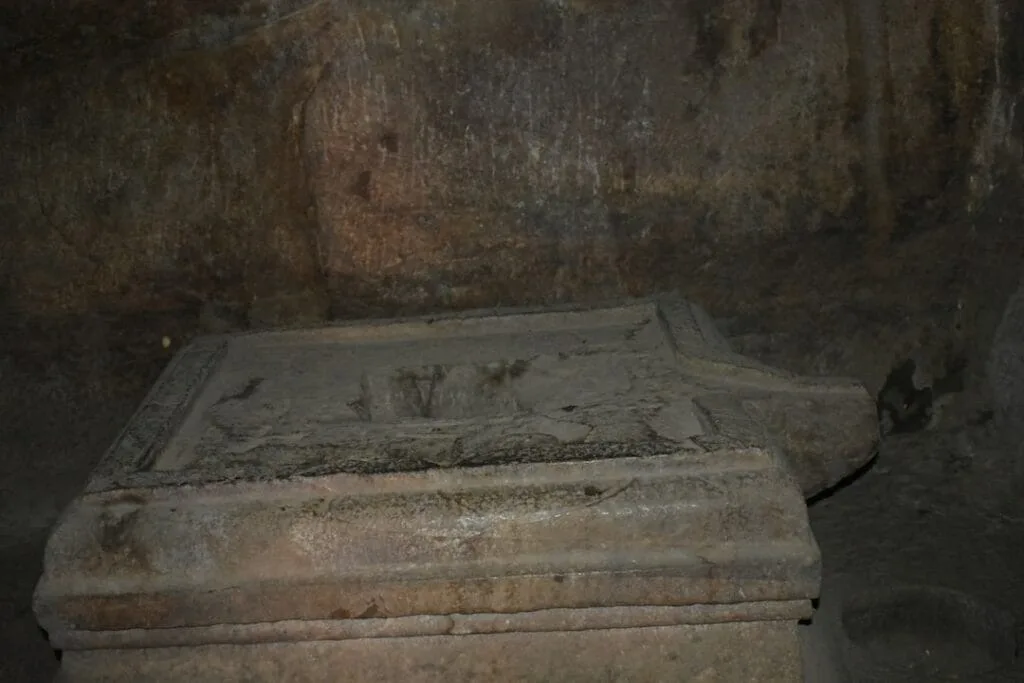
The systematic excavations that revealed the necropolis were carried out mainly in the 20th century under the direction of the Fabbrica di San Pietro and specialized archaeological teams. Archaeologists uncovered sarcophagi, private mausoleums, Latin inscriptions, polychrome mosaics and paved surfaces that tell stories of life and death in Rome during the first centuries AD. The most famous area is the so‑called « Trophy of Gaius » and the space interpreted as bearing memory of Saint Peter’s tomb.
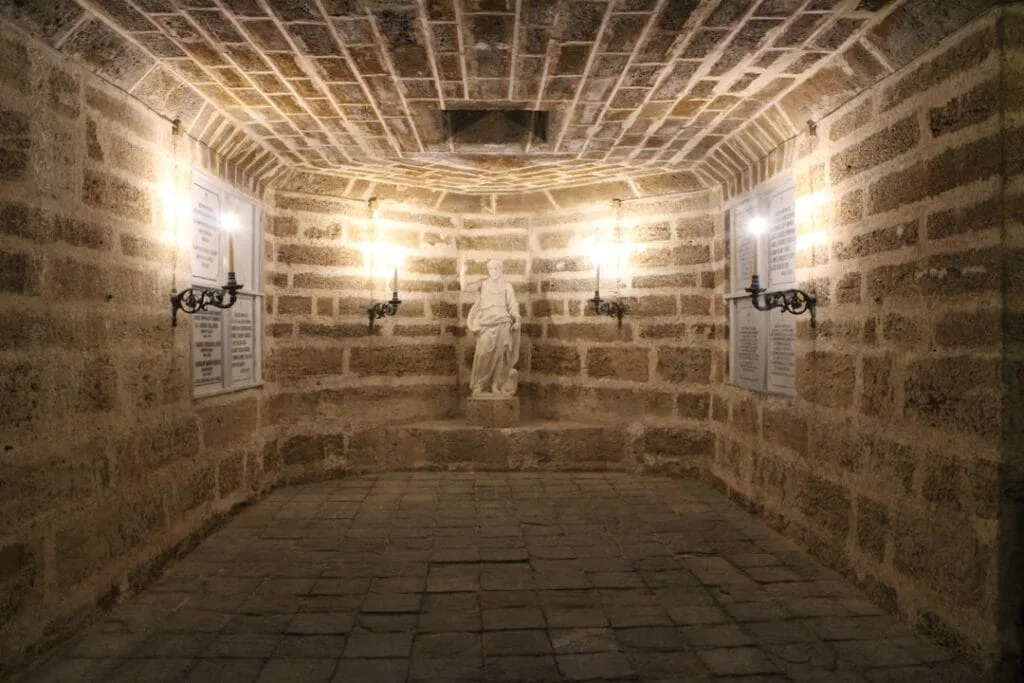
To get the most from your visit to the Vatican Necropolis, adopt an observer’s eye: study the materials (terracotta, tiles, fragments of plaster), read the inscriptions (names, funerary formulas), notice reuses and later modifications. The tour offers a direct contact with human and religious strata: you’ll sense the evolution of devotion and the tangled relationship between the profane and the sacred. It’s also an exercise in humility and discretion: the necropolis is a place of memory and reflection, where photography is often restricted and voices should be kept low.
Before you plan your visit, take a few moments to learn about the site’s history so you can spot the main highlights as soon as you enter: the orthogonal layout of some tombs, funerary niches, the likely position of Peter’s tomb and traces of ancient roads. This background will make your descent into St. Peter’s subsoil richer and more meaningful.
2. Practical information: where, how, how much and when
Visits to the Vatican Necropolis are strictly by reservation only and conducted in small groups with an authorized guide. Here are the essential practical details to know before you go:
- Official site name: Vatican Necropolis (Scavi) – Fabbrica di San Pietro
- Access address: Piazza San Pietro, 00120 Città del Vaticano (entry and meeting point at the sacristy / Scavi office — follow signs once you’re on the square).
- Booking: Visits must be reserved in advance, by email at [email protected] (Ufficio Scavi – Fabbrica di San Pietro) or via the official Fabbrica di San Pietro website form.
- Price: Approx. €13.00 per person (official indicative fee for the guided necropolis tour). Rates can change, so always check your confirmation.
- Opening hours: Tours run Monday through Saturday, with departures generally in the morning. The average guided tour lasts about 50 minutes. The site is closed to the public on Sundays.
- Group size: Small groups (often 10 to 12 people) to protect the site and ensure a respectful visit.
Some logistical tips: arrive at least 20–30 minutes before the time on your confirmation, bring a photo ID (sometimes required) and be prepared for a security check. The descent involves fairly narrow staircases and parts of the route are confined spaces: wear warm clothing (the underground is cool) and comfortable shoes. Large bags are prohibited; it’s best to leave suitcases and big luggage at your hotel.
Finally, bear in mind that disturbing the guide’s pacing is strictly forbidden: flash photography, pushing and loud conversations could get you removed. Follow the rules to preserve the site and everyone’s experience.
3. Combined visits and alternatives to enrich the experience
To get a fuller sense of the Vatican Necropolis and its historical reach, it’s wise to combine the visit with other official Vatican and Rome sites. Here are logical and practical pairings, with addresses, indicative prices and opening hours:
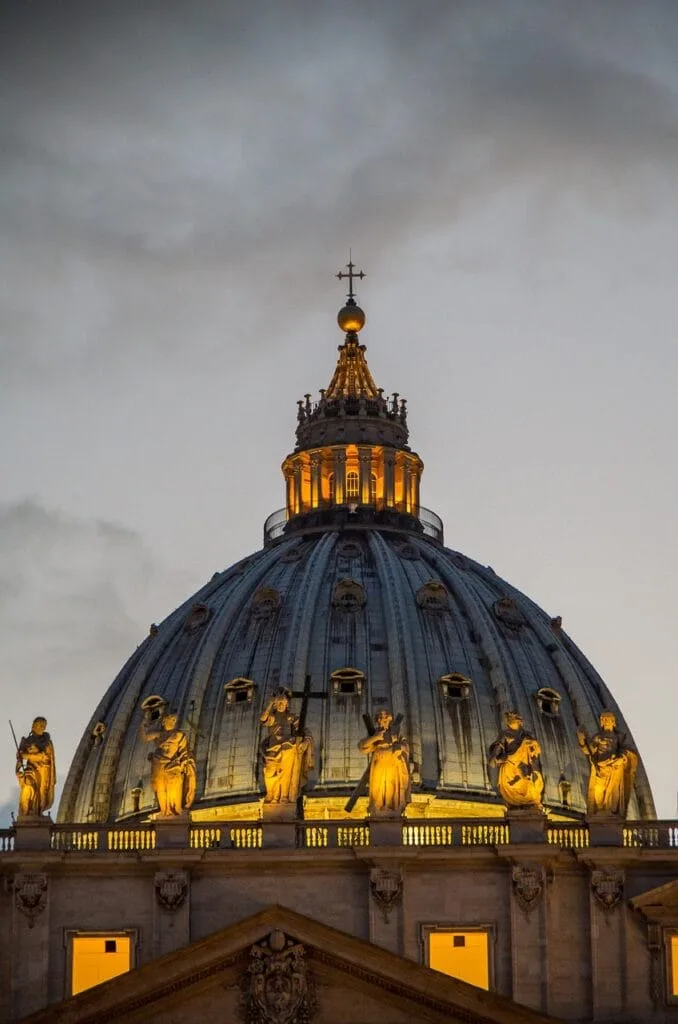
- St. Peter’s Basilica (Basilica di San Pietro)
Address: Piazza San Pietro, 00120 Città del Vaticano.
Hours: Open daily — generally 07:00–19:00 in summer and 07:00–18:30 in winter. Check seasonal variations.
Price: Free entry (but access to the dome is paid, about €8–€10 depending on whether you take the partial elevator). The basilica deserves time to admire Michelangelo’s Pietà, the mosaics and the chapels. - Vatican Museums (Musei Vaticani) and the Sistine Chapel
Address: Musei Vaticani, Viale Vaticano, 00165 Roma RM, Italy.
Hours: Generally Monday through Saturday, 09:00–18:00 (last entry 16:00). Closed on Sundays except one Sunday a month (free entry with reduced hours).
Price: Standard ticket around €17.00 if booked online; booking fees may apply (approx. €4.00). Prices vary with options and audio guides. - Vatican Gardens (Giardini Vaticani)
Address: Entrances via Viale Vaticano / Piazza del Governatorato, 00120 Città del Vaticano (visit only with a guided tour).
Hours: Guided tours by reservation, often in the morning; about 2 hours.
Price: Official guided tour roughly €32.00 per person (indicative). - Vatican Grottoes (Grotte sotto la Basilica)
Access: From inside St. Peter’s Basilica, the underground areas are sometimes accessible via supervised routes; hours and availability vary depending on excavations and the liturgical calendar.
Price: Often included in certain guided tour packages.
Practical tip: to make the most of your time, book the Scavi visit first (spaces are limited), then plan the Vatican Museums and the Basilica for the same day if possible. Start early at the Scavi (the atmosphere is quieter in the morning) and save the museums for the afternoon, when the light can be ideal to appreciate the painted rooms.
Click here to book a guided visit to St. Peter’s Basilica with dome
Click here to book your tickets for the Vatican Museums and the Sistine Chapel
4. Experience it differently: sensory approach, photography and specialist guides
Seeing the Vatican Necropolis differently also means changing your relationship with the site: moving from simple observation to a contextualized sensory experience. Here are concrete ideas to deepen your visit:
- Choose a specialist guide: pick an archaeologist or an art historian who knows stratigraphy and epigraphy. These experts can point out the tiny clues that matter: reused materials, traces of paint, and the logic of funerary axes.
- Thematic approach: request a tour focused on a specific theme — epigraphy, funerary rituals, mosaics or Roman architecture — to turn 50 minutes into a concentrated immersion. Private groups often allow more customization.
- Respectful photography: most of the time photography is allowed but without flash. Follow the guide’s instructions and signage. Use a fast lens (f/2.8 or better) to capture the dim atmosphere; stabilize your camera and keep ISO moderate to avoid excessive noise.
- Personalized themes: ask for a visit centered on a particular topic — inscriptions, burial rites, mosaics or Roman building techniques — to make the brief tour feel like a targeted deep dive. Private groups generally offer more flexibility.
A few rules to ensure a successful experience: never touch the structures, avoid strong perfumes (for others’ comfort), and respect dress codes that the Fabbrica di San Pietro may require. If you plan to photograph for professional use, arrange written permission in advance.
Click here to choose a guided tour of the basilica and the popes’ tombs
5. Around the Vatican: alternative routes, dining and practical tips
After visiting the Vatican Necropolis, it’s pleasant to extend your exploration with walks and stops around the Vatican. Here are practical ideas to round out your day, with addresses and recommendations:
- Ponte Sant’Angelo — Stroll across Ponte Sant’Angelo (Ponte Sant’Angelo, 00186 Roma RM, Italy) for a spectacular view of the Tiber and the façade of Castel Sant’Angelo. It’s a lovely route to reach the historic center.
- Borgo Pio — A charming historic street ideal for lunch, located just steps from St. Peter’s Square. Look for a small trattoria serving traditional Roman dishes (pasta all’amatriciana, carciofi alla romana). Lunch prices typically range from €12 to €25 per person depending on the restaurant.
- Caffè Sant’Eustachio or other historic cafés — For a coffee break before or after your visit (locations in Rome’s center, reachable on foot or by bus from the Vatican).
- Transport: Metro line A, Ottaviano‑San Pietro station (Piazza Ottaviano, 00192 Roma RM) or buses (line 64 is popular for reaching Piazza Venezia). Expect 15–25 minutes to reach the historic center depending on traffic.
For visitors wanting to continue with contemplative moments: climb the Janiculum Hill (Gianicolo) for a panorama over Rome, or head into the Prati neighborhood for shopping on streets that are less touristy. Also, remember to book restaurants and extra tours during high season (April to October) as the Vatican area gets very busy.
Click here to reserve a skip-the-line Castel Sant’Angelo tour
Safety and preservation tips
Respect conservation rules: do not touch surfaces, do not remove any fragments, and follow staff instructions precisely. Places of memory call for exemplary behavior; a successful visit is one that observes without disturbing.
Conclusion: Why experiencing the Vatican Necropolis differently is worth it
The Vatican Necropolis is a unique place where history, archaeology and spirituality converge. Experiencing it differently — prioritizing depth over speed, choosing a specialist guide, combining the Scavi descent with other Vatican sites and strictly respecting the rules — turns a simple attraction into a memorable experience. The practical details (address: Piazza San Pietro, 00120 Città del Vaticano; booking via [email protected]; indicative price €13, tours Monday through Saturday) will help you plan calmly. But beyond coordinates, it’s the visitor’s attitude that makes the difference: attentive curiosity, humility in the face of history and patience.
If you’re sensitive to buried narratives, the materiality of the past and the discreet encounter with centuries of humanity, spending time at the Vatican Necropolis will leave a lasting impression. Whether you’re passionate about ancient history, Christian archaeology or simply a traveler seeking authenticity, adapt your visit — thematic, photographic or combined — and let yourself be surprised by the power of this underground place. And remember to check official hours and fees before you go: cultural administrations regularly update their conditions. Enjoy your exploration, and remember that beneath the bustling St. Peter’s Square, history speaks in silence: you only need to listen.