





Introduction — A gourmet stroll in Rome: smell, taste and get to know the neighborhoods
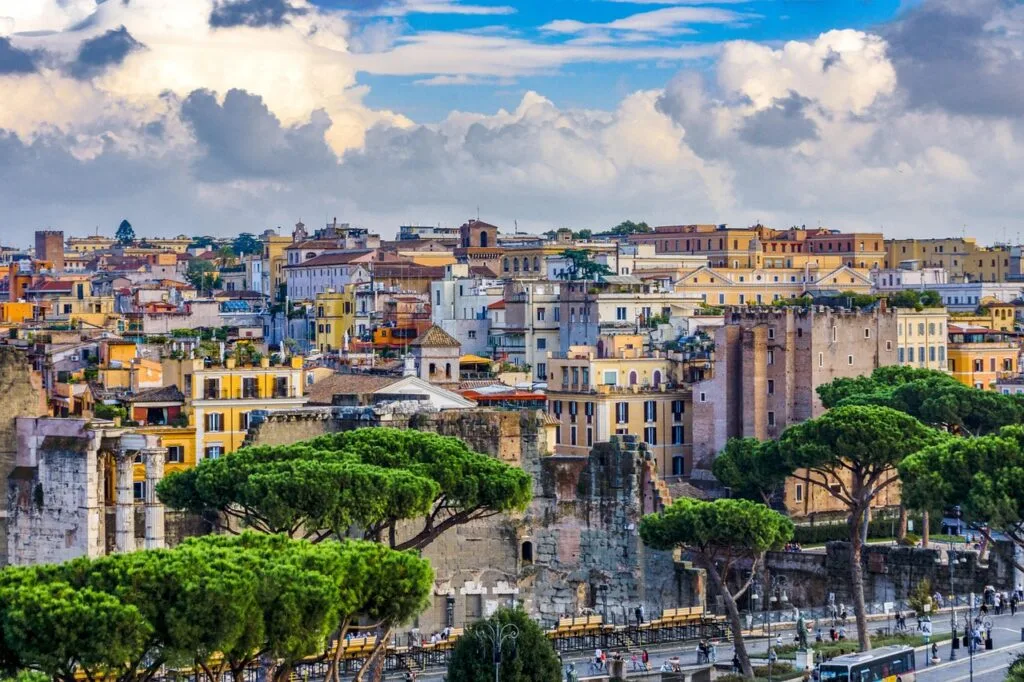
Rome isn’t just an open-air museum: it’s also a living kitchen, street and neighborhood food told through market stalls, small family shops and trattorie unchanged for generations. A foodie walk in the capital isn’t merely a list of dishes but a sensory immersion: the smell of warm bread, the crunch of a supplì, your palate learning to tell a slow-cooked tomato sauce from an industrial one. This guide is a practical, detailed roadmap for exploring Rome neighborhood by neighborhood — not a quick monument tour, but a local, slow, sensory and respectful approach.
Each neighborhood has its own culinary story: Trastevere keeps popular recipes and family taverns, Testaccio is the old slaughterhouse area turned market and reinvented street food capital, the Centro Storico (around Campo de’ Fiori and the Ghetto) mixes historic bakers and butchers, while Prati and Monti offer more contemporary spots and artisan gelato. In this guide you’ll find exact addresses — place names, street addresses — price ranges in euros, typical opening hours and immersive descriptions for each stop. The suggestions are designed for a coherent walking route and to compose a balanced tasting (savory/sweet, street food/trattoria) over a half or full day.
I also offer local tips: when to arrive to avoid queues, how to order like a Roman, what to taste first and how to combine stops so you don’t get full at the first shop. Prices and hours are indicative but reflect standards of the listed spots; always check online before you go, especially for places that close after lunch and reopen in the evening. By the end of the walk you’ll not only have a better grasp of the Roman menu, but also the places and habits that make Rome’s street and neighborhood food a unique experience.
Trastevere: narrow lanes, historic trattorie and authentic street food
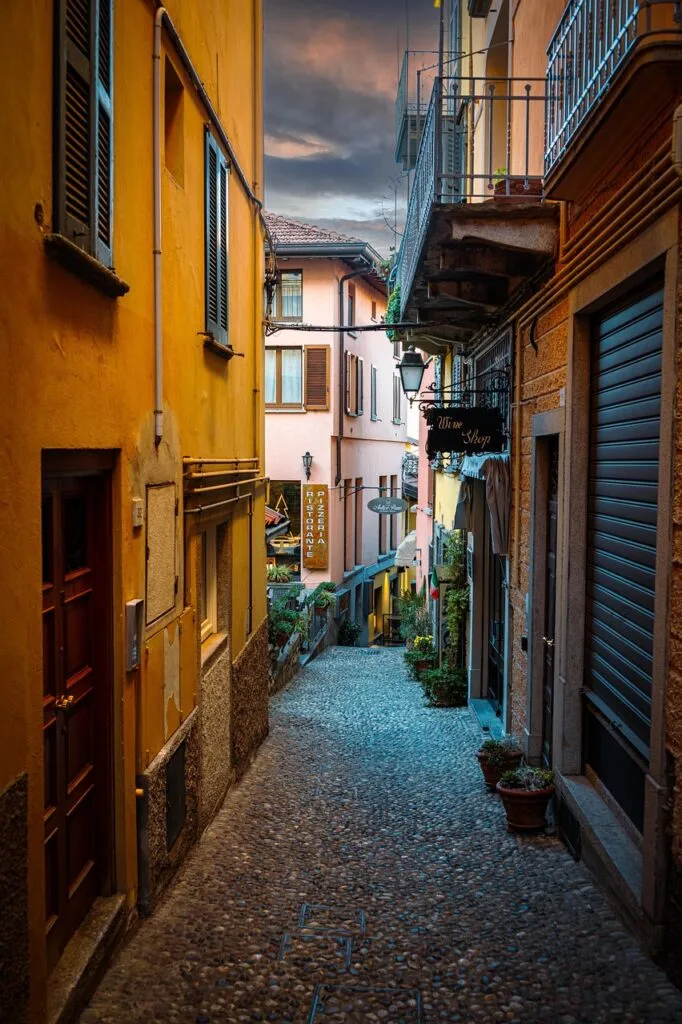
With its uneven cobbles and warm-colored façades, Trastevere is one of the best neighborhoods to start a food walk. Here small family trattorie sit alongside street stalls, and the vibe is often very local. Start with a coffee and something sweet: Pasticceria Regoli, located at Via dello Statuto 60, 00185 Roma, is famous for its maritozzi and pastries. Hours: Tuesday–Sunday 07:30–20:00 (closed Monday). Prices: espresso from €1.10, maritozzo around €3.50.
Head toward the heart of Trastevere for savory classics. Da Enzo al 29, Via dei Vascellari 29, 00153 Roma, is a traditional trattoria where cacio e pepe and amatriciana are made to old standards. Hours: 12:30–15:00 and 19:00–23:00; closed Monday. Prices: pasta €11–€16, antipasti €6–€12. Local tip: arrive early for dinner (19:00–20:00) or book if possible — the place is small and very popular.
For street food, stop at Supplì (many stands and small shops in Trastevere), where the supplì — a breaded rice ball filled with ragù or mozzarella — usually costs €3–€4. Look for signs reading “supplì al telefono” for the most Roman experience: when you bite in, the mozzarella stretches like a telephone. At the end of the walk, don’t miss artisan gelato at Gelateria del Viale or Gelateria del Teatro, Via dei Coronari 65/66, 00186 Roma (open 12:00–23:00; scoop €2.50–€3.50).
Practical tips: in Trastevere walk slowly and follow the smell of basil and bread. Trattorie hours are typical: lunch 12:30–14:30, dinner 19:00–22:30. Payments: many places take cards, but some small stalls prefer cash for purchases under €10.
Testaccio: popular market, historic supplì and contemporary cooking
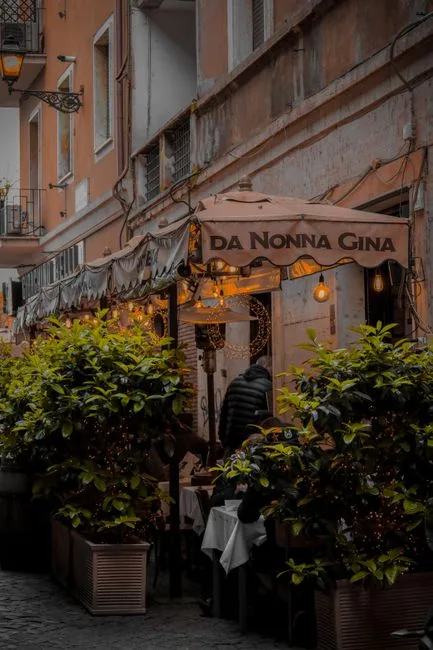
Testaccio is often described as Rome’s culinary laboratory. Once the slaughterhouse district, it developed a food culture based on lesser cuts transformed into tasty, popular dishes. The neighborhood’s contemporary heart is the Mercato Testaccio, located at Via Galvani 10, 00153 Roma. Hours: covered market open Tuesday–Sunday 08:00–20:00 (closed Monday). At the market you’ll find charcuterie, cheese, fish stalls and street food corners. Prices: street food portions €3–€8 depending on the dish.
Don’t miss the market’s Supplì & Street Food — the supplì here is an institution, often made with care: slow-simmered meat, fine breadcrumbs and golden frying. Another must is Felice a Testaccio, Via Mastro Giorgio 29, 00153 Roma, famed for its creamy cacio e pepe. Hours: 12:30–15:00 and 19:00–23:00; closed Sunday night. Prices: cacio e pepe €12–€15, antipasti €7–€14.
For a modern touch, try Trapizzino (a Neapolitan street-food concept adapted to Rome): a triangular pastry stuffed with countless popular recipes. A known spot in Testaccio is near the market (check local signage for the exact address), with trapizzini from €4.50 each. Testaccio also offers restaurants reinterpreting tradition: main courses €14–€25, tasting menus €30–€55 depending on the venue.
Local tips: on Sunday morning the market is lively and it’s the best time to sample fresh produce and chat with the vendors. For dinner, try going after 20:30 — Romans here eat late and restaurants come alive then. Testaccio is also a great neighborhood for cooking classes or charcuterie workshops: book ahead and budget €50–90 for a 2–3 hour session.
Book a tasting and guided walk
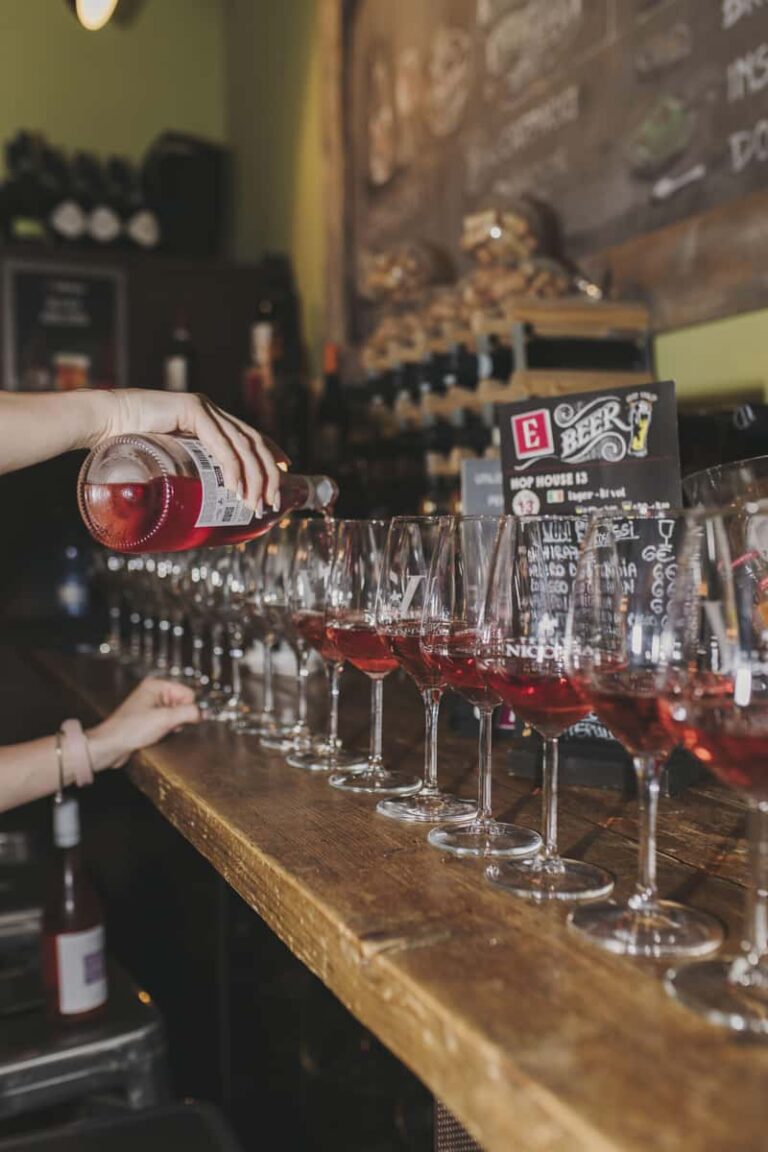
The smell of toasted bread and a red wine being opened in a narrow alley.
1. Wine tasting in Trastevere
Wine pairings and local bites in a neighborhood wine bar: buffalo mozzarella, a hint of truffle, then gelato for dessert. Perfect for a convivial, sensory break without straying from the charm of the alleys.
- ⏱️ Duration: 1.5–3.5 hours
- 🚩 Start: Meeting point varies (Trastevere)
- 👥 Format: Group or private depending on option
- 🗣️ Languages: English
- 🍹 Included: Wine tastings and plates of local products
2. Centro Storico street food
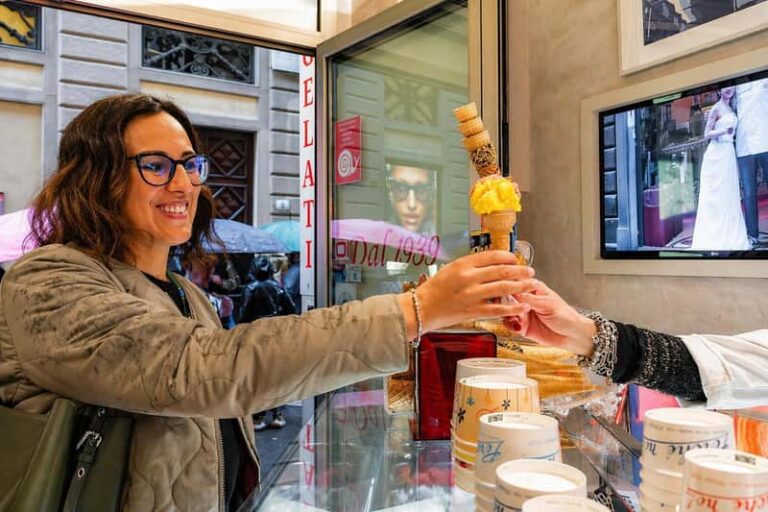
Guided walk between Campo de’ Fiori and the Ghetto to taste supplì, porchetta, Roman-style pizza and carciofi alla giudia, while discovering markets and local stories with a regional guide.
- ⏱️ Duration: 2.5 hours
- 🚩 Start: Fountain in the center of the square (Piazza Navona)
- 📍 Route: Campo de’ Fiori → Ghetto → around the Pantheon
- 🚶 Format: Guided walking tour
- 🗣️ Languages: English
Centro Storico and Campo de’ Fiori: artisans, markets and historic Roman flavors
Centro Storico concentrates bakery traditions and artisanal charcuterie. Start at the famous Campo de’ Fiori market, with the historic baker Forno Campo de’ Fiori located at Campo de’ Fiori 22, 00186 Roma. Opening hours: 07:00–20:00 daily except some public holidays. Here, roasted bread, focacce and pizza al taglio sell for €2.50–5.50 a slice. The morning atmosphere is ideal: fruit sellers and spice stalls form a kaleidoscope of colors and scents.
A short walk away, Salumeria Roscioli, Via dei Giubbonari 21/22, 00186 Roma, is a must for charcuterie, cheeses and pasta. Hours: 08:00–24:00 (continuous service, check for Sundays). Prices: sandwiches €6–12, pasta dishes €12–18, charcuterie boards €12–30. Roscioli combines shop and restaurant — the perfect experience to taste an aged pecorino or an exceptional burrata.
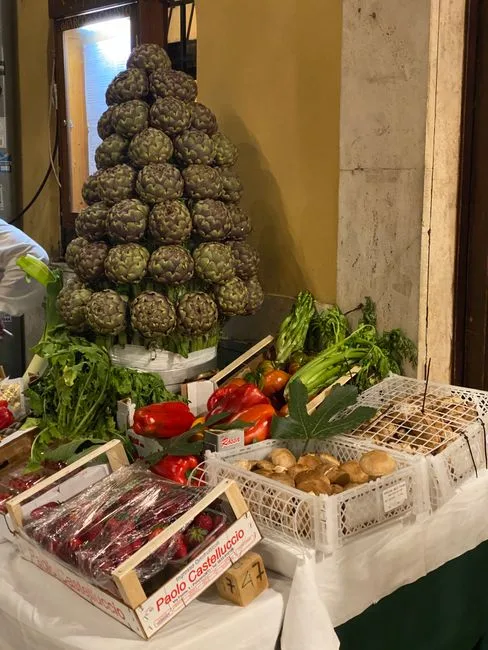
In the Jewish Ghetto, Roman cuisine takes on a distinct character: artichoke-based dishes (alla giudia) and fried specialties popularised by historic communities. Try Nonna Betta, Via del Portico d’Ottavia 8, 00186 Roma, known for its Roman-Jewish recipes. Hours: 12:00–15:00 and 19:00–23:00; closed Saturday in observance of the Sabbath. Prices: main courses €14–22; artichoke specialties €6–12.
Another Centro Storico classic: stop at Roscioli Caffè for excellent coffee or fine preserves to take away. Local tip: avoid restaurants directly on the most touristy squares during peak times (13:00–15:00 and 20:00–22:00). Instead, look for the small side streets where prices are fairer and quality often better. For sweet treats, a slice of frangipane tart or a homemade tiramisu from €4.50 is an excellent choice after a stroll around Piazza Navona.
 Click here to taste wine after visiting the Pantheon
Jewish Ghetto and Prati: traditions, fish and refined pastries
The Jewish Ghetto is a culinary enclave that tells a centuries-old story. Dishes here are often simple but executed perfectly. Beyond Nonna Betta, note Ba’Ghetto, Via del Portico d’Ottavia 16, 00186 Roma, known for its fish specialties and generous portions. Hours: 12:00–15:00 and 19:00–23:00; closed Saturday. Prices: antipasti €8–15, fish mains €15–25.
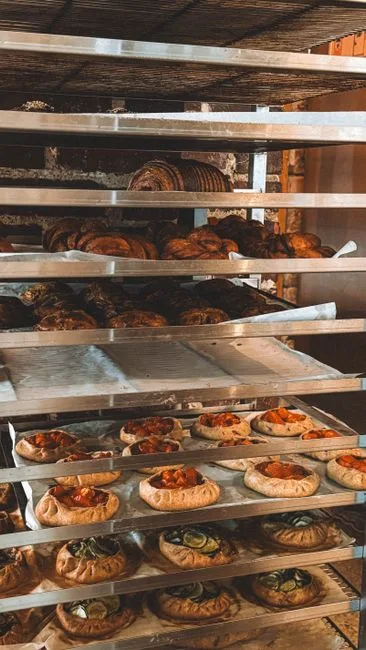
Neighboring Prati shows another side: refined pastries, delicatessens and artisanal gelaterie. Pasticceria Regoli mentioned earlier (Via dello Statuto 60) is a good landmark, but Prati also hosts less-touristy shops where you can buy aged pecorino, homemade sauces and artisanal pasta. Delicatessen hours: generally 09:00–20:00, some close early afternoon (13:00–16:00).
For an exceptional dessert, look for artisanal gelaterie on the streets perpendicular to Via Cola di Rienzo: a scoop of gelato costs on average €2.50–3.50. For a more formal meal, Prati offers tasting-menu restaurants: budget €35–70 per person depending on level. Local tip: combine a walk along the Tiber (lungotevere) with a stop at a pastry shop; the view and fresh air help digest and extend the stroll.
General practical tips for the Ghetto and Prati: in winter favour saucy dishes and fried items (artichokes alla giudia), and in summer look for restaurants with air conditioning — many older venues lack central AC. Finally, for a tasty souvenir to bring home, choose sealed, labelled products (artisanal pasta, canned artichokes, local olive oil) and check import rules if you’re travelling outside the EU.
Conclusion — organizing your foodie stroll and final tips
A foodie stroll in Rome is built like a composition: start with small bites, build up to a main course, then wind down with sweets and finish with gelato. The golden rule is to taste local: supplì, cacio e pepe, Jewish-style artichokes, pasta all’amatriciana and artisanal gelato. Plan your stops around traditional Italian hours — lunch between 12:30 and 14:30, dinner after 19:30 — and book ahead for popular trattorie (Da Enzo al 29, Felice a Testaccio, Roscioli).
Practical budget: for a half-day foodie route (3–5 stops including dishes and desserts), expect €25–45 per person. For a full day with a trattoria dinner, count on €45–80 depending on the level. Small shops and markets can cut costs without sacrificing quality: a supplì and a coffee can set the tone for a morning.
Final local tips: walk — Rome is best enjoyed on foot. Ask shopkeepers what they recommend (their answers often lead to great finds). Bring comfortable clothes, a reusable water bottle (public fountains), and some small change for minor expenses. Finally, respect residential quiet hours in the evening and leave a small tip if service was excellent (5–10% or just round up the bill).
This neighborhood foodie stroll will make you want to come back — every side street hides a new specialty, and every market a passionate producer. Rome truly reveals itself to those who take the time to taste its less touristy corners, sit at a table without a translated menu, and eat like a local. Buon appetito e buona passeggiata!