





Introduction: Seeking Rome’s Soul Beyond the Landmarks
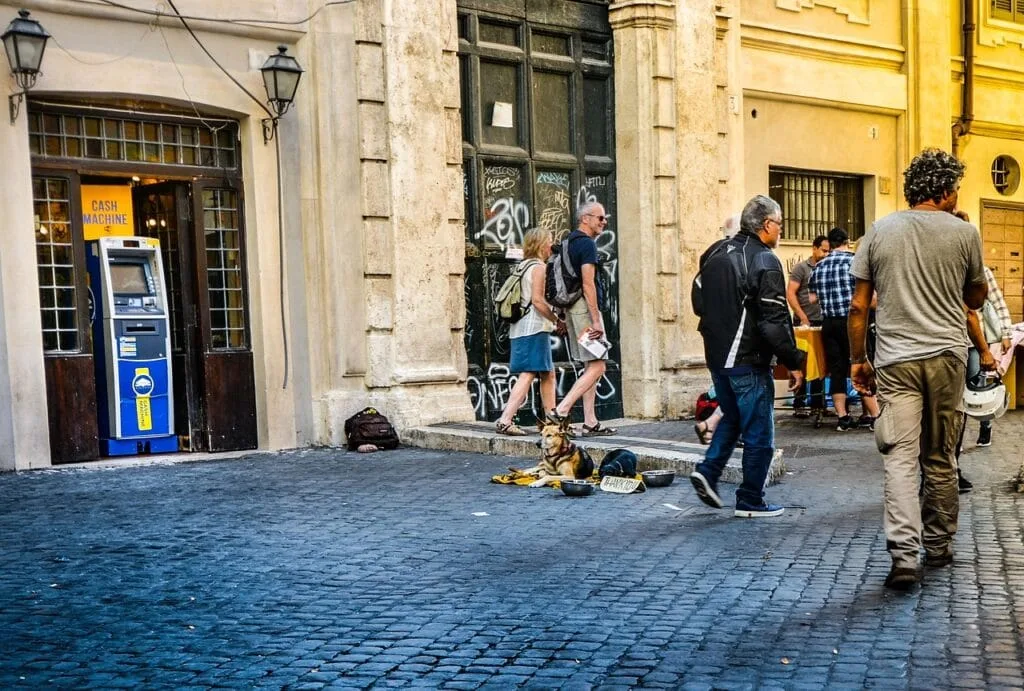
Rome isn’t just a string of ancient monuments and famous museums; it’s a living city made of narrow lanes, local gathering squares, overflowing markets, and family-run trattorie where people share more than just a meal. If you come to Rome looking for its true spirit, merely admiring the Colosseum or the Trevi Fountain won’t cut it: you need to settle into a neighborhood, watch daily life unfold, listen to the local accents, hang out in cafés and markets, and learn the small signals of a culture passed down through generations.
This article highlights five “secret” neighborhoods — or at least places less overrun by tourists — where you can live like a Roman, with specific addresses, rough price ranges in euros, opening hours and detailed descriptions. You’ll find spots for your morning espresso, markets for fresh produce and cured meats, popular trattorie, and street corners perfect for people-watching. The goal is to give you practical anchors for staying, wandering and soaking up an intimate, authentic Rome while avoiding tourist traps.
Each section includes full addresses and hands-on tips: how to make yourself at home, what dish to order, when to arrive, and roughly how much it will cost. The neighborhoods we’ve chosen — Trastevere, Testaccio, Monti, Pigneto and Garbatella — cover a broad range of experiences: medieval lanes, workers’ markets, bohemian studios and leafy courtyard blocks. Follow these recommendations and you’ll have a solid base to experience the city not as a rushed visitor but as someone who slows down, chats and savors real Roman life.
 Click here to participate in the Trevi Fountain coin ritual
Click here to explore the Colosseum, Forum and Palatine Hill
Click here to explore the Colosseum and Ancient Rome

Trastevere: Medieval Charm and Neighborhood Sociability (settle in among the trattorie)
Why Trastevere?
Trastevere embodies the romantic image of Rome: cobbled streets, colorful façades, small lively squares and a nightlife that still feels rooted in the local community. Located on the west bank of the Tiber, this neighborhood has preserved a village-like atmosphere inside a major city. Living here means you can walk to do your shopping, have a drink on a terrace and hear children playing late into the evening on the piazza.
Must-see addresses and practical info
- Piazza di Santa Maria in Trastevere — Address: Piazza di Santa Maria in Trastevere, 00153 Roma RM. The heart of the neighborhood, ideal for people-watching and Sunday masses. Accessible 24/7 (the basilica has specific opening and visiting hours).
- Da Enzo al 29 — Address: Via dei Vascellari, 29, 00153 Roma RM. Hours: Tue–Sun 12:30–15:00 / 19:00–23:00; closed on Mondays. Price guide: cacio e pepe or carbonara €12–€15; shared antipasti €8–€12. Strongly recommended to book for dinner.
- Taverna Trilussa — Address: Via del Politeama, 23, 00153 Roma RM. Hours: daily 12:30–15:00 and 19:00–00:30. Price: pasta dishes served in pans €14–€18; generous portions, lively atmosphere.
Detailed description: Start the day with a coffee at a neighborhood bar, then lose yourself in the alleys between Piazza San Cosimato and Piazza Santa Maria. Terraces come alive in the late afternoon: locals gather for an aperitivo often accompanied by olives, cured meats and small cheeses. In the evening, family-run trattorie like Da Enzo al 29 serve Roman classics made from local recipes. People talk loudly, laugh, and eat slowly — the Italian art of living.
Tips for settling in: look for an apartment around Via della Lungaretta, Vicolo del Cinque or Via dei Giubbonari if you want to be central. Rents vary widely by size and condition: expect roughly €900 to €2,000 per month for a furnished one-bedroom, depending on proximity to the main square and the state of the apartment. Mercato di San Cosimato (Piazza San Cosimato, 00153 Roma RM) is open Monday to Saturday mornings; you’ll find fruits, vegetables, cheeses and fresh produce at reasonable prices (a kilo of tomatoes €2–€4; a chunk of pecorino €8–€15/kg depending on quality).
Testaccio: Rome’s Culinary Heart and Working-Class Life
Vibe and history
Testaccio has long been a neighborhood of working people and laborers, closely tied to the food industry and trade. Today it retains a deeply Roman identity: authentic markets, old factories repurposed as cultural venues, and a food scene rooted in tradition. It’s the perfect place for anyone who wants to live to the rhythm of local culinary habits.
Addresses and practical info
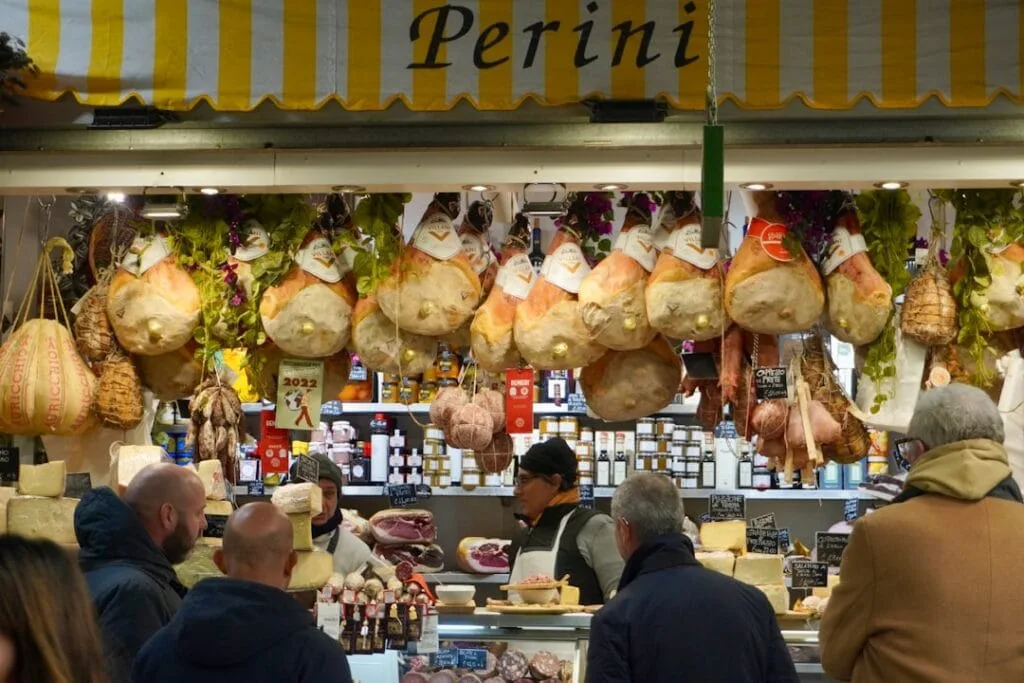
- Mercato di Testaccio (Testaccio Market) — Address: Piazza Testaccio, 00153 Roma RM. Hours: Mon–Sat 07:00–14:00 (covered market hours); some stalls also open in the evening for special events. Price tips: fresh fruits and vegetables €1.50–€4/kg; local charcuterie (porchetta, salumi) €12–€20/kg.
- Felice a Testaccio — Address: Via Mastro Giorgio, 29, 00153 Roma RM. Hours: daily 12:00–15:00 and 19:00–23:00. Price: carbonara €12–€15; traditional dishes €10–€20.
- Nuovo Sacher Cinema / Ex Mattatoio (cultural space) — Address: Via Guido Reni, 7, 00196 Roma RM (on the edge of Testaccio, in the Ex Mattatoio complex). Hours vary by event; check the website for exhibitions and screenings. Ticket prices: often €6–€12 for screenings or exhibitions.
Detailed description: Testaccio market is where vendors and locals cross paths early in the morning. You’ll buy seasonal vegetables, fresh fish, cheeses and meats with sellers who’ll recommend the best cut for whatever you plan to cook. For dinner, Felice a Testaccio is a classic serving generous Roman fare in a friendly setting. Nights can continue in the bars around Piazza Santa Maria Liberatrice.
Tips for settling in: favor streets around Via Marmorata and Viale di Trastevere if you want to be close to both Testaccio and Trastevere. Rents are generally more affordable than in the historic center: for a one-bedroom expect €700–€1,300 per month depending on condition and market proximity. To cook at home, shop at the local market and try simple dishes like coda alla vaccinara (oxtail stew) or sliced porchetta for a street-food style snack during a walk.
Monti: Artisan Workshops and Neighborhood Cafés (boho Rome with practical perks)
Vibe and highlights
Monti is the central neighborhood that balances old-world character with modern creativity. Just a stone’s throw from the Colosseum, it remains surprisingly residential: small artisan shops, creator studios, independent bookshops and cafés where students and creatives mingle with families. It’s an excellent compromise for those who want to be near tourist sites without losing touch with authentic neighborhood life.
Addresses and practical info
- Piazza della Madonna dei Monti — Address: Piazza della Madonna dei Monti, 00184 Roma RM. A central square, great for watching aperitivi and community meetups.
- La Casetta a Monti (bar/café) — Address: Via del Boschetto, 68, 00184 Roma RM. Hours: 07:30–22:30. Prices: espresso €1.20; cappuccino €1.80; sandwiches and small tartines €4–€7.
- Mercato Monti (vintage market) — Address: Via Leonina, 46, 00184 Roma RM (regular weekend markets, hours variable 10:00–19:00). Prices: vintage clothing €10–€80 depending on item; local crafts €15–€60.
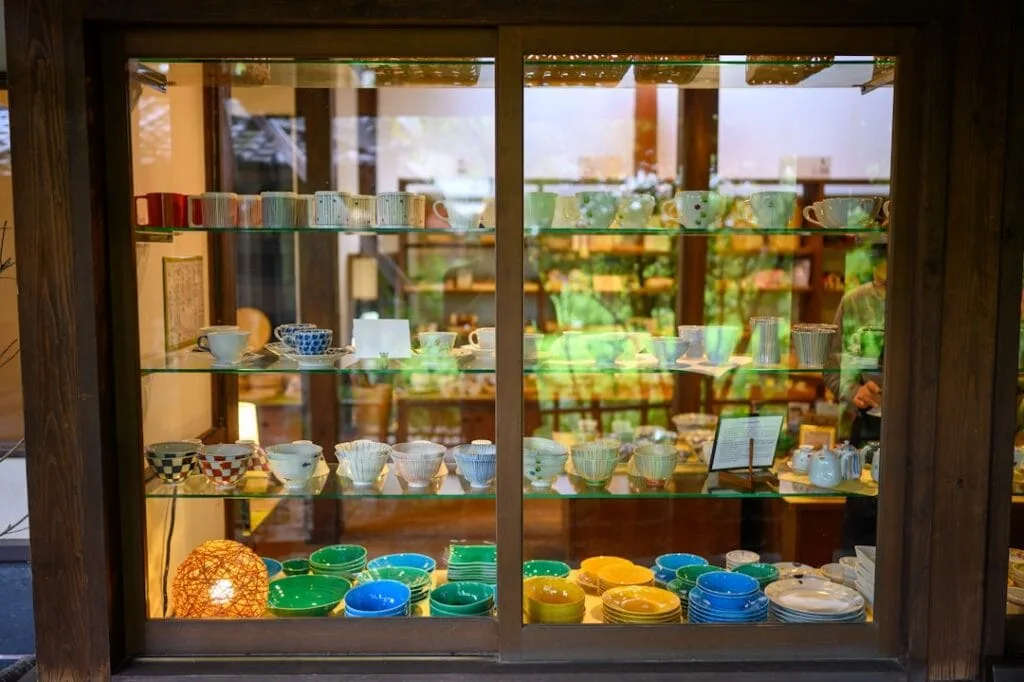
Detailed description: Wandering Monti reveals shops where artisans work leather, ceramics or make unique jewelry. Streets like Via dei Serpenti, Via del Boschetto and Via Panisperna host studios where you can sometimes buy directly from the maker. Cafés are meeting points — locals chat about neighborhood happenings, upcoming exhibitions or parish events. Monti is perfect for those who want practical living (good transport links) combined with a lively cultural life.
Tips for settling in: look for accommodation on the quieter cross streets to avoid tourist noise. Rents for a studio or one-bedroom typically range from €800 to €1,800 per month; larger apartments cost more but give you immediate access to neighborhood life, specialty stores and artisan markets.
Click here to explore the Colosseum, Forum and Palatine Hill
Click here to visit the Colosseum, the Forum and the Palatine Hill
Pigneto: Street Art, Alternative Bars and Nightly Neighborhood Life
Vibe and attractions
Pigneto is the neighborhood for alternative, creative spirits: walls covered in murals, laid-back bars, small concert venues and café-bistros. Once a working-class area, it has attracted a new generation of artists and entrepreneurs who have transformed industrial spaces into cultural hubs. Living here means joining a dynamic neighborhood where street life often takes over after dark.
Addresses and practical info
- Necci dal 1924 — Address: Via Fanfulla da Lodi, 68, 00176 Roma RM. Hours: 08:00–02:00. Prices: breakfast and pastries €3–€6; brasserie-style dishes €8–€15. Reservation recommended for weekend dinners.
- Circolo degli Artisti (cultural space) — Address: Via Casilina Vecchia, 42, 00182 Roma RM (near Pigneto). Hours vary; concerts and events most nights. Entry prices: often €5–€15 depending on the program.
- Via del Pigneto — Address: Via del Pigneto, 00176 Roma RM. The main street lined with bars and alternative restaurants. Great for nights out and cocktail bars.
Detailed description: Pigneto keeps a young, experimental energy. You’ll find restaurants with inventive menus, bars pouring Italian microbrews, and venues hosting local bands. Street art gives the neighborhood a distinct character. People know each other and shopkeepers form a tight community; making a life here means embracing a socially rich routine that often centers on the evening.
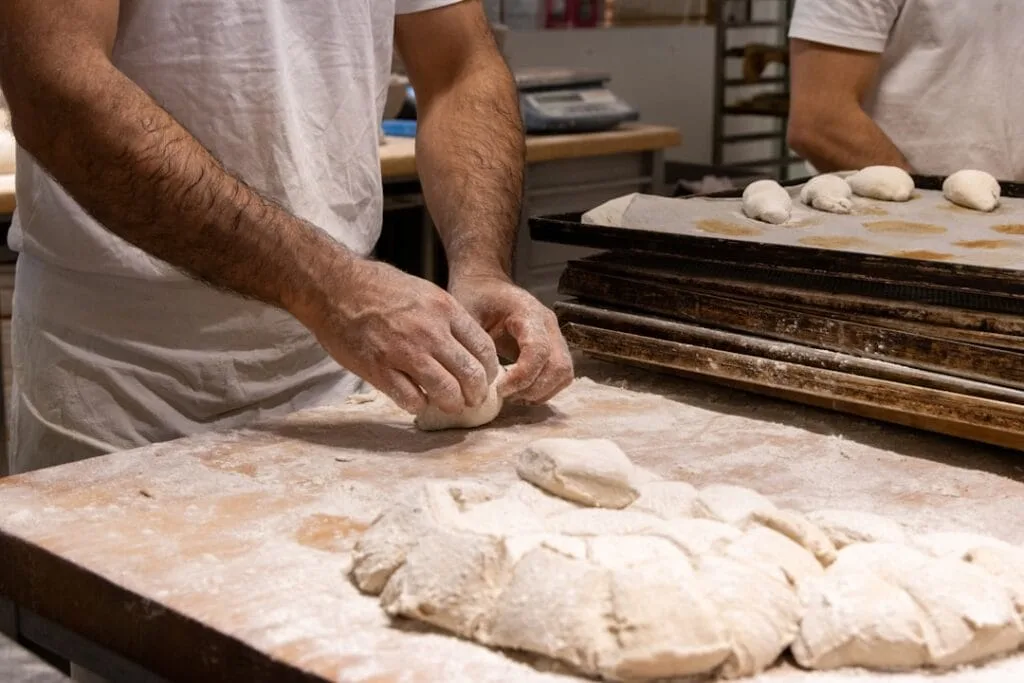
Tips for settling in: rents are generally more affordable than in the historic center: a one-bedroom apartment can be around €600–€1,000 per month. For daily life, small grocers and bakeries open early; expect regular nighttime activity with concerts and cultural events. Pigneto is ideal for those who want an active cultural scene and a less polished neighborhood vibe.
Garbatella: Warm Rome of Courtyards and Workshops
Local atmosphere
Garbatella is its own microcosm: a planned neighborhood from the 1920s with low-rise buildings, inner gardens (corti) and a strong community identity. The atmosphere is quieter than central neighborhoods but still authentic and lively — you’ll meet families, artisans and small associations. It’s a place where neighbors greet each other, markets are friendly and neighborhood life proceeds at a calm pace.
Addresses and practical info
- Piazza Benedetto Brin — Address: Piazza Benedetto Brin, 00154 Roma RM. Garbatella’s central square, often used for local markets and community festivals.
- La Vecchia Garbatella (traditional bar) — Address: Via del Porto Fluviale, 21, 00154 Roma RM. Hours: 07:00–22:30. Prices: coffee €1.10; panini €3–€6. A regular meeting spot for locals.
- Teatro Palladium (Università Roma Tre) — Address: Via delle Sette Chiese, 94, 00145 Roma RM (nearby). Hours: events according to calendar; tickets €5–€20 depending on the show.
Detailed description: Garbatella is defined by its corti — open courtyards surrounded by apartments where children play and neighbors chat. Façades often feature small frescoes or original architectural details. For young families or anyone seeking a calm but well-connected neighborhood, Garbatella offers easy access to the center via Metro Line B (Garbatella station) and numerous bus links.
Tips for settling in: prioritize apartments facing the inner courtyards for more peace. Rents are generally affordable: about €600–€1,200 for a one-bedroom depending on size and condition. Community life is strong: sign up for local activities (gym classes, theater workshops) to integrate quickly.
Conclusion: Living the Local Soul — Practical and Ethical Recommendations
Living Rome’s local soul means slowing down, speaking with neighbors, shopping at markets and supporting the diversity of small businesses. The neighborhoods presented — Trastevere, Testaccio, Monti, Pigneto and Garbatella — each reveal a different side of the city: from intimate and medieval to popular and convivial, from creative to peaceful. When choosing where to settle, favor proximity to transport, but don’t sacrifice the neighborhood vibe that makes the experience so rich.
Some practical and ethical tips for integrating:
- Respect local habits: Romans often eat later than in other countries; adapt your schedule and enjoy trattorie in the evening.
- Support local businesses: buying at the market or from neighborhood artisans helps preserve the identity of the area.
- Learn a few words of Italian: a simple « buongiorno », « grazie » or « permesso » smooths interactions and shows respect.
- Check opening hours: many shops close between 13:00 and 16:00 for a siesta (especially outside the center), and some places close on Mondays.
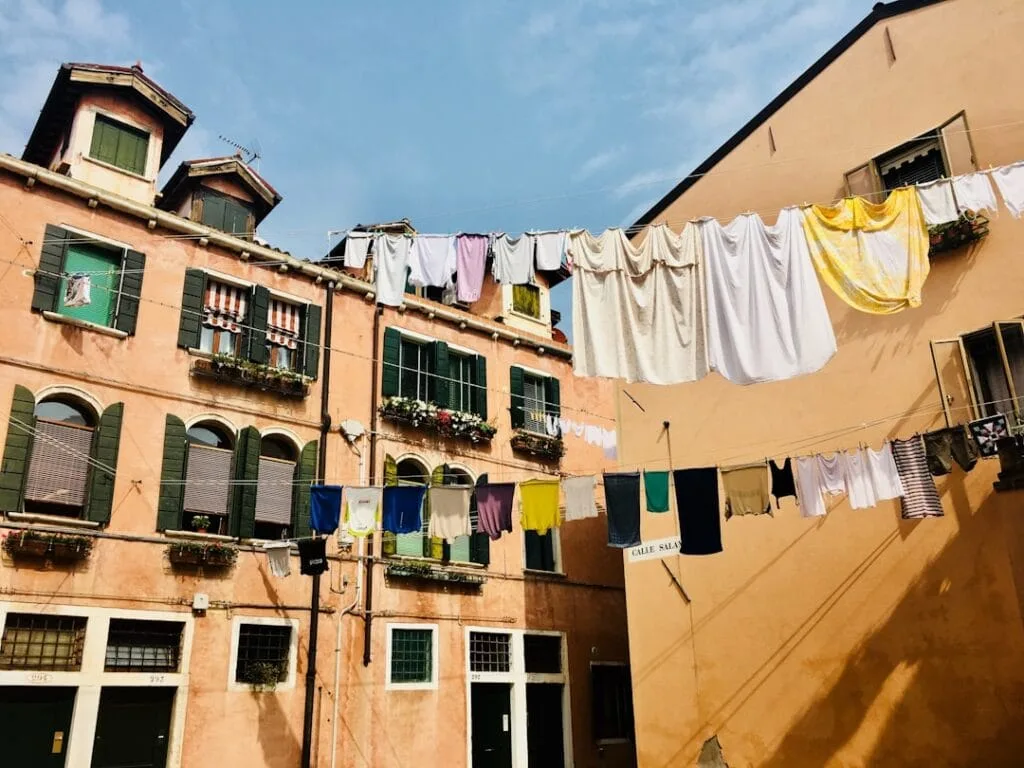
Finally, take time to observe: the real Rome reveals itself in small details — an older woman hanging laundry on a balcony line, a kid playing guitar on a square, or the market seller offering a cooking tip. These neighborhoods invite you to live the city, not just pass through it. Whether you’re staying for a few weeks or planning to move for longer, let curiosity, warmth and respect guide you, and you’ll quickly discover Rome’s deep soul.