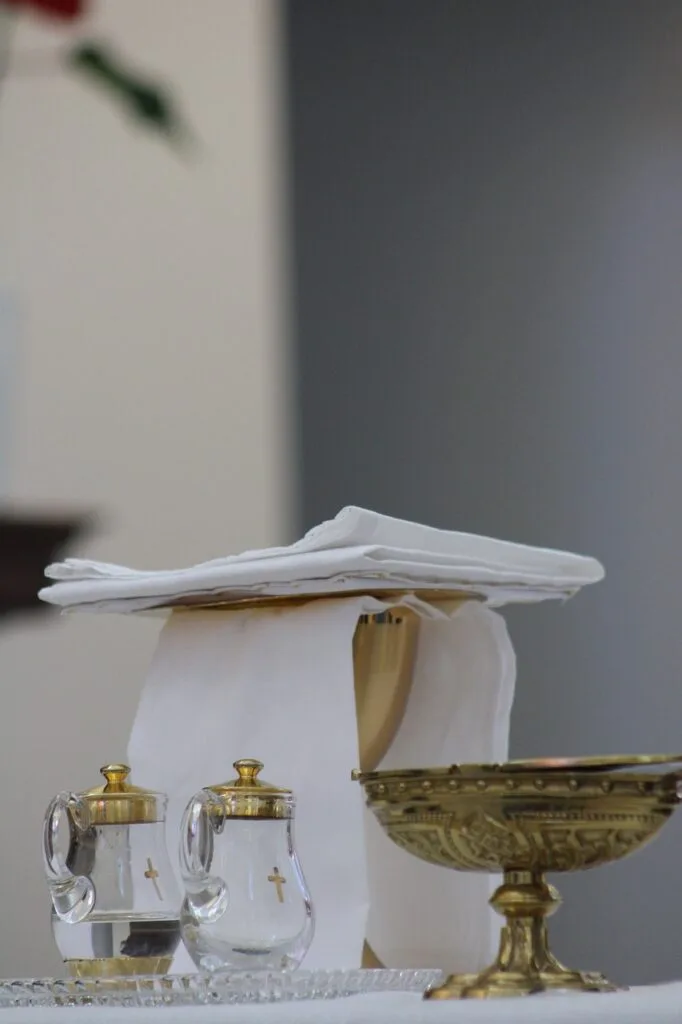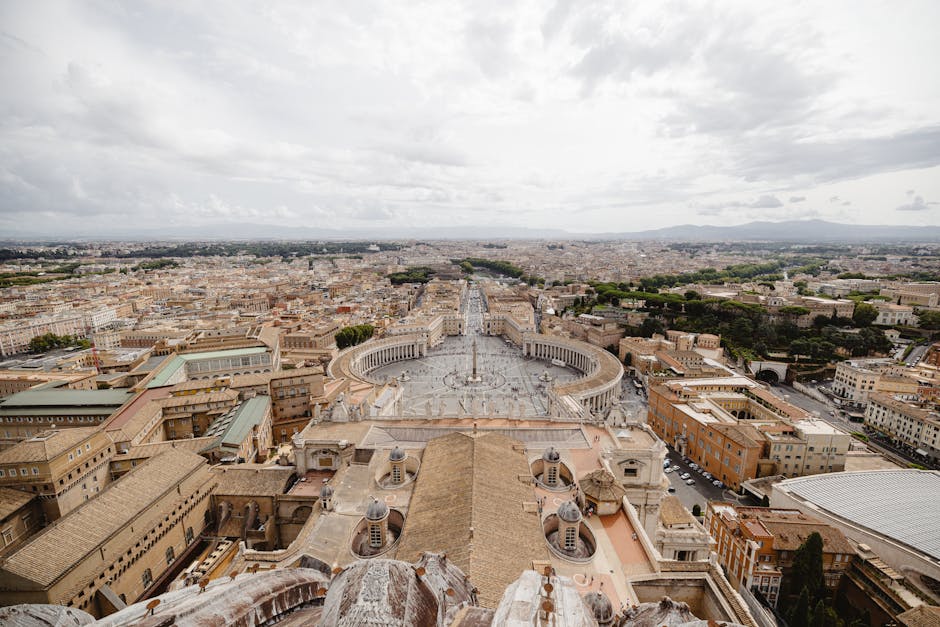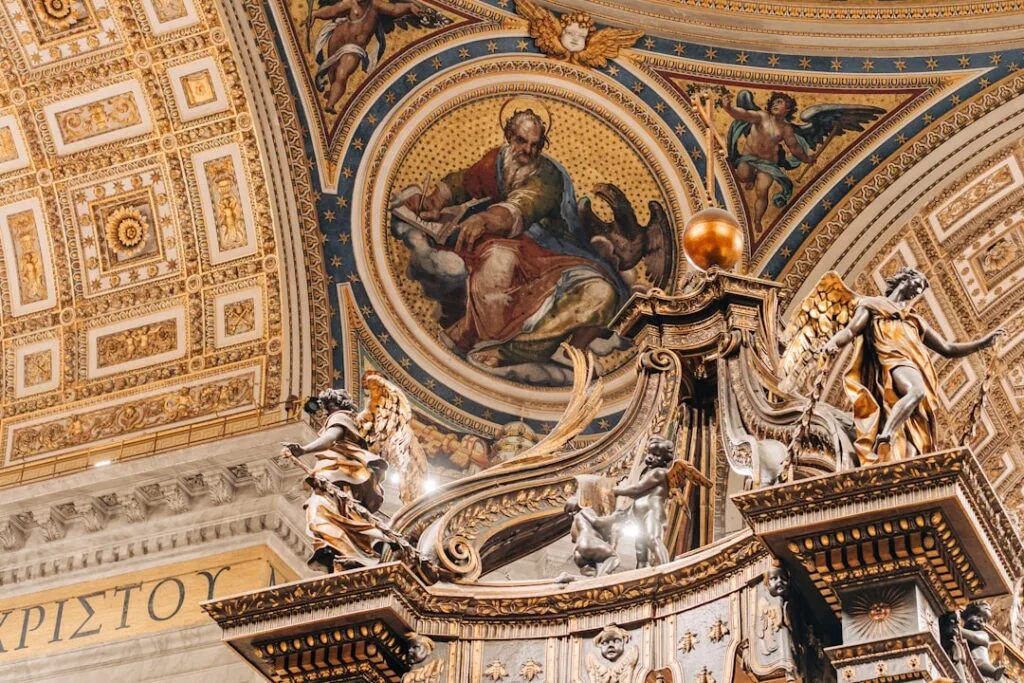






Introduction — The Vatican, guardian of sacred memories
The Vatican, a micro-state in the heart of Rome, is much more than an administrative and artistic center: it is a repository of religious memory where faith, history and power intersect. The major relics kept in Vatican buildings and St. Peter’s Basilica are both objects of devotion and witnesses to two millennia of history. Whether fragments of the Cross, finely worked reliquaries, remains attributed to martyrs or items linked to the apostles’ lives, the Vatican’s sacred collection tells the story of Christianity in material and symbolic terms.
For travelers interested in religious history and sacred art, visiting the Vatican offers a unique experience: encountering pieces that have supported prayer, liturgy and the construction of a European spiritual identity. Vatican relics are not all on permanent display; some are stored under strict conditions, others appear during liturgical ceremonies, temporary exhibitions or in specific rooms of the Vatican Museums and the Treasury of St. Peter’s Basilica. Knowing where these objects are and how to see them therefore requires preparation: addresses, opening hours, prices, visiting rules and practical tips.
This article offers an immersive route through the major relics associated with the Vatican, highlighting exact locations, practical information (addresses, hours, fees) and tips to optimize your visit. We will cover St. Peter’s Basilica (home to the supposed tomb of the apostle Peter and the Treasury), the Vatican Museums (which sometimes house reliquaries and liturgical objects), the Sistine Chapel and its ritual items, the Sacristy and the Basilica Treasury, as well as ceremonies and exhibitions where certain relics are exceptionally shown to the public.
Alongside factual information, you’ll find practical advice to ensure a respectful and rewarding visit: least crowded times, security formalities, dress code rules, online reservations, guided tour options and photography tips (often restricted). The aim is not just to list names and places but to offer an immersion that lets the visitor feel the historical and spiritual intensity of these objects.
Whether you’re versed in Church history, a fan of sacred art, a pilgrim or a curious traveler, the route through the major relics kept at the Vatican combines powerful emotions with documentary discoveries. The rest of this article will guide you step by step to locate, understand and respect these often fragile, sometimes hidden, but always meaningful treasures.

St. Peter’s Basilica: tomb, tombs and the Sacramental Treasury
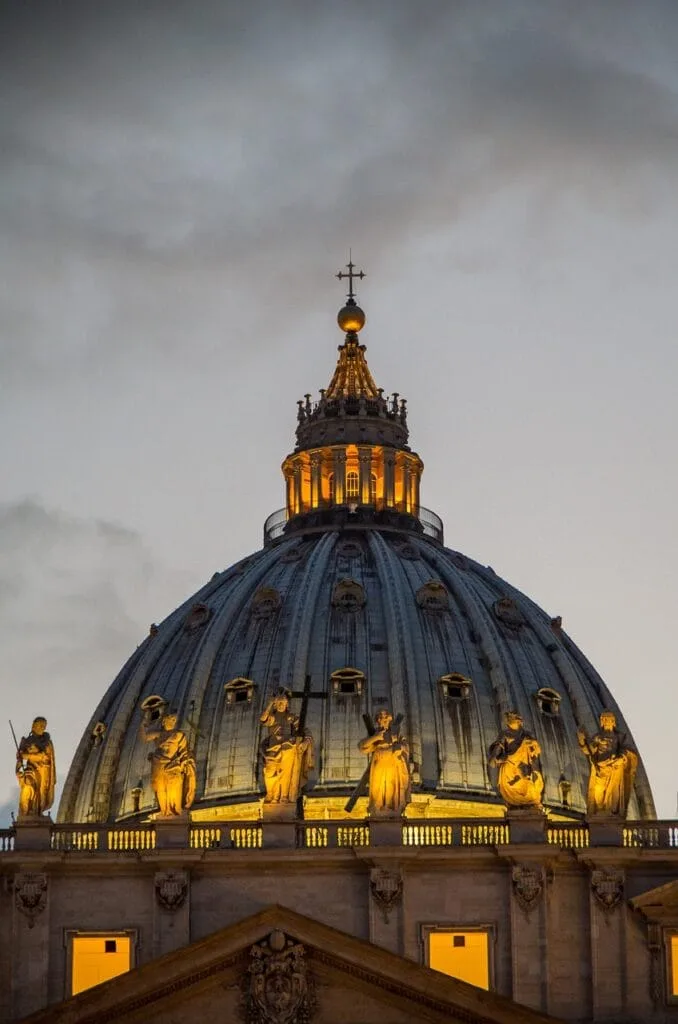
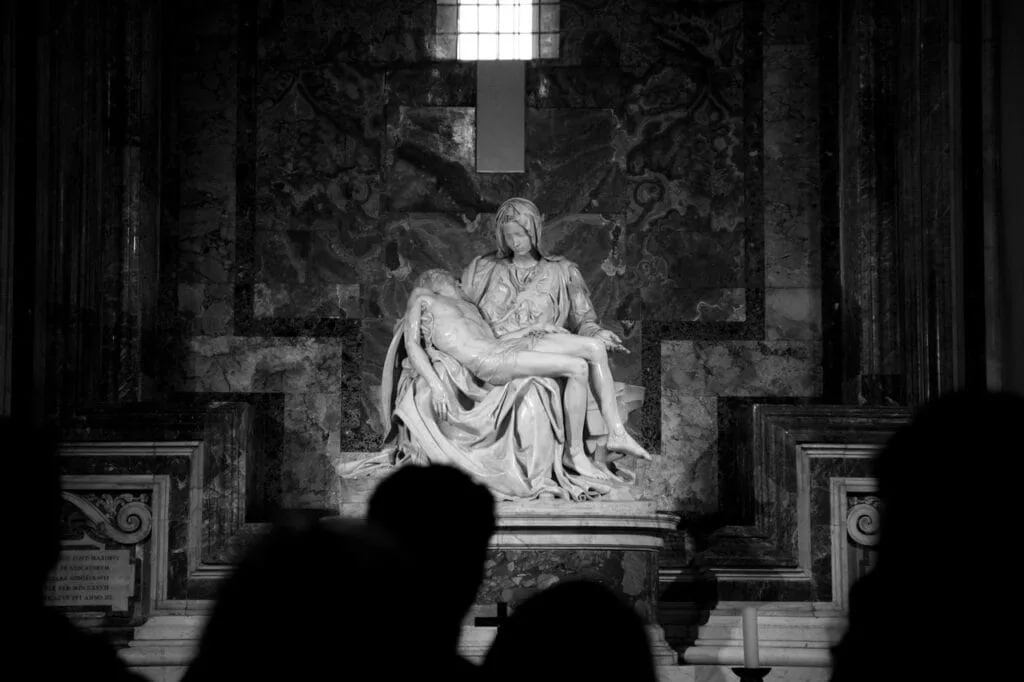
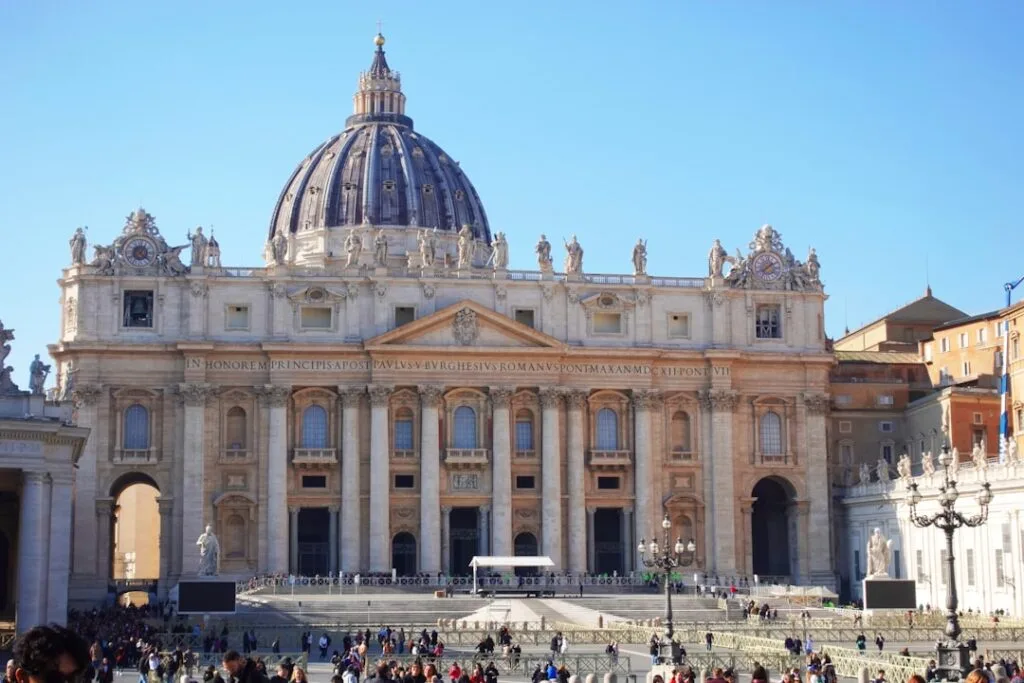
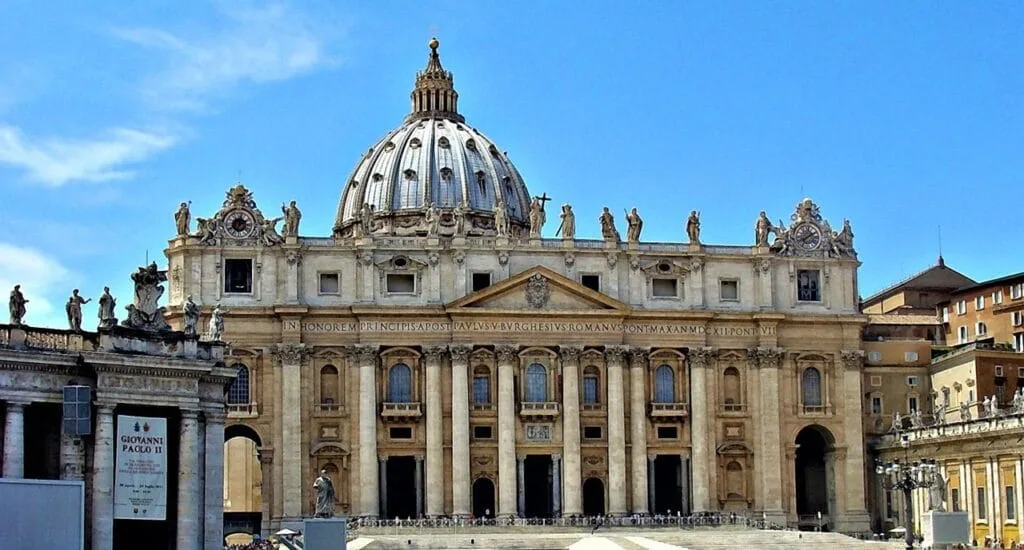
The St. Peter’s Basilica (Basilica Papale di San Pietro in Vaticano) is the first place to think of when discussing Vatican relics. Official address: Piazza San Pietro, 00120 Città del Vaticano. Entering the basilica means stepping into one of the largest churches in the world, built and embellished over centuries. Although the building is best known for its masterpieces — Michelangelo’s Pietà, Bernini’s baldachin, the monumental dome — the basilica also preserves several devotional objects and relics linked to the early centuries of Christianity.
Among the devotional elements, the supposed tomb of the apostle Peter holds major significance. Located beneath the high altar and visually accessible from the basilica, the Vatican necropolis and the ‘episcopium’ (Saint Peter’s Tomb) are subjects of archaeological work and specific visits. Access is limited and available through guided tours organized by the Vatican Museums and the Fabbrica di San Pietro.
The Treasury of St. Peter’s Basilica (Tesoro della Basilica di San Pietro) gathers precious reliquaries and liturgical objects. Main visitor access address: Piazza San Pietro, 00120 Città del Vaticano (entry via the square). Basilica hours: generally 07:00–19:00 (April to September) and 07:00–18:30 (October to March), but these times can vary during liturgical events and feast days. Entry to the basilica: free, but security checks are mandatory; to climb the dome (Cupola) there is a fee: around €8 for stairs and around €10 for elevator + stairs (indicative prices subject to change). Note that access to the Treasury or associated museum areas may require a fee or a paid guided tour.
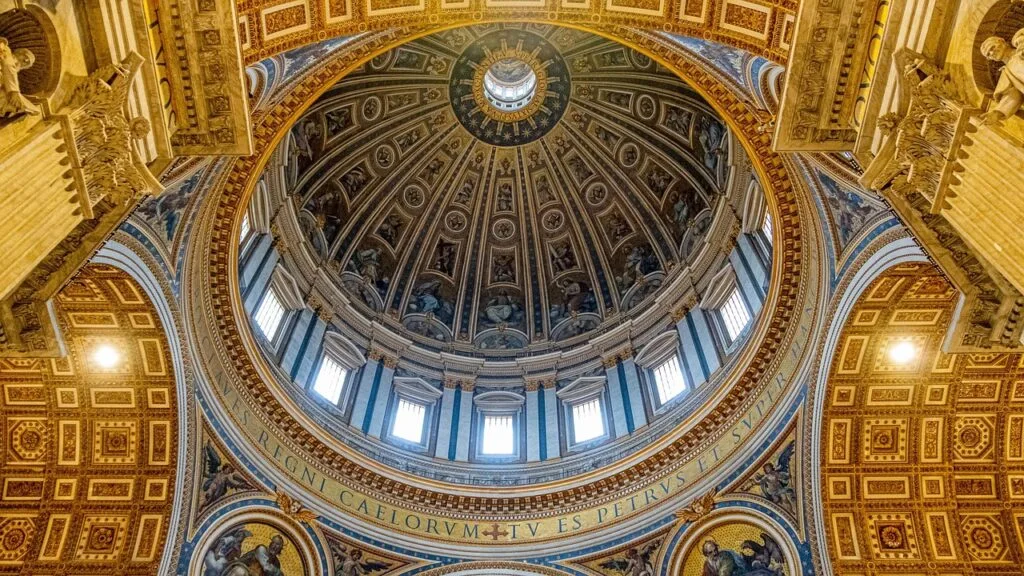
Immersive description: passing through the basilica’s doors, your gaze is drawn down the immaculate nave, under a vault decorated with gold and polychrome marbles. The reliquaries reveal themselves like small windows onto history: vermeil boxes, medieval reliquary caskets, chasses set with precious stones. Some pieces are only visible during temporary exhibitions or the Treasury visit. The atmosphere is solemn; the lighting gives a patina that highlights engravings and inlays.
Local practical tips:
- Booking : entry to the basilica is free, but to avoid long lines arrive early in the morning (or late afternoon outside services). For necropolis and Treasury visits, book in advance via official channels (Musei Vaticani and Fabbrica di San Pietro).
- Dress code : the basilica requires respectful attire: shoulders covered, shorts not too short, no hats indoors.
- Security: airport-style checks at the entrance; avoid large bags if possible to speed up entry.
- Photography: non-flash photos allowed in the basilica but restricted in some chapels; follow signs and staff instructions.
- Visiting time: allow at least 1–2 hours for the basilica, 2–4 hours if you include the Treasury and the climb to the dome.
 Click here to book your ticket for the guided tour of St. Peter’s Basilica
The Vatican Museums: reliquaries, liturgical objects and hidden rooms
The Vatican Museums (Musei Vaticani) are a monumental collection housing not only masterpieces of painting and sculpture but also liturgical objects and reliquaries from papal sacristies and pontifical collections. Address: Viale Vaticano, 00165 Roma, Italy. Typical opening hours: usually 09:00–18:00 (last entry 16:00) Monday to Saturday; closed Sundays except the last Sunday of each month when entry is free from 09:00 to 14:00 (check hours before visiting). Indicative price: standard online ticket about 17 € + 4 € booking fee (around 21 €), reduced rates for students and children; guided tours at extra cost.
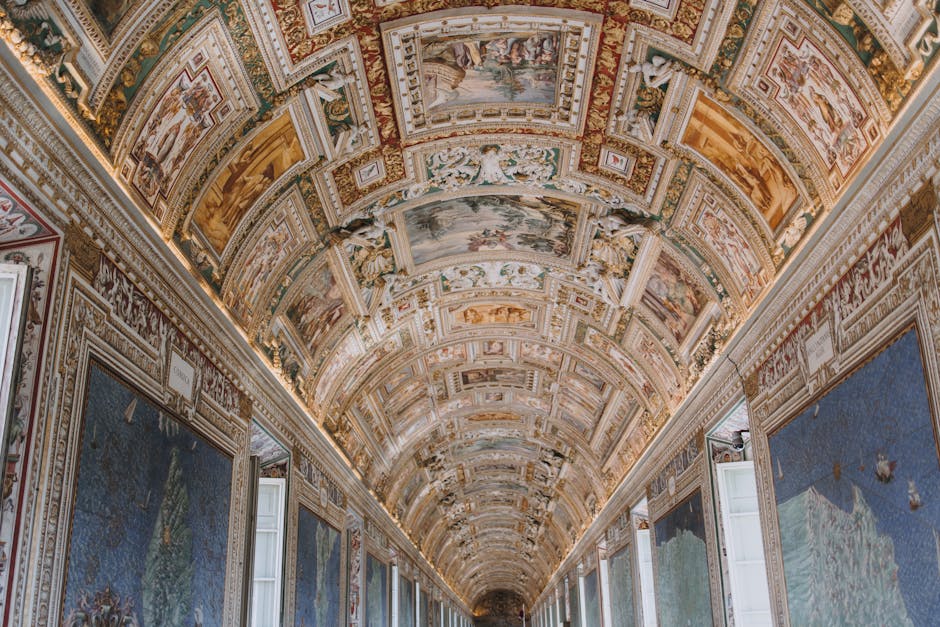
Immersive description: the museum route winds through richly decorated galleries — the Tapestry Gallery, the Gallery of Maps — and leads into rooms displaying liturgical furniture, chalices, chasubles and reliquary boxes. These pieces, often made from precious metals, ivory and enamel, show exceptional craftsmanship. Reliquaries can be artworks in their own right, adorned with Byzantine enamels or medieval niello.
Among the collections, certain attributed pieces are regularly noted in catalogs: medieval chasses containing bone fragments attributed to martyrs, vermeil reliquaries of Byzantine origin, small boxes holding relics of local saints. The museum accompanies these objects with historical explanations, often noting the tradition linking the item to the saint or event. Some rooms, like the Vatican Pinacoteca and the Pio-Clementine Collection, house sculptures and works that have accompanied papal devotion.
Local practical tips:
- Tickets: buy tickets online to avoid often very long queues, especially in high season (spring and summer).
- Themed visit: if your main interest is relics and the Treasury, look into themed tours and temporary exhibitions dedicated to sacred heritage.
- Time: the museum is vast: allow 3–4 hours if you want to see the Sistine Chapel and the reliquary rooms without rushing.
- Guides: choose a specialised (official) guide to get the historical and liturgical context of each piece, often missing from room labels.
- Rules: respect photo-restricted areas (notably the Sistine Chapel), and no food or drink inside.
Click here to buy your tickets for the Vatican Museums and the Sistine Chapel

Which visits to choose to see the Vatican’s relics without wasting time?
Plan for crowds and possible closures: the Museums and the Basilica experience peaks in high season and may have variable hours during celebrations. Prefer early morning slots or priority-access options to make the most of your visit.
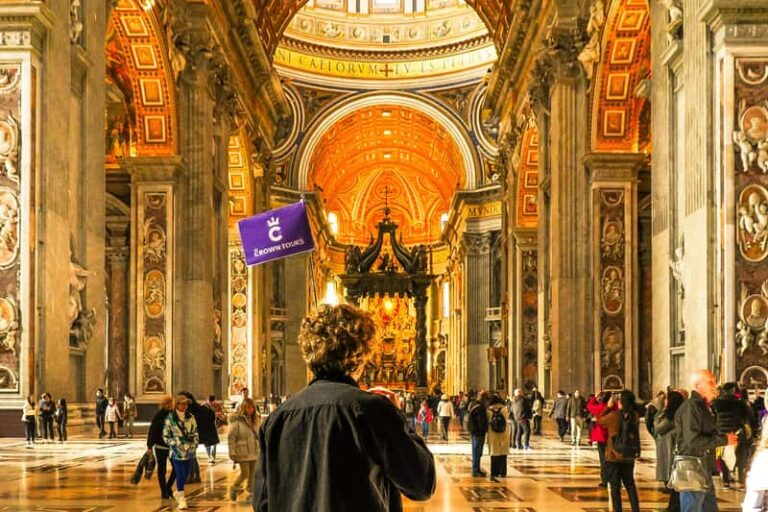
1. Vatican Museums + Sistine + St. Peter’s
Guided route linking the galleries housing reliquaries and liturgical objects to the Sistine Chapel and then to St. Peter’s, avoiding queues with priority access and providing a focused historical narrative.
- ⏱️ Duration: 2.5 – 4 hours
- 🎟️ Access: Skip-the-line / Priority
- 📍 Route: Museums → Sistine → Basilica
- 🗣️ Languages: French, English, Spanish
2. St. Peter’s, dome and undergrounds
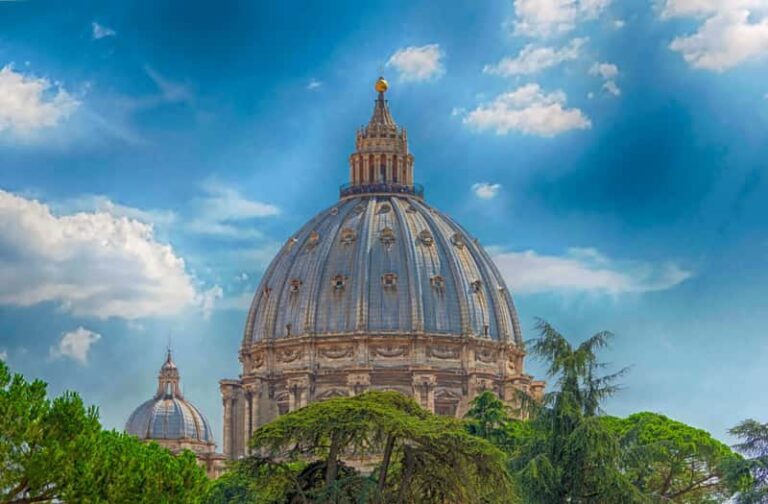
Deep dive into the basilica: the tomb of the Apostle Peter, the Vatican grottoes and the panorama from the cupola. Suited to visitors who want to combine architecture, papal tombs and sacred objects.
- ⏱️ Duration: 1.5 – 2.5 hours
- 📍 Route: Nave → Grottoes → Dome
- 🥾 Level: Stairs / Climb possible
- 🗣️ Languages: French, Italian, English
3. Papal audience with reserved access
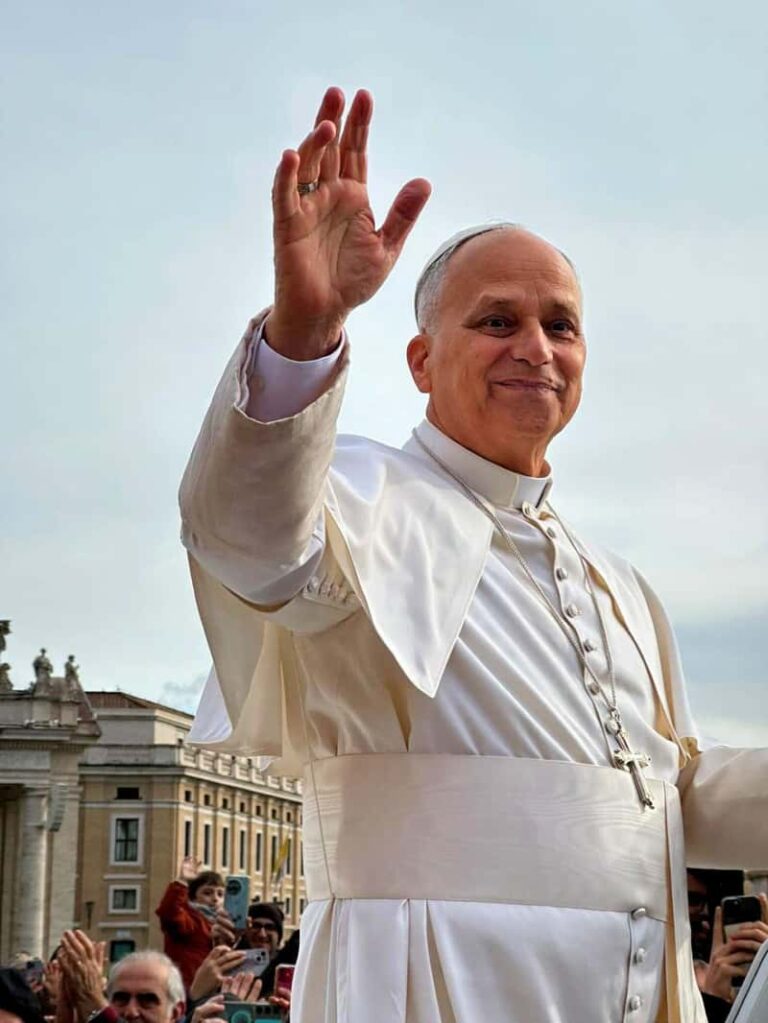
Ceremonial experience: attend the papal audience to see relics sometimes displayed in liturgical context and to feel the living dimension of sacred heritage.
- ⏱️ Duration: 3.5 hours
- 👥 Format: Group experience / Ceremony
- 🎟️ Included: Reserved access to the audience
- ❤️ Ideal for: Pilgrims and liturgy enthusiasts
The Sistine Chapel and the sacredness of ritual objects
The Sistine Chapel (Cappella Sistina), located along the Musei Vaticani route (also accessible from Viale Vaticano, 00165 Roma), is best known for Michelangelo and Botticelli’s frescoes. Less known is its role as a liturgical space where certain ritual objects and relics are occasionally used or displayed, especially during papal events. Hours and prices: entry is included with Vatican Museums tickets (see rates above). The Chapel is generally accessible until 16:00, after which exit times follow the Museums’ schedule.
The Sistine Chapel is not a museum like any other: it is first and foremost a sacred space. Behind the scenes of papal liturgy, liturgical items — vestments, chalices, pages from ancient missals — are kept and sometimes shown during ceremonies. Relics, when displayed, are presented within a strict liturgical context. For the secular visitor, the experience is powerful: the vast pictorial program (the Last Judgment, the Creation of Adam) converses with the chapel’s sacramental dimension.
Local practical tips:
- Silence and respect: the chapel requires absolute silence. Guards frequently remind visitors to be quiet and that photography is prohibited.
- Length of stay: staff limit visiting times to preserve the work and solemnity: expect a short but intense visit.
- Events: certain papal ceremonies can restrict public access; check the Vatican liturgical calendar if you plan to visit around major feasts.
- Access: the Chapel is only reachable via the Vatican Museums, not directly from St. Peter’s Square.
Click here to discover the Sistine Chapel with a guided tour

The Treasury and the Sacristy: reliquaries, papal shrines and temporary exhibitions
Beyond St. Peter’s main Treasury, several Vatican spaces preserve sacred items: the Basilica Sacristy, some Vatican Museums storerooms, and the reserves of the « Fabbrica di San Pietro » Foundation. Useful addresses remain the same: Piazza San Pietro, 00120 Città del Vaticano for the basilica and Viale Vaticano, 00165 Roma for the Museums. The Treasury, when open to the public, displays medieval chasses containing relics attributed to saints, fragments claimed to be from the Cross, as well as papal insignia used during major liturgies.
Immersive description: imagine a dimly lit room where boxes gleam with the warm patina of centuries. Each chasse bears inscriptions, seals and explanatory panels that trace its journey: a king’s gift, recovery after a war, a transfer from an abbey. The reliquaries, often protected by modern display cases, come with documented histories and notes on authentication — a complex field where history and faith meet.
Visibility: not all items are on permanent display. The Vatican sometimes organizes temporary exhibitions dedicated to relics, together with scientific institutions that document provenance and dating. To see these objects, it is recommended to:
- Check the official sites of the Musei Vaticani and the Fabbrica di San Pietro for current exhibitions.
- Book specialized guided tours that offer access to rooms not open on the general route.
- Attend audiences or specific ceremonies where relics may be presented for veneration (timings vary; official announcements are made).
Hours & prices: access to the Treasury and some Sacristy rooms can be included in special tickets or paid guided tours. Prices vary by formula: private guided tours (from 50 € to several hundred euros depending on duration), temporary exhibition tickets (between 10 € and 25 €), or inclusions in the regular Museums ticket. Always check current rates online: official prices are posted on institutional sites and change with seasons and exhibitions.
Click here to book an All‑Access St. Peter’s tour

Ceremonies, special access and tips for pilgrims and visitors
Seeing a relic at the Vatican does not always mean a permanent display; many objects are shown during liturgical ceremonies, audiences or themed exhibitions. Major feasts (Christmas, Easter), canonizations, and certain papal commemorations are moments when relics may be highlighted. For pilgrims there are also spiritual itineraries organized by parishes or religious agencies that negotiate access to certain sites.
Practical information and addresses:
- St. Peter’s Square (Piazza San Pietro) — Permanent access to the square; the basilica has variable hours (see above). Address: Piazza San Pietro, 00120 Città del Vaticano. Square accessible 24/7.
- Vatican Museums (Musei Vaticani) — Online tickets strongly recommended. Address: Viale Vaticano, 00165 Roma. Usual hours: 09:00–18:00 (last entry 16:00), closed on Sundays except by exception.
- Fabbrica di San Pietro — manager of the basilica’s services and the Treasury; information and bookings via the basilica’s official website.
- Accès spécial et visites guidées : many private tours offer priority access and routes focused on relics and the Treasury; indicative prices: specialized visits €60 to €200 depending on duration and number of participants.
Final practical tips:
- Meilleur moment : visit early in the morning, at opening time, to avoid crowds and enjoy a more meditative atmosphere.
- Visites religieuses : if you want to see a relic during a ceremony, check in advance with the Vatican tourist office or local parishes; seating can be limited.
- Documentation : buy or download the official guides for reliable references on the objects; avoid unsourced works that may repeat traditions without evidence.
- Respect : remember these items are not just historical curiosities but objects of faith for millions of people; maintain respectful behavior at all times.
Click here to book a guided tour of the papal audience
Sample itineraries to see the relics
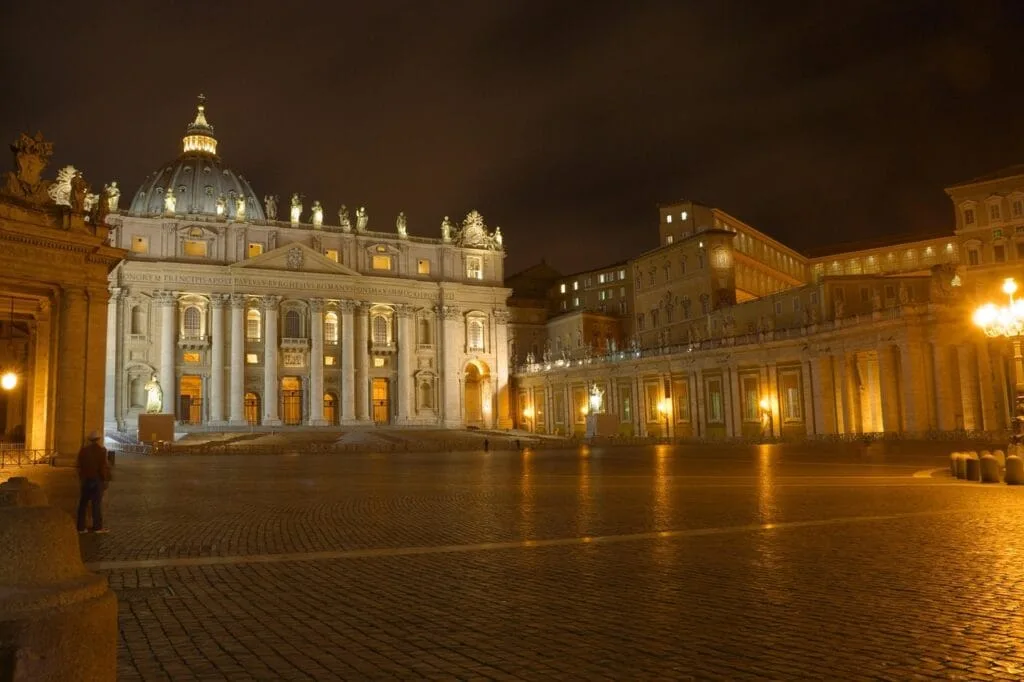
– Short itinerary (half-day): St Peter’s Basilica (Tomb of Peter, Treasury if open) + climb to the Dome. Recommended time: 3 hours. Approximate price: basilica free, dome climb €8–10.
– Full itinerary (day): Vatican Museums (including the Sistine Chapel) + Sacristy/Treasure of St Peter (if visits are available). Recommended time: 4–6 hours. Approximate price: Museums €21 (online ticket), guided tours extra and variable.
Conclusion — Between history, faith and prudence: preparing your visit
The Vatican is a place where history and faith meet in objects that have endured for centuries. The major relics kept in St Peter’s Basilica, the Vatican Museums and adjacent spaces represent both spiritual and artistic heritage. They deserve an informed and respectful gaze: it’s best to prepare your visit by consulting official sites (Musei Vaticani, Fabbrica di San Pietro), booking in advance when possible, and choosing guided tours if you want to understand the historical and liturgical contexts.
Practically, bring useful documents (printed or digital ticket), arrive outside peak hours, respect dress codes and silence, and know that some pieces are only on display temporarily or during religious events. Fees vary by service: the basilica is free but some services (dome climb, guided tours, access to the Treasury) are paid; the Vatican Museums require an entry ticket and reservation fees. Schedules are regular but can change during holidays or papal ceremonies, so check current information before you go.
Finally, approach these relics with curiosity and humility: they embody not only physical fragments of the past but also human stories — donations, pilgrimages, wars, restorations — that shaped European Christianity. For the modern visitor the encounter is twofold: aesthetic and spiritual. Whether you’re a pilgrim, an art lover or a curious traveler, the Vatican offers a singular experience where each reliquary and display case tells a story. Enjoy your visit, and remember that the quality of a discovery depends as much on preparation as on listening to the place.