





Introduction — Michelangelo in Rome: frescoes, sculptures and an indelible legacy
Michelangelo Buonarroti (1475–1564) is often linked to Florence, but his footprint in Rome is equally deep, complex and visible on every corner of the historic center and the Vatican. In the Eternal City he did more than paint monumental frescoes: he sculpted masterpieces, designed architecture and reshaped public squares. His work shaped not only the aesthetics of the High Renaissance, but also how generations of artists, architects and visitors understand the sacred, papal power and the depiction of the human body.
This article lays out a practical route through the essential sites to admire Michelangelo’s frescoes, sculptures and urban influence in Rome. Each stop gives the exact address, opening hours, entry prices in euros and practical tips to optimize your visit. Whether you’re planning a first trip or returning with a keener eye, you’ll find a useful summary here: how to approach contemplating a massive fresco in the Sistine Chapel, find the Pietà in Saint Peter’s nave, understand Michelangelo’s role in the Piazza del Campidoglio project, or admire the Moses in San Pietro in Vincoli.
Rome is a city where history reads like an open book, but Michelangelo’s works demand time, attention and sometimes logistical prep—skip‑the‑line tickets, respecting church dress codes, crowd management. The descriptions below include practical recommendations (best times to visit, photo restrictions, accessibility). Note that prices and hours can change: it’s always wise to check official sites before you go.
The Sistine Chapel — the ceiling that redefined fresco painting
La Cappella Sistina, au cœur des Musei Vaticani, est sans doute l’œuvre que la majorité des visiteurs associe à Michel‑Ange. Commandé par le pape Jules II, le plafond peint entre 1508 et 1512 couvre 520 m² et raconte des épisodes bibliques, de la Création à la Chute de l’homme, avec une composition et une force dramatique inédites. La Chapelle sert encore aujourd’hui aux grands événements du Vatican — c’est là que se réunit le conclave pour élire un pape — ce qui donne une dimension vivante et institutionnelle à ce chef‑d’œuvre.
Informations pratiques : Musei Vaticani, Viale Vaticano, 00165 Roma RM, Italia. Horaires : lundi–samedi 09:00–18:00 (dernière entrée 16:00). Fermé le dimanche sauf le dernier dimanche du mois (ouvert 09:00–14:00, dernière entrée 12:30). Prix : billet standard en ligne 17,00 € + 4,00 € de frais de réservation = 21,00 € (réductions pour enfants/étudiants). Visites guidées privées et coupe‑file disponibles (environ 40–60 € selon l’agence). La visite de la Cappella Sistina se fait à l’intérieur des parcours des Musei Vaticani ; il n’existe pas d’entrée séparée pour la chapelIe.
 Click here to book your tickets for the Vatican Museums and the Sistine Chapel

The Last Judgment — the powerful second intervention at the Vatican
After completing the ceiling, Michelangelo returned to the Sistine Chapel between 1536 and 1541 to paint “The Last Judgment” on the altar wall. Commissioned by Pope Paul III, the fresco is of extreme emotional and theological intensity: Christ judging humanity at the center, surrounded by angels, saints, the damned and the saved in a dramatic whirl. The anatomical daring, the tormented poses and the severe palette reflect a more mature sensibility, colored by the religious tensions of the time.
Visiting this fresco requires the same Musei Vaticani entry (see details above). On site, pay attention to the successive restorations: the Last Judgment underwent major conservation work in the 20th and 21st centuries, which made colors and forms more legible after centuries of alteration. The explanatory labels along the route help identify key figures — Saint Bartholomew holding his own skin (a reference to his martyrdom) and Saint Peter, among others.
A close look also reveals traces of controversies and censorship: in the 17th century many parts were overpainted, then gradually uncovered by recent restorations. For today’s visitor, the Last Judgment is as much an artistic testimony as a historical document on how the Church and society perceived the representation of the human body and the sacred.
Click here to book a guided tour of the Vatican and the Sistine Chapel
The Pietà and St. Peter’s Basilica — sculpture, architecture and power
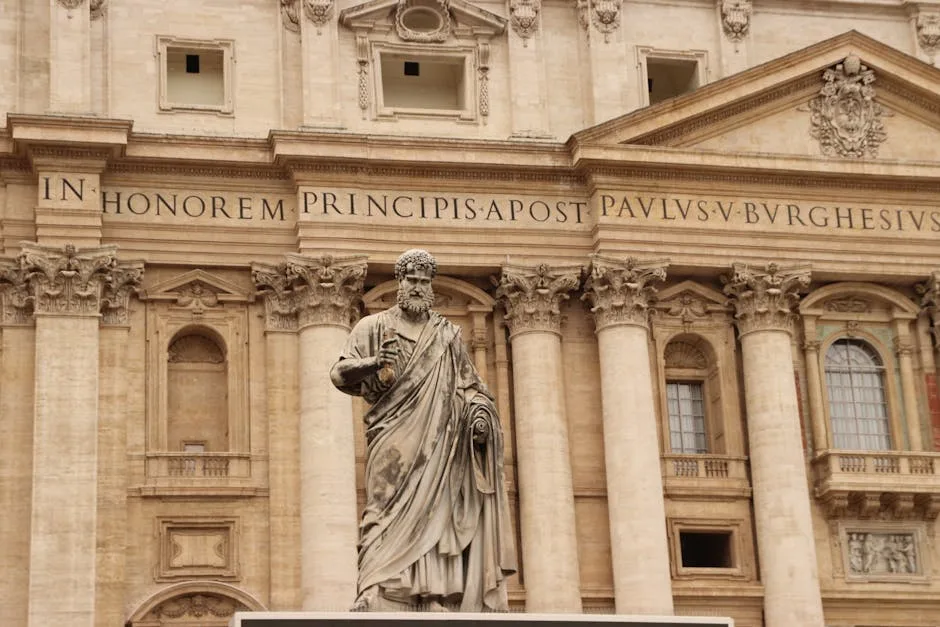
The Pietà by Michelangelo is displayed in the nave of Basilica di San Pietro, one of the most visited places in the world. Carved in marble in 1498–1499 for the original basilica, the Pietà shows Mary holding Christ’s body and demonstrates a perfect balance of emotion, classical elegance and technical virtuosity. It’s one of Michelangelo’s first major works in Rome.
Practical information: Basilica di San Pietro, Piazza San Pietro, 00120 Città del Vaticano. Hours: general opening 07:00–19:00 in April–September, 07:00–18:30 in October–March (times vary for chapels and liturgical celebrations). Price: entry to the basilica is free. Dome climb (Cupola): elevator + 320 steps ≈ €10.00; stairs only ≈ €8.00 (indicative rates). Expect security checks at the entrance and follow a respectful dress code (shoulders and knees covered).
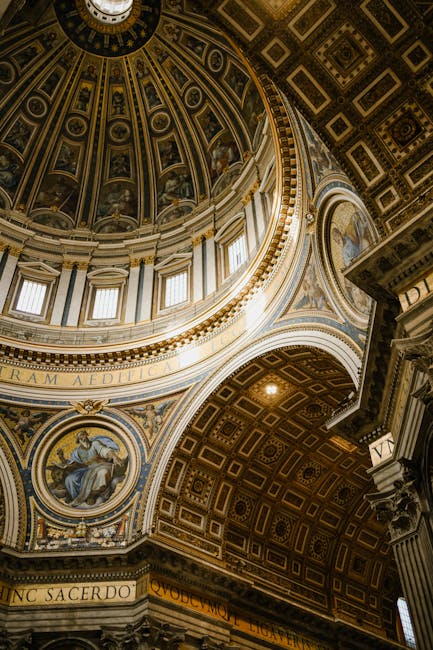
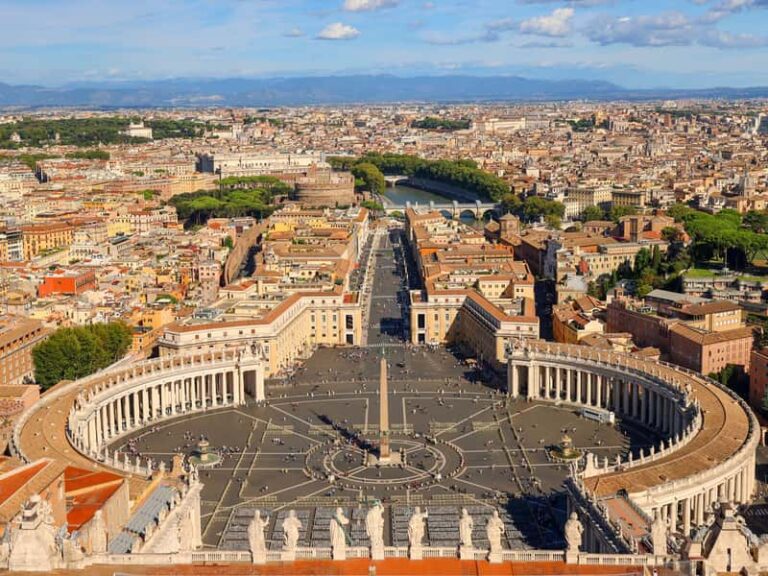
The basilica itself bears Michelangelo’s mark: appointed architect in 1546, he simplified plans and laid the foundations for the monumental dome we admire today. Although others completed the work, his design and planning were decisive for St. Peter’s final appearance. The visit combines viewing the sculpture (protected behind glass) and exploring the architecture: side chapels, papal tombs and views from the dome offering exceptional panoramas over St. Peter’s Square and Rome.
Click here to discover the Pietà and the papal tombs

Recommended Michelangelo‑related experiences in Rome
The air in the Sistine Chapel sometimes smells of wax and the soft tread of visitors.
Start by planning visits around quieter hours: early morning at the Vatican or late afternoon at the Capitoline. Guided options skip the line and give context to the works, while private tours let you dwell on a specific sculptural or architectural detail.
1. Vatican Museums, Sistine Chapel and basilica
Organized guided tour with skip‑the‑line access to grasp the museums’ narrative and be prepared before the ceiling and the Last Judgment; direct access to St. Peter and optional dome climb for an overview of Rome.
- ⏱️ Duration: 2.5 – 4 hours
- 🎟️ Access: Skip‑the‑line
- 🎧 Format: Guided tour
- 🗣️ Languages: French, English, Spanish
2. St. Peter’s Basilica and the Pietà
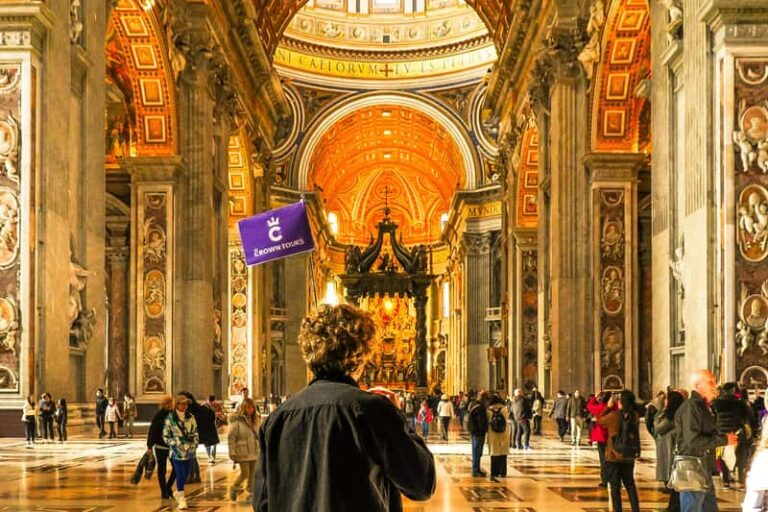
Route focused on the nave: view the Pietà behind glass, read the Michelangelesque architecture and opt for the necropolis visit and dome climb to grasp the project’s scale.
- ⏱️ Duration: 1.5 – 2.5 hours
- 📍 Itinerary: St. Peter’s Square → nave → dome (optional)
- 🎟️ Included: Basilica entry free; dome paid
- 🥾 Level: Stairs to the dome
3. Private Vatican tour with specialist guide
Tailored route with a licensed guide: adapted pace, focus on Michelangelo and direct access between the Sistine and St. Peter — ideal for detailed questions and framed photos.
- ⏱️ Duration: 3 – 4 hours
- 👥 Format: Private
- 💡 Highlight: Dedicated specialist guide
- ⚡ Access: Direct entry from the Sistine
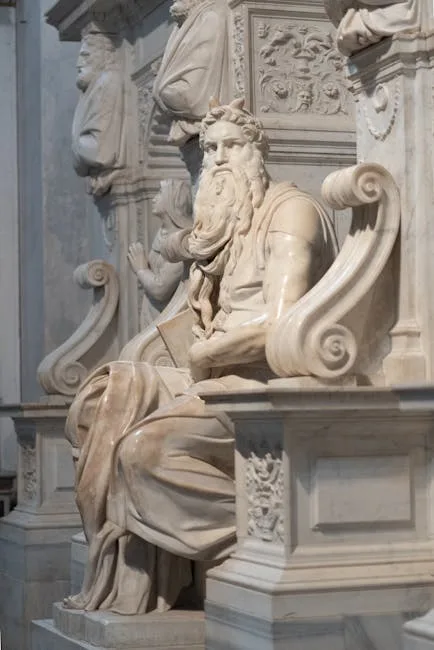
Moses at San Pietro in Vincoli — the sculpture for an unfinished tomb
The basilica of San Pietro in Vincoli houses the famous Moses, the centerpiece of Pope Julius II’s tomb. Commissioned from Michelangelo in 1505, the grand tomb project was scaled down and reworked over the years, but the statue of Moses, with extraordinary expressive power, remains a high point of Renaissance sculpture. You see a bearded Moses seated, muscles taut as if the biblical hero is about to rise.
Practical information: Basilica di San Pietro in Vincoli, Piazza di San Pietro in Vincoli, 4A, 00184 Roma RM, Italia. Hours: generally 08:00–19:00 daily (times may vary with seasons and services). Price: free entry (donations recommended), sometimes a small access fee for guided tours or adjacent museum areas (≈ 3–6 €). The basilica is easily walkable from the Colosseo or Termini station.
The statue is integrated into the funerary setting, surrounded by architectural elements and other sculptures. When observing Moses, look for Michelangelesque details: the tension in the hands, the treatment of the cloak, the concentrated gaze. The site is modest in size, so it’s often quieter than the Vatican, offering a privileged moment of observation.
Piazza del Campidoglio and Musei Capitolini — the urban legacy
Michelangelo was not only a painter or sculptor: he was also an urban planner. His project for Piazza del Campidoglio, commissioned by Pope Paul III in 1536, transformed the Capitoline hill into a monumental square, with a star‑patterned pavement, a solemn orientation toward the Roman Forum and harmonized façades. The Michelangelesque plan remained largely conceptual, but many visible alterations today respect his guiding idea of perspective and the ordering of the palaces.
Practical information: Musei Capitolini, Piazza del Campidoglio, 1, 00186 Roma RM, Italia. Hours: generally Tuesday–Sunday 09:30–19:30 (closed Monday); check public holidays. Price: full ticket ≈ 15,00 € (reduced rates for youth and students). The museums hold an important archaeological and artistic collection, including ancient Roman pieces and medieval and modern works that converse with Michelangelo’s legacy.
Visiting the square itself is free and you can easily compare Michelangelo’s original intent (proportion, axes, staging of sculptures) with the current state. From the esplanade, the view over the Foro Romano and the Vittoriano offers a layered reading of Rome, where Antiquity, the Renaissance and the modern state overlap. For enthusiasts, the Musei Capitolini present documents and objects that help understand the practical and symbolic scope of Michelangelo’s intervention on the hill.
Click here to book a private tour of the Capitoline Museums
Conclusion — Understanding Michelangelo in Rome
Visiting Michelangelo in Rome means accepting a double pact: one of aesthetic wonder and one of intellectual effort. The frescoes of the Sistine Chapel compel the visitor to look up and get lost in biblical narratives painted on a monumental scale; sculptures like the Pietà or Moses demand close contemplation of material and gesture. His urban and architectural projects reveal another side of the artist: a man who conceived the city and power in terms of visual order.
Practical: for each site, check official websites for hours and prices before your visit, arrive early to avoid crowds, respect dress codes in places of worship and prefer guided tours if you want in‑depth historical context (local guides, audio guides or Michelangelo‑themed tours). The prices shown (in euros) were current at time of writing but can vary by season and institution policies.
Finally, give yourself time between stops: Rome is a city where the eye adjusts to contrasts — from the dense crowds before the Chapel to the relative quiet of San Pietro in Vincoli or the solemnity of Piazza del Campidoglio. Michelangelo is not merely a box to tick; he is a thread for reading Renaissance Rome, its religious tensions, and how art can shape the sacred, politics and public space.