






Introduction: Why Roman desserts are worth the detour
Rome is famous for its ancient monuments, museums and bustling trattorie, but behind that image lies a sweet world of pastry traditions, family-run shops and historic cafés where recipes have been passed down for generations. Traditional Roman desserts aren’t just treats: they’re edible memories that tell the city’s story — the fusion of Lazio’s rural influences, the baroque imprint of its palaces, and the creativity of neighborhood artisans.
Having a dessert in Rome also means stepping into Romans’ daily life: a maritozzo at breakfast with a short espresso, a cup of gelato shared while strolling near the Pantheon, or a slice of tiramisù enjoyed after visiting the Colosseum. Rome’s pastries strike a balance between rustic simplicity and refinement: silky whipped creams, crisp puff pastry, syrup-soaked biscuits and gelati with remarkably intense flavors.
In this article I invite you on a tasty route through the city’s must-visit spots and sweet specialties. You’ll find exact addresses — place names, full addresses, opening hours and indicative prices — plus immersive descriptions to help you choose the right dessert by time of day, weather or your sightseeing route. I’ll also share practical tips: how to order like a local, which seasonal variations to look for, and which desserts are best for takeaway.
The approach here is local: we aren’t just hunting for the “best dessert” but the full experience — the storefront of a pasticceria, the chipped crockery of an old café, the tight queue at a gelateria on a summer late afternoon. Every spot mentioned keeps a particular charm that I’ll describe so you know not only what to eat but why these desserts embody Rome’s soul.
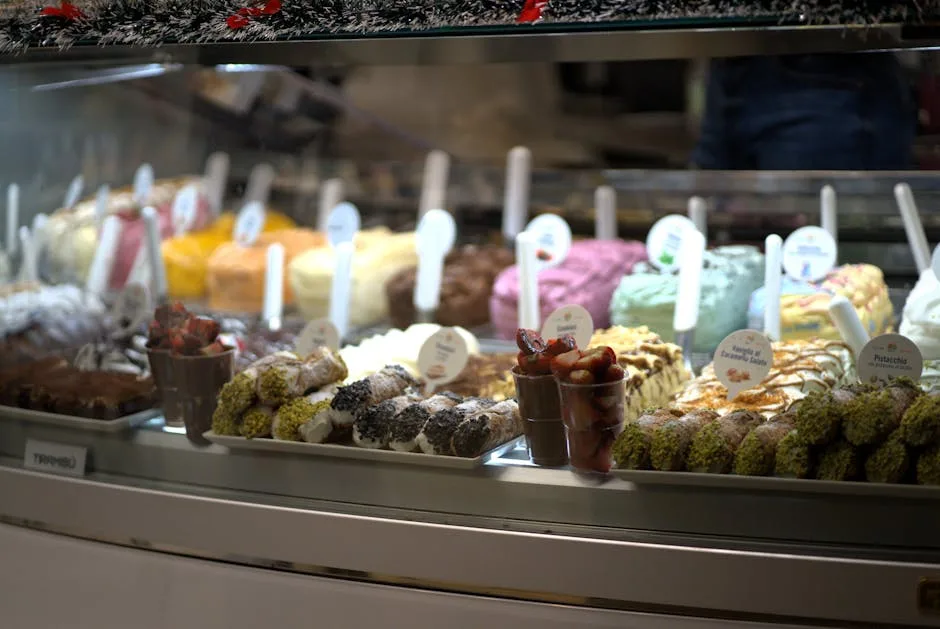
Get ready to note down addresses, check opening times and reserve a small place in your stomach for classics like the cream-filled maritozzo, authentic tiramisù, handmade gelato, silky panna cotta, carnival castagnole and other seasonal treats. And to make your route visual, I’ve placed image markers at strategic points: façades, pastry displays and tasting scenes. Safe travels — and enjoy!
 Click here to book a Colosseum and Palatine Hill tour
Maritozzo: Rome’s classic cream bun — where to eat it and how
The maritozzo is probably Rome’s most emblematic pastry: a soft, slightly sweet brioche bun, split and generously filled with fresh whipped cream. Once reserved for special occasions, it’s now enjoyed at any time, especially at breakfast. For an authentic experience, head to a historic pasticceria or a neighborhood bakery where the cream is whipped to order.
One essential spot to taste the maritozzo is Pasticceria Regoli, renowned for the quality of its fillings and golden bread. Address: Via dello Statuto, 60, 00185 Roma. Opening hours: typically 07:00–20:00 (may close Sunday afternoon). Price: between €2.50 and €4.00 depending on the filling (plain cream or flavored versions like vanilla or pistachio). The shop has an understated façade, a marble counter and display cases full of viennoiserie; the maritozzo is served generously and slightly warm if you ask.
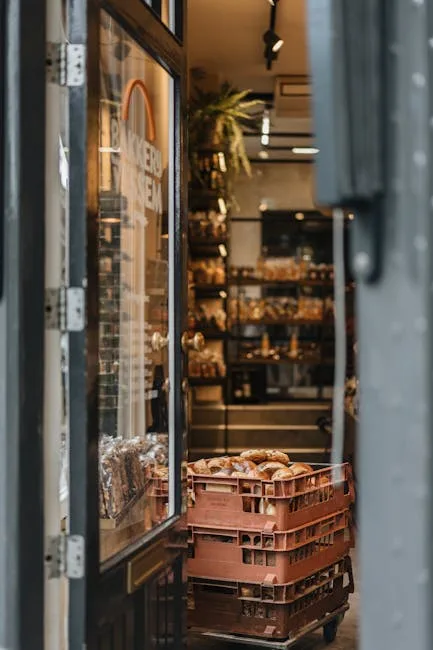
Another address to try is Panella – L’Arte del Pane, better known for its bread but offering a well-made traditional maritozzo. Address: Via Merulana, 54, 00185 Roma. Opening hours: 07:30–20:00. Price: around €3.00–4.50. Panella also offers savory variants (maritozzo with bacon) but for the Roman experience, stick to the classic sweet version.
Practical tips: order your maritozzo with an espresso (short coffee) or a cappuccino depending on the time; if taking it to go, ask for a box to prevent the cream from spilling while walking. The best time is between 08:00 and 10:30: you’ll avoid crowds and get the freshest product. Note some pastry shops prepare it on demand: don’t hesitate to ask for “con panna fresca, per favore.”
Click here to visit the Lateran Palace with an audio guide

Local tip: Romans like to change toppings with the season — strawberry in spring, pistachio or chocolate in winter. If you’re curious, ask for the “versione del giorno” (today’s version). Finally, if you’re near the Basilica of St. John Lateran (Basilica di San Giovanni in Laterano) or the Colosseum after your visit, these pastry shops are nearby and make an ideal stop.
Old-school tiramisù: Pompi and other spots for the queen’s version
Tiramisù has become an international symbol of Italian pastry, but in Rome you’ll find places that claim a particular traditional recipe, with a light texture and intense coffee. Among them, Pompi is an iconic name. Founded as a small pasticceria, Pompi built its reputation on a mousse-like, structured tiramisù. Address: Via della Croce, 82, 00187 Roma (near Piazza di Spagna). Opening hours: often 09:30–23:00. Price: individual portion of tiramisù between €5.00 and €6.50, shareable tray €10.00–15.00.

Pompi’s specialty is offering several variations: classic with mascarpone and cocoa, red fruit, Nutella, and sometimes a lighter ricotta version. Service is often quick, with portions served in elegant verrines or generous slices. Inside, the vibe stays that of a neighborhood café—perfect for a sweet break after a stroll on the Via dei Condotti.
A cozier alternative for a well-made tiramisù is Pasticceria De Bellis (approx. address: Via del Governo Vecchio, 101, 00186 Roma — check the exact address before you go). Hours: typically 08:00–20:00. Price: about €4.50–€6.00 for an individual slice. In small ateliers, the texture tends to be less ‘whipped’ and more compact, which pleases purists.

Practical tips: tiramisù is best eaten fresh but not icy; ask if the portion has just come out of the fridge. Some cafés also offer tiramisù « al bicchiere » (in a glass), handy to take away. To avoid crowds, skip 12:30–14:30 and 18:00–20:00 when tourists flock in.
Also check the booze list: the marsala, rum or coffee used to soak the biscuits heavily influences the final taste. If you’re sensitive to alcohol, ask for « poco alcool » (little alcohol). For a local touch, pair your tiramisù with a ristretto — short and intense — to balance the dessert’s sweetness.
Recommended experiences to taste Rome’s traditional desserts
Wondering how to turn your sweet tastings into truly Roman moments? Here are concrete suggestions — each designed to combine flavor, place and know-how. They range from a tasty walk to a hands-on class, up to a pro workshop to master several desserts. Choose based on your curiosity and available time.
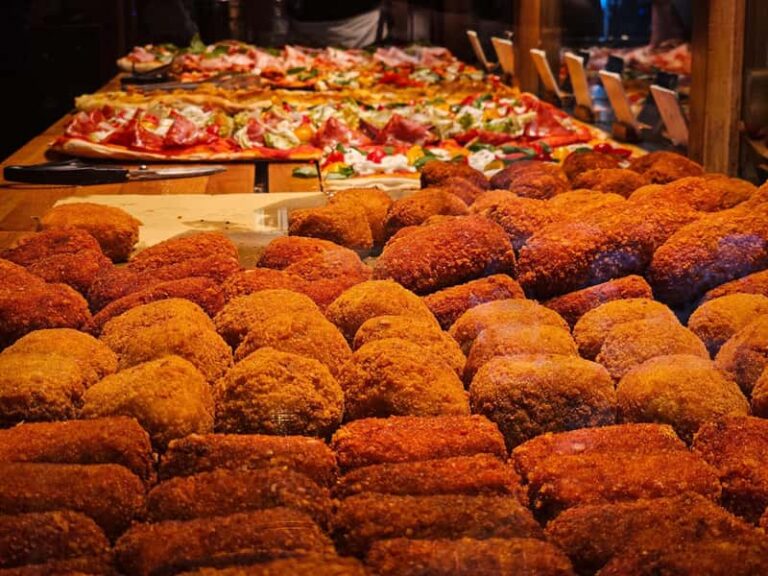
1. Food walk in Trastevere
Wander Trastevere’s alleys with a local and sample biscuits, supplì, cheeses, pasta and gelato at neighborhood spots: authenticity, local stories and tasty stops in a small group.
- ⏱️ Duration: 3 hours
- 🚩 Start: In front of Trattoria Sora Lella
- 🚶 Format: Small-group walking tour
- 🍹 Included: Tastings and drinks as per itinerary
- 🗣️ Languages: English, Italian
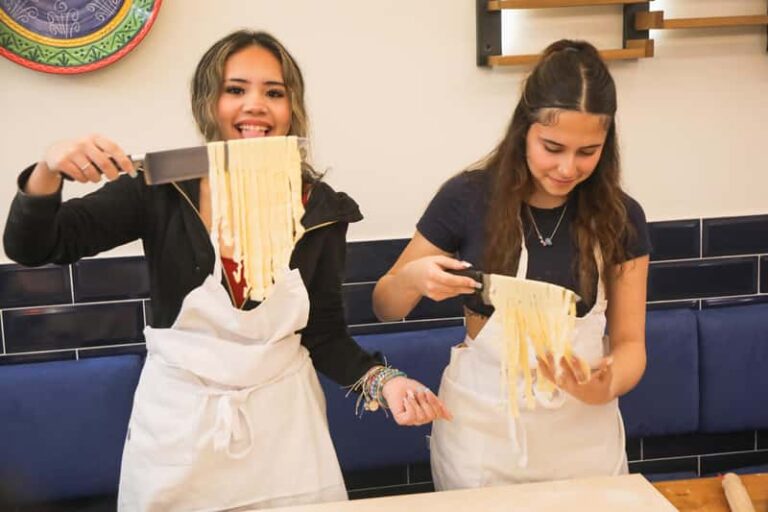
2. Friendly pasta and tiramisù workshop
Learn to shape fettuccine then assemble your tiramisù, all paired with a glass of prosecco: accessible technique, convivial atmosphere and tasting of your creations at the end of class.
- ⏱️ Duration: 3 hours
- 👥 Format: Small-group workshop (up to 8)
- 🥂 Included: Prosecco, ingredients and tasting
- ❤️ Ideal for: Couples and cooking enthusiasts
- 🗣️ Languages: English, Italian
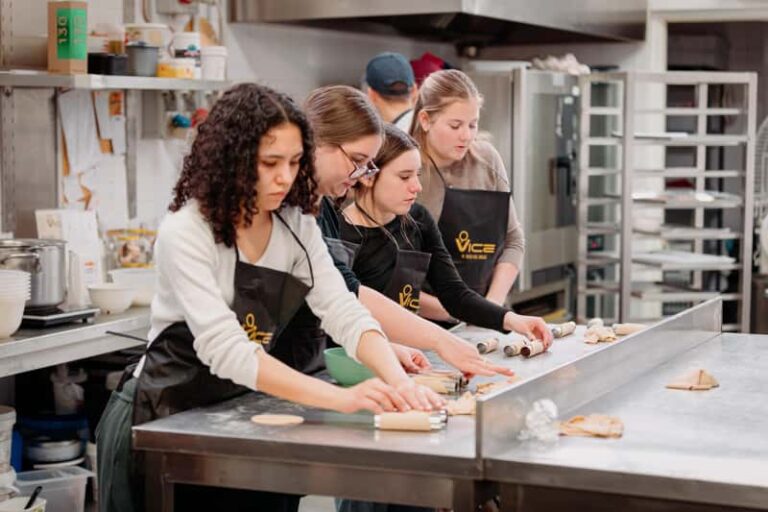
3. Pro workshop: cannoli, gelato, tiramisù
Technical immersion in a pastry lab: prepare cannoli, tiramisù and gelato under a chef’s eye, leave with recipes and packaged creations — to recreate at home.
- ⏱️ Duration: 2.5 hours
- 📍 Location: Lab near Battistini metro (line A)
- 👥 Format: Professional kitchen workshop
- 🎟️ Included: Recipes, ingredients, packaging of creations
- 🗣️ Languages: English, Italian, French, others
4. Gelato and pasta class on Piazza Navona
Learn how to make real gelato and fettuccine in a central setting: demonstration, hands-on practice and a shared meal with a view over the square.
- ⏱️ Duration : 2.5 hours
- 🚩 Meeting point : Ristorante Tucci, Piazza Navona 94
- 👥 Format : Hands-on small-group workshop
- 🍹 Included : Bruschetta, wine/beer, gelato and prepared pasta
- 🗣️ Languages : English

Artisanal gelato: Giolitti, Gelateria del Teatro and Rome’s ice cream culture
Italian gelato is an art, and Rome is full of artisanal gelaterie where freshness and high-quality ingredients reign. Two spots often on foodies’ routes are Giolitti and Gelateria del Teatro.
Giolitti is one of the historic gelaterie, operating since the late 19th century, known for busy benches, classic flavors and its proximity to tourist sites. Address : Via Uffici del Vicario, 40, 00186 Roma, a stone’s throw from the Pantheon. Opening hours : 07:00–01:00 (late hours vary by season). Prices : single cup €2.50–3.50, small takeaway €3.50–5.50 depending on flavors and options.
Click here to book a Pantheon tour with wine tasting
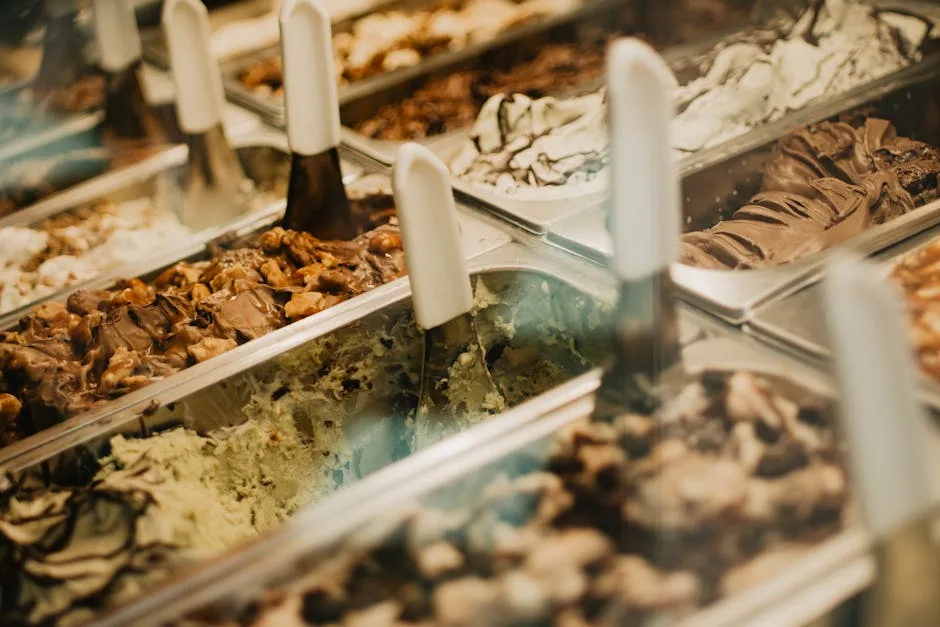
Giolitti’s menu features classics like pistachio, nocciola (hazelnut), stracciatella, as well as seasonal specialties. The vibe is sociable: the counter is large, you can pick several flavors and ask for a « coppetta » (cup) or a « cono » (cone). Service is quick but lines can form, especially in summer and late afternoon.
For a more contemporary, refined experience, try the Gelateria del Teatro. Address : Via dei Coronari, 65-66, 00186 Roma (near the historic center). Opening hours : around 12:00–23:00 (seasonal variations). Prices : between €3.00 and €6.00 depending on size. They focus on quality ingredients, original pairings (for example basil and strawberry, rosemary and honey) and creamy dairy bases.

Practical tips: in high heat, opt for fruity flavors (sorbetto) for a lighter, refreshing feel. If you want a local experience, ask for « mezza porzione » (half portion) — handy if you want to taste several flavors without feeling too full. Avoid tourist stalls near major squares if you seek authenticity: favor places with a long local queue.
Tasting tips: start with the lightest flavor (lemon, yogurt) then let your palate adjust before moving to more intense flavors (dark chocolate, pistachio). And if you’re near Piazza Navona or Campo de’ Fiori, an evening gelato in hand is a perfect way to explore the city.
Pasticceria and classics: panna cotta, cannoli and other sweets to know
Beyond stars like maritozzo, tiramisù and gelato, Rome offers a range of lesser-known but equally tempting treats: panna cotta, cannoli (Sicilian in origin but widely found in Rome), cream-filled bignè, and biscuits like « biscotti » for dipping in coffee or a local sweet wine.
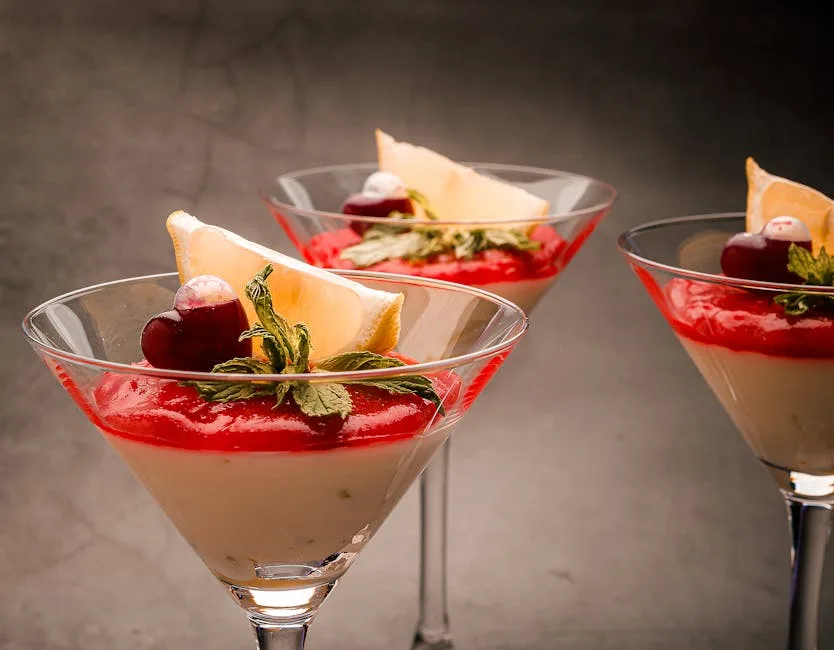
For a creamy, silky panna cotta, look for a pastry shop using real vanilla and gentle cooking. Small neighborhood cafes like Caffè Greco (Antico Caffè Greco, Via dei Condotti, 86, 00187 Roma) sometimes serve classic desserts in a historic setting; opening hours : 09:00–23:30 ; prices : around €6.00–8.00. Tasting panna cotta in such an old café adds a theatrical touch to the sweet.
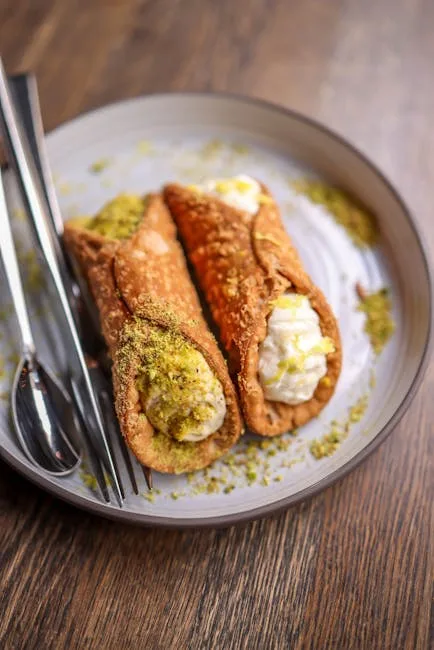
Cannoli, filled with sweetened ricotta and often topped with crushed pistachios or candied orange peel, are found in many pastry shops and delicatessens. A recommended spot for traditional Sicilian pastries in Rome is Pasticceria Bompiani (approximate address: Via del Corso or historic district; check exact location before visiting). Price : cannolo €2.50–4.00.
Cream-filled bignè (choux) and « sfogliatelle » (a layered pastry from Naples, sometimes available in Rome) make perfect snacks with coffee. Another winter classic is « panettone » (at Christmas), found in artisanal versions at shops like Panella or local chocolatiers.
Practical tips: for take-away desserts, choose pastry shops that will pack them carefully. Cream desserts are fragile in heat: carry them in an insulated bag if you plan long strolls. To taste a wide variety without overspending, share portions by asking for « mezzo » or « una fetta da dividere » (a slice to share).
Finally, ask about preparation and storage: some desserts are made to order and take 5–10 minutes to prepare. The best-known shops often display a detailed menu with prices; don’t hesitate to ask about ingredients if you have allergies (nuts, lactose).
Seasons and festivals: carnival desserts, Christmas and other Roman sweet traditions
Rome is a city of festivals and traditions, each bringing its own sweets. If you travel during Carnival (February–March), watch for « castagnole » — small fried dough balls, sometimes sugared or cream-filled — and « frappe » (or chiacchiere), crispy sweet pastries. At Christmas, markets offer panettone, torrone and other artisanal confections.
<img width="940" height="627" src="http://rome.ue.is/wp-content/uploads/sites/2/2027/06/rome-testaccio-market-pastry-stall-close-up.jpg » class= »aligncenter » alt= » » loading= »lazy » decoding= »async » srcset= »https://rome.ue.is/wp-content/uploads/sites/2/2027/06/rome-testaccio-market-pastry-stall-close-up.jpg 940w, https://Rome.ue.is/wp-content/uploads/sites/2/2027/06/rome-testaccio-market-pastry-stall-close-up-300×200.jpg 300w, https://Rome.ue.is/wp-content/uploads/sites/2/2027/06/rome-testaccio-market-pastry-stall-close-up-768×512.jpg 768w » sizes= »auto, (max-width: 940px) 100vw, 940px » />
A go-to for seasonal produce is Pastificio Panella or the stalls at local markets like Mercato di Testaccio (Piazza Testaccio, 00153 Roma). Market hours: typically mornings until 14:00 depending on the day; prices: castagnole €5.00–€8.00 per portion for several pieces. Markets are also great spots to try artisan sweets at lower prices.
At Easter, don’t miss the “colomba” — a dove-shaped cake similar to panettone but lighter — often sold in neighborhood bakeries. In autumn, chestnut confections (marron glacé) or desserts made with cooked wine may appear on café menus.

Seasonal practical tips: plan tastings around market hours (early morning for the freshest goods). If you visit bakeries during high tourist season (summer, holidays), go early morning or late afternoon to avoid crowds. During festivals some streets are closed to traffic; walking can be the best way to explore multiple stalls and shops.
Finally, if you collect culinary experiences, look for workshops where you can learn to make local desserts: a few historic bakeries or cooking schools offer short classes (prices vary, €40–€90 depending on length). It’s a memorable way to bring home not just a taste, but a technique.
Practical tips to taste like a local and get around Rome
Getting around Rome for a dessert tour takes some planning: the city is large, tourist sites cluster in the historic center, and some less-touristy neighborhoods offer better finds. Here are practical tips to optimize your sweet route.
- Smart route: pair a dessert with a visit: maritozzo near the Colosseum or the Basilica of Saint John Lateran, gelato by the Pantheon or Piazza Navona, tiramisù after climbing the Spanish Steps.
- Transport: the metro and trams cover major lines; for neighborhood bakeries, prefer walking or a short bus ride (expect frequent stops and variable schedules). The listed addresses are easy to reach from Colli Albani/Colosseo stations (for areas around the Colosseum) or Spagna (for Via dei Coronari, Via della Croce).
- Hours: bakeries open early (07:00–08:00) and often close between 19:00 and 20:00; gelaterias are more flexible and stay open late in summer. Always check opening times online before you go.
- Prices & payment: most shops accept cards and cash, but some small stalls prefer cash for small orders. Always carry a few euros for small purchases (€1.50–€5.00).
- Language: a “grazie” and “per favore” are enough, but to sound local say “Vorrei un maritozzo con panna, per favore” or “Una coppetta di gelato, per favore.”
- Allergies: always ask for an ingredient list for cream-based desserts or those containing nuts (“contiene nocciole?”).

By following these tips and using the addresses here as starting points, you can turn a simple sightseeing trip into a delicious exploration full of discoveries. Keep in mind that quality often beats quantity: choose a genuine artisan bakery over overly touristy spots for an authentic, tasty experience.
Quick recap: selected addresses mentioned
- Pasticceria Regoli — Via dello Statuto, 60, 00185 Roma. Hours: 07:00–20:00. Maritozzo €2.50–€4.00.
- Panella – L’Arte del Pane — Via Merulana, 54, 00185 Roma. Hours: 07:30–20:00. Maritozzo €3.00–€4.50.
- Pompi — Via della Croce, 82, 00187 Roma. Hours: 09:30–23:00. Tiramisù €5.00–€6.50.
- Giolitti — Via Uffici del Vicario, 40, 00186 Roma. Hours: 07:00–01:00. Gelato €2.50–€5.50.
- Gelateria del Teatro — Via dei Coronari, 65-66, 00186 Roma. Hours: 12:00–23:00. Gelato €3.00–€6.00.
- Antico Caffè Greco — Via dei Condotti, 86, 00187 Roma. Hours: 09:00–23:30. Dessert €6.00–€8.00.

Conclusion: Take a piece of Rome home in your heart (and your suitcase)
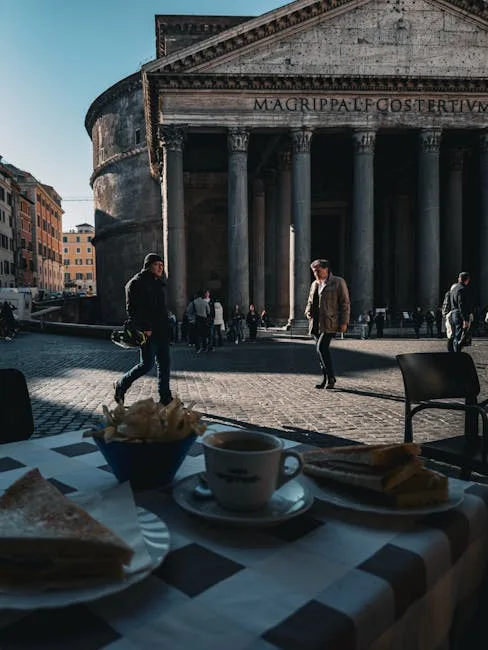
Traditional Roman desserts offer more than a sweet note at the end of a meal: they’re pieces of culture, memory, and daily life. Whether you pick a maritozzo with cream from a small pasticceria, an artisan gelato near the Pantheon, or a generous tiramisù at Pompi, each bite invites you to know the city better. The addresses mentioned here — Pasticceria Regoli, Panella, Pompi, Giolitti, Gelateria del Teatro, Antico Caffè Greco — are concrete starting points for a tasty discovery. The prices help plan your budget, and the hours let you schedule your sweet breaks around sightseeing.
One last tip: the best way to taste Rome is to slow down. Sit at a terrace when the weather allows, watch the comings and goings, and let a dessert’s flavor tell you a story. If you want an edible souvenir, choose well-packaged non-perishables (dry biscuits, artisanal torrone) or learn the local technique in a workshop so you can recreate your favorite desserts at home.
Bringing home the taste memories of Rome keeps a connection to the city long after you leave: the aroma of an espresso alongside a maritozzo, the coolness of a gelato in summer, the sweetness of a shared tiramisù. These moments weave the fabric of a successful trip. So jot down these spots, leave room in your itinerary and in your stomach, and let curiosity lead the way: Rome will always give you a good reason to come back.