





Introduction
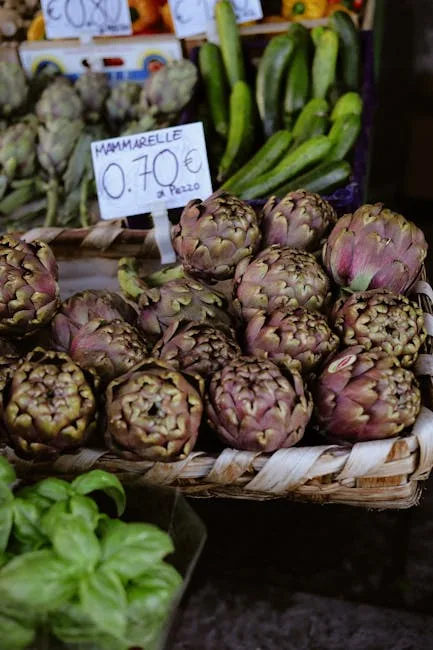
Rome isn’t just ancient mosaics, the Colosseum and St. Peter’s Basilica — it’s a living, breathing city you can smell and taste. Walking through Rome means moving from cobbled lanes to sun-soaked squares where stalls burst with color, fragrance and texture. For travelers after an authentic, sustainable experience, organic markets and meetings with local producers offer direct access to the city’s contemporary soul. Here, small-scale farming meets neighborhood cooking; San Marzano tomatoes sit alongside aged goat cheeses and herbs still damp with morning dew.
Rome’s organic markets are places to pass through, to chat and to trade: people come to buy, to taste, to learn, and sometimes to join a preservation workshop, a honey tasting or a cheese-making demo. Italy’s organic sector has its quirks: many producers are small family farms, often within 100 km of Rome, which makes product traceability real. Stalls don’t just sell goods stamped “biologico” — they display stories: the plot where a particular tomato grew, the thyme’s harvest season, the early-morning milking of a herd in the Lazio hills.
This guide is aimed at the observant visitor: you’ll find exact addresses, opening hours, indicative prices in euros, and immersive descriptions to help you picture each market and plan a tasty day out in Rome. I’ll also share practical tips — how to spot a quality producer, the best times to go for peak freshness, which products to prioritize by season, and how to talk to vendors to get recommendations or a family recipe. Whether you’re vegetarian, into heritage meats, a cheese fan or just curious, Rome offers an astonishing range of organic markets and small producers worth seeking out.
In the sections that follow, we’ll explore four unmissable markets and a few peripheral spots where local producers gather. You’ll find practical info: typical hours (mostly mornings), price ranges (with concrete examples like a dozen organic eggs or a kilo of heirloom tomatoes), and the vibe of each place — from the colorful clamor of Campo de’ Fiori to the cleaner, modern aisles of Mercato Centrale Roma at Termini. Bring a reusable bag, a few basic Italian questions, and a healthy appetite: Rome is ready to be tasted.
 Click here to book full-access St. Peter’s Basilica visit

Campo de’ Fiori: the historic market with organic options
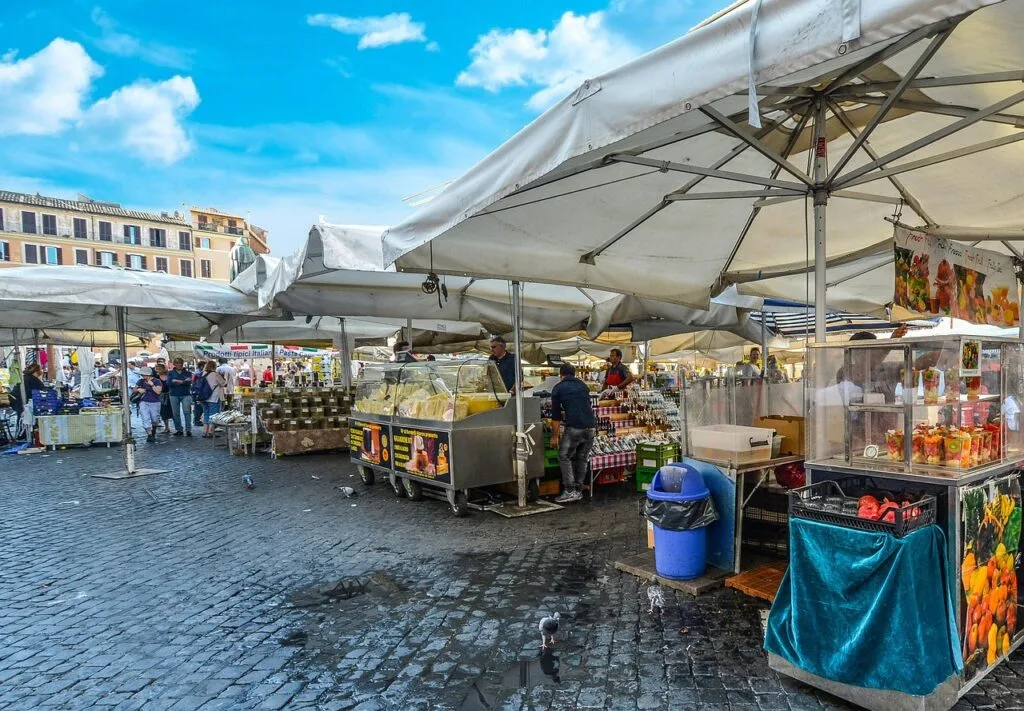
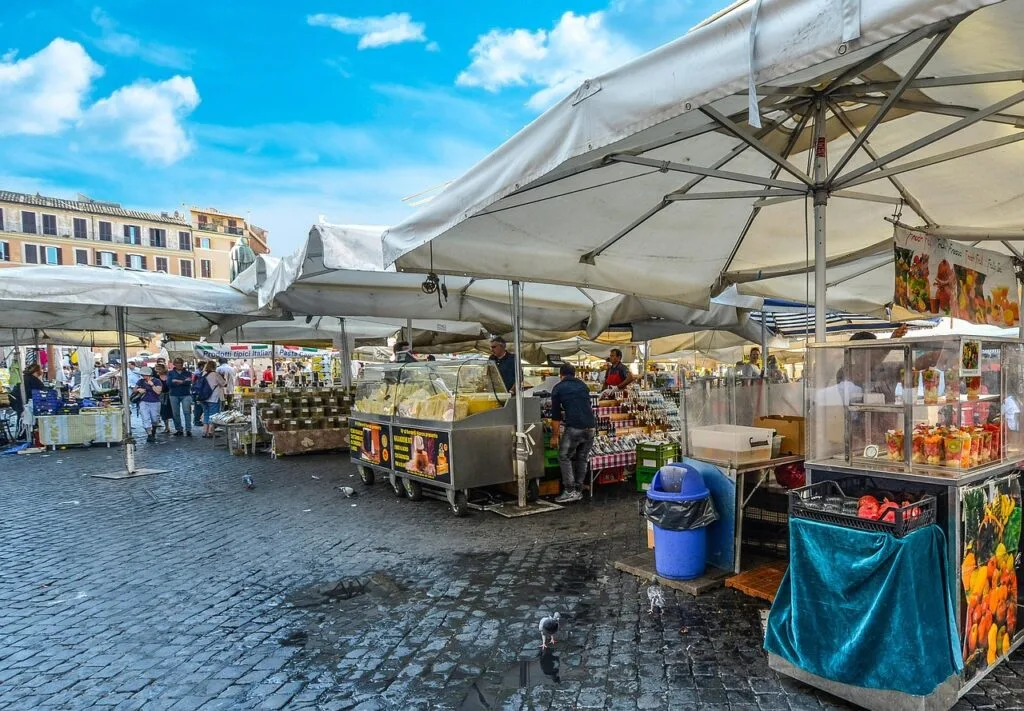
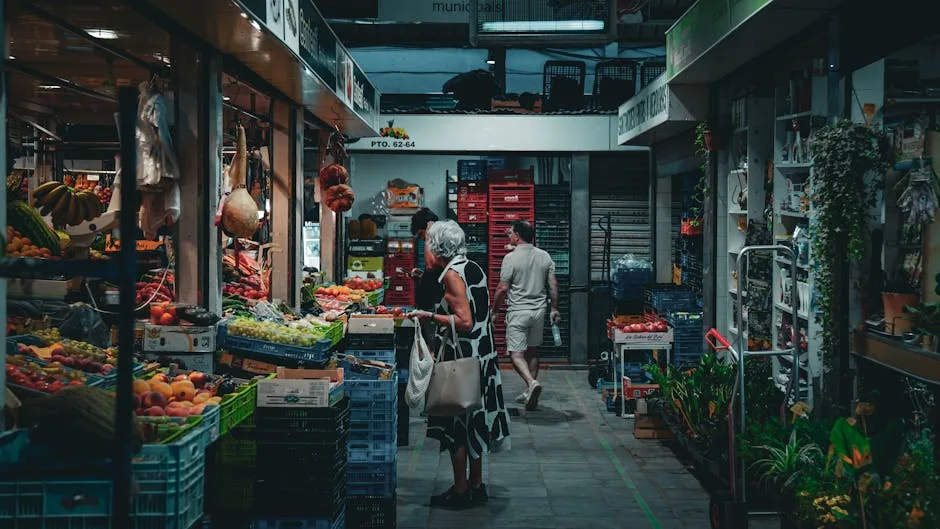
The market on Piazza Campo de’ Fiori is arguably Rome’s most famous. Right in the historic center at the official address Piazza Campo de’ Fiori, 00186 Roma, the square fills with stalls every morning from Monday to Saturday. Hours: usually 7:00 to 13:00 (some stalls close a little earlier around 12:30). The market is a mix of spices, fruit, vegetables, herbs, olives and olive oil; you’ll also find a handful of stands specialized in organic products and some local producers bringing goods from nearby farms in Rome or the Lazio region.
The atmosphere is electric: vendors shout, passersby compare, and nearby restaurant kitchens often use these ingredients by the minute. Organic stalls stand out with labels like « Biologico » or « Produttore » and by including information about where the produce came from. For example, you might find a producer listing « Pomodori da orto biologico – Azienda Agricola Rossi, Colli Albani » along with the harvest season.
Indicative prices (2025 examples):
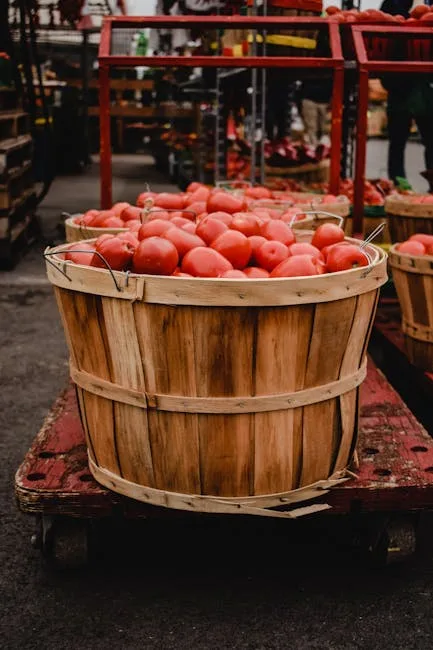
- Heirloom tomatoes (pomodori heirloom): about €3.50 to €6.00 per kilo depending on the variety.
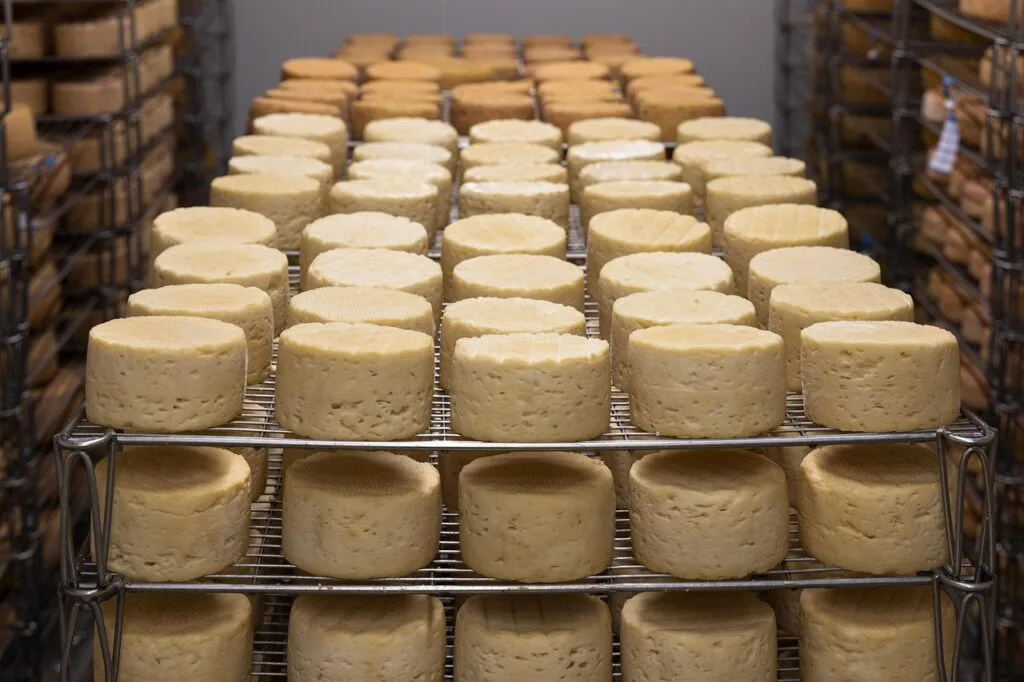
- Local goat cheese (caprino fresco): €6.00 to €12.00 per kilo.
- Organic extra virgin olive oil (0.5 L): €7.00 to €18.00 depending on quality and origin.
- Organic eggs (box of 6): €2.50 to €4.50.
These prices fluctuate with the season and product rarity.
Practical advice on site: arrive early, between 7:00 and 9:00, to get the freshest picks. Bring cash (many small producers accept cash only) and a reusable bag. If you’re looking for something specific — local honey, einkorn flour, or edible flowers — ask « Avete prodotto biologico? » or « Da dove viene questo? » (Where does this come from?). Vendors appreciate curiosity and will usually be happy to tell you about their production.

Mercato Centrale Roma / Stazione Termini: contemporary, diverse organic offerings
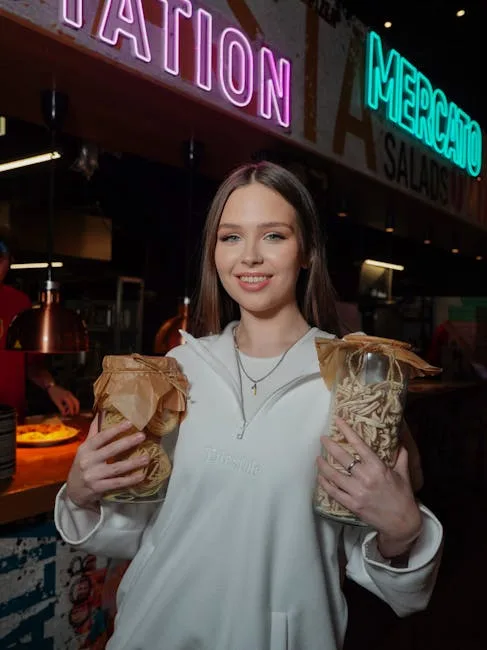
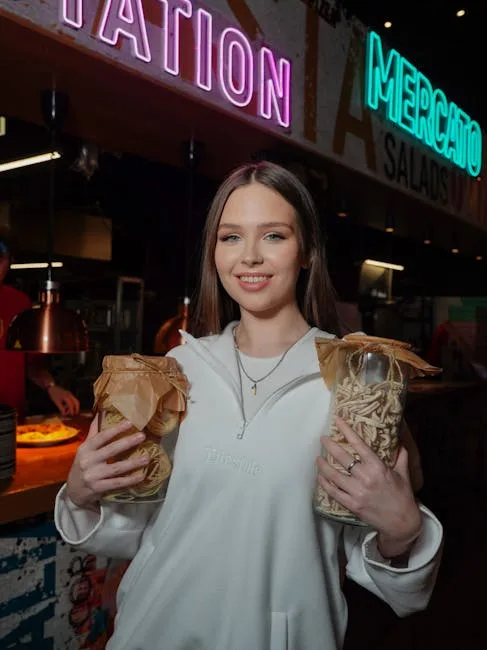
Mercato Centrale Roma sits close to Termini station at Via Giovanni Giolitti 36, 00185 Roma. It’s a covered, modern market designed as a food hub where local producers, chefs and artisans meet. Hours: generally open from 8:00 to 23:00 every day (hours vary by stall). This spot is perfect if you want to combine sightseeing with tasting organic products in a comfortable setting, come rain or shine.
Mercato Centrale features a fine grocery section and several food stalls that use organic or local ingredients. You’ll find artisanal pasta, sauces, organic preserves, natural wine and baked goods made with ancient grains. Products often come with an information card about the farm of origin: farm name, type of cultivation (organic, biodynamic), altitude and husbandry methods where relevant.
Examples of prices on site:
- Charcuterie and cheese tasting board (for 2): €12.00 to €20.00.
- Sandwich with organic ingredients (artisan bread, organic veg): €6.00 to €10.00.
- Pack of artisanal pasta (500 g): €4.00 to €8.00.
- Bottle of natural wine (0.75 L): €10.00 to €25.00 depending on the cellar.
You can usually pay by card at most stalls, a convenience for travelers.
Why come here? Because the range is broad and accessible even if you don’t have a car: after a Colosseum visit or a Termini arrival, you can pick up well-packed products for your carry-on (sealed oil bottles, pasta, preserves). It’s also a learning space: some weeks the market runs cooking workshops, producer-consumer meetups and tasting evenings. Check their website or local posters for the weekly program.
Click here to book Colosseum, Forum and Palatin audioguide ticket
Mercato Testaccio: culinary tradition and Lazio producers
The Mercato di Testaccio is one of Rome’s most typical food markets and is located at Via Galvani 9, 00153 Roma in the Testaccio neighborhood. Hours: the halls generally open Monday to Saturday from 7:30 to 14:00, with some stalls and restaurants staying open in the evening for nearby trattorie. Testaccio has deep food roots — slaughterhouses, markets and a strong tradition of popular cooking.
Here you’ll find traditional butchers, fishmongers, small grocers and weekend or event-based organic and farm producers. Chefs often come to pick rare finds or the day’s freshest ingredients. The atmosphere is friendly and sometimes loud, and it’s not uncommon for a vendor to hand you a recipe if you explain how you plan to cook an ingredient.
Prices and suggestions:
- Porchetta by the slice (single portion): €4.50 to €6.50 depending on the vendor.
- Fresh fish (depending on the day’s catch): €10.00 to €25.00 per kilo.
- Artisanal organic jams (250 g jars): €4.00 to €8.00.
- Organic sourdough bread (500 g boule): €3.00 to €6.00.
Testaccio is perfect for buying ingredients you plan to cook straight away or for a picnic in Parco del Cestio.
Tips: wander the market’s side lanes to find small specialist shops and producers who chose Testaccio for its food-savvy clientele. If you want to meet a producer, ask « C’è il produttore oggi? » and come with a question about seasonality — it’ll often spark a conversation. For a true Roman lunch, grab a filled focaccia to go made with local ingredients and sit near the old Monte Testaccio to watch neighborhood life.
Piazza Vittorio and multicultural markets: organic finds between tradition and diversity
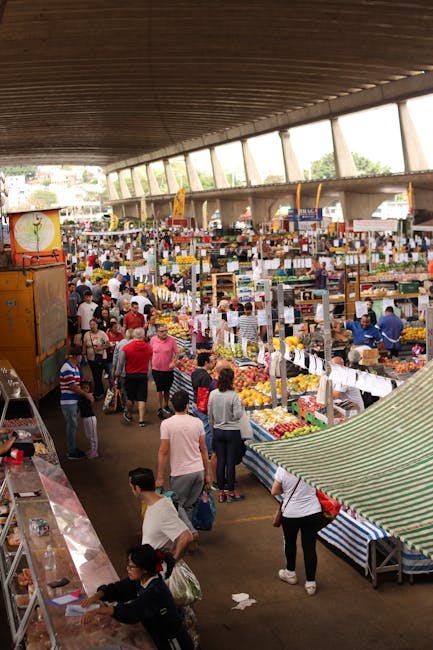
Piazza Vittorio Emanuele II and its market (often just called « Mercato di Piazza Vittorio ») lie in the eastern edge of the historic center, near the Basilica of Santa Maria Maggiore. Address: Piazza Vittorio Emanuele II, 00185 Roma. Hours: roughly 7:00 to 14:00, Monday to Saturday, with seasonal variations. This market is known for its diversity: Italian produce, Middle Eastern and Asian imports, and small farms offering organic and artisanal goods aimed at a varied local clientele.
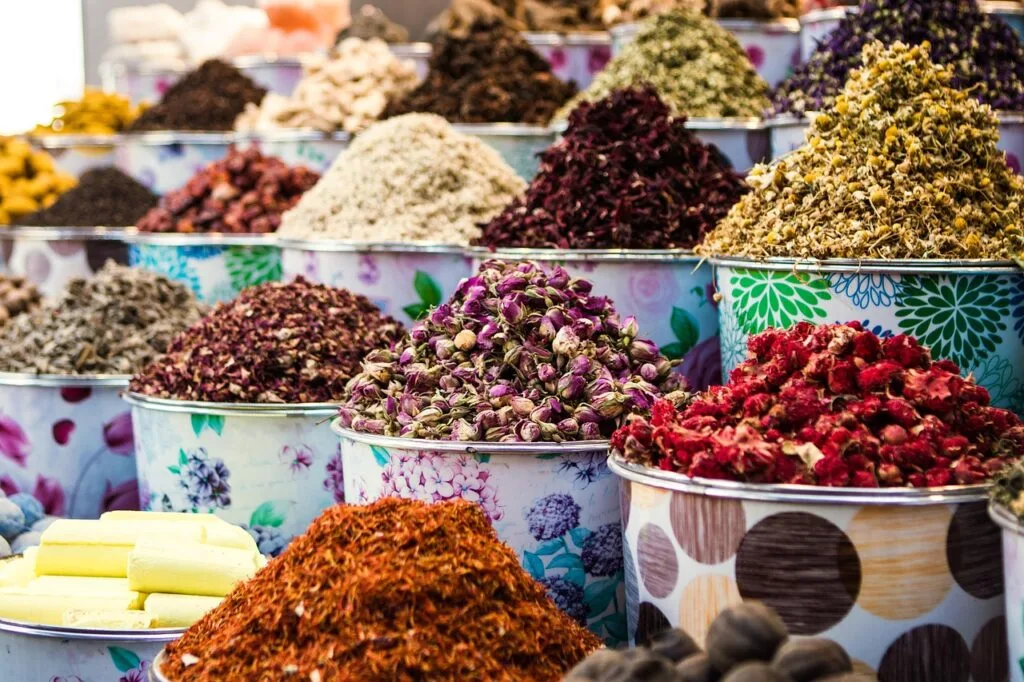
The market’s strength is cultural overlap: you’ll find rare spices, organic spices, old Italian vegetables and uncommon whole grains. Some stalls also sell fermented products and traditional preserves prepared by families from different regions. The variety lets you expand your basket with ingredients that can refresh traditional Roman recipes.
Typical prices:
- Bulk organic spices (50 g): €1.50 to €4.00 depending on the spice.
- Forgotten vegetables (Jerusalem artichoke, cardoons): €3.00 to €6.00 per kilo.
- Artisanal ethnic breads and pastries: €1.00 to €4.00 each.
If you’re searching for rare products, try stalls in the morning to catch the best lots.
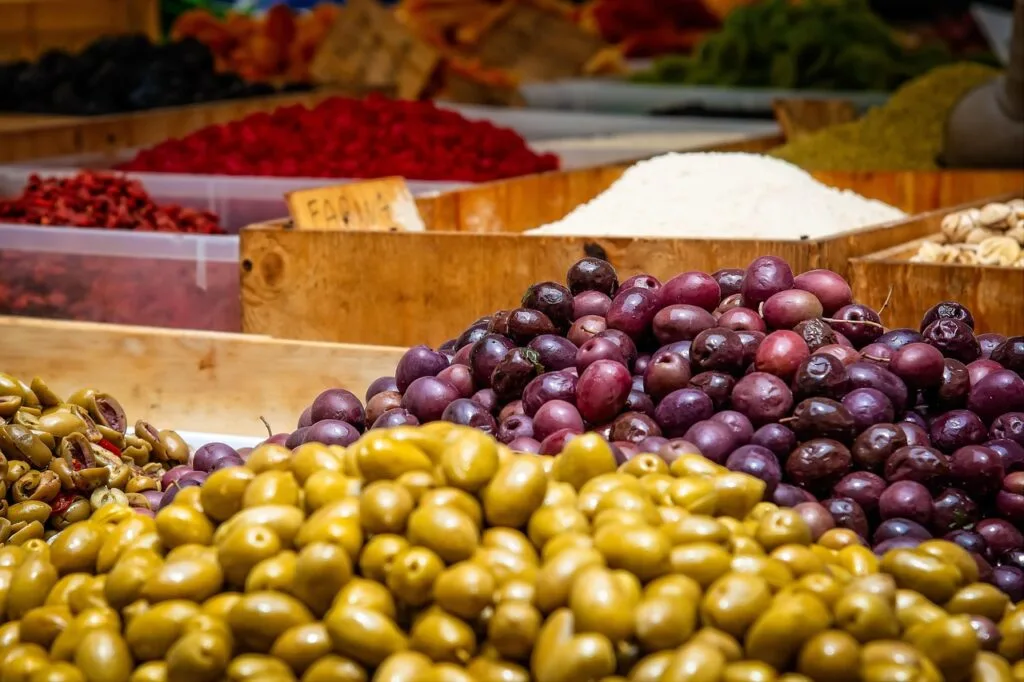
Practical tips: Piazza Vittorio is also a good place to spot intercultural cooking workshops and associations working with local organic producers. Vendors often welcome you to taste — « Assaggia » is commonly offered for a jam or an olive. Avoid the midday heat in summer if you want a comfortable visit; mornings are usually best for freshness.
Click here to book reserved entry and audio guide for Santa Maria Maggiore
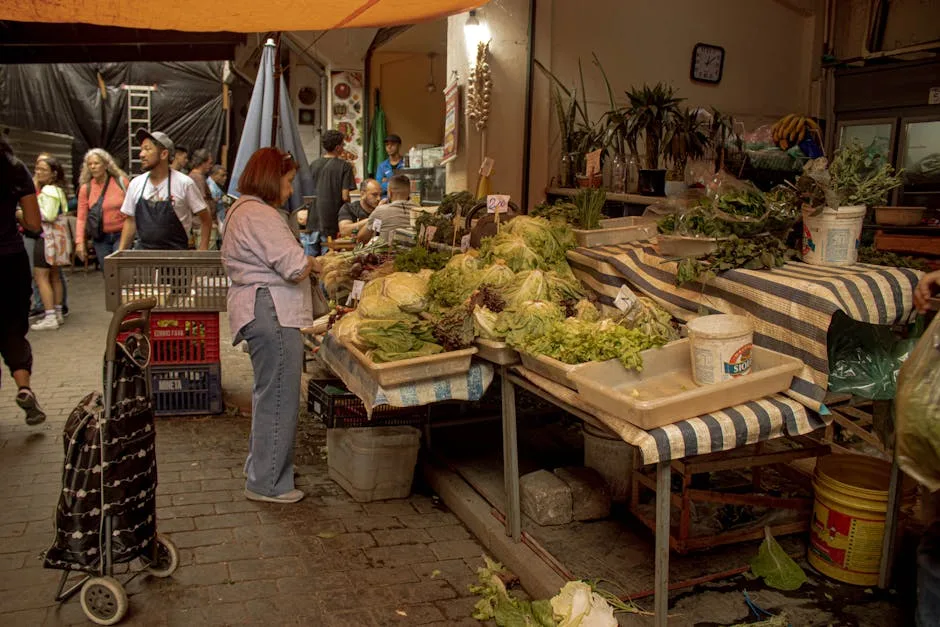
General tips for buying organic and meeting producers in Rome
Buying organic in Rome takes a bit of know-how to separate marketing from genuine producers. Here are concrete, practical tips to get the most out of your experience:
- Look for the direct producer: stalls that display « produttore » or the farm name (e.g. « Azienda Agricola Bianchi, Tivoli ») are usually direct producers. Ask for the exact place (town, hill) if you want traceability.
- Ask about methods: ask « È certificato biologico? » (Is this certified organic?) and « Come coltivate? » (How do you grow it?). Some small farms are in conversion and will say so honestly.
- Prioritize seasonality: Roman markets follow the seasons. In summer buy tomatoes, courgettes and peaches; in autumn seek mushrooms, squashes and apples; in winter look for citrus and brassicas. Quality is much better and prices are fairer.
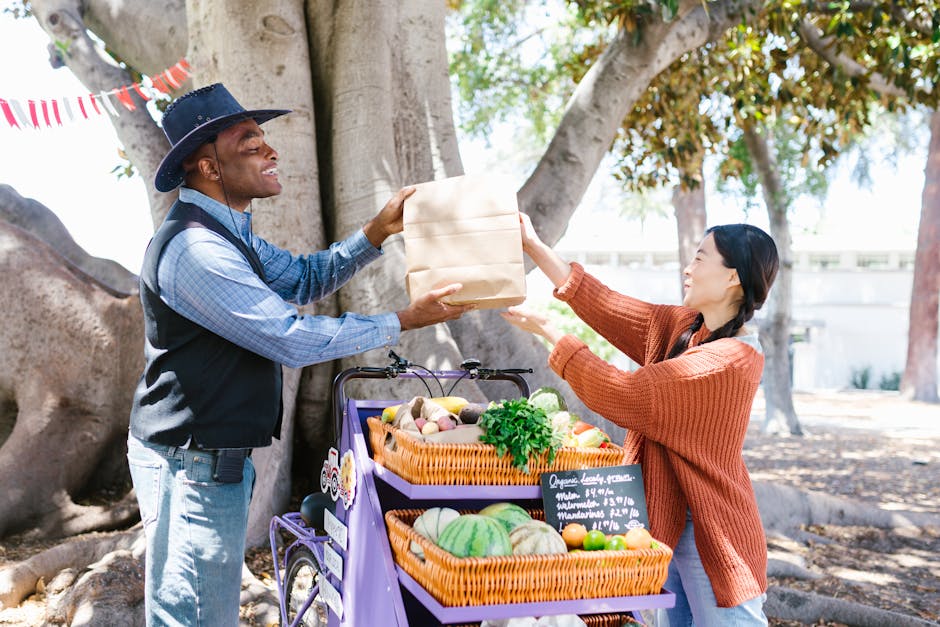
- Transport and storage: if you buy fragile items (heirloom tomatoes, herbs, salad), ask for kraft paper bags or bring a cooler bag. Preserves, olive oil and pasta travel well in hand luggage.
- Best hours: mornings (7:00–10:30) are ideal for freshness. Some producers arrive as early as 6:30 to set up; if you’re an early bird you’ll have the pick of the lot.
- Bargaining: haggling in Italy isn’t aggressive — good humor pays. Buying several items from the same stall can sometimes get you a small discount or a seasonal fruit for free.
- Avoid waste: only buy what you can eat in the next few days unless you’re buying non-perishables. Ask how to store items (« Come lo conservo? ») so they last.
Finally, treat organic markets as cultural exchange spaces. Conversations with producers can bring recipe ideas, cooking tips and invitations to visit farms on the outskirts of Rome. Many producers run open-farm days where you can see the vineyards, taste oil pressed only hours earlier, and buy directly at farm prices.
Sample itinerary for one day of organic markets in Rome
If you have only one day to explore Rome’s organic scene, here’s a route designed for freshness, variety and experience:
- 7:00 – Campo de’ Fiori: start early to enjoy fruit and veg stalls, buy a few heirloom tomatoes, basil and a jar of artisan pesto. Grab an espresso (about €1.10) at one of the small cafés on the piazza before you go.
- 9:00 – Mercato Centrale Roma (Termini station): wander the covered section to taste a focaccia, pick up artisanal pasta and a bottle of olive oil. Use the Wi‑Fi and facilities if you need a break.
- 11:00 – Piazza Vittorio: explore the multicultural offerings and hunt for rare spices, homemade preserves and maybe a local honey producer. Great for adding unusual organic items to your basket.
- 12:30 – Testaccio: have lunch with a local specialty (for example a porchetta sandwich) and visit a few meat and cheese stalls. Finish with a walk on Monte Testaccio or along the Tiber.
This loop shows markets with very different vibes and producers with complementary approaches: tradition, modernity and cultural diversity. Wear comfortable shoes, bring a small cooler bag if you’ll carry perishables through the day, and keep a mask handy if you go into busy indoor areas.
Conclusion
Beyond its monuments, Rome has a vibrant food scene where organic markets and local producers play a central role. Whether you’re after the most fragrant tomato, freshly pressed olive oil, farmhouse cheese or rare spices, Campo de’ Fiori, Mercato Centrale Roma, Mercato di Testaccio and Piazza Vittorio are essential stops. Each spot brings a different face of Rome: history and spectacle at Campo de’ Fiori, modern variety at Mercato Centrale, culinary tradition at Testaccio and multicultural openness at Piazza Vittorio.
Visiting these markets also supports the local economy: buying directly from producers means more of your money goes to the farm and encourages sustainable practices. The human contact, the little labels that tell a product’s origin and the chance to taste before you buy turn shopping into a gustatory education. You’ll leave not only with great products but also recipes, farm names and memories of shared conversations.
To make the most of these visits, plan your day, arrive early, prefer cash for small stalls, bring a reusable bag and keep your curiosity alive. Rome surprises with the quality of its local products and the generosity of its vendors. Step off the beaten path, ask « Da dove viene? » and accept a small tasting — you’ll enjoy an authentic Roman experience far from the usual tourist stops and help preserve the region’s agricultural know-how. Buon viaggio e buon appetito!