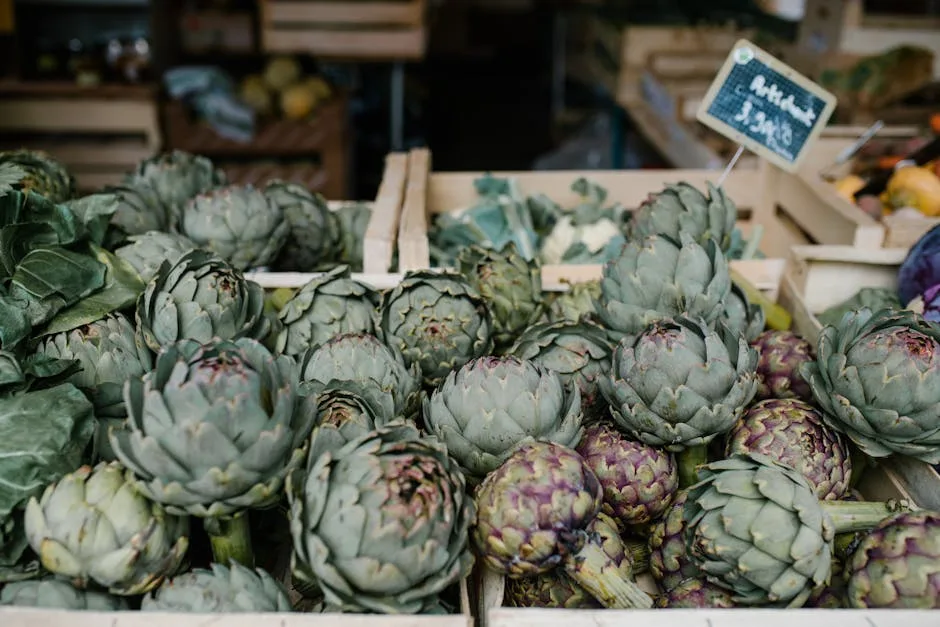






Introduction
Rome is a city where history and food are inseparable. Among Roman specialties, artichokes hold a place of honor: whether they’re fried and crispy in the Jewish style (carciofi alla giudia), gently braised the Roman way (carciofi alla romana) or served in a salad, they tell the stories of neighborhoods, families and culinary traditions that stretch back centuries. This guide walks you through the cobbled streets of the Italian capital to taste, learn about and even cook Roman artichokes. You’ll find specific addresses, opening hours, price ranges, sensory descriptions and practical tips so your experience is as authentic and sustainable as possible.
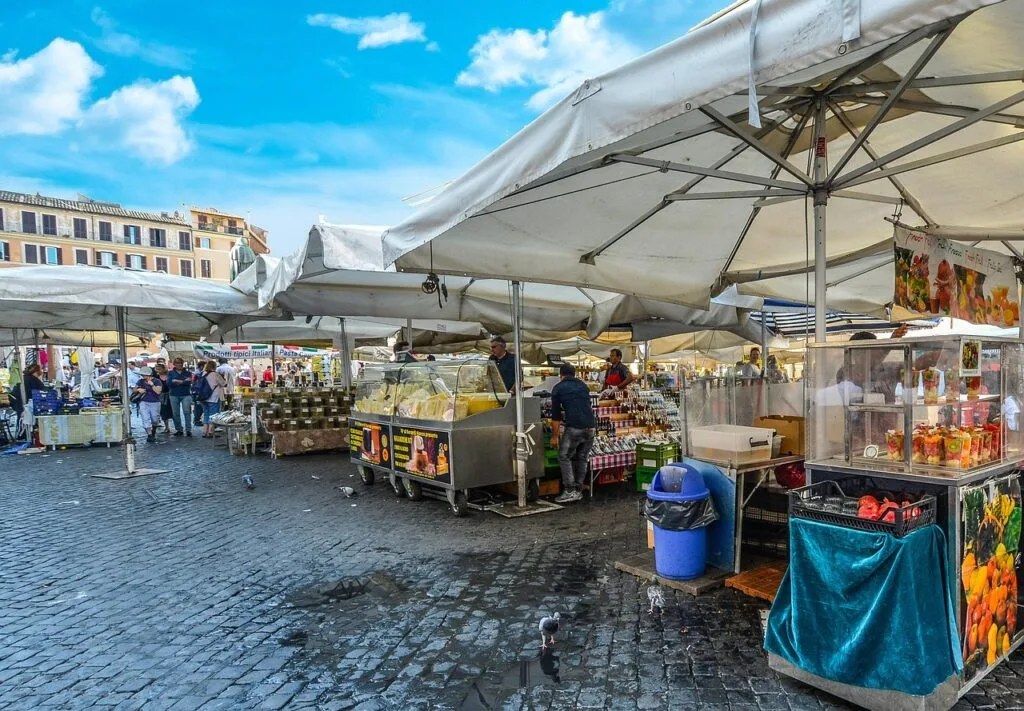
More than just a recipe, eating an artichoke in Rome is a lesson in time: patience to pick the purple artichokes at the market, care when pulling off the leaves, and know-how to season and cook without smothering the flavor. Roman tradition emphasizes freshness: morning markets like Piazza Campo de’ Fiori and the Mercato Testaccio overflow with small producers selling firm, fragrant artichokes. In the Ghetto neighborhood you’ll also find historical variations that reflect Rome’s culinary diversity.
This guide will take you to markets and restaurants, suggest hands-on workshops to learn how to prepare carciofi alla romana, and give you practical tips — how to pick an artichoke, how to open it properly, which side dishes to pair it with and which wines to choose. The listings below include contact details and typical prices so you can plan your visits and budget. Expect variable prices: a portion of carciofi alla romana at a simple osteria can range from €6 to €12, while a more elaborate dish at a renowned trattoria might reach €15–€20. Finally, we recommend the best times to go to avoid crowds and enjoy artichokes at their peak.
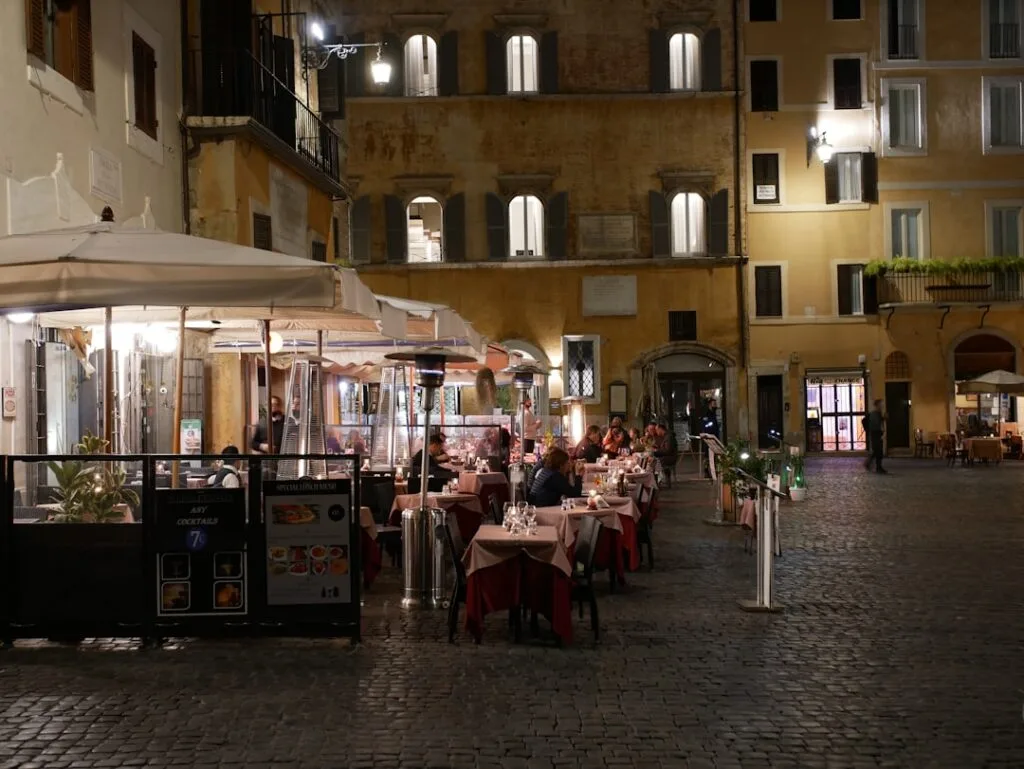
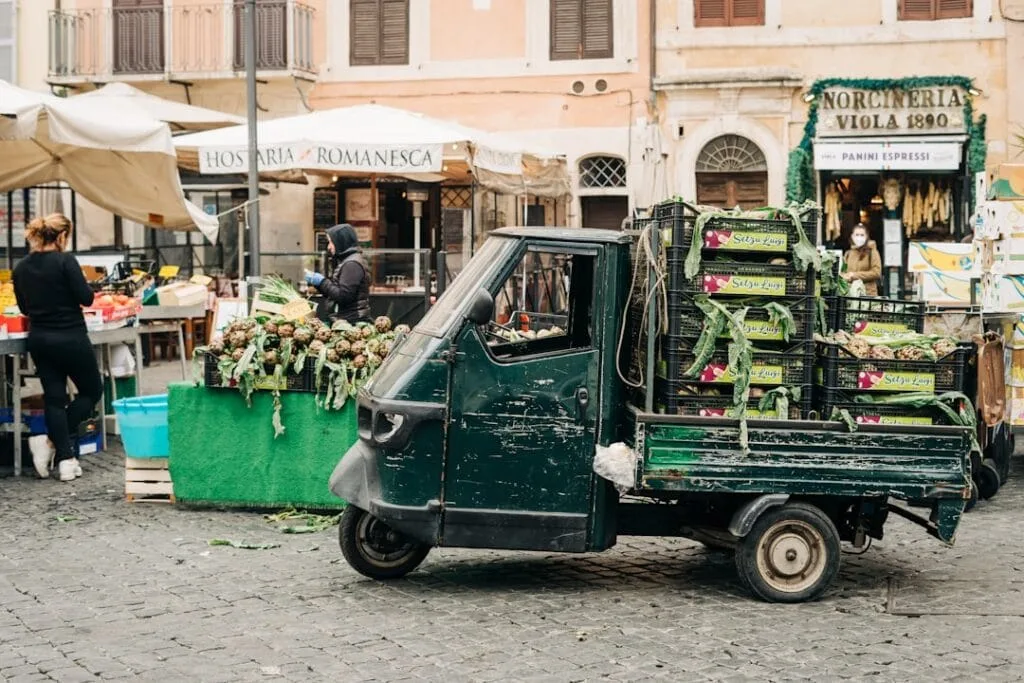
Where to Taste Carciofi alla Romana: Must-Visit Restaurants and Trattorie
Let’s start with places where the Roman artichoke is served in its most traditional form: tender, flavored with mentuccia (a local wild mint) and cooked in a mix of water, olive oil and white wine. A landmark spot is Da Giggetto al Portico d’Ottavia, located at Via del Portico d’Ottavia 16, 00186 Roma. This Ghetto trattoria serves both carciofi alla giudia and alla romana depending on the season. Hours: typically 12:00–15:00 and 19:00–23:00 (closed some Sundays). Price guide: a portion of artichokes €7–€12.
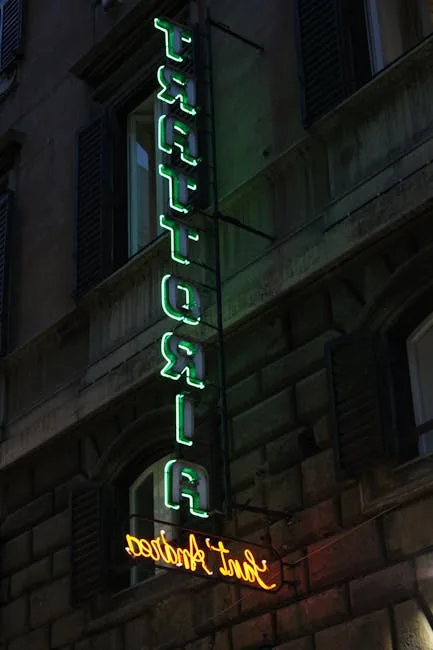
For a more contemporary take, Roscioli – Salumeria con Cucina is a must-know spot: Via dei Giubbonari 21/22, 00186 Roma. This place combines a fine food shop with a kitchen and often serves artichoke preparations as antipasto or contorno. Hours: 08:00–23:00 (seasonally variable). Price: artichoke antipasti around €8–€15. Roscioli is ideal for a refined tasting, but expect heavy foot traffic at lunch and dinner.
Another recommended stop is Trattoria Da Enzo al 29, Via dei Vascellari 29, 00153 Roma (Trastevere). Beloved by locals, this tiny trattoria sometimes serves artichokes prepared simply and respectfully. Hours: 12:30–15:00 and 19:00–23:00 (closed certain days in low season). Price: contorno plate €5–€10. Tip: arrive early or book if you can, as queues can be long.
 Click here to book a Pantheon visit with wine tasting
Markets and Producers: Where to Buy the Best Artichokes for Cooking
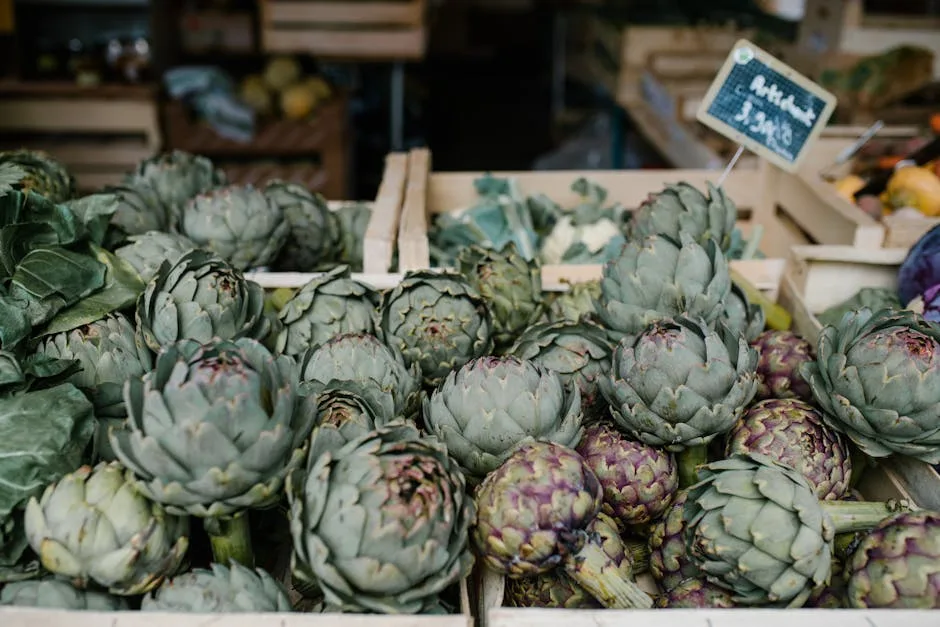
To cook your own carciofi alla romana, nothing beats buying at the market. Two markets are essential:
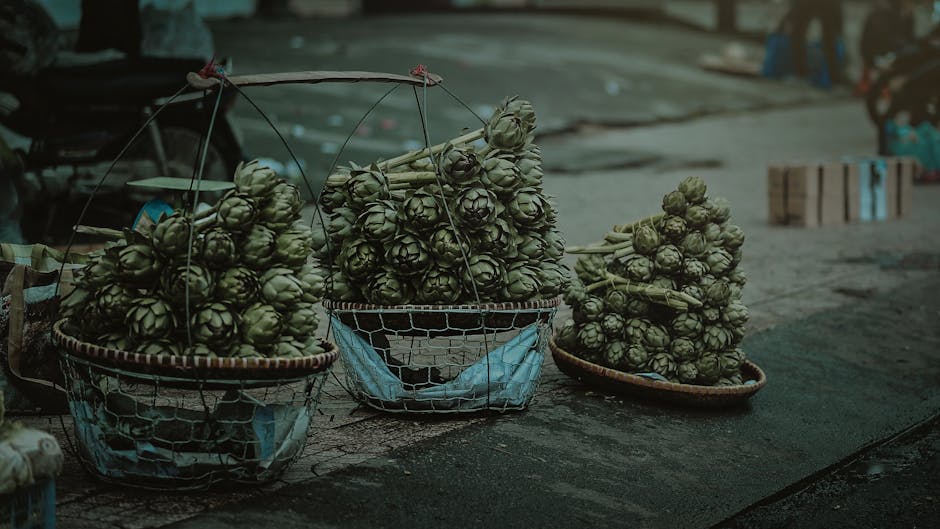
- Piazza Campo de’ Fiori — Address: Piazza Campo de’ Fiori, 00186 Roma. Hours: stalls open from 07:00 and usually close around 14:00. You’ll find seasonal purple artichokes sold by the piece or by the kilo (price: about €2–€4 each depending on size).
- Mercato Testaccio — Address: Via Beniamino Franklin 1, 00153 Roma. Hours: 08:00–14:00 (certain days); closed Sunday morning. This is a more authentic market, frequented by local restaurateurs. Price: artichokes by the kilo €3–€6.
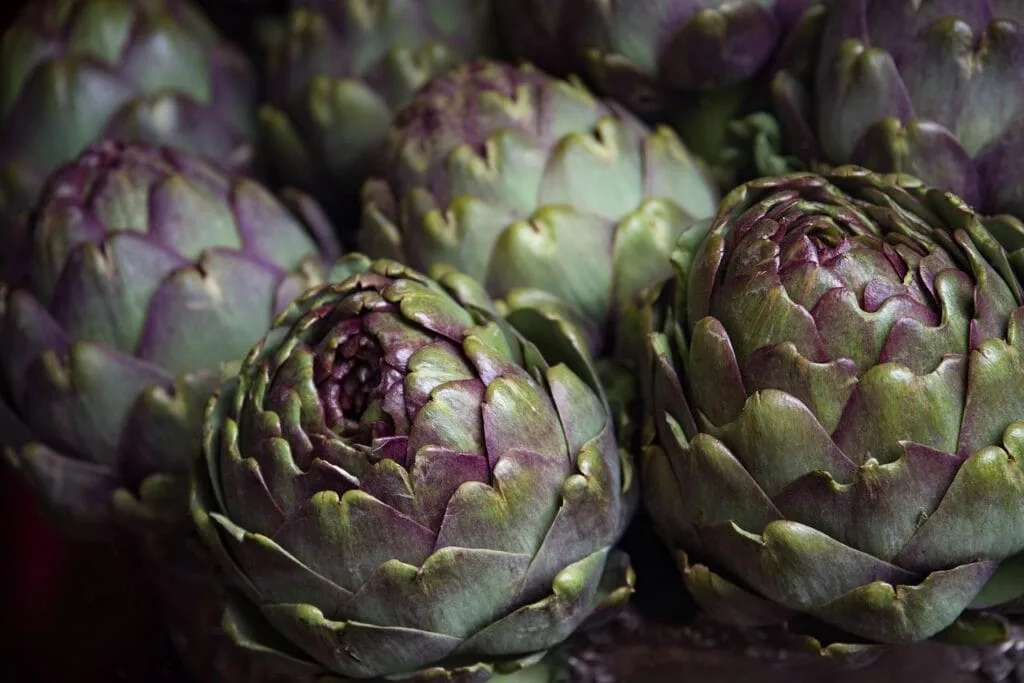
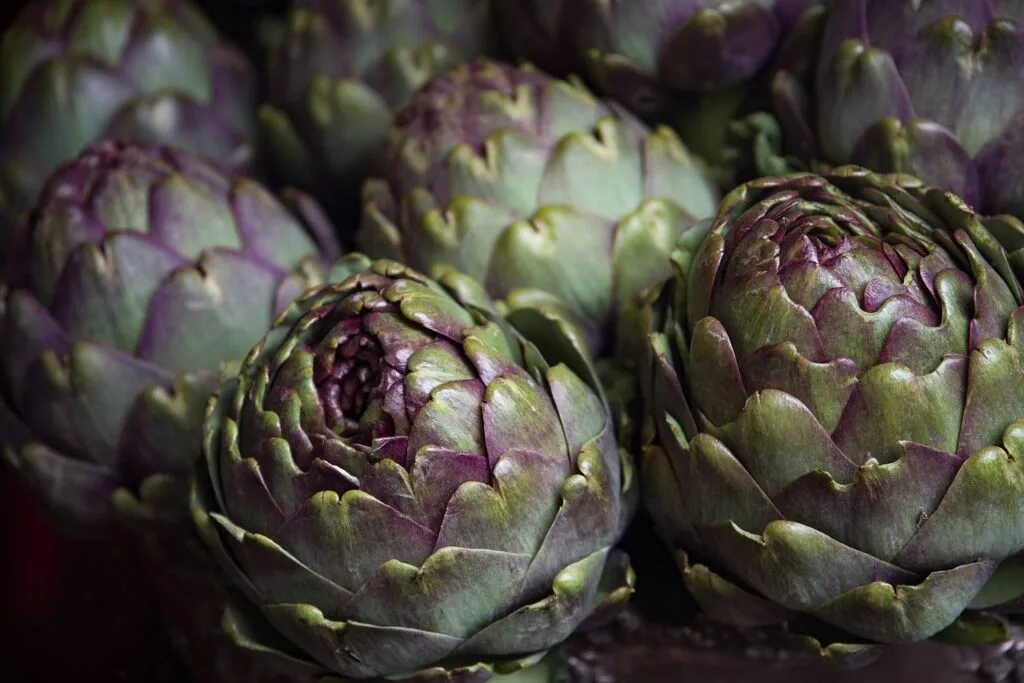
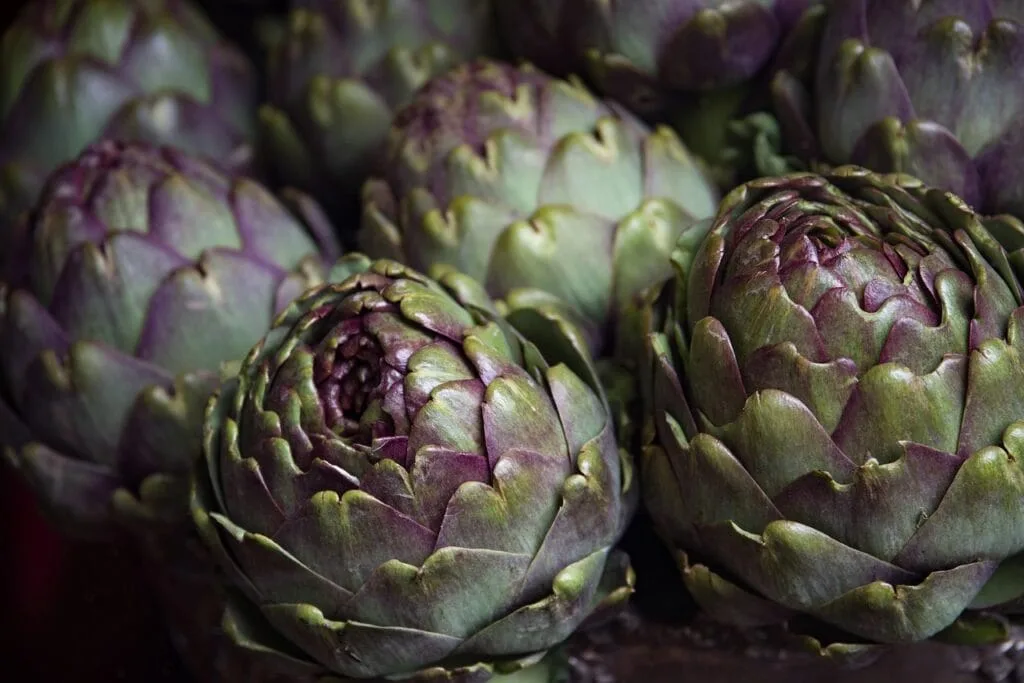
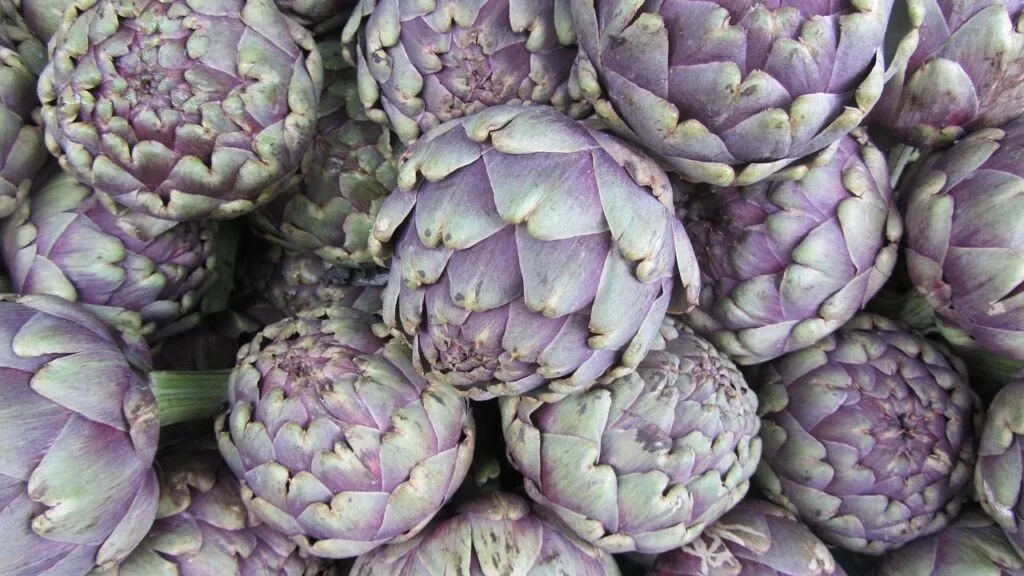
Practical buying tips: choose artichokes that feel heavy for their size, with tightly packed leaves and tips that are almost firm. Avoid overly dry stems or black spots. If you’re unsure, ask the vendor: they’ll tell you the variety (carciofo romanesco, violetto di Toscana, etc.) and the best use (frying, braising, gratin).
Workshops and Classes to Learn How to Make Carciofi alla Romana
If you want to bring the technique home, joining a class is the most effective option. Several schools and chefs offer workshops focused on local ingredients:
- Cooking Classes Rome – Centro Storico (example venue): hands-on workshops near Piazza Navona. Typical workshop address: Via dei Coronari 12, 00186 Roma (check exact location when booking). Duration: 2.5–3 hours. Price: €60–€90 per person depending on the menu (equipment and tasting included). These classes teach how to clean an artichoke, remove the inner choke, flavor with mentuccia and cook covered.
- Corsi di Cucina at Eataly Roma — Address: Piazzale XII Ottobre 1492, 00154 Roma. Eataly sometimes offers seasonal workshops centered on fresh produce. Duration and price vary: short classes €40–€70.
Tips for choosing a workshop: favor small groups (max. 8 participants), check if recipes are taught in English or another language you’re comfortable with if you don’t speak Italian, and ask whether you’ll leave with printed recipes. Some classes include a morning market visit to pick artichokes — a very practical, sensory experience.
How to Prepare Carciofi alla Romana: Step-by-Step Method and Local Tricks
The traditional Roman method is simple but precise. Here’s a detailed, immersive guide:
- Choose: young, firm artichokes with freshly cut stems. Purchase price: expect €2–€4 per artichoke in season.
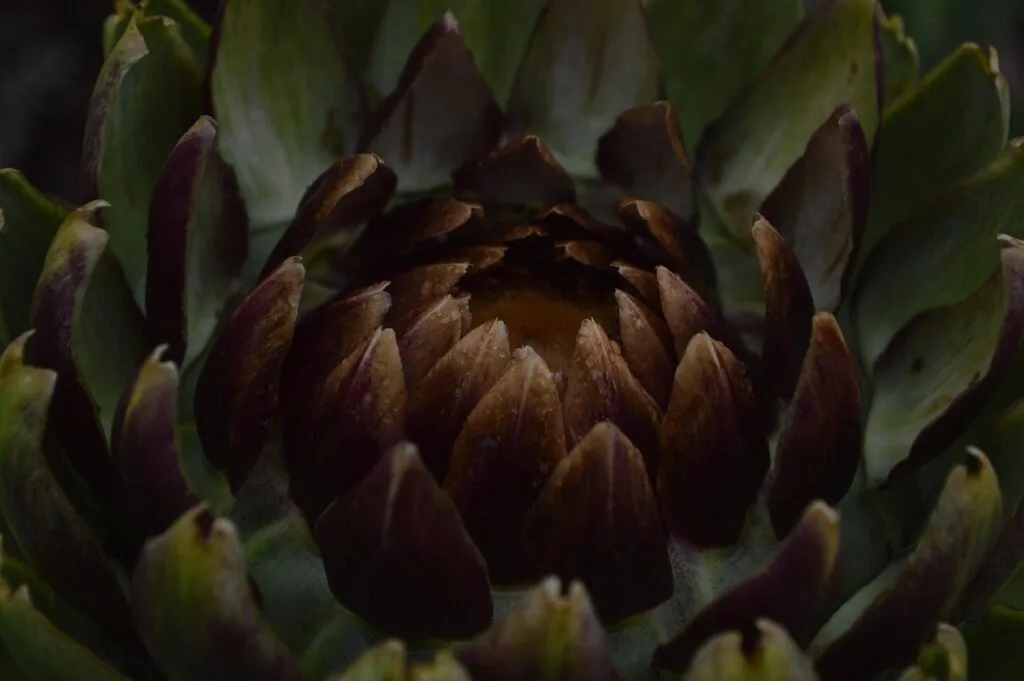
- Clean: remove the outer tough leaves, trim about 2 cm off the top, cut the stem on a bias and remove the fibrous part at the base.
- Season: mix chopped parsley, mentuccia (or mint), crushed garlic, salt and pepper, and a drizzle of extra-virgin olive oil. Stuff the mixture inside the artichokes.
- Cook: stand the artichokes upright in a pot, add water to halfway up, a glass of white wine and a drizzle of oil. Cover and simmer gently for 25–40 minutes depending on size. The heart should be tender but still hold its shape.
- Finish: serve hot or warm as a side dish or antipasto. In Rome, they’re often enjoyed with rustic bread and a glass of Frascati (€6–€12 per bottle depending on the wine shop).
Click here to visit the Pantheon and enjoy an Italian wine tasting
Local tricks: to prevent browning, rub cut parts with lemon. If you can’t find mentuccia, substitute with a mix of mint and parsley but keep the balance right. For a richer version, sprinkle a spoonful of toasted pangrattato (breadcrumbs) on top before serving.
Practical Tips for Tasting and Traveling Around Rome’s Artichokes
A few recommendations to make the most of your culinary quest:
- Best season: peak artichoke season runs from February to May, with a second peak in autumn. The best weeks are often March–April.
- Timing: for markets, arrive early (between 07:00 and 09:00) for the best picks. For popular restaurants, book for lunch (12:30–13:30) or dinner (19:30–20:30) to avoid queues.
- Budget: a simple tasting at an osteria costs between €6 and €12, while a full meal at a renowned place can reach €30–€50 per person if you add wine and antipasti.
- Getting around: the main spots mentioned (the Ghetto, Campo de’ Fiori, Trastevere, Testaccio) are walkable if you stay in the historic center. Otherwise, Rome’s ATAC buses and trams serve these neighborhoods well; plan for a bus/tram ticket €1.50 valid for 100 minutes.
- Local respect: check religious holidays and seasonal closures — some small trattorie close for part of August and/or on Mondays or Sunday midday.
Conclusion
Roman artichokes are more than a dish: they embody Rome’s culinary history, a commitment to local produce and mastered simplicity. Roaming the markets of Campo de’ Fiori or Testaccio, sitting down at a Ghetto trattoria like Da Giggetto al Portico d’Ottavia, or joining a cooking class to learn the mentuccia technique will create a real connection with Roman culture. The addresses and hours listed will help you plan, but remember that the real treasures are often spontaneous: a market seller showing you how to pick an artichoke, a cook sharing a tip passed down by their grandmother, or a small osteria serving artichokes made that very day.
To wrap up, keep these practical tips in mind: buy artichokes in season, favor small producers, allow time to prepare them properly (slow cooking makes all the difference), and don’t hesitate to ask Romans for recommendations — they’re proud of their culinary heritage and usually happy to share. Finally, book ahead if you want to dine at popular spots and check opening hours before you go: small restaurants sometimes have specific closure patterns. With this information you’re ready for an authentic and delicious experience centered on the carciofo romano — safe travels and buon appetito!