





Introduction
Rome is not just an open-air museum — it’s also the perfect jumping-off point to explore the rich history, landscapes and culture of Lazio and beyond. Whether you have a few days in the Italian capital or are staying longer, well-chosen day trips let you round out your stay with contrasting experiences: imperial villas surrounded by gardens, ancient ports, hilltop medieval towns, dazzling coastlines, and architectural cities that helped shape Italy’s story.
This practical, general guide lists the « Top 10 Day Trips from Rome. » Each of the ten sections below describes an easy-to-reach destination by train, car or guided tour, gives exact addresses for must-see sites, notes typical prices (in euros) and opening times, and offers local tips to make the most of your day (best times to visit, skip-the-line ticket advice, train stations to use, eating options, and crowd-avoidance tips). Prices and opening hours are indicative and can change with the season, public holidays and local management; always check official sites before you go.
The tone is informative and practical: immersive descriptions, full addresses, approximate travel times from Rome, and hands-on advice for getting around. Some trips are best for independent travelers using trains (Frecciarossa, Intercity, Regionale), while others are easier via organized tours or rental cars. You’ll find alternatives for travelers who want private options or to combine several sites in one day.
Each section also includes photo tips and exploration ideas, plus a few local pointers on food, safety and timing — all essentials for enjoying a stress-free day trip. Lace up your walking shoes, open your transport app or booking service, and let these ten destinations illustrate the variety of heritage accessible from Rome: from ancient ruins to coastal panoramas and timeless medieval towns.
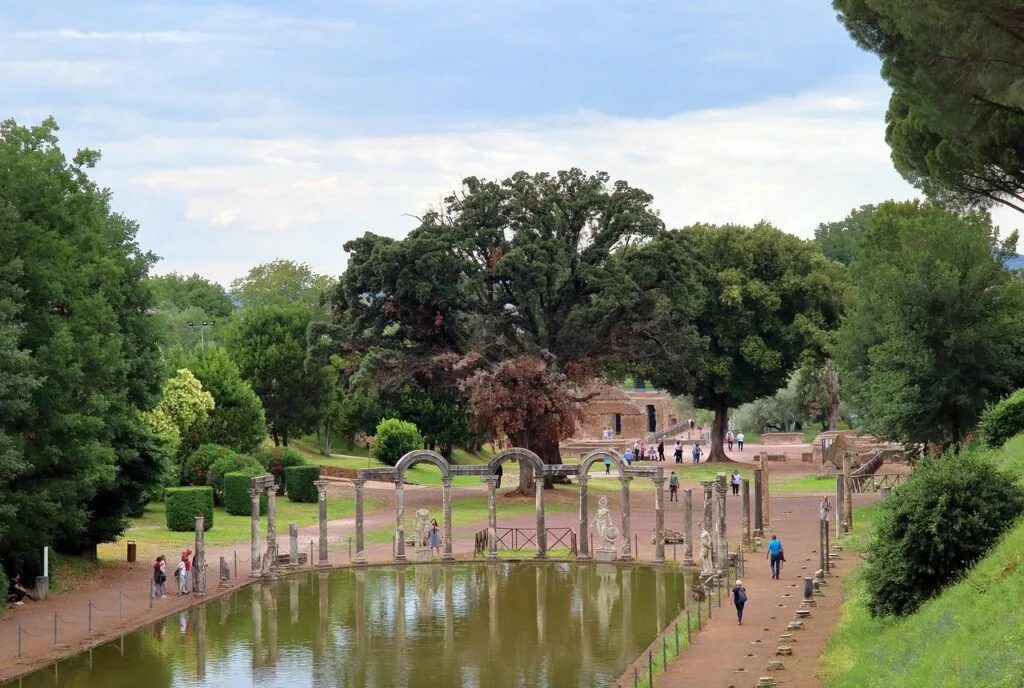
1. Tivoli — Villa d’Este and Hadrian’s Villa
Why go: Just 30 km east of Rome, Tivoli offers a twofold journey through Renaissance gardens and imperial Roman architecture. It’s perfect for lovers of gardens, fountains and archaeology.
Main sites:
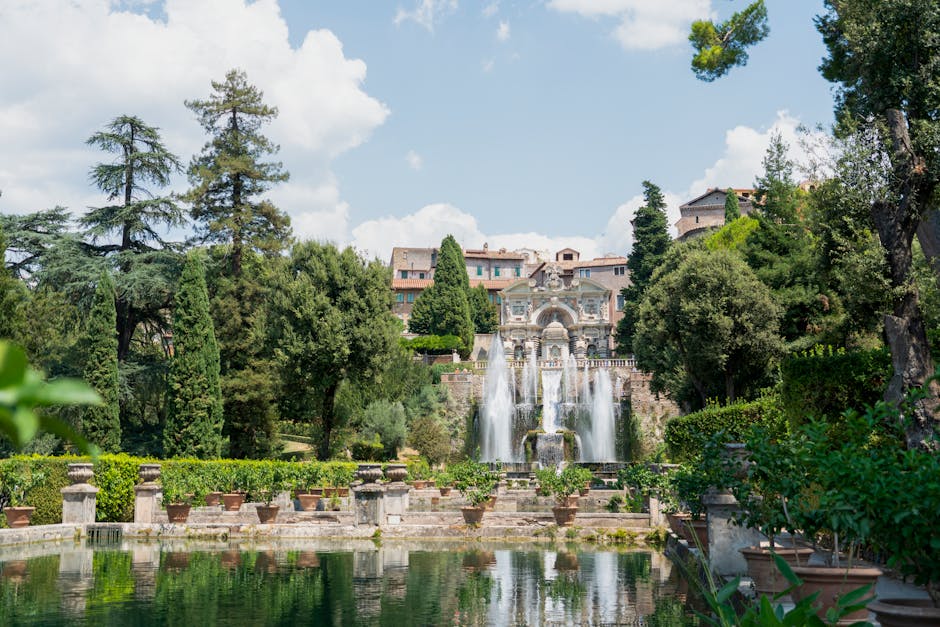
- Villa d’Este — Piazza Trento, 5, 00019 Tivoli RM. Opening hours: generally open daily 08:30–19:00 (extended hours in high season). Admission: around €12.00 (full price); discounts often available for students and seniors. Official site: www.villadestetivoli.info
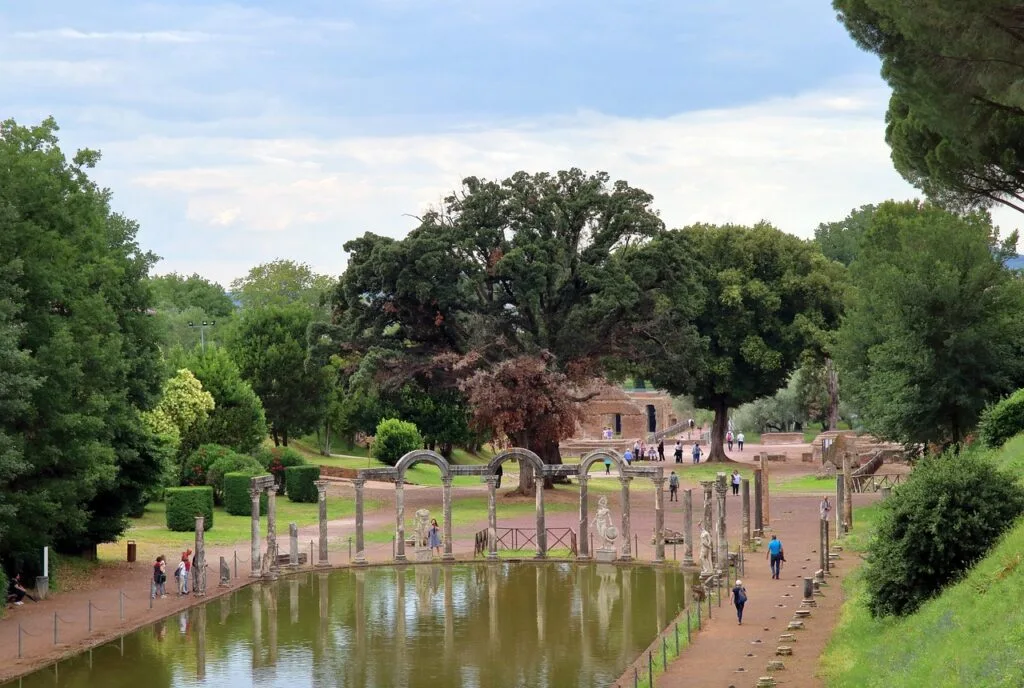
- Villa Adriana (Hadrian’s Villa) — Largo Marguerite Yourcenar, 1, 00010 Tivoli RM. Opening hours: typically 09:00–19:00 in season (varies off-season). Admission: around €10.00 (full price). Official site: www.villaadriana.beniculturali.it
Immersive description: Start your morning at Villa d’Este, famous for its terraced gardens, pools and more than 500 fountains and water features — a true triumph of Renaissance hydraulic engineering. Wander along the Loggia del Cardinale and let the tinkling water set the pace of your visit. Piazza Trento 5 is adjacent to the ticket office and a small café where you can grab an espresso before exploring the gardens.
After lunch (try local dishes at Trattoria Sibilla, Via Sibilla, 1), head to Hadrian’s Villa for the afternoon: the sprawling imperial ruins cover more than 120 hectares and include public spaces, baths, libraries, pools and ceremonial halls. The site is best explored on foot; allow at least 2–3 hours and wear good shoes. Info panels are in Italian and English, and a paid guided tour (about €8–15) greatly enriches the experience.
Getting there from Rome: From Tiburtina station take regional trains to Tivoli (Regionale line) — journey about 40 minutes, tickets roughly €2.60–4.50 one way. Alternatively, take the Cotral bus from the Ponte Mammolo metro station (Line B): frequency varies, travel time about 50 minutes.
Local tips: buy tickets online to skip queues during peak hours (10:00–15:00); bring a water bottle (there’s a lot of walking), wear a sun hat in summer, and visit Villa d’Este early in the morning for photos with fewer people.
 Click here to book a day trip to Villa d’Este and Hadrian’s Villa
2. Ostia Antica — The ancient port with palpable archaeology
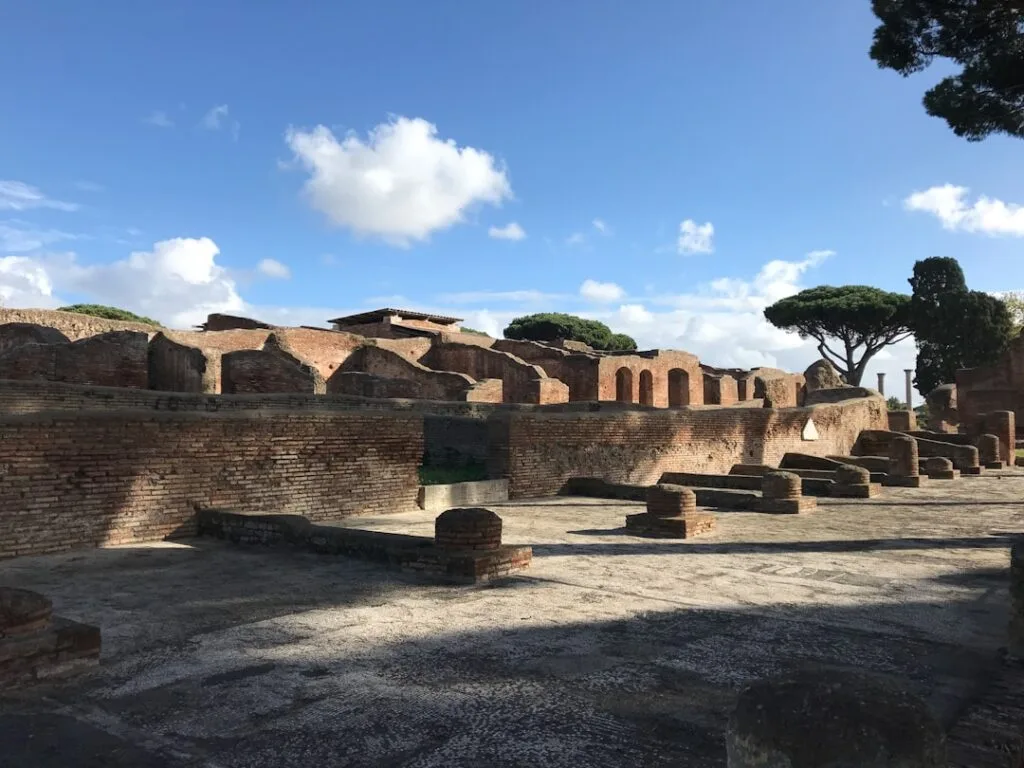
Why go: Ostia Antica is one of Italy’s best-preserved archaeological sites and a less-crowded alternative to Pompeii for seeing an ancient Roman city. The atmosphere feels intimate and the mosaics, baths and merchant houses are remarkably well-preserved.
Address and practical info:
- Parco Archeologico di Ostia Antica — Via dei Romagnoli, 717, 00119 Ostia Antica RM. Opening hours: generally 09:00–19:00 (seasonal variations). Admission: around €12.00 (full price), €7.00 reduced. Official site: www.parcoostiaantica.it
Immersive description: Picture a bustling port town with paved streets and merchant basins; broad forums, theaters, warehouses and inns testify to Ostia’s role as Rome’s maritime gateway. The House of the Masks and the House of Diana showcase colorful mosaics; the Roman theater often hosts cultural events in summer. The sea breeze and wide-open ruins give a rewarding sense of exploration — ideal for families and photographers.
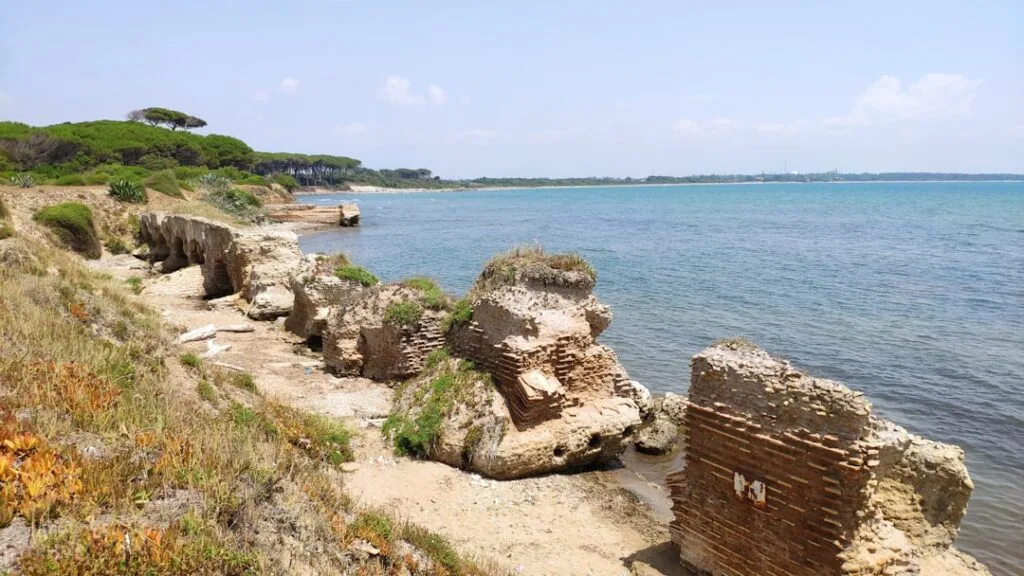
Getting there from Rome: Take the Roma-Lido line from Ostiense station (Metro Line B) to Ostia Antica station (about 30–35 minutes). From the station the site is a short walk. Fare: integrated metro/bus ticket ≈ €1.50 (standard hourly fare). Combine train and park entry for a half- or full-day depending on your interest in archaeology.
Local tips: visit early for soft light and cooler temperatures in summer; bring sunglasses and sunscreen. Stop at the archaeological café for a bruschetta or panino before heading back to the train. If you love maritime history, pair the ruins with a short visit to Ostia beach for a striking contrast.
3. Pompeii and Mount Vesuvius — Mythic ruins and an imposing volcano
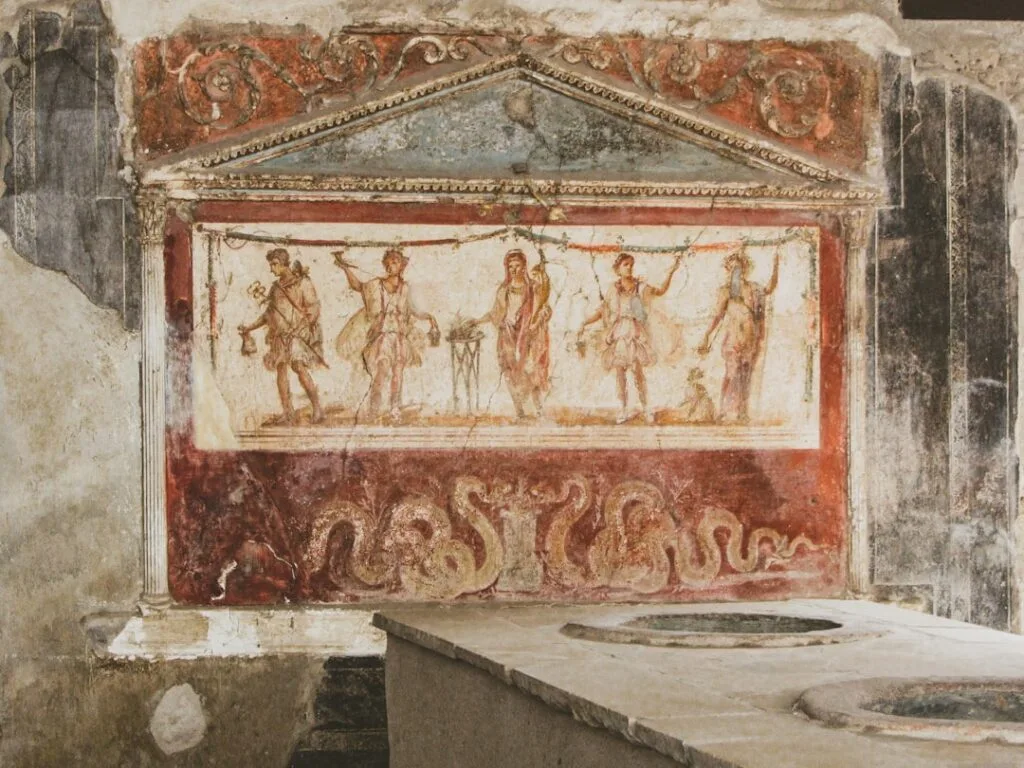
Why go: Pompeii delivers a powerful glimpse into daily Roman life frozen by Mount Vesuvius’ eruption in 79 AD. Combine Pompeii with a short hike to the Vesuvius crater for a history- and landscape-packed day.
Addresses and opening times:
- Parco Archeologico di Pompei — Via Villa dei Misteri, 2, 80045 Pompei NA. Opening hours: generally 09:00–19:00 (varies). Admission: around €18.00 (full price); discounts available. Official site: www.pompeiisites.org
- Vesuvius National Park — Rifugio del Vesuvio (access point to the crater) — Via Panoramica del Vesuvio, 19, 80040 Ercolano NA. Opening hours: crater access often 09:00–17:00 for guided or controlled entry. Admission: crater ticket around €10–12 (variable), local shuttle additional €3–5.
Immersive description: Leave early from Rome (Termini station) on Frecciarossa or Intercity to Naples (1h10–1h20, €15–40 depending on booking time), then take the Circumvesuviana to Pompei Scavi — Villa dei Misteri (30–40 minutes, ticket ~€2.60). In Pompeii wander through homes, baths, shops and frescoed villas that tell the story of life before the disaster. Cobbled streets, casts of victims and ornate villas like the Villa of the Mysteries are highlights.
After lunch, take the Circumvesuviana to Ercolano or a shuttle to reach Mount Vesuvius. The walk up to the crater rim takes about 30–40 minutes over rocky trails; the panoramic view of the Bay of Naples is spectacular. Be prepared for temperature changes and rough terrain — hiking shoes and water are recommended.
Local tips: prioritize skip-the-line tickets for Pompeii (often €18–20 plus booking fees) and avoid busy summer weekends. The Pompeii + Vesuvius combo is a long day (12–14 hours) but hugely rewarding. For ease, consider a guided day trip from Rome (roughly €80–140 depending on inclusions: transport, tickets, guide).
Click here to book a Pompeii and Naples day trip with lunch
4. Florence — Renaissance art on a high-speed rail sprint
Why go: Florence is within reach on high-speed trains from Rome and makes an excellent, intensive day trip focused on Renaissance art and architecture. Museums, domes and medieval streets make the city unforgettable.
Practical info:
- Galleria degli Uffizi — Piazzale degli Uffizi, 6, 50122 Firenze FI. Opening hours: 08:15–18:30 (varies). Admission: around €20.00 (full price); reservations strongly recommended: www.uffizi.it
- Cathedral of Santa Maria del Fiore (Duomo) — Piazza del Duomo, 50122 Firenze FI. Opening hours: 10:00–17:00 (varies by chapel and dome). Combined tickets (dome + museum + baptistery): around €20–25.
Immersive description: From Roma Termini take a Frecciarossa or Italo to Firenze Santa Maria Novella (1h30–1h40; €20–50 depending on booking). Start at Piazza del Duomo to admire the cathedral, Giotto’s campanile and the baptistery. Climb Brunelleschi’s dome (book ahead) for sweeping views over terracotta rooftops.
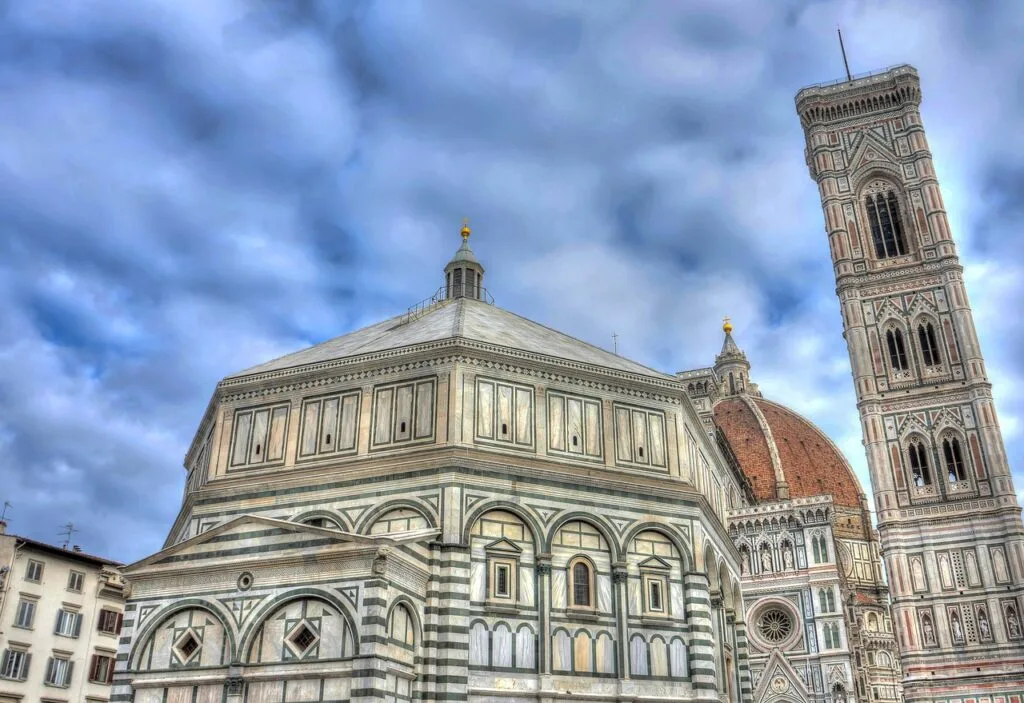
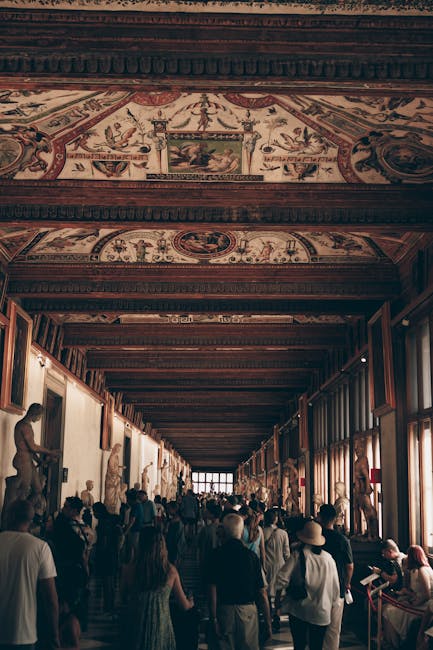
Next head to the Uffizi to soak in Botticelli, Leonardo and Michelangelo (book a timed slot). Cross the Ponte Vecchio and wander the Oltrarno neighborhood to find artisan workshops and enjoy a bistecca alla fiorentina (for example at Trattoria Mario, Via Rosina, 2r). If you’re short on time, a 1–2 hour guided walking tour can cover the highlights before your evening train home.
Local tips: book train and major museum tickets well in advance (Uffizi, Accademia); aim for an early departure from Rome to maximize time in Florence. Allow at least 8–10 hours total for travel and visits, and expect long lines for the big masterpieces without reservations.
Click here to book a day trip to Florence and Pisa with Accademia
5. Orvieto — Gothic cathedral and Etruscan underground caves
Why go: Orvieto, perched on a tuff plateau, is a charming medieval town famed for its spectacular cathedral and network of Etruscan caves below the streets. It makes a cultured, relaxed day trip just 1h15–1h30 from Rome.
Address and opening times:
- Duomo di Orvieto (Cathedral of Santa Maria Assunta) — Piazza Duomo, 1, 05018 Orvieto TR. Opening hours: 10:00–18:00 (peak season varies). Admission: cathedral entry free; museum and bell-tower access or the diocesan Giorgio Vasari complexes vary around €3–6 depending on option.
- Orvieto Underground (Orvieto Sotterranea) — Via Luigi Mazzini, 9, 05018 Orvieto TR. Opening hours: guided tours roughly 10:00–17:00. Guided tour price: about €10–12.
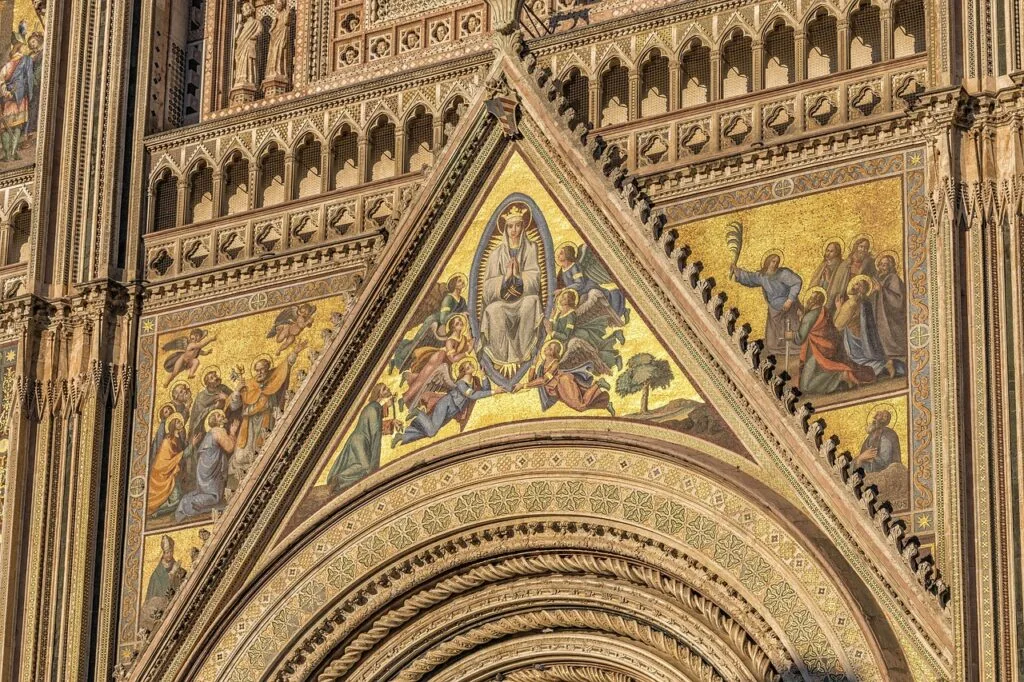
Immersive description: From Roma Termini take regional or Intercity trains to Orvieto (1h15–1h40, €6–20 depending on the service). Ride the funicular from Orvieto station up to the centro storico in minutes (funicular ticket ~€1.20–1.50). The Duomo’s façade, covered in mosaics and reliefs, is a masterpiece of Italian Gothic: step inside to see the San Brizio Chapel and Luca Signorelli’s luminous frescoes.
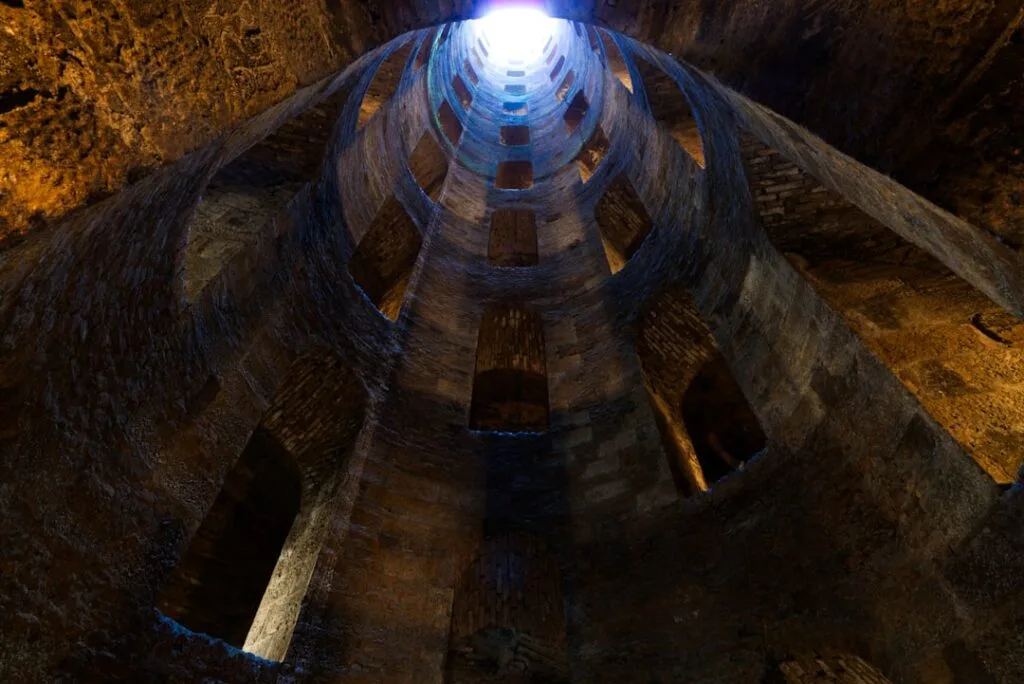
After lunch at a local osteria (for example Trattoria del Moro, Via del Duomo, 32), wander the medieval lanes and descend into Orvieto’s underground: a labyrinth of cellars, wells and cisterns carved into the tuff rock that reveal the town’s practical past. These subterranean tours are usually guided and add a unique layer to the visit.
Local tips: try the local Orvieto Classico wine and truffle-based dishes. Avoid peak tourist season if you want peace; sunset from the terrace in front of the cathedral is beautiful and great for photography.
Click here to join a wine tasting during Orvieto festival
6. Naples — Pizza, museums and a lively port life
Why go: Naples is the lively opposite of classical Rome: energetic, bustling and deeply rooted in culinary tradition. A day in Naples lets you taste authentic Neapolitan pizza, visit a world-class archaeology museum and stroll the waterfront.
Practical info:
- Museo Archeologico Nazionale di Napoli (MANN) — Piazza Museo, 19, 80135 Napoli NA. Opening hours: 09:00–19:30 (typically closed Tuesdays). Admission: around €15.00 (full price).
- Pizzeria da Michele — Via Cesare Sersale, 1, 80139 Napoli NA. Opening hours: generally 12:00–23:30. Price: classic pizza from €4.00–7.00 depending on toppings.
Immersive description: From Roma Termini catch a Frecciarossa or Italo to Napoli Centrale (1h05–1h20; €15–40). Wander the historic center (Spaccanapoli), visit MANN to see treasures from Pompeii and Herculaneum, then indulge in pizza at Da Michele or Sorbillo (expect queues). The lungomare and Castel dell’Ovo offer scenic walks with views of Vesuvius.

Local tips: plan visits early to avoid crowds and watch out for pickpockets in very touristy areas. Foodies should try a sfogliatella pastry at a local bakery. Evening high-speed trains back to Rome are reliable; book ahead for peak times.
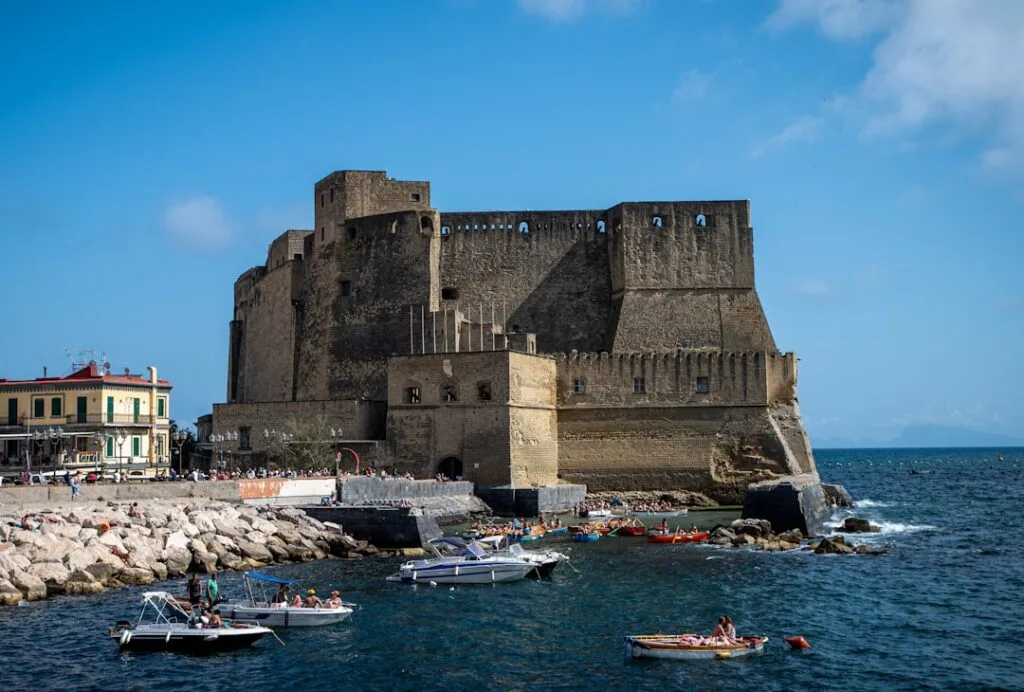
7. Amalfi Coast (Sorrento, Positano and Amalfi) — Coastal panoramas and postcard villages
Why go: The Amalfi Coast is one of Italy’s most photogenic shorelines: steep cliffs, tiny beaches and pastel villages clinging to the sea. From Rome you can realistically visit Sorrento and Positano in a day by train + bus or on an organized tour.
Key points:
- Sorrento (Marina Grande) — Marina Grande, 80067 Sorrento NA. Access: train to Naples then Circumvesuviana to Sorrento (about 1 hour from Naples). Local travel by SITA bus or ferry depending on weather. Ferry Naples–Sorrento: ~€15–20 one-way.
- Positano — Via Pasitea, 84017 Positano SA. SITA bus from Sorrento: ~€2–3; for more comfort, taxis or seasonal hydrofoils are available (fares vary, €10–25).
Immersive description: Depart very early by train to Naples then Circumvesuviana to Sorrento (total 2h30–3h depending on connections). In Sorrento taste local limoncello and stroll the old town. Then take the coastal bus to Positano to admire stacked houses and the pretty beach: stop for lunch — fresh fish and seafood pasta are specialties. If time and season allow, take a ferry to Amalfi to explore the old town and the cathedral (Duomo di Amalfi, Piazza Duomo, 84011 Amalfi SA).
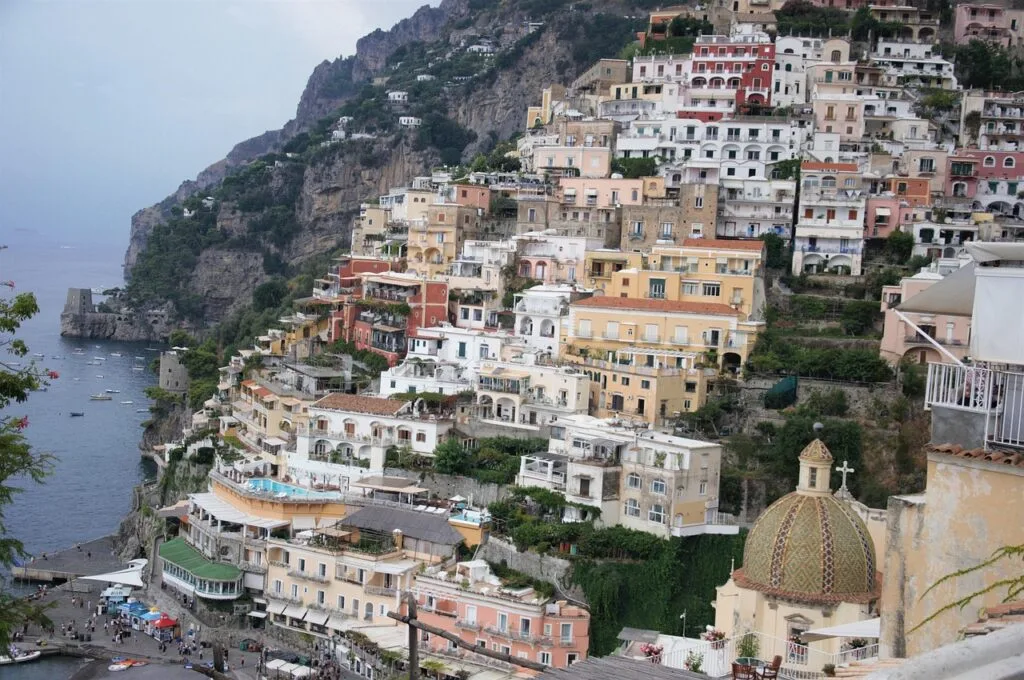
Local tips: roads are winding and busy in summer; ferries are often faster and offer spectacular seaside views. Organized day trips from Rome (around €90–160) are a convenient option with coach transport, guide and sometimes lunch included. Remember a one-day visit is fast-paced; stay overnight for a more relaxed exploration.
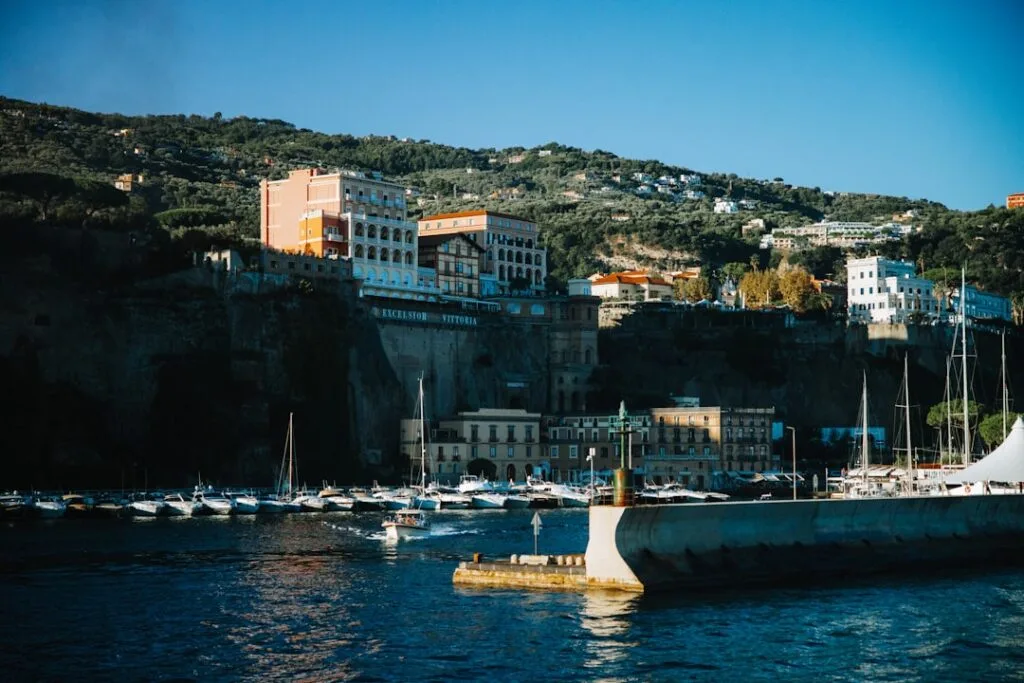
8. Castel Gandolfo and the Alban Lakes — Papal retreat and lakeside strolls
Why go: The hilltop village of Castel Gandolfo overlooks Lake Albano and is famous for the papal summer residence and serene views. It’s an ideal half-day or full-day escape from Rome.
Addresses and opening times:
- Papal Palace of Castel Gandolfo — Piazza della Libertà, 1, 00073 Castel Gandolfo RM. Opening hours: palace and garden visits via the Vatican Museums (hours vary, often 09:00–18:00). Admission: guided visits with the Vatican Museums about €15–20 (variable).
- Lake Albano (Lago Albano) — Lungolago Vittorio Veneto, 00073 Albano Laziale RM. Access: open; paid activities available (pedal boat rental ~€10–20/hour).
Immersive description: Only about 25 km southeast of Rome, Castel Gandolfo is reachable by train from Termini (regional trains toward Albano Laziale / CASTEL GANDOLFO, journey ~30–40 minutes) plus a short walk to the piazza. Stroll the square, admire the church and walk down to the lake for calm views and terrace cafés. The Papal Palace gardens provide a peaceful contrast to Rome’s crowds.
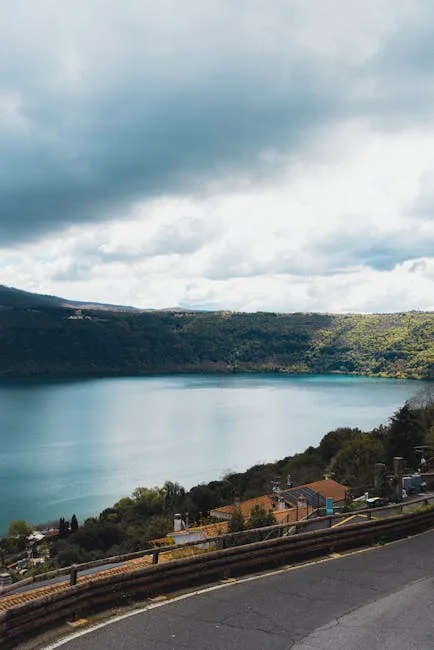
Local tips: combine palace gardens with a boat ride on Lake Albano or lunch at a lakeside trattoria. Weekends attract Romans seeking fresh air, so choose weekdays for more tranquility. Check palace opening dates as they may be closed for official events.
9. Siena — Gothic splendor and a medieval shell plaza
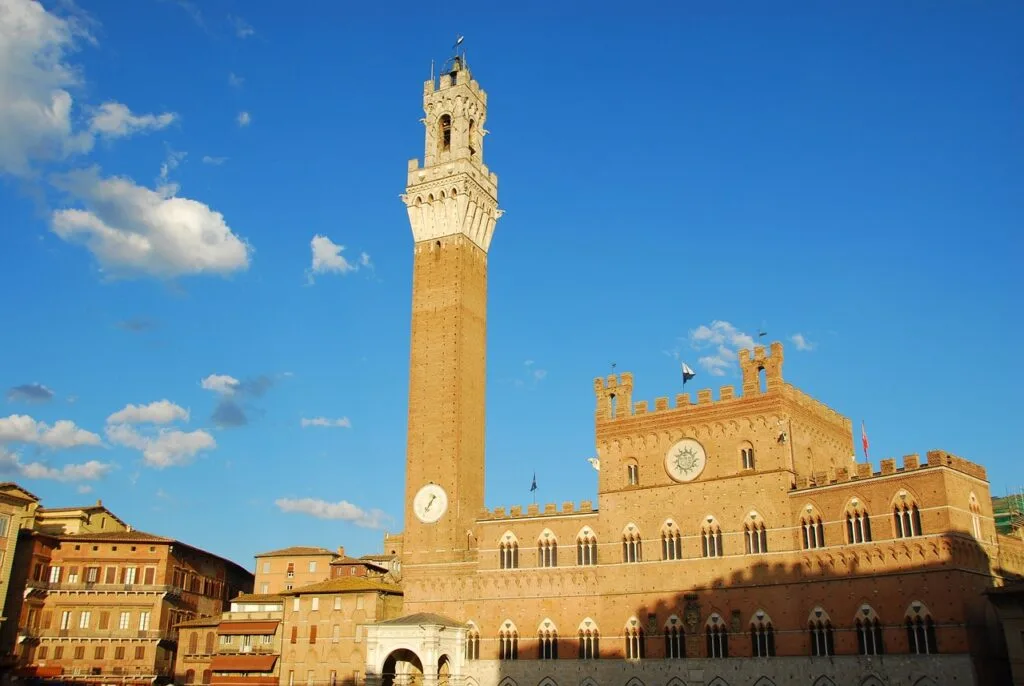
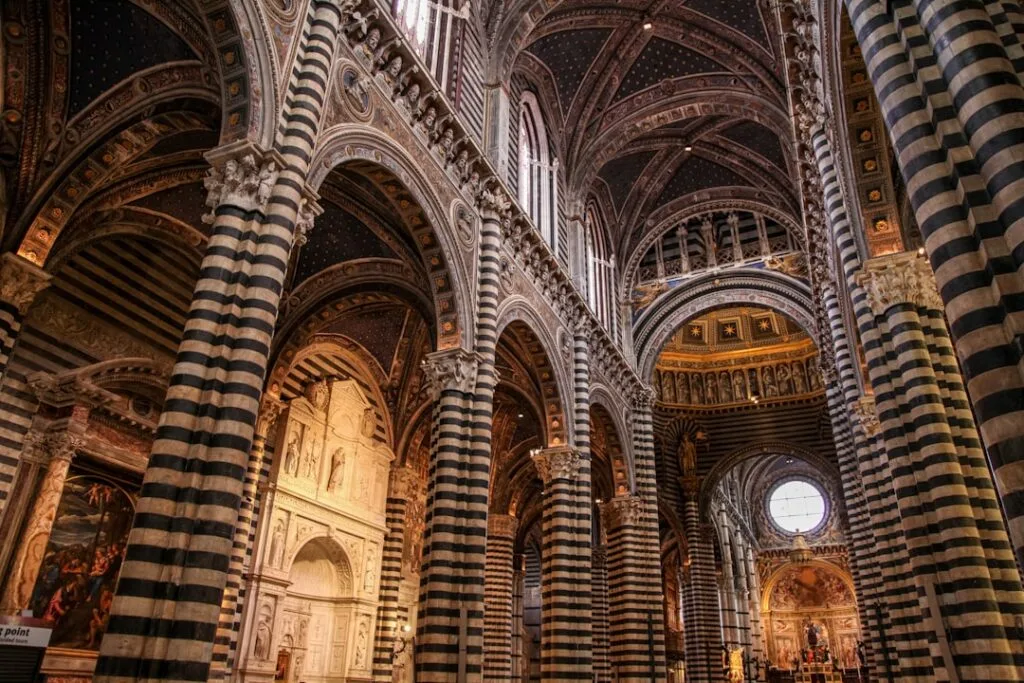
Why go: Siena, with its shell-shaped Piazza del Campo and ornate cathedral, embodies the medieval Italian city. Reachable by train + bus from Rome, it’s a deep dive into Tuscan character.
Addresses and opening times:
- Piazza del Campo — 53100 Siena SI (central square, open access). Events: Il Palio (2 July and 16 August) draws huge crowds.
- Cathedral of Santa Maria Assunta (Duomo di Siena) — Piazza del Duomo, 8, 53100 Siena SI. Opening hours: 10:00–19:00 (seasonal). Admission: complex ticket (museum, baptistery, labyrinth) ~€10–15.
Immersive description: Take a train from Roma Termini to Chiusi-Chianciano Terme or a direct regional/Intercity service to Siena (2h15–3h; €10–30 depending on train). From the station a local bus or taxi brings you into the historic center. Wander Piazza del Campo, admire patrician palaces and climb the Torre del Mangia for panoramic views (tower ticket ~€8–10).
Local tips: try pici pasta and Chianti Classico wines at an osteria. Avoid Palio dates unless you have long-ahead reservations. Plan at least 8–10 hours to fully enjoy the city and its museums.
10. Civita di Bagnoregio — « The dying town » with a lunar panorama
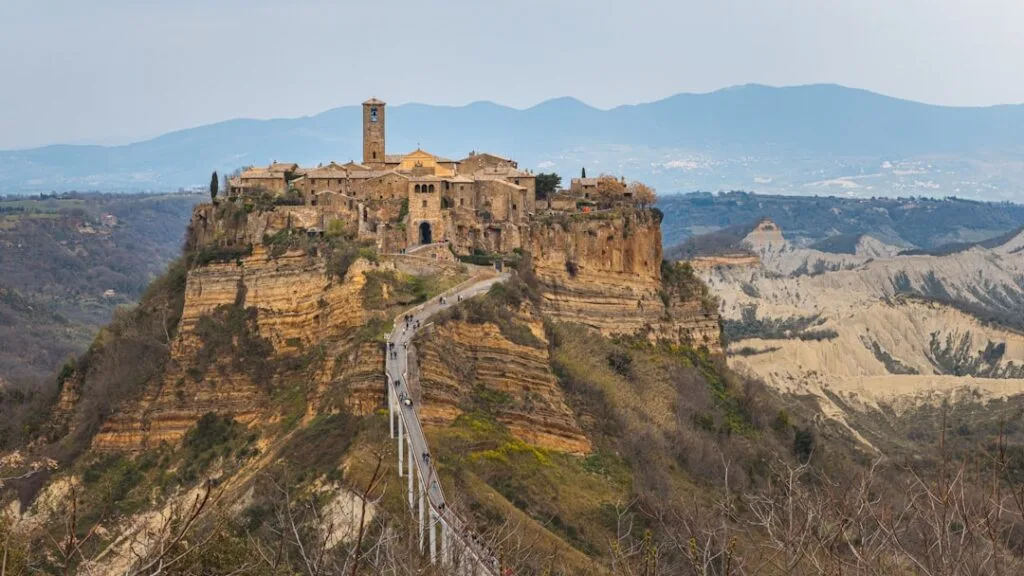
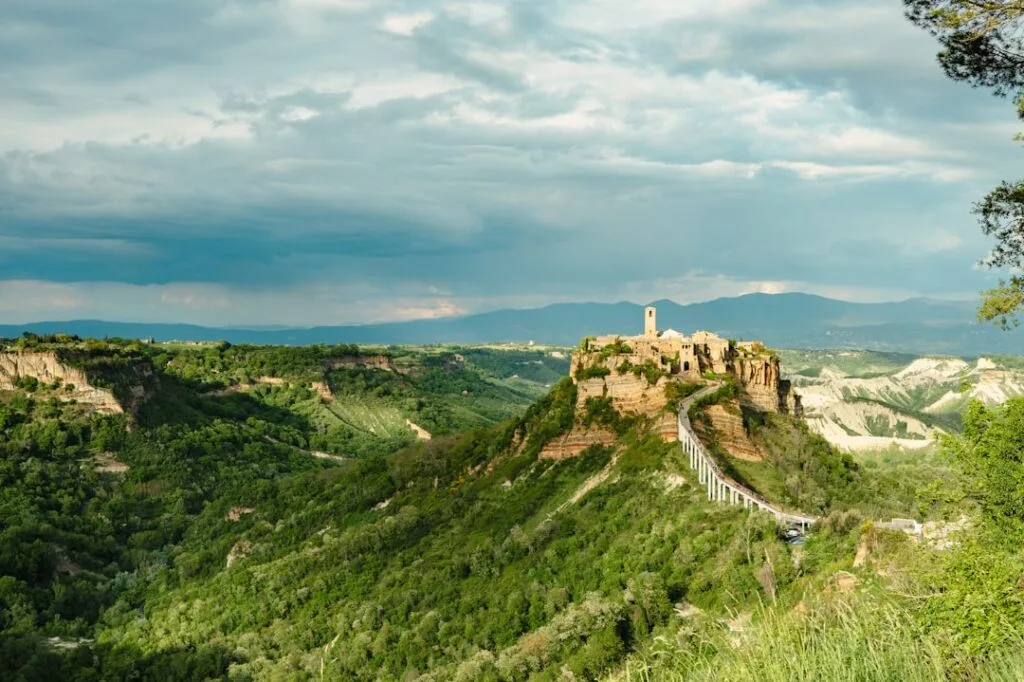
Why go: Perched atop a tuff hill and connected by a pedestrian bridge, Civita di Bagnoregio is one of the most photogenic and timeless villages near Rome. Its atmosphere feels removed from time — ideal for a peaceful day of exploration.
Address and info:
- Civita di Bagnoregio — Centro Storico, 01022 Bagnoregio VT. Opening hours: the village is accessible daily but access to the belvedere and the village requires a small fee: entry approx €1.00–5.00 (seasonal). The pedestrian bridge may be temporarily closed for maintenance.
Immersive description: About 120 km northwest of Rome (driving ~1h45) or reachable by train + bus (train to Orvieto or Viterbo then local bus, longer journey), Civita emerges after a short walk across the suspended bridge. Narrow lanes, stone houses and deep valley views create a nearly lunar landscape. Visit the small church of San Donato and take photos in morning or late-afternoon light for the best results.
Local tips: driving includes parking at the modern entrance; in high season arrive early to avoid tourist buses. Respect the village’s quiet — few shops and higher tourist prices are common. For a more authentic lunch, choose trattorias near the parking area rather than the village core.
Conclusion
Rome is an ideal base for exploring an astonishing range of day-trip destinations. From Tivoli’s refined gardens to Pompeii’s deep ruins and the coastal panoramas of the Amalfi Coast, each excursion in this Top 10 offers a distinct, memorable experience. This guide has given you exact addresses, indicative hours, prices in euros and practical tips — everything you need to plan efficient and rewarding days from the capital.
When planning your trips, keep a few practical rules in mind: book ahead when possible (museums, high-speed trains, ferries), start early to maximize on-site time, prefer skip-the-line tickets for busy attractions, and pack appropriately (comfortable shoes, weather-appropriate clothing, water bottle). For volcanic or very sunny destinations (Vesuvius, Amalfi Coast), bring sun protection and suitable footwear. In summer anticipate heat and limited opening hours; in low season check transport and service availability.
Finally, favor local immersion: taste regional specialties (Neapolitan pizza in Naples, limoncello in Sorrento, pici in Siena), chat with artisans and guides, and let yourself be surprised by the little streets and viewpoints that curious travelers discover. These ten day trips balance art, history, nature and gastronomy — great reasons to extend your stay in Rome or to enrich your Italian itinerary if you’re just beginning your discovery.