





Introduction: wandering and feasting in Rome without meat
Rome is a city where food is enjoyed on the go as much as at the table. Between cobbled alleys, historic markets and bustling squares, the Eternal City offers a surprising range of street specialties that can all be vegetarian — sometimes by tradition, sometimes thanks to artisans’ creativity. If you think Rome is only about pasta, porchetta and cold cuts, get ready to be surprised: crisp focacce, creamy supplì, golden carciofi alla giudia, comforting trapizzini, artistic pizza al taglio and overflowing markets make up a generous and accessible mix.
In this article I’ll take you to the best spots for vegetarian street food in Rome: where to find them, what they cost, the hours to expect, and how to eat like a local. I’ll give exact addresses, typical opening hours (check locally as they can change by season), price ranges in euros and practical tips — from smart queuing to gluten-free alternatives. Whether you’re a committed vegetarian, a curious foodie or a traveler in a hurry, you’ll find concrete ideas and itineraries to put together on-the-go meals that respect your dietary choices without sacrificing flavor.
Rome is also a city of markets, small family bakeries and neighborhood canteens: each of them offers its take on a vegetarian snack, often inspired by local products — Roman artichokes, grilled vegetables, buffalo mozzarella, pecorino, pesto, local olive oil, sun-dried tomatoes. The city’s Jewish and peasant food traditions have left recipes that are naturally vegetarian or easily adaptable. Strolling from the Ghetto to Trastevere, via Prati and Testaccio, you’ll learn to spot the must-visit places and to read Italian menus to find meat-free options.
This article includes detailed sections on: pizza al taglio and focaccia, supplì and other vegetarian Italian croquettes, carciofi alla giudia and Jewish Roman specialties adapted for vegetarians, the trapizzino and inventive street sandwiches, as well as covered markets like Mercato Centrale and Mercato Testaccio that gather the best vegetarian offers. At the end of each section I’ll give practical tips — how to avoid crowds, flavor combinations to try, and alternatives for those intolerant to lactose or gluten. Enjoy and bon voyage: Rome is best savored standing up, with a gelato or a focaccia in hand.
 Click here to discover the Vatican Museums and the Sistine Chapel
Pizza al taglio and focaccia: the art of the cut slice
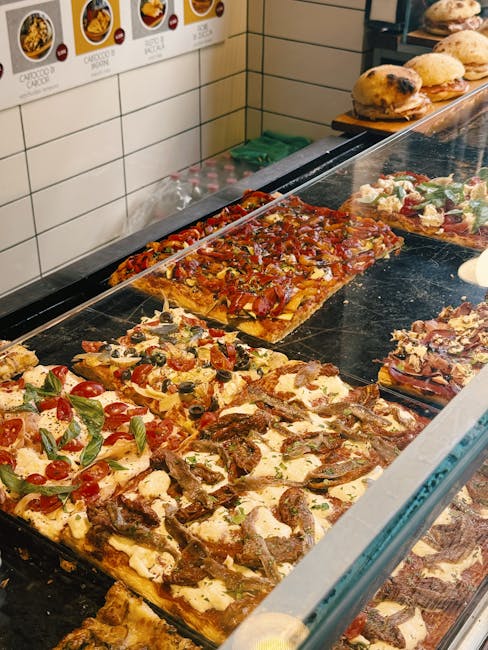
Pizza al taglio — literally “pizza by the cut” or “by weight” — is a cornerstone of Roman street food and lends itself beautifully to 100% vegetarian variations. The must-visit spots feature slow-fermented doughs, electric or wood ovens and creative seasonal toppings.
Pizzarium Bonci (Via della Meloria 43, 00136 Roma) is arguably the most famous. Gabriele Bonci is known for tall, highly hydrated doughs and inventive topping combinations. Indicative prices: a slice between €3.50 and €5.00 depending on the topping; a large tray for sharing often around €10–€15. Typical hours: 11:00 – 22:00 (sometimes closes earlier on Sundays). Expect a queue at peak times, but turnover is quick.
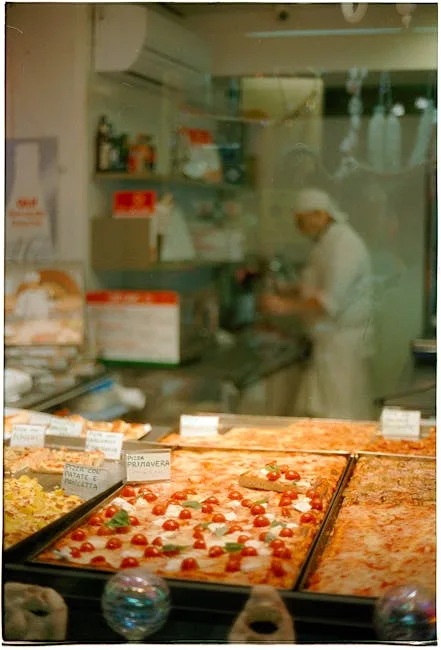
Just a short walk away, Forno Campo de’ Fiori (Piazza Campo de’ Fiori 22, 00186 Roma) is a historic bakery where pizza bianca, schiacciata and margherita slices sell early in the morning. Prices: simple pizza bianca €1.50 – €3.00 depending on size; pizza al taglio slice €2.00 – €4.00. Hours: 7:00 – 20:00, ideal for a savory breakfast or a snack. Tip: buy it while still warm and drizzle with extra virgin olive oil and a pinch of flaky salt for simple bliss.
Practical tips: to get the most out of it, choose a slice with grilled vegetables (eggplant, zucchini, peppers) or an authentic margherita if you prefer classic flavors. If you’re gluten-intolerant, look for shops that explicitly mention gluten-free dough — some pizza al taglio places in Rome now offer alternatives. Some vendors accept only cash: carry small change and be ready to eat standing up or take your slice to the nearest piazza.
Supplì, crocchette and fritters: crispy traditional flavors
Supplì is the king of Roman street food. Traditionally filled with ragù and mozzarella, there are many vegetarian takes — cacio e pepe with mozzarella or ricotta, pesto, mushrooms, spinach and béchamel, and even vegan cheese versions. A supplì is a breaded and fried rice ball, usually eaten hot while walking.
Supplizio (Via dei Banchi Vecchi 143, 00186 Roma) made its name with modern supplì and creative variations. Price: a classic supplì around €2.50 – €3.50, more elaborate versions €3.50 – €5.00. Hours: generally 11:30 – 23:00. The place often offers vegetarian options like cacio e pepe or artichoke supplì depending on the season.
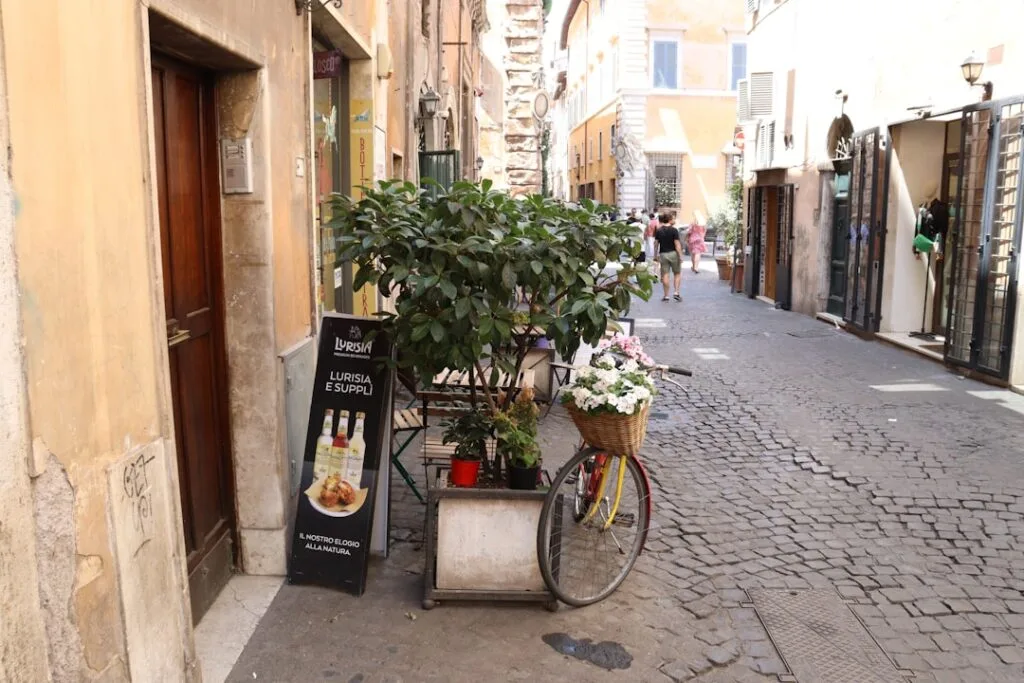
Other crispy snacks: crocchette di patate (potato croquettes) and panelle (chickpea flour patties, typical of Sicily but sometimes found in Rome) pair perfectly with a salad or pickles for a complete snack. At markets like Mercato Centrale Roma (Via Giovanni Giolitti 36, 00185 Roma), several stalls offer vegetarian and vegan versions of these classics. Price range at Mercato Centrale: individual snack €3 – €6. Hours: 9:00 – 23:00.
Practical tips: eat the supplì straight out of the fryer to enjoy the crispy exterior and the gooey center. Watch out for burns! If you’re traveling with children or people with dietary restrictions, always ask about ingredients (béchamel, eggs in the batter). Many places now list allergens; if not, ask directly in Italian (« Senza carne? » or « Quali ingredienti? »).
Carciofi alla giudia and other Jewish Roman vegetarian specialties
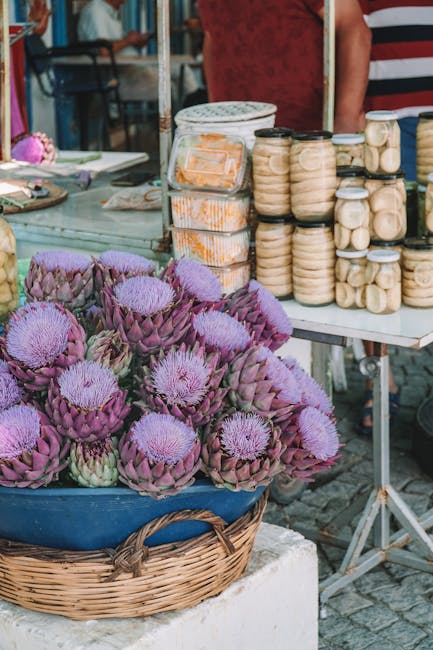
Rome’s Jewish Ghetto is a culinary microcosm with some of the city’s most authentic vegetarian specialties, starting with the famous carciofo alla giudia — the Roman fried artichoke: crispy, tender and lightly salted. Jewish Roman recipes, shaped by religious and seasonal constraints, produced simple, flavorful and often vegetarian dishes.
Nonna Betta (Via del Portico d’Ottavia 16, 00186 Roma) is a historic Ghetto restaurant showcasing Jewish Roman recipes. Here you’ll find handmade carciofi alla giudia. Price: starter or portion of artichokes between €8.00 and €12.00. Hours: generally 12:30 – 15:30 and 19:00 – 23:00 (times may vary). For a purely street-style snack, several stalls and restaurants around the Ghetto sell fried artichokes by the portion — perfect for tasting on the go.
Click here to explore Rome’s papal basilicas

Other neighborhood specialties: pinse romane (similar to pizza but easier to digest), marinated vegetables and seasonal fritters (zucchini, eggplant). The Ghetto is also the place to find bakeries and caterers offering vegetarian platters of sautéed vegetables, ricotta polpette and traditional desserts.
Practical tips: visit the Ghetto early in the evening to avoid the tourist rush that builds after 19:00. If you want a portion of carciofi to take away, ask for « una porzione da passeggio » and eat it without delay. The neighborhood is pedestrian-friendly and perfect for a break in shaded alleys. Also, if you follow a strictly vegan diet, check whether the artichokes are fried in oil shared with meat products.
Trapizzino, panini and creative sandwiches: street food reimagined
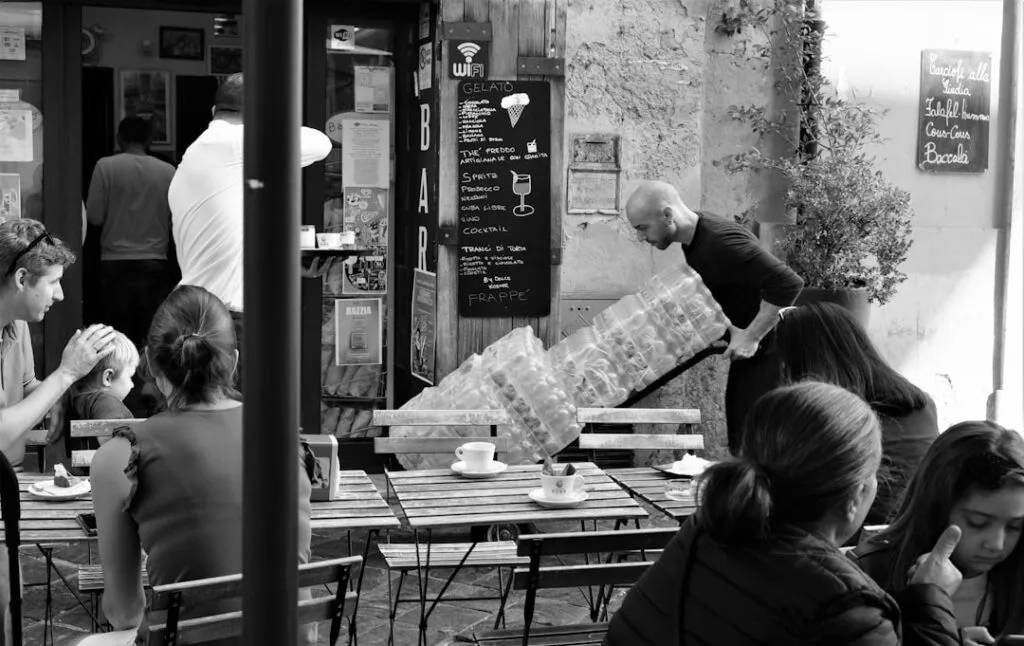
The trapizzino is a modern Roman invention — a pocket of pizza-bread created by Stefano Callegari — filled with traditional fillings. The vegetarian versions can be outstanding: slow-cooked vegetables, cacio e pepe with ricotta, Roman-style ratatouille, eggplant alla parmigiana and more.
Trapizzino – Piazza Trilussa (Piazza Trilussa, Trastevere, 00153 Roma) is one of the iconic outlets in the heart of Trastevere. Price: vegetarian trapizzino €4.50 – €6.50 depending on the filling; snack combos often around €8 – €12. Typical hours: 11:30 – 23:00. Other Trapizzino locations are scattered around the city, including near Termini station.
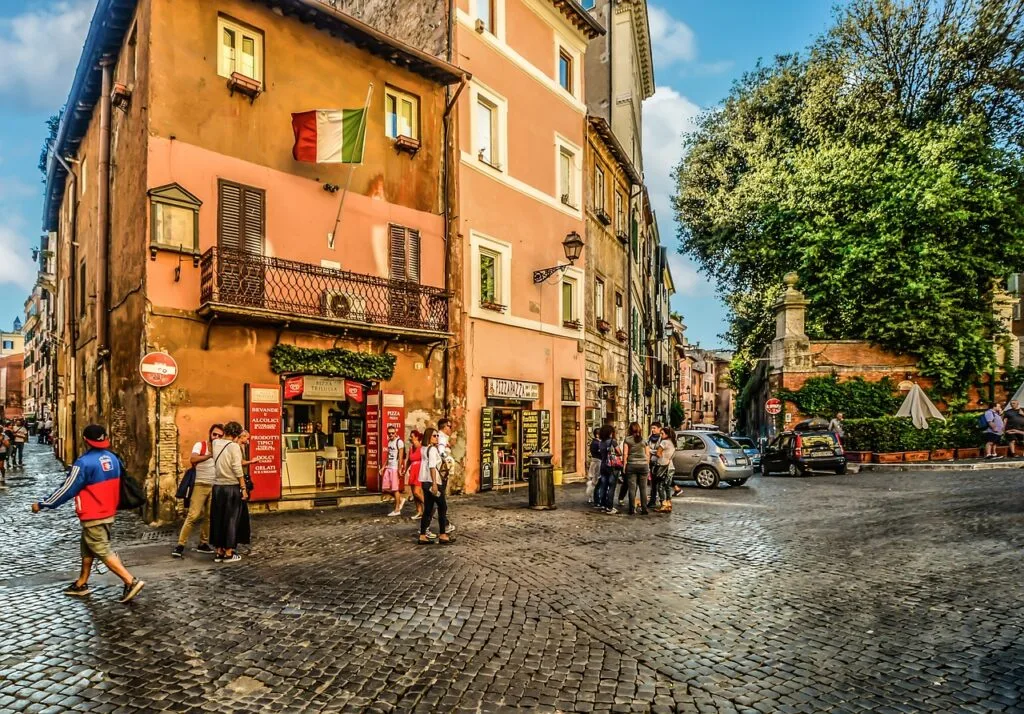
Traditional panini and sandwiches hold their own too. Many panini bars offer 100% vegetable options like grilled artichoke and stracciatella panino, or a sandwich with peppers, eggplant and pesto. Look for local spots rather than chains: good bread and fresh ingredients make all the difference.
Practical tips: for a mobile meal, pair a trapizzino with a cold drink (sparkling water or a limonata) and a small salad. If you’re in Trastevere, head up to Piazza Santa Maria to sit on the steps — a much-loved Roman tradition. Check whether the bread contains milk or butter if you’re strictly vegan; ask « Senza latticini? » to be sure.

Markets: Mercato Centrale and Mercato Testaccio, vegetarian hotspots
Covered markets are condensed street food hubs, and some stalls are entirely dedicated to vegetarian and vegan options. They’re perfect for assembling a varied lunch: a slice of pizza, a vegetarian supplì, a fresh salad and an artisan dessert.
Mercato Centrale Roma (Via Giovanni Giolitti 36, 00185 Roma) brings together many artisans and chefs offering daily dishes, fresh pasta, pizzas, falafels and innovative vegetarian plates. Prices: dishes between €6 and €12, snacks €3 – €7. Hours: 9:00 – 23:00, great for a wide choice at almost any hour.
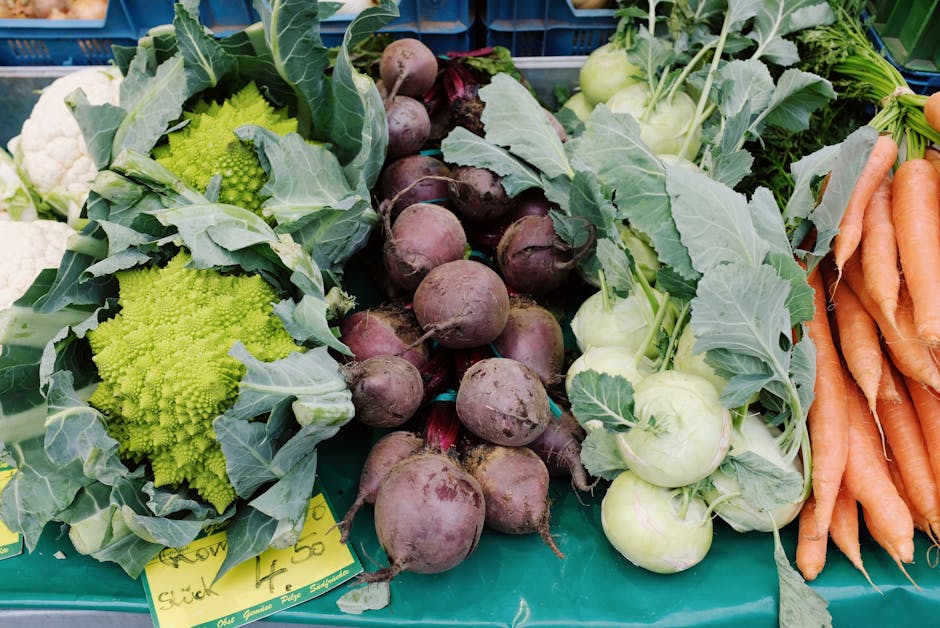
Mercato Testaccio (Via Galvani, 00153 Roma) is also an excellent choice for local products and sandwiches. It generally opens in the morning and closes early afternoon (8:00 – 14:00), though some stalls stay open later. Testaccio is known for meats, but it also hides artisans offering grilled vegetables, vegetarian arancini and local cheeses.
Practical tips: go when the markets open to get the widest selection and avoid tourist crowds. Markets are ideal for creating your own tasting menu — mix portions to try a bit of everything. If you travel in low season, check opening days as some markets have reduced hours or weekly closures.
Practical tips for enjoying vegetarian street food in Rome
Here are practical tips drawn from local experience to help you make the most of Rome’s vegetarian street specialties:
- Learn a few key phrases: « Sono vegetariano/a » (I’m vegetarian), « Senza carne » (without meat), « Senza latticini » (dairy-free) or « Senza glutine » (gluten-free). Vendors will appreciate the clarity.
- Timing and crowds: lunch and early evening (19:00–21:00) are peak times; favor 11:00–13:00 or 15:00–18:00 to avoid queues.
- Small change and payment: many stalls accept cards but not all. Carry cash for small portions (often between €2 and €6).
- Eating on the spot: Rome encourages standing-eating — many places have no seats. Bring a napkin and wet wipes: street food can be messy.
- Vegan options and allergens: always ask about ingredients if you have allergies. More and more places list vegan options.
- Respect local hours: shops and stalls may close in the afternoon (riposo) or have reduced hours on Sundays.
Quick reference addresses to keep on hand
- Pizzarium Bonci — Via della Meloria 43, 00136 Roma. Price: €3.50–€5 per slice. Hours: 11:00–22:00.
- Forno Campo de’ Fiori — Piazza Campo de’ Fiori 22, 00186 Roma. Price: €1.50–€3 for pizza bianca or a slice. Hours: 7:00–20:00.
- Supplizio — Via dei Banchi Vecchi 143, 00186 Roma. Price: €2.50–€5 for a creative supplì. Hours: 11:30–23:00.
- Nonna Betta — Via del Portico d’Ottavia 16, 00186 Roma (Ghetto). Artichoke price: €8–€12. Hours: 12:30–15:30 / 19:00–23:00.
- Trapizzino (Trastevere) — Piazza Trilussa, 00153 Roma. Price: €4.50–€6.50. Hours: 11:30–23:00.
- Mercato Centrale Roma — Via Giovanni Giolitti 36, 00185 Roma. Price: dishes €6–€12. Hours: 9:00–23:00.
- Mercato Testaccio — Via Galvani, 00153 Roma. Hours: often 8:00–14:00 (check locally).
Conclusion: savoring Rome, one vegetarian bite at a time
Rome isn’t just a destination for meat lovers and charcuterie fans: it’s a city where vegetarian street food thrives, rooted in ancient traditions and contemporary creativity. Between the finesse of a carciofo alla giudia, the comfort of a piping hot supplì, the generosity of a pizza al taglio slice and the inventiveness of a vegetable trapizzino, you’ll find a reason to smile and share on every corner. Covered markets and small artisans let you build varied, balanced meals without losing Roman authenticity.
As you wander from the Ghetto to Trastevere, from the Vatican area to Testaccio, keep the practical tips in mind: favor off-peak hours, carry change, ask clear questions about ingredients and enjoy the setting — Rome is often best eaten standing in the sun, sitting on a low wall or blending into the crowd. The spots mentioned — Pizzarium Bonci, Forno Campo de’ Fiori, Supplizio, Nonna Betta, Trapizzino and the central markets — are great starting points for a delicious exploration.
Click here to book tickets for the Vatican Museums and Sistine Chapel
Finally, don’t forget that part of the fun is the unexpected: be drawn in by a tiny storefront, a smiling vendor or a local specialty you didn’t plan on trying. Take the time to watch, smell and taste — Rome will reward you with simple yet deep flavors, often accompanied by a story with each bite. Enjoy your meal and happy strolling!