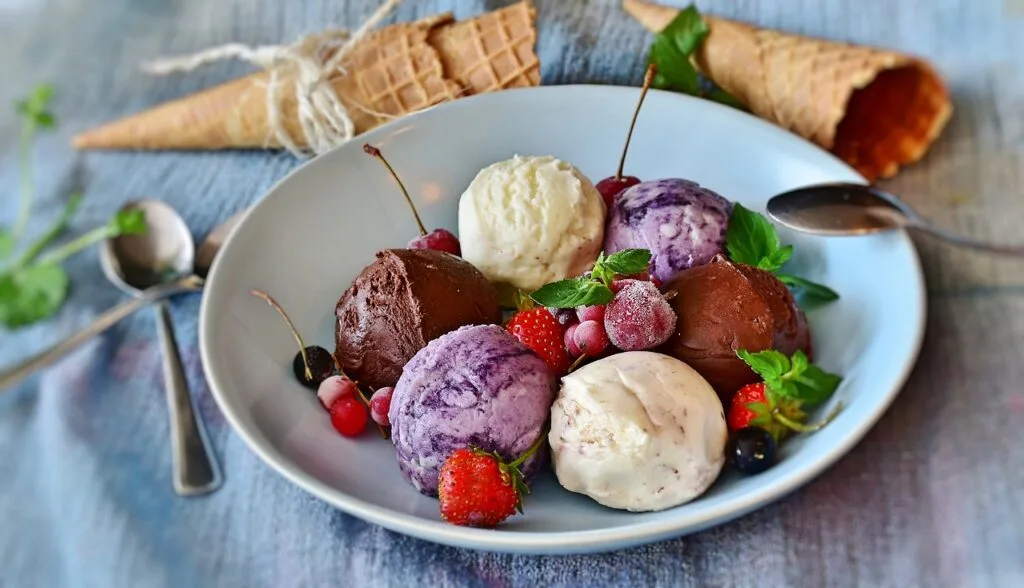






Introduction: Gelato, a Roman Promise
Rome isn’t just an open-air museum where every stone has a story; it’s also a playground of flavors, where a day is often defined by a scoop of gelato in one hand and a map or smartphone in the other. Asking “where to find real artisanal gelato in Rome?” is embarking on a quest that blends heritage, craftsmanship and instant pleasure. Artisanal gelato isn’t just a sweet treat: it’s made from local ingredients, recipes passed down through generations, a strict attention to seasonality, and a technique — less air, less fat, more flavor — that sets it apart from mass-produced ice cream.
In this article I’ll walk you through the winding streets and iconic squares of Rome to uncover shops where the gelato is genuinely handcrafted. You’ll find exact addresses, opening hours, indicative price ranges in euros, and immersive descriptions to help you pick the right place based on your route: near the Pantheon, strolling toward Piazza Navona, around the Vatican, or down into Trastevere. I’ll also share practical tips — how to read flavor labels, how to avoid tourist traps (neon-colored glazes, reheated flavors), and how to enjoy your gelato like a Roman.
Locals and visitors quickly spot the difference between « gelaterie artigianali » and industrial chains: the former typically keep covered tubs, show natural colors, and often have a counter where preparation happens in view. They use fresh milk, seasonal fruit, quality pistachios, fine cocoa, and sometimes typically Italian ingredients like mascarpone, paccasotto or local honey. This guide selects places renowned for authenticity and consistency, each with its own style: some stick to the purest tradition, others explore contemporary or gluten-free flavors.
Before we dive in, one essential practical tip: favor shops where flavors are clearly labeled (e.g., “crema di mascarpone”, “pistacchio siciliano”, “limone di Sorrento”). Avoid tubs with bright artificial colors (candy-pink, neon green) and displays that look like plastic sculptures — those are often signs of industrial additives. Taste before you pay if they offer it; ask for “un assaggio” (a sample). Also carry some small change: many gelaterias accept cards, but a few still prefer cash for small purchases.

Follow me through Rome’s most indulgent neighborhoods: from the Pantheon to Trastevere, via the Vatican and Via del Corso. Each address here includes its location, opening hours, price ranges and tips to spot genuine artisanal gelato. Buon appetito!
Gelateria Giolitti — A Historic Classic near the Pantheon
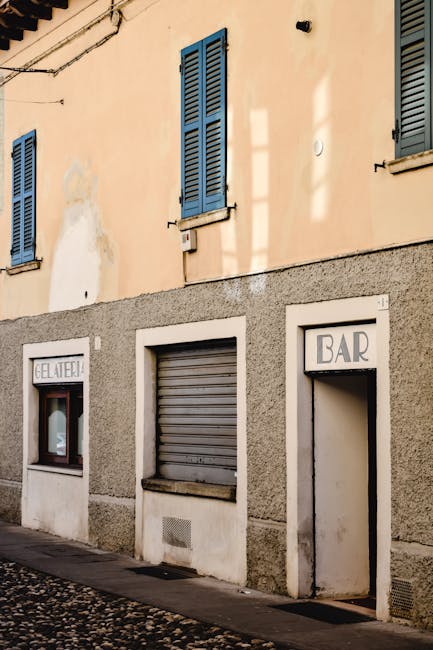
Located in the heart of the historic center, Giolitti is often the first name people think of when talking about gelato in Rome. Founded in 1900, the shop has stood the test of time while keeping a generous range of classic flavors. The space has an old-school atmosphere: marble counters, vintage display cases, and a clientele that swings between wide-eyed tourists and loyal Romans.
Address: Via degli Uffici del Vicario, 40, 00186 Roma RM
Opening hours: 07:30 – 01:00 (hours vary by season)
Indicative prices: small cup/cone (1 flavor) €2.50 – double €3.50 – special sundae €6.50 – espresso + gelato (affogato) €3.50.
Giolitti’s strength is its classic selection — crema, cioccolato extra, nocciola — and the quality of its ingredients: fresh milk, house creams and carefully selected fruit. Portions are generous; expect queues especially in the late afternoon and evening. Service can feel rushed, but you’ll almost always leave with a well-stuffed cone. The décor leans traditional, sometimes a touch over-the-top, but that’s part of the shop’s historic charm.
Practical tips: if you’re near the Pantheon or the Trevi Fountain, visit Giolitti early or late in the day to avoid crowds. If you want a specific flavor (pistachio, a special stracciatella), ask for an « assaggio » before you choose. For a quieter moment, grab your gelato and sit on the steps of Via delle Coppelle or Largo di Torre Argentina, a few minutes’ walk away.
 Click here to Book your Pantheon entry ticket
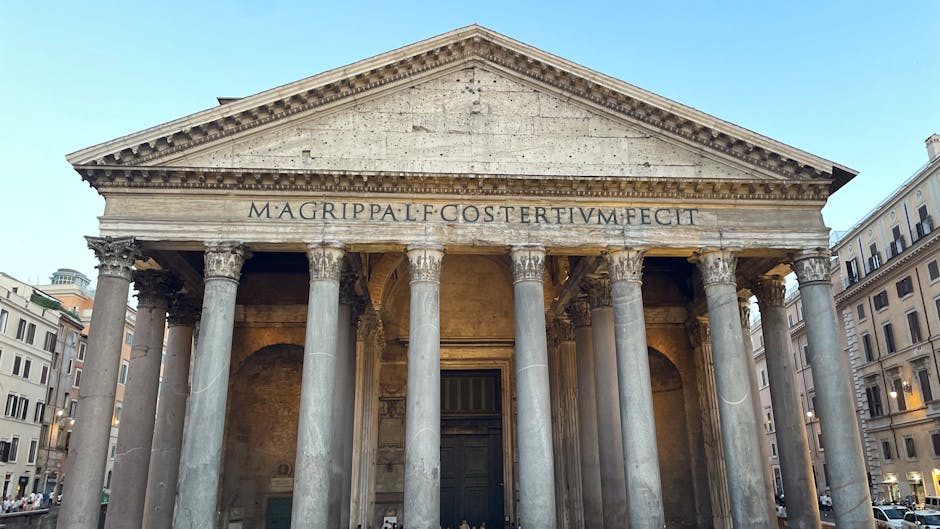
Gelateria del Teatro — Creative Flavors and Fine Ingredients on the Lungotevere
On the Tiber’s banks, not far from Piazza Navona, Gelateria del Teatro blends aesthetics with culinary creativity. The discreet façade hides a kitchen where sorbets and creams are crafted from top-quality ingredients: Sicilian citrus, fresh herbs, artisanal chocolate.
Address: Via dei Coronari, 65-66, 00186 Roma RM (near Piazza Navona).
Opening hours: 11:00 – 23:00 (may vary seasonally, often open later in summer).
Indicative prices: single €2.80 – double €4.00 – tasting cup (3 flavors) €5.50.
Gelateria del Teatro’s strength is balanced originality: flavors like rosemary lemon, fig and ricotta, or the famed cioccolato fondente 75% show real chef-level work. Presentations are refined, often topped with edible garnishes (candied orange zest, house-made feuilletine). The chic Roman neighborhood makes tasting there especially pleasant; there are benches and small squares nearby where you can enjoy your gelato while watching Roman life unfold.
Practical tips: if you love adventurous pairings, ask the staff for recommendations — they can suggest bold matches (e.g., basil + limone). Avoid rainy days if you want to enjoy the Lungotevere; if it’s busy, grab your order to go and stroll toward Ponte Sant’Angelo.
Click here to Book skip-the-line Castel Sant’Angelo guided tour
Gelateria La Romana and Come il Latte — Creamy Tradition with Modern Presentation
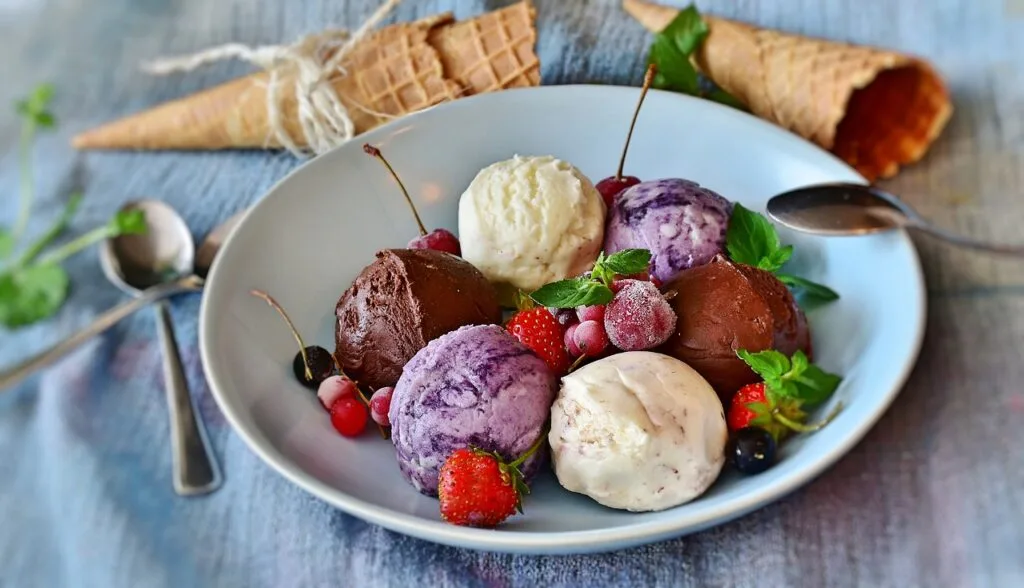
Two popular brands mix tradition and modernity: La Romana (a regional chain) and Come il Latte (newer, famed for its creams). They’re great if you’re after a particularly silky texture and a picture-perfect presentation.
La Romana has several locations; one of the most convenient is Via Venti Settembre, 60, 00187 Roma RM (close to Termini station). Typical hours: 10:00 – 24:00. Prices: single €2.50 – double €3.70 – special sundae €6.00. The brand stands out for its creamy bases and the use of biscuit baskets or house sauces to accompany scoops.
Come il Latte, at Via Silvio Spaventa, 24 (00187 Roma RM, near Repubblica/Termini), is famous for its technique of cooking the cream in the display (you can sometimes see the cream spinning). Hours: 10:00 – 23:00 (seasonal variations). Prices: single €2.80 – double €4.20 – specialties €5.50. Flavors are rich: mascarpone, crema al caramello, intense cioccolato al latte.
Both deliver consistent quality and pay attention to visuals — perfect for photos. La Romana alternates classic flavors with local creations (amaretti, sheep’s ricotta), while Come il Latte emphasizes milky richness and house toppings (chocolate chips, crumble, caramel sauce).
Practical tips: if you’re traveling with kids, these places often offer kid-sized portions and can accommodate group bookings in some locations. For a more local experience, walk 5–10 minutes away from main tourist arteries before you sit down — prices sometimes drop slightly and the atmosphere becomes more relaxed.
Fatamorgana and Gelateria dei Gracchi — Artisanal Flavors with Nutritional Care
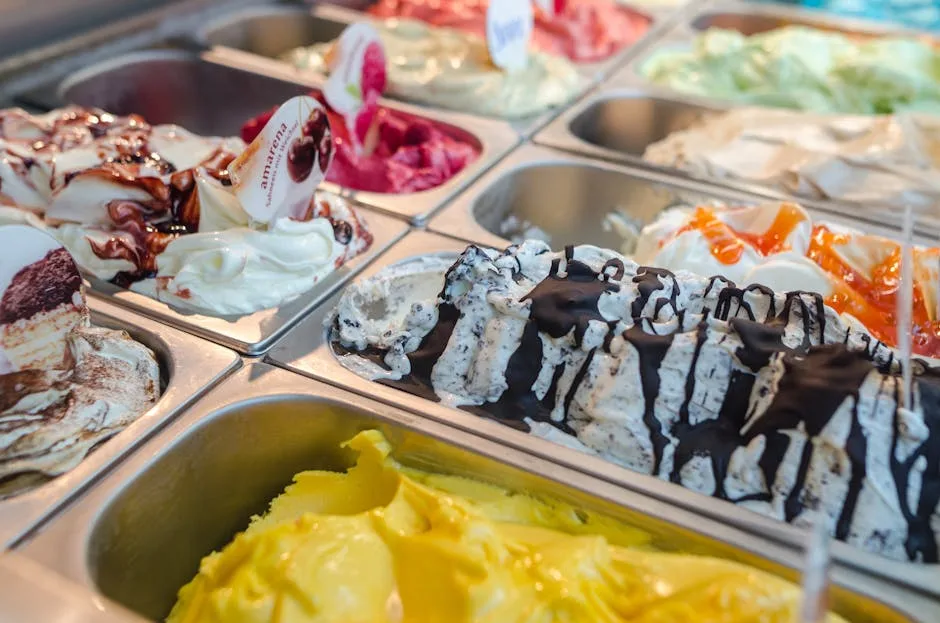
If you’re after original options, sometimes vegan or gluten-free, Fatamorgana and Gelateria dei Gracchi are two must-know spots. They emphasize raw ingredient quality and offer alternatives for specific dietary needs.
Fatamorgana has several shops; a central location is Via Lago di Lesina, 9 (Monti / near San Lorenzo depending on exact location; check locally), usually open 12:00 – 23:30. Prices: single €3.00 – double €4.50. This gelateria is famous for 100% fruit sorbets (think blood orange and pear & gorgonzola) and milk-free flavors made from natural ingredients.
Gelateria dei Gracchi, at Via dei Gracchi, 272, 00192 Roma RM (near the Vatican), is renowned for its controlled-origin pistachio and perfectly balanced classic flavors. Hours: 12:00 – 22:30 (seasonal). Prices: single €2.80 – double €4.00. Their secret is high-quality milk and mastery of sugar and texture, yielding a fine, low-fat cream.
Both shops often work with local producers: Piedmont hazelnuts, Bronte pistachios, Sorrento lemons. If you’re vegan, explicitly ask for water-based flavors (sorbets) and check for cross-contamination if you have severe allergies.
Practical tips: choose sorbets during the hottest hours for maximum freshness. If you’re thinking of taking gelato home, know that most places won’t pack large quantities for travel; it’s better to enjoy it there or buy sealed tubs some shops offer for take-away.
Click here to Book Vatican Museums and Sistine Chapel tickets

Il Gelato di San Crispino — Method, Sobriety and Quality around the Trevi Fountain
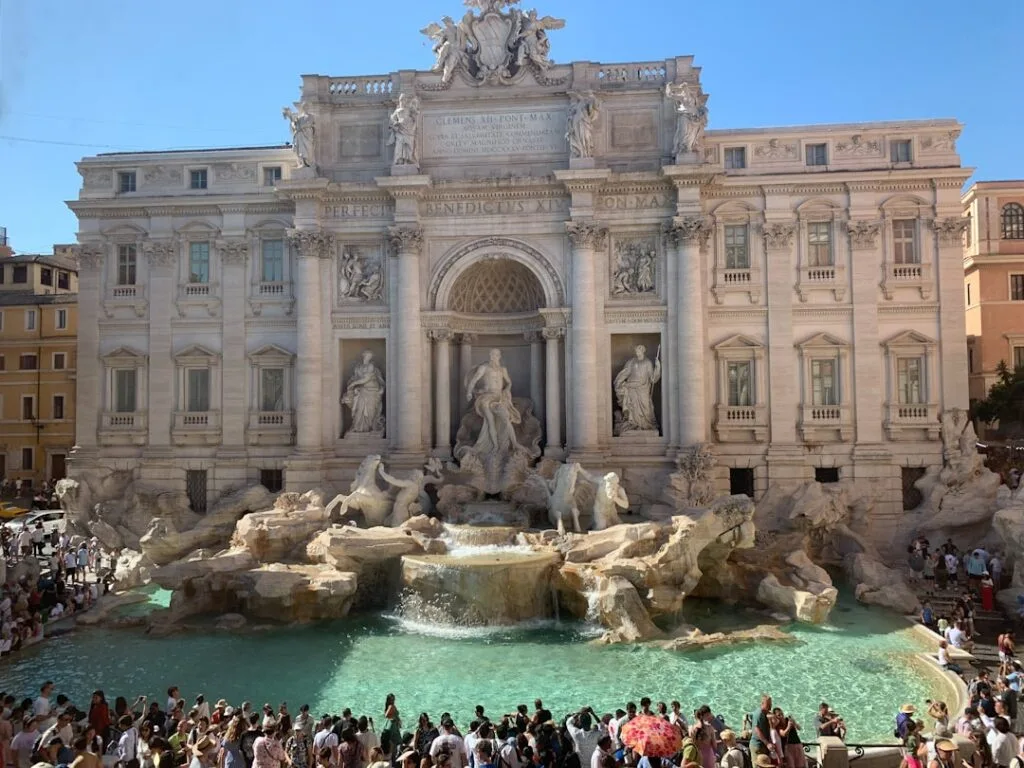
Just steps from the Trevi Fountain, Il Gelato di San Crispino has built a reputation for a minimalist, quality-focused approach. Here you won’t find flashy décor: the focus is on ingredient quality and technique. Flavors are precisely labeled and portions are served without fuss, often in a simple cone.
Address: Via della Panetteria, 42, 00187 Roma RM (near the Trevi Fountain).
Opening hours: 11:00 – 23:00 (seasonal).
Prices: single €3.00 – double €4.20 – specialty €5.50.
San Crispino is known for not masking flavors: lemon is pleasantly tart, honey stays delicate, chocolate is intense without being over-sweetened. Purists will appreciate the transparency about ingredients and the absence of over-the-top decorations. The place is compact and often busy, but turnover is quick.
Practical tips: if you’re at the Trevi Fountain, grab your gelato and head up Via del Corso to escape the crowds. Ask about the daily flavors and try a small sample — the team generally allows an « assaggio. » For gourmets, try the « miele » (honey) flavor when it’s on the menu: it reveals the quality of the base ingredient.
Click here to Reserve Trevi Fountain access and photo session
Practical Tips to Recognize and Savor Real Artisanal Gelato in Rome
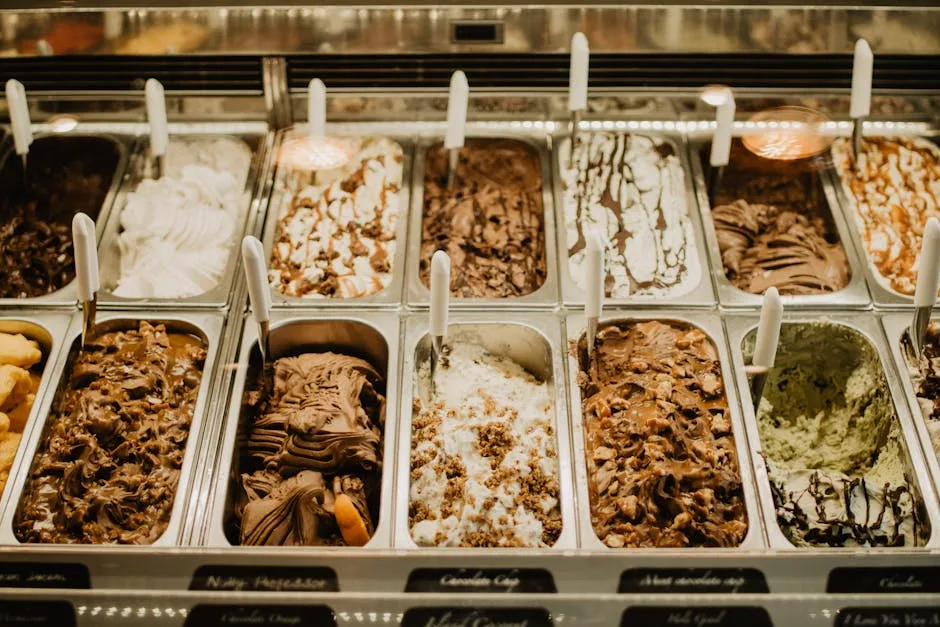
Spotting a good artisanal gelato takes a bit of observation and your nose. Here are concrete cues so you don’t get fooled by shiny but industrial displays.
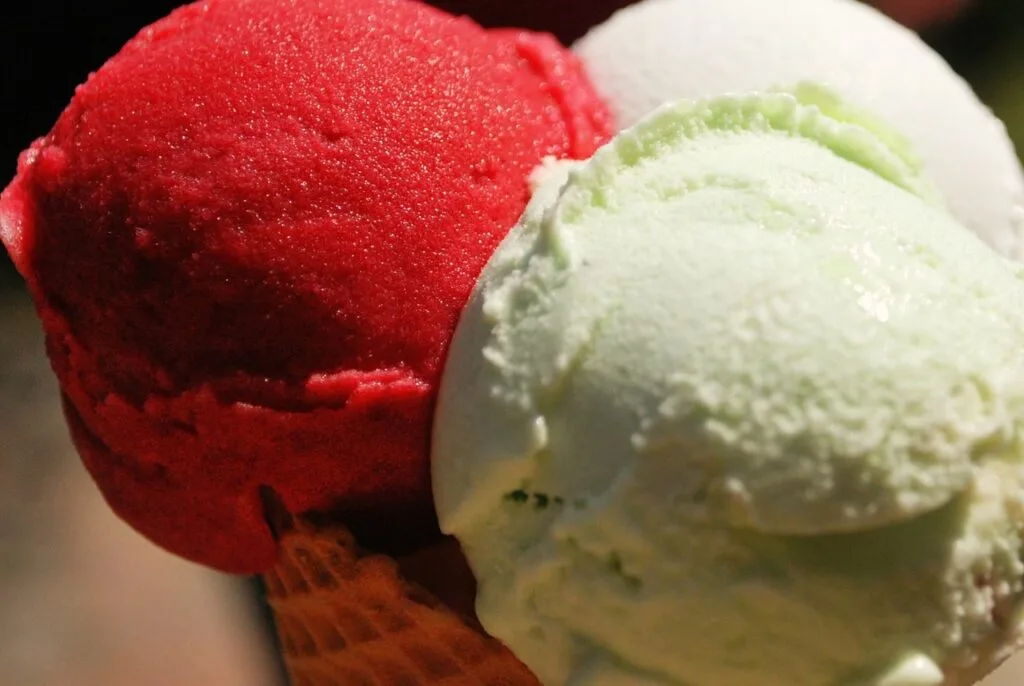
- Color: Prefer natural tones. A pale pistachio, deep raspberry red, a pale lemon — avoid neon green or candy-pink.
- Texture: Artisanal gelato is dense, creamy and slightly silky. It shouldn’t be frothy or airy. Overly aerated gelato often means more air and less flavor.
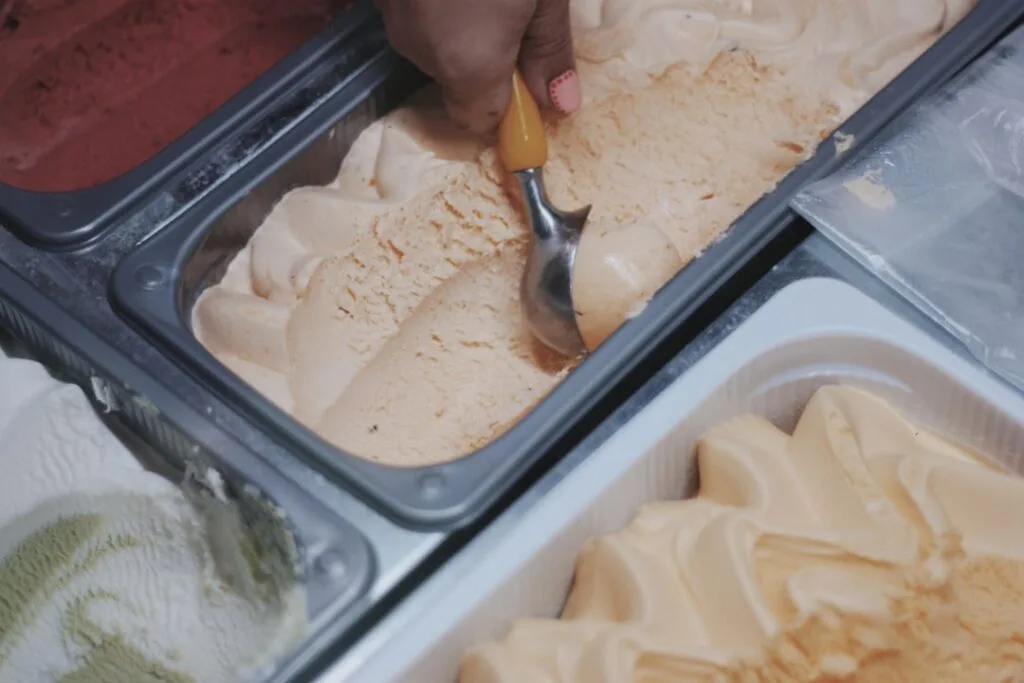
- Presentation: Covered tubs without exaggerated sculptures are a good sign. Natural garnishes (zest, fruit pieces, pistachio shards) are positive; excessive shiny sauces usually point to additives.
- Labeling: Read the labels: “latte fresco”, “panna”, “frutta di stagione”, “pistacchio di Bronte” are reassuring mentions.
- Ask for an assaggio: A sample lets you check the sugar/acid balance and the real texture.
- Watch the clientele: If locals frequent the place, that’s usually a good sign.
- Price: Quality gelato typically costs between €2.50 and €4.50 depending on size and location; be wary of suspiciously low prices for a full portion.
Other tips: eat your gelato relatively quickly but without rushing — flavors shift as it warms. For photos, shoot in soft light (late afternoon). Also think seasonally: lemon or peach sorbets are unbeatable in summer, while dark chocolate or hazelnut will warm you up in autumn and winter.
Click here to Book Colosseum, Forum and Palatine audio-guided tour
Conclusion: Between Tradition and Creativity, Real Gelato Is Worth Seeking Out
Hunting down real artisanal gelato in Rome means experiencing the city with your senses on high alert. This guide has highlighted must-visit names — Giolitti, Gelateria del Teatro, La Romana, Come il Latte, Fatamorgana, Gelateria dei Gracchi, Il Gelato di San Crispino — each with its own character. Some rely on a century-old tradition, others on experimentation or the finest local ingredients. What they share is respect for quality raw materials and the desire to deliver an authentic tasting experience.
Beyond the names and addresses, remember a few simple rules: favor natural colors, ask for an assaggio, read the labels, and avoid overly artificial presentations. With these cues, every sweet break becomes a true sensory moment. Rome has gelaterias for every taste and every budget: whether you want a classic scoop under the Colosseum sun or a bold combo by the Tiber, the city won’t disappoint.
Finally, a word on how to enjoy it: savor your gelato while wandering a cobbled street, sitting on a fountain edge, or waiting for evening light in a lively piazza. Gelato is also a way of living the city — slow, warm and communal. So next time you hear the word “gelateria,” let the scent of fresh milk, the sight of a modest display, and the line of regulars guide you; these are often the best clues that you’re about to taste something truly handcrafted. Buon viaggio and enjoy your gelato!