



INTRODUCTION
Rome is not just a city of monuments and history; it’s also a giant flavor laboratory where culinary traditions are handed down through generations. Strolling the cobblestone lanes of the Centro Storico, wandering Campo de’ Fiori at dawn, or sitting on a terrace in Trastevere is a sensory discovery where small plates and snacks — the aperitivo starters — tell the story of the Italian capital. Romans love sharing little bites before the main meal, and these nibbles reflect peasant influences, Jewish-Lazio traditions, and contemporary creativity that rival the best international cuisine.
In this piece I’ll take you on a ten-stop tour: ten typically Roman starters (or dishes deeply rooted in Rome’s tradition) you absolutely must taste on your visit. For each one I give specific addresses where to try them, opening hours, price ranges and practical tips to avoid tourist traps. You’ll find classics like supplì, artichokes alla romana and alla giudia, unmissable street specialties, delicate fried bites and generous crostini.
This guide is written for both hungry travelers with just one day in Rome and epicures planning a multi-day culinary itinerary. Note that prices and hours can shift slightly depending on season or holidays: always check official websites or call ahead before you go. Finally, assume you’ll want to share these starters Italian-style: order two or three dishes to the table, a glass of local wine (Frascati, etc.), and let the evening stretch out among friends.
Open your senses and your palate: follow me from Piazza Navona to the Ghetto, from the Tiber to Testaccio, in search of the little salty wonders that make Rome’s culinary reputation.

1) Supplì and Street Fried Snacks — Rome’s Essential Street Food
The supplì is probably the most iconic Roman aperitivo starter: a rice ball in tomato sauce, often stuffed with stringy mozzarella, breaded and fried. You’ll find them on almost every corner, from tiny friggitorie to market stalls. Their crisp exterior and gooey center make them the perfect snack before dinner or between sightseeing stops.
Where to try them
- Mercato Centrale Roma — Via Giovanni Giolitti 36, 00185 Roma. Street food stalls where several vendors offer supplì. Hours: open every day, 08:00–00:00. Price: around €3 to €5 per supplì depending on the filling.
- Pizzarium Bonci — Via della Meloria 43, 00136 Roma (near the Vatican). Not a classic supplì spot but their fried items and shareable portions are exceptional. Hours: 10:00–22:00 (sometimes closed Sunday evening). Price: slices and portions €3 to €7.
- Dar Poeta — Vicolo del Bologna 45, 00153 Roma (Trastevere). Known for pizza and homemade supplì. Hours: 12:00–15:00 and 19:00–23:30. Price: supplì about €3.50–€4.50.
Practical tip: don’t eat the supplì immediately after it comes out of the fryer unless you want to burn your tongue; let it rest 1–2 minutes. If you cut it open, admire the mozzarella that “pulls” — that stretchy cheese is a mark of quality. Prefer ones made to order over reheated versions: the breadcrumb coating should stay light and crispy. During peak times (12:30–14:30 and 19:00–21:30) queues are common, especially in Trastevere and near the Vatican — bring a little patience.
 Click here to book your Vatican Museums tickets
2) Carciofi alla Romana and Carciofi alla Giudia — Two Ways to Celebrate the Artichoke
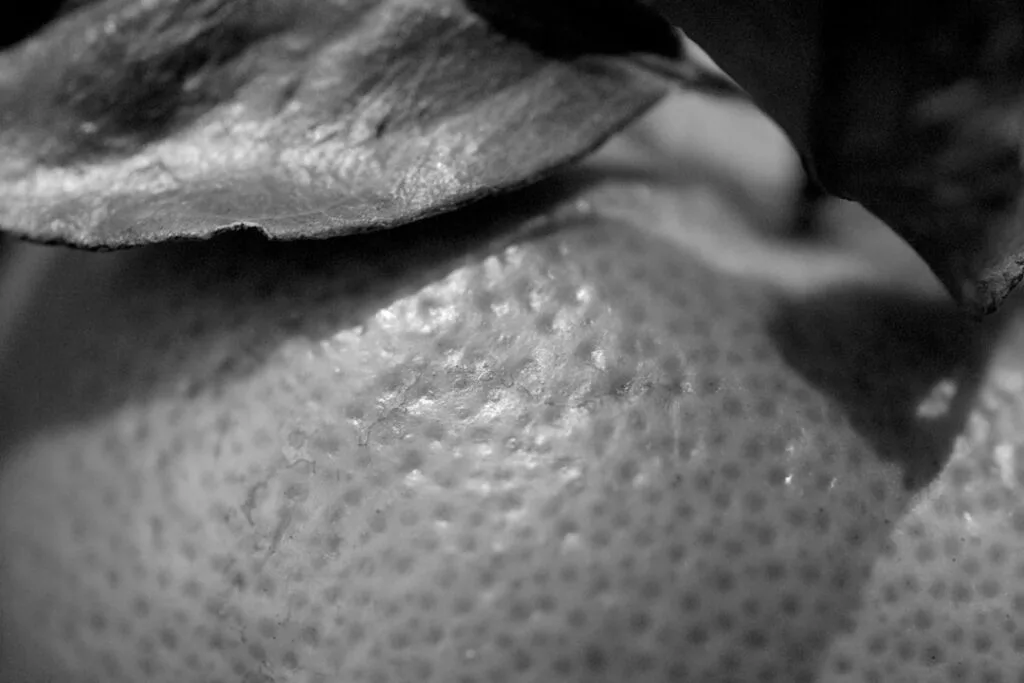
The artichoke is a Roman star, showcased in two emblematic preparations: carciofi alla romana (braised tender with herbs) and carciofi alla giudia (flattened and fried crisp), a legacy of Rome’s Jewish community. These dishes are highly seasonal: the best time is winter through spring (November to April), when Roman artichokes are at their peak.
Must-visit addresses
- Nonna Betta — Via del Portico d’Ottavia 16, 00186 Roma (Jewish Ghetto). Specializes in Roman-Jewish cuisine; their carciofi alla giudia are famous. Hours: 12:00–15:00 and 19:00–23:30. Price: carciofi around €8–€12 per portion.
- Da Giggetto al Portico d’Ottavia — Piazza Mattei 7, 00186 Roma. A Ghetto classic for artichokes and traditional dishes. Hours: 12:00–15:00 and 19:00–23:00 (sometimes closed Sunday midday). Price: portions €7–€13.
- Felice a Testaccio — Piazza di Santa Maria Liberatrice 44, 00153 Roma. A traditional Roman house in Testaccio serving excellent carciofi alla romana. Hours: 12:30–15:00 and 19:00–23:30. Price: starter €9–€14.
Immersive description: picture an artichoke opened like a flower, brushed with extra-virgin olive oil, stuffed with a mix of garlic, parsley and sometimes mint, then slow-roasted until tender — that’s the “alla romana” version. The “alla giudia” is spectacular: the leaves splay out, are fried, and the artichoke becomes a golden crispy bloom. The first is a delicate plate to savor, the second a salty treat made for sharing.
Local tip: go early in the season to enjoy top-quality artichokes. At the table, eat the fried version with your hands: pull off a leaf, scrape its tender portion with your teeth, then enjoy the heart. If you’re in the Ghetto, take a stroll after your meal to see the Portico d’Ottavia and the Great Synagogue of Rome — both within walking distance.
3) Bruschette, Crostini and Italian Toasts — Simplicity and Local Ingredients
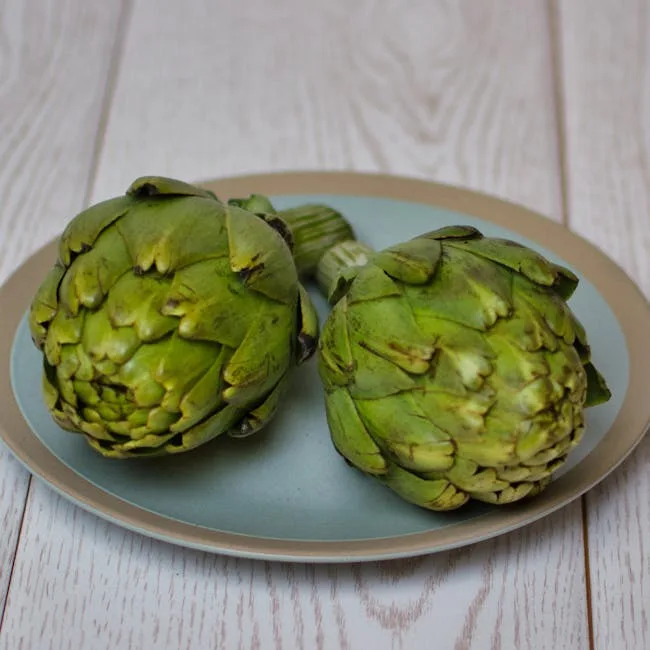
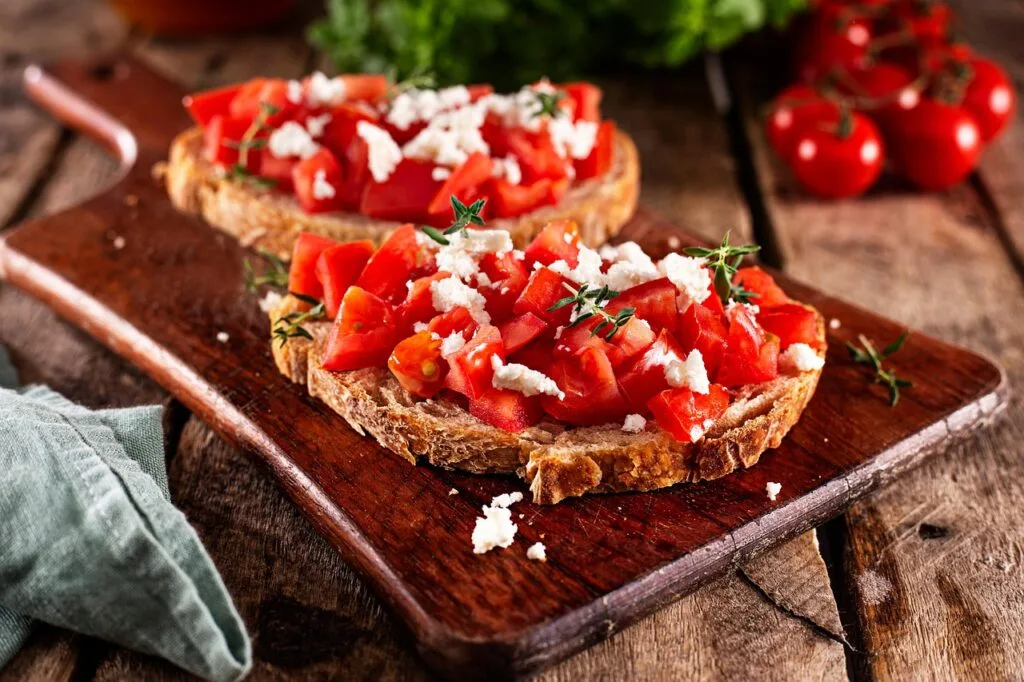
Bruschette and crostini are simple antipasti that reveal the quality of the ingredients. A slice of grilled bread, olive oil, a ripe tomato, a ribbon of basil, or a sardine butter: each bite tells the story of Lazio’s land and the skill of local producers. In Rome these small toasts can be rustic (country bread) or very creative (with sophisticated toppings).
Where to go and recommendations
- Antico Forno Roscioli — Via dei Chiavari 34, 00186 Roma. A bakery-delicatessen where you can enjoy excellent bruschette and local products. Hours: 07:30–20:00 (sometimes closed later). Price: bruschette €4–€8.
- Roscioli Salumeria Con Cucina — Via dei Giubbonari 21, 00186 Roma. The famous deli-restaurant known for its cured meats and toasts. Hours: 11:00–23:00. Price: platters and crostini €10–€20.
- Enoteca Ferrara — Piazza Trilussa 41, 00153 Roma (Trastevere). Ideal for high-end toasts with a glass of wine. Hours: 12:00–15:00 and 18:30–01:00. Price: crostini and small plates €6–€14.
Immersive description: the classic bruschetta often starts with grilled bread rubbed with garlic, drizzled with extra-virgin olive oil, topped with crushed tomatoes and basil. But Roman variations love lardo, anchovies, fresh ricotta and even wild mushrooms in autumn. The key is freshness: sweet tomato, fragrant oil, well-toasted bread. These antipasti pair beautifully with a light white wine or a young Frascati.
Practical tip: if you’re vegetarian or have restrictions, bruschette are easy to adapt — ask for no cheese or a vegetable topping. In busy places, ask for the “tagliere” (a board) if you want variety and to sample multiple small portions.
4) Salumi and Formaggi — Charcuterie and Cheese Boards
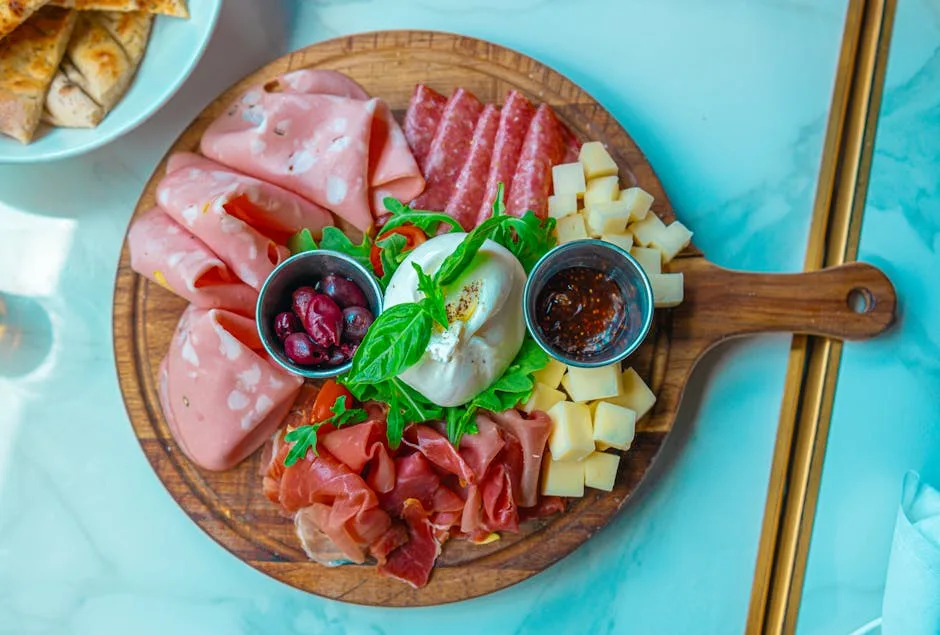
Salumi (cured meats) and formaggi (cheeses) make ideal shared antipasti. In Rome, local cured meats like prosciutto di Parma, coppa, sliced porchetta and guanciale (rare on boards but omnipresent in cooking) sit alongside a range of Italian cheeses: pecorino romano, ricotta salata and buffalo cheeses. They’re often served on a board with bread, jams, honey and olives.
Where to build the perfect board
- Roscioli Salumeria Con Cucina — Via dei Giubbonari 21, 00186 Roma. Generous signature boards. Hours: 11:00–23:00. Price: boards €15–€25 for two people.
- Volpetti — Via Marmorata 47, 00153 Roma (Testaccio). Delicatessen known for artisanal products. Hours: 09:00–20:00. Price: boards and items sold individually; boards around €12–€22.
- Il Goccetto — Via dei Banchi Vecchi 14, 00186 Roma. Cozy wine bar with an excellent selection of cured meats and cheeses. Hours: 12:00–01:00. Price: small plates €8–€16.
Taste immersion: a Roman board often starts with a crisp slice of bread, a sharp wedge of pecorino romano, a silky slice of prosciutto and a few accoutrements: black olives, marinated artichokes, sun-dried tomatoes. The contrast between the saltiness of salumi and the sweetness of honey or fig jam makes every bite interesting.
Advice: for the best tasting order, start with milder cheeses and move to stronger ones; similarly, alternate bites of cured meats and cheese with a sip of water or wine to cleanse the palate. If buying from a deli, ask for portions sliced to order: it’s usually fresher and more cost-effective.
5) Fiori di Zucca, Polpette and Other Little Fried Wonders
Light frying is another major tradition for Roman aperitivi: fiori di zucca (stuffed and fried zucchini flowers), polpette (meat or vegetable meatballs) and small savory fritters are happily shared with a chilled white wine. These little treats, often prepared by careful cooks, reveal the convivial and generous side of Roman cuisine.
Places to try
- Pizzeria La Montecarlo — Via dei Savelli 13, 00186 Roma (near Piazza Navona). Known for their fried dishes and simple plates. Hours: 12:00–15:00 and 19:00–00:00. Price: fiori di zucca €6–€10.
- Osteria del Pegno — Vicolo di Montevecchio 8, 00186 Roma (close to Piazza Navona). Traditional dishes and small fried plates. Hours: 12:30–15:00 and 19:00–23:00. Price: antipasti €7–€15.
- Trattoria Vecchia Roma — Via Ferruccio 12, 00185 Roma. Classic trattoria with homemade polpette. Hours: 12:30–15:00 and 19:00–23:00. Price: polpette €6–€9.
Immersive description: imagine a zucchini blossom gently stuffed with ricotta or anchovies, dipped in a light batter and fried for a few moments: golden on the outside, melting inside. Polpette can be meat, fish or even vegetarian (chickpeas, eggplant). They’re eaten hot, often with a squeeze of lemon or a simple tomato sauce.
Pro tip: frying in Rome is often lighter than you might expect — it’s a mastered technique. To avoid disappointment, opt for restaurants or stands where fried items are made to order and where the oil looks clean (if you see very dark oil, be cautious). In summer, these bites pair perfectly with a light spritz or a glass of Vermentino.
CONCLUSION
Rome feeds both the body and the memory: every antipasto you taste carries the imprint of a place, a season, a community. The starters presented here — from the crunchy supplì to artichokes prepared in two opposite traditions, and from bruschette and charcuterie boards to delicate fried bites — are doorways into authentic Roman cuisine. They’re easy to enjoy while wandering, at a trattoria table, or on a bench with a monument in view.
Before you go, a few practical tips to get the most out of your culinary adventures: plan your tastings around local hours (lunch often starts after 12:30 and dinner around 19:30–20:00), reserve when possible at well-known places, and ask staff for their daily recommendations — products change with the season and deliveries. Don’t hesitate to ask about the origin of cheeses and cured meats to better understand what you’re eating; Romans love to share the stories behind their products.
Finally, embrace improvisation: a side street may hide a small family osteria serving delicious, budget-friendly antipasti. And if you have the time, combine tastings with sightseeing: an aperitivo in the Ghetto followed by a stroll to the Portico d’Ottavia, or a supplì near the Vatican before climbing the steps toward St. Peter’s Basilica. Rome is best enjoyed in small bites and big emotions — buon appetito and safe travels!
Click here to Visit the Vatican, Sistine Chapel and St. Peter’s
Click here to discover the Vatican and Sistine Chapel with an aperitivo