





Introduction: Why Make a Pilgrimage to Rome
Rome is one of the most powerful spiritual destinations in the Christian world, steeped in history. Once the capital of the Roman Empire and the heart of Catholicism centered on the Holy See, the city packs major basilicas, richly decorated chapels, ancient catacombs and public spaces shaped by centuries of faith into just a few square kilometers. A pilgrimage to Rome isn’t merely a string of tourist visits: it’s a spiritual journey, a path of encounters—with sacred art, liturgy, and the living memory of martyrs and saints.
Practically speaking, Rome offers essential stops for any pilgrim: the St. Peter’s Basilica (Piazza San Pietro, 00120 Città del Vaticano), the Vatican Museums (Viale Vaticano, 00165 Roma RM) with the Sistine Chapel, the Archbasilica of St. John Lateran (Piazza San Giovanni in Laterano, 4, 00184 Roma RM), the Basilica of Saint Mary Major (Piazza di Santa Maria Maggiore, 42, 00185 Roma RM) and the Basilica of Saint Paul Outside the Walls (Piazzale San Paolo, 00146 Roma RM). Beyond these official sites you’ll find neighborhood churches, stations of the Via Francigena (if you’re approaching Rome on foot), and ancient catacombs that recall the Church’s roots in martyrdom.
A pilgrim may choose to be primarily contemplative—attending Masses, slowly visiting each basilica, lengthening times of prayer—or strike a balance between spirituality and cultural heritage. This guide gives concrete advice: practical preparation, walking routes, access details (addresses, opening times, fees), liturgical tips and practical recommendations to make your pilgrimage respectful and serene.
 Click here to book your guided tour of St. Peter’s Basilica
Click here to book your guided tour of St. Peter’s Basilica

Heading out on a pilgrimage to Rome also means stepping into a living city: markets, trattorie, processions, Mass schedules that shift with the liturgical calendar and the Pope’s travels. This guide will help you plan, anticipate crowds and preserve the spiritual dimension essential to any pilgrimage.
1. Practical preparations before you leave
Practical preparation is crucial to ensure a smooth pilgrimage. Beyond standard travel documents (passport, national ID, European Health Insurance Card if you’re from an EU country), consider the following: donations for churches, a rosary or prayer book, comfortable shoes for walking on cobblestones, modest clothing to enter basilicas (shoulders and knees covered), and a small first-aid kit.
Spiritual documents and tickets
– If you want to attend the Papal Audience (usually on Wednesdays when the Pope is in Rome), tickets are free but must be requested in advance. Requests can be made through the Prefecture of the Papal Household; in high season it’s advisable to apply at least 6 to 8 weeks ahead. Official information can be found on the Vatican’s website.
Money and budget
– Carry some cash in euros for small offerings and coffees. Credit cards are accepted in most places.
– Useful price indicators: Vatican Museums: standard ticket €17 + online booking €4 (indicative); Colosseum, Roman Forum and Palatine Hill: combined ticket €16 + €2 booking fee (indicative). These prices vary by season and discounts (youth, groups, seniors); always check official sites.
– Print or download your tickets and leave copies of your documents (passport, insurance) with someone you trust. Pack a light, waterproof, secure backpack (zippered pockets, RFID-safe pouch if needed).
- Clothing: modest attire for services, a light jacket, sun hat for summer.
- Footwear: closed, comfortable walking shoes.
- Accessories: plug adapter (types C/F), small flashlight, prayer journal.
Finally, check religious holidays and Holy Week: during these times the city attracts many pilgrims, service times change and many sites have strict booking policies.
2. Recommended itinerary for a 3 to 5 day pilgrimage
Here’s a sample itinerary that blends liturgy, sacred art and sites of Christian memory. Times and prices are indicative and should be verified before you travel.
Day 1: The heart of Catholicism — the Vatican
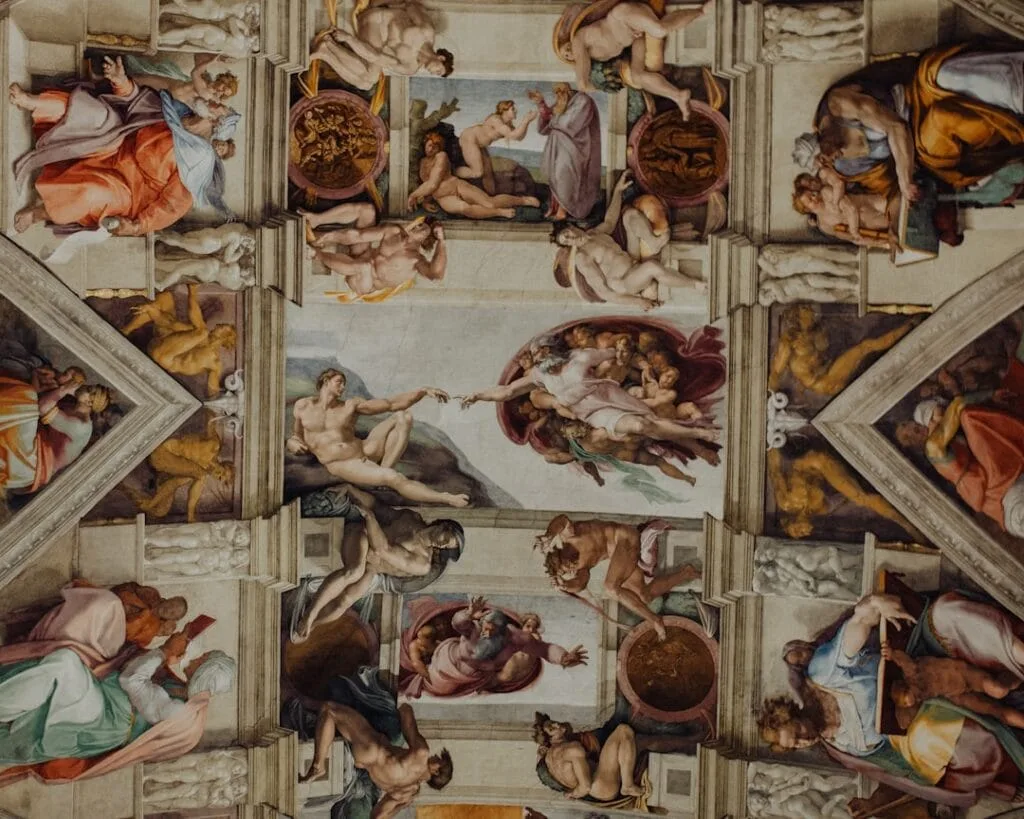
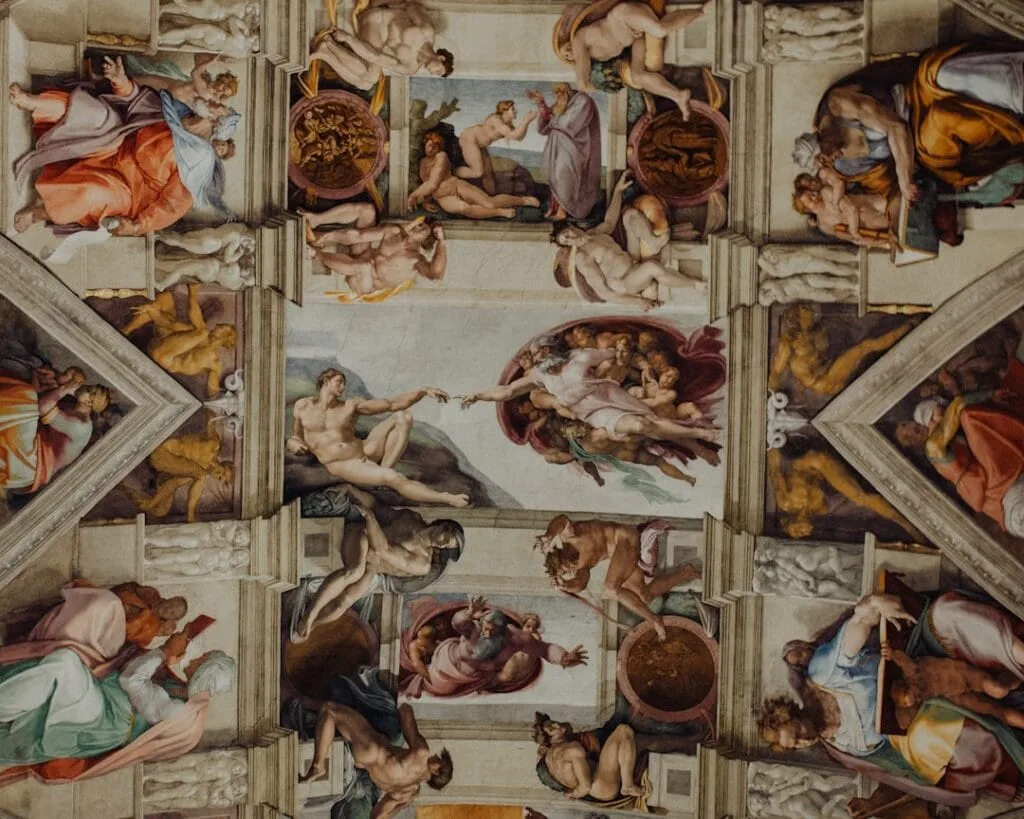
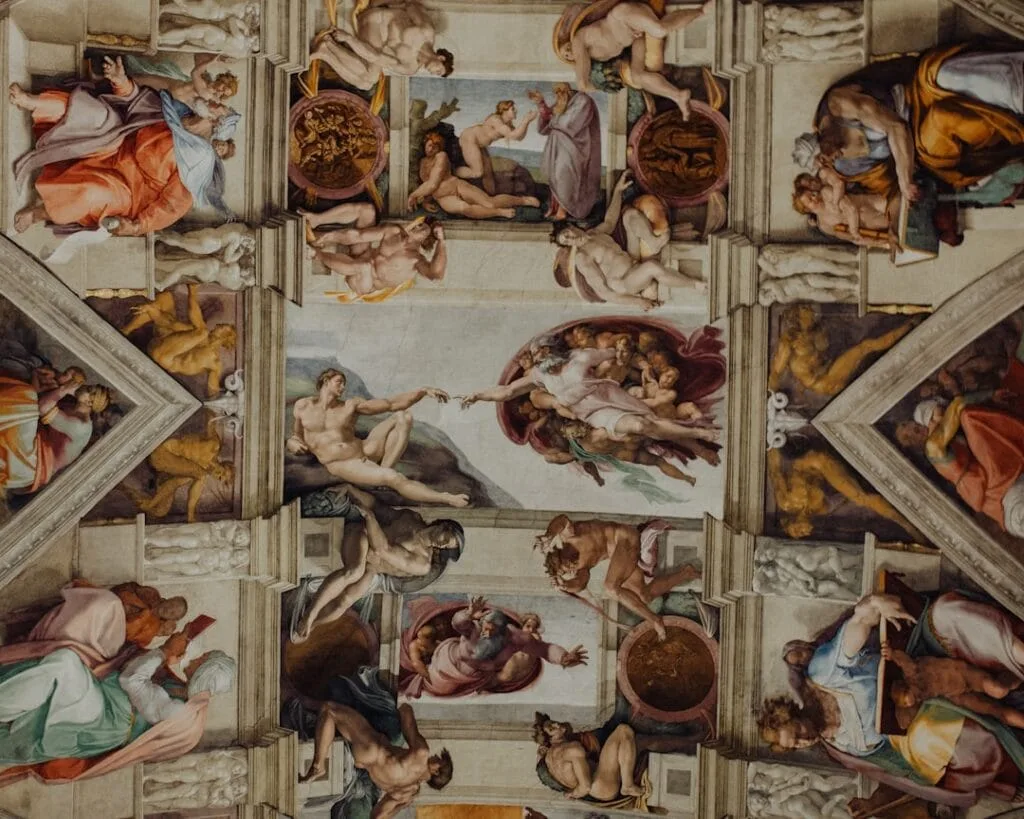
– Vatican Museums, Viale Vaticano, 00165 Roma RM — Opening hours: generally 09:00 – 18:00 (last entry 16:00). Indicative price: €17 standard entry + €4 online booking. The Museums hold a vast collection: tapestries, geographic maps, the Gallery of Maps, and of course the Sistine Chapel with Michelangelo’s famous ceiling. Allow at least 3 hours for a quick visit, 4 to 5 hours for an in-depth tour.
Click here to book your ticket for the Vatican Museums and the Sistine Chapel
Click here to reserve your ticket for the Vatican Museums and Sistine Chapel
– St. Peter’s Basilica, Piazza San Pietro, 00120 Città del Vaticano — Hours: generally 07:00 – 19:00 (seasonal variation). Entrance: free. To climb the dome (Cupola): elevator + stairs ≈ €10; stairs only ≈ €8. The basilica offers daily liturgies, dedicated chapels, works such as Michelangelo’s Pietà, and access to St. Peter’s tomb (necropolis) via a booked archaeological tour.
Tip: start early to avoid crowds and join a morning Mass in the basilica, often celebrated in several languages.
Day 2: Martyrs and the ancient heart
– Colosseum, Piazza del Colosseo, 1, 00184 Roma RM — Hours: variable, typically 08:30 – 19:00 depending on season. Combined Colosseum / Forum / Palatine ticket: approx. €16 + €2 booking fee. The Colosseum is essential to understanding the historical context of persecutions and the way urban spaces were transformed into places of faith (the Via Sacra, the Roman Forum).
Click here to book a guided tour of the Colosseum and the Forum
Click here to book a guided tour of the Colosseum and the Forum
Click here to book a guided visit to the Catacombs of St. Sebastian
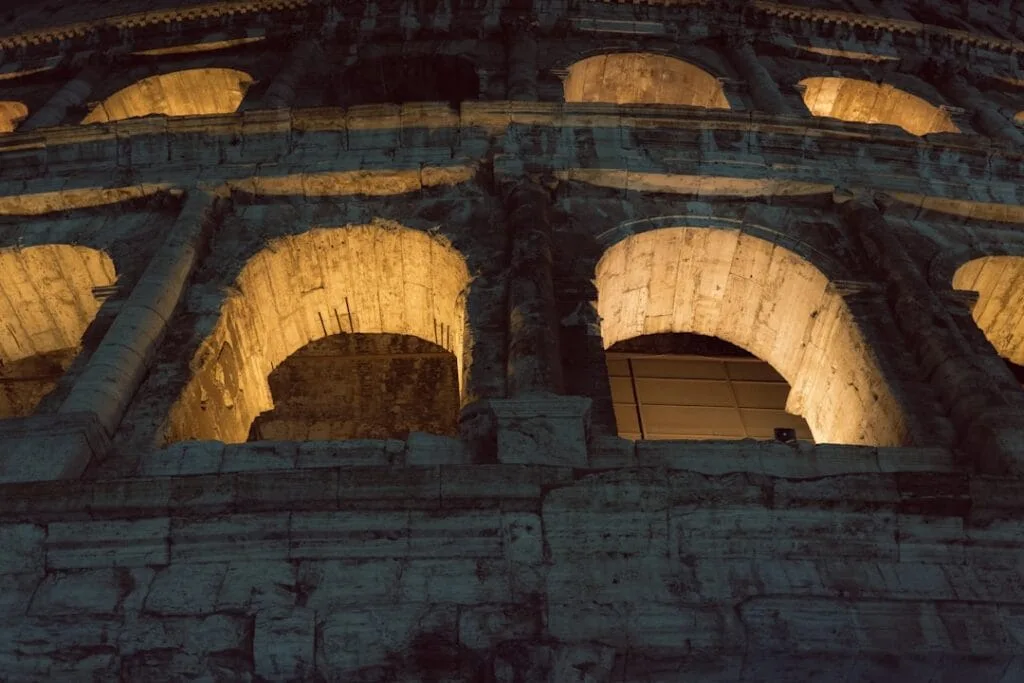
– Roman Forum & Palatine Hill, (entry via Colosseo) — Hours synchronized with the Colosseum. Plan to visit the Palatine for panoramic views over the city.
Day 3: The four major papal basilicas
Suggested route to visit the major basilicas in one day, depending on your pace:
– Archbasilica of St. John Lateran, Piazza San Giovanni in Laterano, 4, 00184 Roma RM — Hours: 07:00 – 19:00 (may vary), free entry. This is the cathedral of the Diocese of Rome and the oldest basilica in the western world.
– Basilica of Saint Mary Major, Piazza di Santa Maria Maggiore, 42, 00185 Roma RM — Hours: 07:00 – 20:00 (variable), free entry. It houses the Silver Crib and Byzantine mosaics.
Click here to reserve entry and audio guide for Saint Mary Major
– Basilica of Saint Paul Outside the Walls, Piazzale San Paolo, 00146 Roma RM — Hours: 07:30 – 18:30, free entry. It’s both a necropolis and a rebuilt basilica and marks the tomb of the Apostle Paul.
Tip: plan transport or walk between these sites depending on where you’re based; the concentration of sacred sites makes for reflective walks between each stop.
3. Attending services, the Papal Audience and liturgy
Active participation in services is the spiritual core of a pilgrimage. Rome offers a wide range of times and rites: solemn Masses in Latin, vernacular liturgies, Vespers, Eucharistic adoration and confessions in many parishes.
Accessing the Papal Audience and papal Masses
– Tickets for the Papal Audience can be free: you must request them in advance through the Prefecture of the Papal Household (requests through official Vatican channels). Audiences usually take place on Wednesdays at 10:30 in St. Peter’s Square or in the Paul VI Audience Hall depending on weather and the Pope’s schedule. The Angelus blessing often takes place from the Apostolic Palace window on Sundays at 12:00 — in high season the square fills up fast.
To avoid hassle, you can also book through a professional guide who will handle reservations and secure a good viewing spot so you can see the Pope pass through the crowd.
Click here to book your Papal Audience experience
– For daily Masses at St. Peter’s Basilica: several Masses are celebrated each day, often at 07:00, 08:00 and 09:00, with a solemn Mass on Sunday morning (check the official schedule for precise times and location — basilica or square). Papal chapels and major celebrations (Christmas, Easter) usually require reserved places and can be spectacular.
Liturgical etiquette
– Modest dress is mandatory in most sacred places: shoulders and knees covered. Hats are acceptable outdoors but should be removed indoors.
– Respect silence and prayer: avoid loud conversation and follow photography rules (photography is prohibited in the Sistine Chapel).
– For major celebrations: if you belong to a specific liturgical tradition (Orthodox, Anglican, Evangelical), inquire beforehand about the possibility and any special arrangements for participation.
Finally, if you need a certificate of pilgrimage (sometimes required by dioceses to validate an itinerary), ask at the sacristies of the basilicas you visit: some will issue attestations or stamps (similar to a pilgrim’s « credenciale ») after attending a Mass or formal visit.
4. Accommodation, transport and practical budget
Choosing accommodation depends on the experience you want: pilgrim hostels, religious guesthouses, hotels or private rentals. For a spiritual focus, favor guesthouses run by religious orders or places close to the Vatican.
Transport and main connections
– Airport: Aeroporto di Roma-Fiumicino « Leonardo da Vinci », 00054 Fiumicino RM. Connection to Termini station: the Leonardo Express direct train — fare ≈ €14 one way (non-refundable), duration ≈ 32 minutes. Low-cost buses (e.g. Terravision) ≈ €6 – €7.
– Main station: Stazione Termini, Piazza dei Cinquecento, 1, 00185 Roma RM — hub for metro (lines A and B), regional trains and buses. Single metro/bus ticket = €1.50 (valid 100 minutes), multi-ride options and tourist passes available.
– Taxi: fixed airport fare Fiumicino – city center (central area) ≈ €50 (check airport conditions). General rule: use official taxis (white cars with an identification number).
Useful tourist passes
- OMNIA Vatican & Rome Card (72 hours): approx. €129 — includes skip-the-line entry to the Vatican Museums, unlimited public transport and discounts. Check the official site before buying.
- Roma Pass: options 48h ≈ €28 / 72h ≈ €38 — offers free or reduced entry to certain museums and unlimited transport. Prices indicative.
Indicative budget for 3 days (excluding accommodation): monuments €40 – €70, transport €20 – €40, meals €60 – €120 depending on style. For longer stays, allow extra for offerings, religious souvenirs and any guided tours by Christian guides.
5. Etiquette, safety, health and spiritual care while there
Caution and respect for local liturgical life are essential. Here are practical recommendations to help you experience your pilgrimage peacefully.
Safety and personal belongings
Rome is generally safe, but pickpockets are active in tourist areas (Colosseum, Termini station, Vatican, metro stops). Protect your bag, avoid wallets in back pockets and use an inside pouch. Security checks (metal detectors, bag inspections) are common at the Vatican entrances, St. Peter’s Basilica and the Colosseum.
Health and emergency
– In medical emergencies: the European emergency number 112.
– Hospital near the Vatican: Ospedale Santo Spirito in Sassia, Lungotevere Vaticano, 1, 00165 Roma RM — emergency department open 24/7.
Spiritual care and confession
Many basilicas offer confessions in several languages. At St. Peter’s there are often confessionals open throughout the day and priests available for private confession. If you seek longer spiritual accompaniment (spiritual direction), contact a parish or religious community in advance (religious houses, convents, spiritual centers) to arrange an appointment.
Liturgical tip: respect times of silence after major celebrations and use spaces set aside for personal prayer. Major basilicas can be noisy because of tourist flows — look for side chapels for more intimate moments of devotion.
Conclusion: Turning the trip into a true pilgrimage
A pilgrimage to Rome is an invitation to reconcile cultural tourism with a spiritual experience. Planning (bookings for the Vatican Museums and the Colosseum, tickets for the Papal Audience) ensures you can fully live the highlights: Masses, visits to apostolic tombs, stations of prayer, or simply the contemplation of a mosaic or a quiet nave.
Center your trip on rhythm: alternate guided tours with times of silence, Mass with a reflective walk. Respect local rules (dress code, photography prohibitions), take care of your health and safety, and let yourself be surprised by the spiritual richness of each site. A pilgrimage is also a human adventure: talk with local parishioners, religious and fellow pilgrims, share prayers and simple meals in trattorie or refectories.
Finally, remember that Rome should be visited slowly. A successful pilgrimage is not one that « sees it all » but one that allows a change of perspective: to see differently, pray more deeply and leave transformed. Before you go, print essential addresses (St. Peter’s Basilica — Piazza San Pietro, 00120 Città del Vaticano; Vatican Museums — Viale Vaticano, 00165 Roma RM; Colosseum — Piazza del Colosseo, 1, 00184 Roma RM; Archbasilica of St. John Lateran — Piazza San Giovanni in Laterano, 4, 00184 Roma RM; Basilica of Saint Mary Major — Piazza di Santa Maria Maggiore, 42, 00185 Roma RM), check current opening hours and fees, and allow enough time for wonder.
May your pilgrimage to Rome bring you inner peace, artistic awe and spiritual deepening. Safe travels and may your steps be guided.