





Introduction: Ostia Antica in One Day — why visit and what to expect
Ostia Antica is one of Italy’s best-preserved archaeological sites and makes for an ideal day trip from Rome. Located at the mouth of the Tiber, this ancient port town offers an immersive window into everyday life in the Roman Empire: paved streets, public baths, private homes decorated with mosaics, and a forum that still reflects the city’s civic, commercial and religious functions. For a traveler based in Rome with just one day, Ostia Antica combines the convenience of quick access (commuter train) with the deep historical feel of a site that’s usually less crowded than the Colosseum, yet equally revealing about Roman urban life.
Seeing Ostia Antica in a single day takes a bit of planning: transport, timing, tickets and prioritizing what to see once you’re there. This practical guide gives you a step-by-step itinerary from Rome, up-to-date practical details on entry, hours and prices, immersive descriptions of the main highlights (Ostia Theatre, Baths of Neptune, Decumanus Maximus, House of Cupid and Psyche, Forum), plus local tips to optimize your time and avoid common pitfalls. You’ll also find recommendations for food and options for returning to Rome.
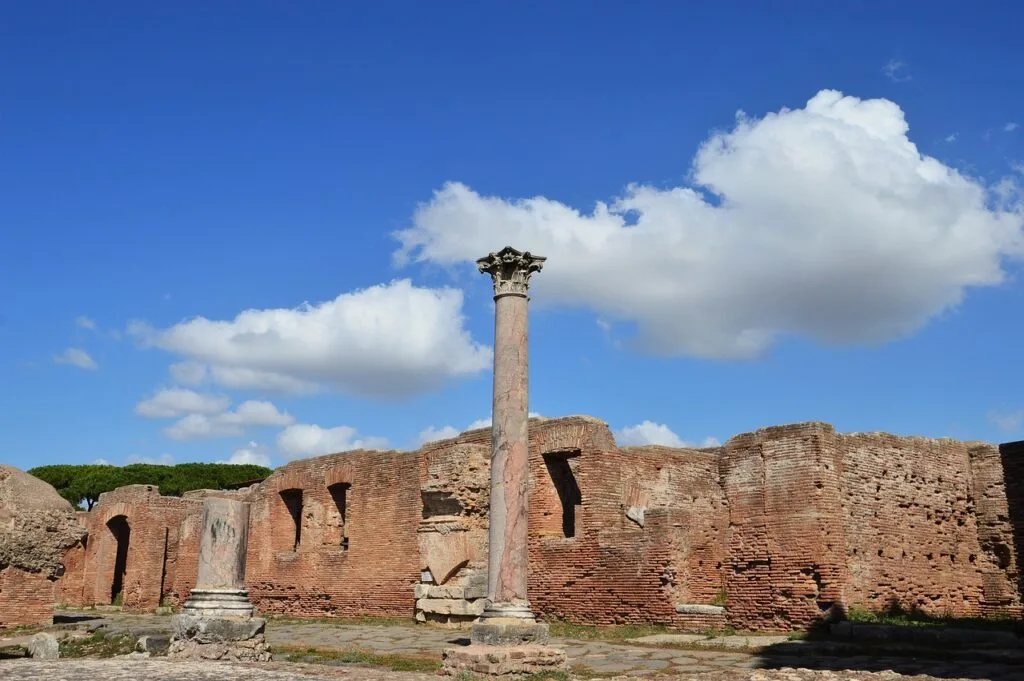
Visitors of all interests — history buffs, families, photographers — will find reasons to linger: the texture of the walls, stone pavements, colorful mosaics and the strong axial lines of the streets make for great educational and photographic moments. The site is best explored at a relaxed pace: plan on at least 3–4 hours to cover the main public areas and a few insulae (residential blocks). If you’re short on time, a 90–120 minute guided tour covers the essentials, but to really soak up the atmosphere a half-day is ideal.
The guide below is designed for use « in the field »: precise instructions to reach Ostia Antica from Rome, hour-by-hour route suggestions, current opening times and ticket prices, information on facilities (toilets, drinking water, site shop), safety tips and options if you want to extend your visit to the Isola Sacra necropolis or the Ostia coastline. I’ll also share practical tips — best seasons for light (spring/ autumn), how to avoid mid-summer heat, and where to eat without wasting time.
Before you leave, remember that opening times can change with the seasons or due to exceptional closures: always check the Parco Archeologico di Ostia Antica official site or call the ticket office the day before. The text below walks you step by step to make the most of your day at Ostia Antica from Rome.
1) Getting to Ostia Antica from Rome: routes, tickets and travel time
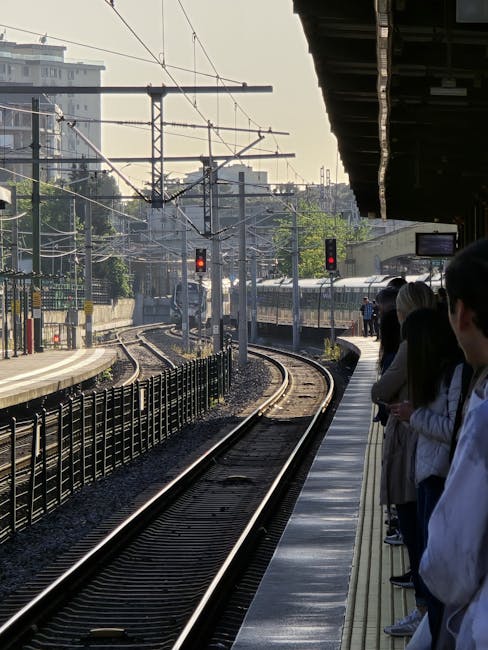
The simplest and most economical way to reach Ostia Antica from central Rome is the Roma-Lido suburban train from Piramide / Porta San Paolo station (at the southern end of Metro B). Practical details are below:
- Recommended starting point: Piramide / Porta San Paolo station (Metro B; use « Piramide » or « Circo Massimo » depending on where you are).
- Line: Roma-Lido (suburban railway). Final destination for the line is « Ostia Antica » (Ostia Antica stop), which is about a 10–15 minute walk from the park’s main entrance.
- Journey time: Around 30–40 minutes from Piramide depending on stops and line traffic.
- Ticket price: Standard Metrebus BIT/ROMA ticket: €1.50 (validated ticket valid for 100 minutes). If you have a daily or weekly pass, check whether it covers the Roma-Lido.
- Schedules: Trains run roughly every 15–20 minutes during peak times; check ATAC/Metrebus or the « Muoversi a Roma » app for real-time departures. Generally service starts early (around 5:30–6:00) and runs until about midnight, but schedules can differ on Sundays and public holidays.
Alternatives:
- Car: Driving from Rome takes about 30–45 minutes depending on traffic. Put this address in your GPS: Parco Archeologico di Ostia Antica, Via dei Romagnoli, 717, 00119 Ostia Antica RM, Italy. There are paid parking areas near the entrance; expect roughly €1–2 per hour depending on the zone and payment methods (coins, card or local apps).
- Taxi / ride-hailing: Approximately 30–40 minutes; fares vary (budget €35–€60 depending on pickup point and traffic). Check a fare estimate beforehand or negotiate a round trip if you want to return straight to Rome without using public transport.
- Organized tours: Many Rome agencies offer day tours that include transport and a guide; prices typically range from €40 to €90 per person depending on group size and inclusions.
Practical tip: buy your ticket at the vending machine before boarding and keep it until the end of your journey; avoid peak morning rush if you want a quieter arrival; leave early (8:00–9:00 from Rome) to enjoy cooler temperatures on-site and beat the midday crowds.
 Click here to book a full-day Rome tour: Colosseum & Vatican
Practical tip: buy your ticket at the vending machine before boarding and keep it until the end of your journey; avoid peak morning rush if you want a quieter arrival; leave early (8:00–9:00 from Rome) to enjoy cooler temperatures on-site and beat the midday crowds.
2) Tickets, opening hours and services at the Parco Archeologico di Ostia Antica
The heart of your day will be the Parco Archeologico di Ostia Antica. It’s essential to know entry procedures, seasonal opening hours, and the services available so you can plan efficiently.
- Address: Parco Archeologico di Ostia Antica, Via dei Romagnoli, 717, 00119 Ostia Antica RM, Italy.
- Opening hours (general):
- High season (typically late March to late September): generally open 8:30–19:30 (last admission 18:30). Exact times vary by period—check before you go.
- Low season (autumn/winter): generally open 8:30–16:30 (last admission 15:30). Early closures can happen on holidays or for technical reasons.
- Entrance fees (indicative):
- Full price: €12.00
- Reduced (EU youth 18–25): €7.50
- Free entry: children under 18; special free days or categories may apply—check the official site.
- Tickets: You can buy tickets at the on-site ticket office or book online via the park’s official website. Online booking is recommended in high season to avoid lines.
- On-site services: public toilets (near the entrance), information point, site shop/bookshop selling guides and reproductions, water fountains or dispensers — bring a reusable bottle. There are benches for breaks but limited shade: hats and sunscreen are strongly recommended in summer.
- Accessibility: The terrain includes uneven surfaces and ancient paving; some areas are difficult for visitors with reduced mobility. Ask at the information point about facilities or adapted visits.
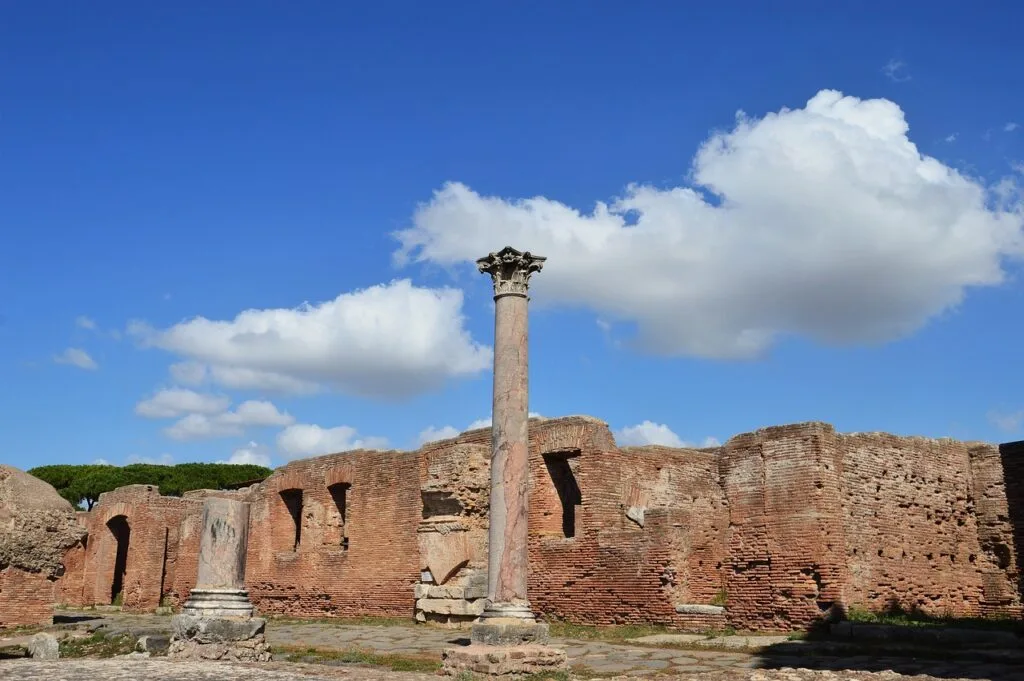
Practical tip: arrive at opening (or shortly after) for the best light for photos and cooler temperatures. Grab a site map at the entrance or download an offline GPS map. Guided tours offered by the park or private guides add a lot of context — a good guide can turn walls into vivid stories.
3) Recommended route for one day: what to see and in what order
An efficient visit to Ostia Antica in one day should combine the main public hubs with a few standout homes. Here’s a time- and space-based itinerary to maximize your time while giving you an immersive experience:
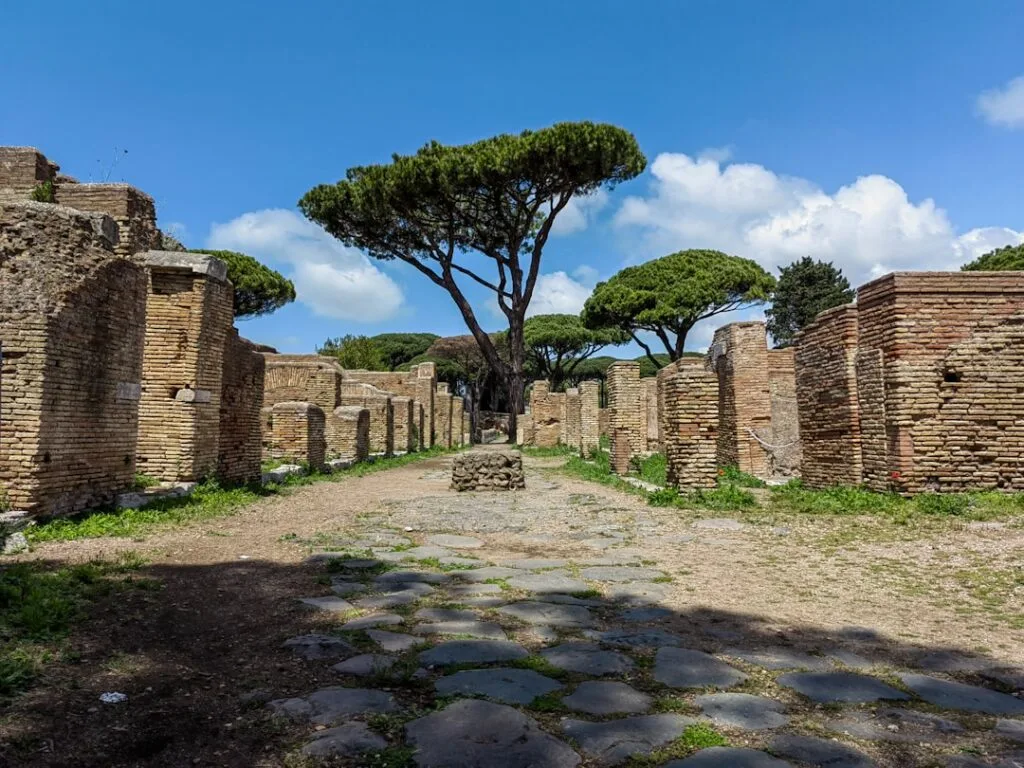
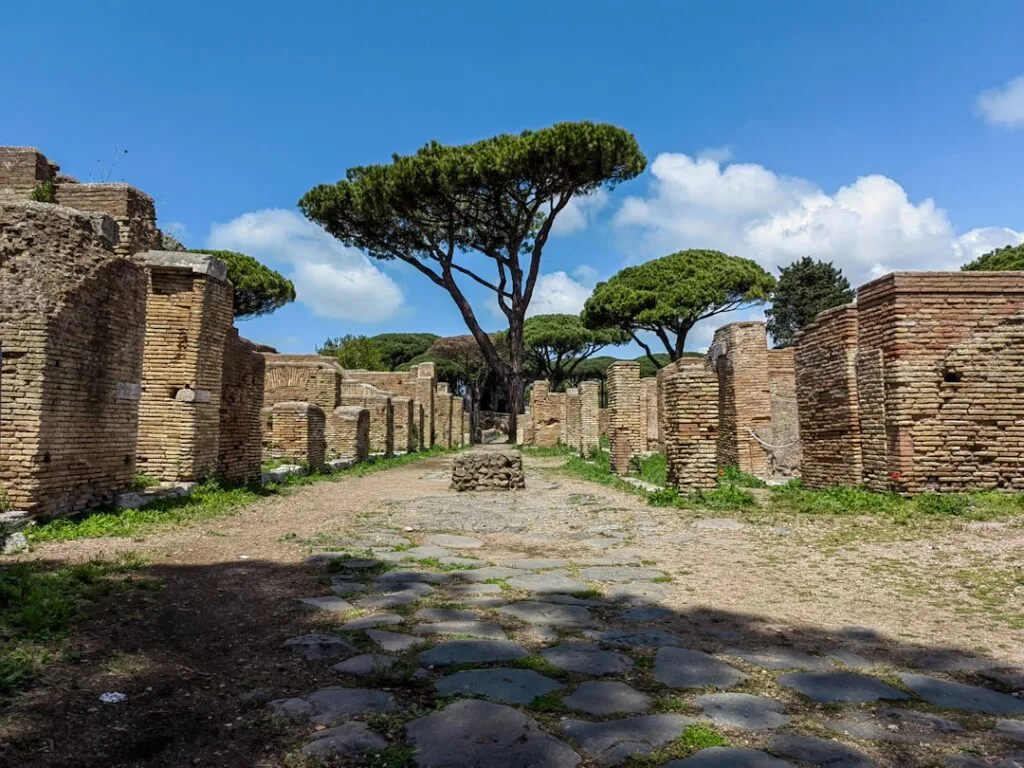
- Arrival and first hour (0–60 minutes): Enter the Parco Archeologico di Ostia Antica (Via dei Romagnoli, 717). Pick up a site map and head to the Decumanus Maximus, the main east–west artery that structures the town. Walk along this paved street, admire the shopfronts (tabernae) and commercial facades, and soak up the urban atmosphere. The long perspective offers great shots that capture ancient city life.
- 1–2 hours: Make your way to the Forum of Ostia Antica, the civic and religious center. This is where magistrates’ offices, temples and markets clustered. Take time to read inscriptions and locate the Curia, the Basilica and other monumental structures.
- 2–3 hours: Head to the Theatre of Ostia Antica, a well-preserved Roman theatre that hosted performances and public gatherings. Sit for a moment, picture the packed seats and listen for the echo of natural acoustics. Nearby are the public baths — notably the Baths of Neptune — famous for their marine-themed mosaics.
- 3–4 hours: Wander through the residential quarter: the Roman Houses, including the House of Cupid and Psyche, with its fine mosaics and wall paintings. These homes show private life, inner courtyards and domestic décor. Don’t miss figurative mosaics and small household shrines.
- 4–5 hours: Finish at the Piazzale delle Corporazioni, a commercial-administrative square where trade associations met. The explanatory panels and reliefs reveal Ostia’s role as Rome’s major port. Depending on your pace you can linger in an area or visit the site shop for souvenirs and archaeology books.
If you have less time (2–3 hours), focus on the Decumanus Maximus, the Forum and the Theatre — these spots give a fast but complete sense of the urban layout. Archaeology enthusiasts should allow extra time to wander through the insulae and study the interpretive panels.
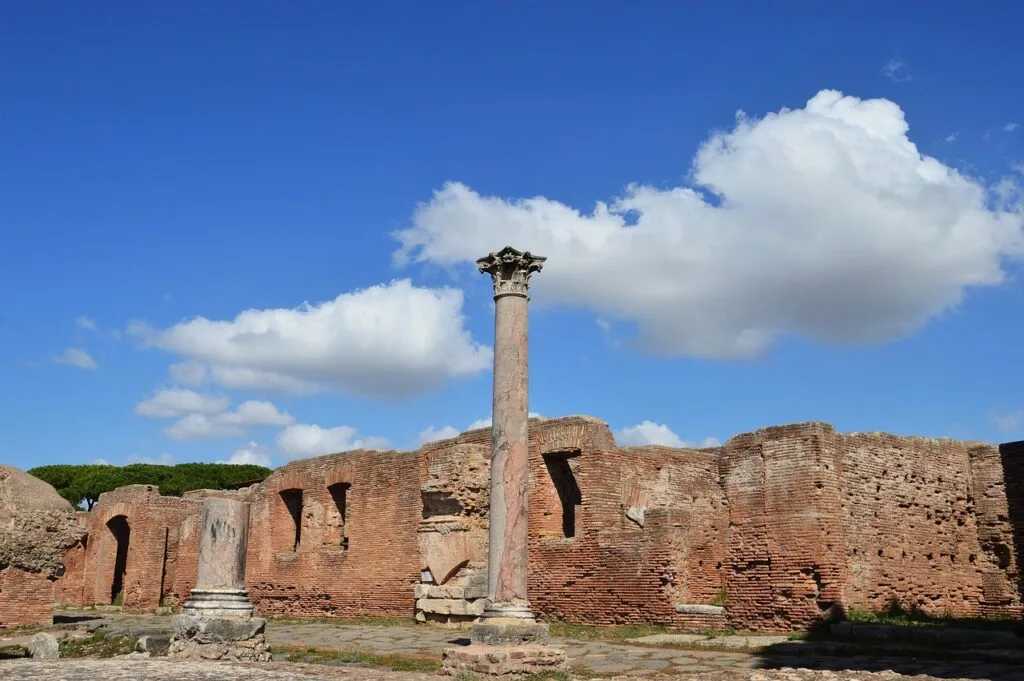
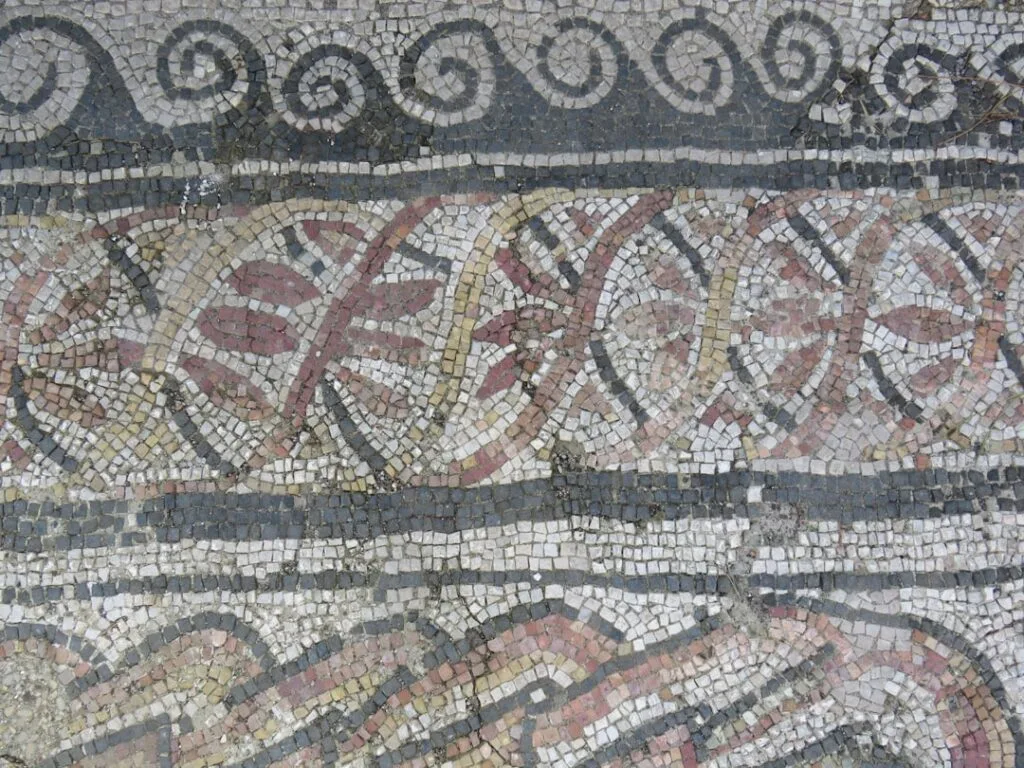
4) Monuments and details not to miss: immersive descriptions
Ostia Antica is full of concrete details that, once noticed, turn stone into stories. Here are the monuments and decorative elements to look for and how to interpret them:
- The Decumanus Maximus: the main east–west axis through the town. Worn curbstones, stone gutters and attachment holes for tabernae show the intensity of commercial activity. Look for reliefs and inscriptions on foundation stones: these often note ownership or restorations sponsored by local patrons.
- The Forum of Ostia Antica: the civic space where the Curia, temples and honorary statues stood. On columns and plinths look for Latin inscriptions (municipal titles, funerary or honorific texts) — they reveal the social structure and careers of Ostia’s elites.
- The Theatre: with an estimated capacity of several thousand, the theatre is an excellent example of recreational architecture. Pay attention to the vomitoria (entrances) and the tier structure — these details speak to audience organization and social hierarchy during performances.
- The Baths of Neptune: famous for mosaics depicting Neptune and marine scenes. Mosaics were not only decorative but symbolic (maritime wealth, protection of trade).
- The Piazzale delle Corporazioni: a commercial hub with stelae and panels illustrating trade networks. Some inscriptions point to commercial connections with the Aegean, North Africa or the East — evidence of Ostia’s role as a major port.
- The House of Cupid and Psyche: a private home with well-preserved frescoes and mosaics; study the motifs and room layout (atrium, tablinum, peristyle) to understand social status and the lifestyle of wealthier families.
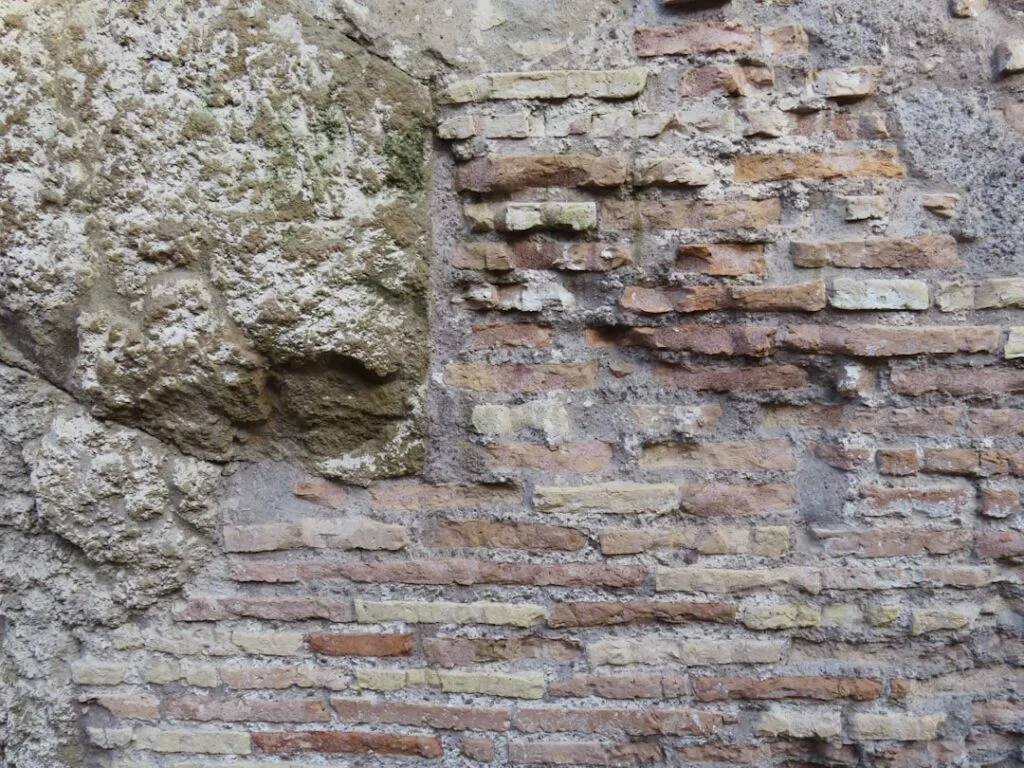
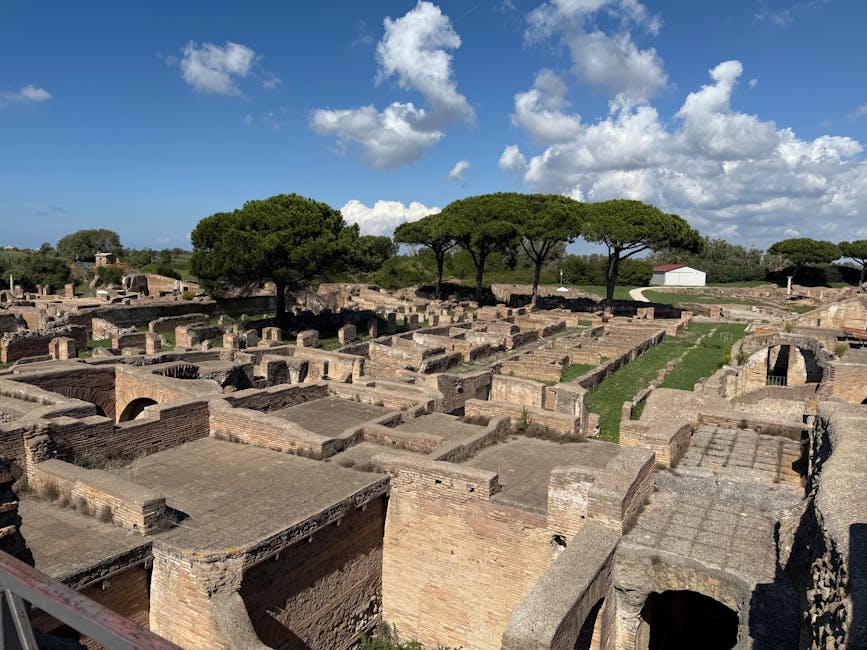
As you walk, feel the textures if allowed, study the mortar joints, the recycling of building materials (spolia) and street angles — they tell stories of reconstruction after fires or renovations. On-site panels are often bilingual (Italian/English) and explain building functions; for deeper archaeological and historical readings, hire a local guide or use an audio guide.
5) Food, possible extensions and local tips
After several hours on your feet you’ll want to eat or cool off. Ostia Antica and the surrounding Via dei Romagnoli area offer a few practical options, but don’t expect the wide range you get in central Rome. Here are realistic choices and suggestions:
- On-site: the park shop/cafeteria sells drinks, snacks and light meals (panini, coffee). Prices are higher than in town (e.g. espresso ~€1.50–€2.00, panini €5–€8). Bringing a picnic is an excellent idea since there are places to sit.
- Nearby: around Ostia Antica and along Via dei Romagnoli you’ll find cafés and restaurants. For example, small local trattorie near Piazza della Posta (check on arrival for names) offer pizzas and traditional dishes. Expect a full meal in a trattoria to cost €12–€20 per person depending on what you order.
- Extension: Isola Sacra Necropolis — If you have extra time (1–2 hours) and transport, the Isola Sacra Necropolis (near Fiumicino) is reachable and showcases remarkable funerary art (3rd-century tombs and reliefs). General address: Isola Sacra, 00054 Fiumicino RM, Italy. Check opening times and access since it’s a separate site from the Ostia Antica park.
- Local tips:
- Bring water and snacks: shade is limited.
- Wear comfortable shoes: the ground is uneven and paved.
- Hat and sunscreen in summer; a light jacket in spring/autumn.
- Respect barriers: don’t climb on fragile structures.
- Return to Rome: Take the Roma-Lido from the Ostia Antica stop. Trains run until around midnight; check schedules if you’re unsure to avoid a long wait. If you’d prefer a more comfortable return, book a taxi (app or local rank); fares are often around €35–€60 depending on the Rome destination.
Money-saving tips: combine a self-guided tour with free time rather than a full paid guided tour if you’re on a budget; otherwise, investing in a private guide will significantly enrich your visit. Photographers should aim for morning light (8:30–10:30) or late afternoon (16:00–18:00 in season) for long shadows and warm tones.
Click here to book a Tivoli and Villa d’Este day trip
Money-saving tips: combine a self-guided tour with free time rather than a full paid guided tour if you’re on a budget; otherwise, investing in a private guide will significantly enrich your visit. Photographers should aim for morning light (8:30–10:30) or late afternoon (16:00–18:00 in season) for long shadows and warm tones.
Conclusion: planning your perfect Ostia Antica getaway
Ostia Antica is an accessible and richly informative historical escape for any visitor in Rome. With a well-planned day you can move from the bustle of the capital to the calm of ancient streets, touch the material remains of Roman life — baths, houses, theatre and forum — and come away with a nuanced sense of imperial port life. The keys to a great day are preparation: set out early from Rome (Piramide / Porta San Paolo station), check the Parco Archeologico di Ostia Antica hours and prices (Via dei Romagnoli, 717, 00119 Ostia Antica RM), book tickets in advance if possible, and bring water, sun protection and suitable footwear.
To get the most from your visit, keep a contemplative pace: take time to view mosaics from a respectful distance, read the inscriptions on plinths and let your guide (or the information panels) place each monument within its economic and social context. The visit can be adapted to all profiles: families, history lovers, photographers and travelers on a tight schedule. If you have more than one day, consider adding the Isola Sacra Necropolis or a detour to the Ostia coast to combine history and the sea.
Finally, respect the site: Ostia Antica is fragile heritage. Follow the stewards’ instructions, use designated rest areas and avoid touching or climbing on the ruins. With these simple precautions and this practical guide, your day trip to Ostia Antica from Rome will be enriching, comfortable and memorable. Enjoy your journey through time!
Click here to book a Pompeii and Naples day trip with lunch