


Introduction
Rome is a city where every stone tells a story, and sacred art has been woven into daily life for two thousand years. Beyond the headline sights everyone knows — the Vatican, St. Peter’s Basilica, the Colosseum — there’s a constellation of lesser‑seen treasures tucked away in side streets, cloisters and side chapels. These hidden masterpieces offer a more intimate experience: light slipping across Byzantine mosaics, grief carved in baroque marble, the brutal drama of a Caravaggio painted at eye level. They’re often less crowded but just as revealing of the faith, techniques and local stories that shaped Rome.
Contenu de l'article
This article takes you to five places where sacred art reveals itself in the most personal and moving ways. For each site you’ll find the full name, exact address, opening hours and entrance fee, plus a detailed description to help plan your visit: how to access the main works, what details to look for, and what customs to observe to get the most out of these sanctuaries. Whether you love architecture, are passionate about painting, or curious about religious history, these stops will deepen your view of Rome.
Keep in mind that hours and prices can change — especially on religious feast days or during restorations — and some chapels restrict access during services. I always recommend checking practical info a few days before you go, respecting on‑site rules about silence and photography, and considering a local guide to decode iconographic details. Now, let’s discover those sanctuaries where sacred art sometimes appears behind a modest door.
 Click here to book your Vatican Museums tickets
Basilica di San Clemente al Laterano — layers of history and underground mosaics
Practical information
Full name: Basilica di San Clemente al Laterano
Address: Via Labicana, 95, 00184 Roma RM, Italy
Opening hours: usually 09:00–12:30 and 15:00–18:30 (daily).
Price: admission around €10 (includes access to the lower levels).
Basilica di San Clemente is the perfect example of layered Rome: built in the 12th century over a 4th‑century basilica, it hides beneath it a mithraeum and Roman dwellings. Visiting San Clemente means physically descending through time and seeing how sacred art reused and transformed earlier spaces. The upper basilica surprises with its Romanesque choir and medieval mosaics: golden tesserae and biblical scenes glow with an intimate light thanks to the relatively low ceiling.
The highlight is the descent to the underground levels. After a narrow staircase, ancient walls reveal paleochristian frescoes with pigments still readable, re‑used architectural decorations and, lower down, a small sanctuary devoted to the Mithraic cult. The contrasts are striking: ancient marbles, religious paintings, pagan inscriptions resurfacing within a Christian context. It’s a place where you can sense continuity and layering of belief systems.
Click here to explore Rome’s underground crypts and catacombs

Visiting tips: arrive early to avoid groups, take your time examining the details of the mosaics (faces, vegetal ornaments) and ask staff for the explanatory panels that translate Latin inscriptions. The lower levels involve narrow staircases; they are not recommended for visitors with limited mobility unless assisted.
Chiesa di San Luigi dei Francesi — Caravaggio and the dramatization of the sacred
Practical information
Full name: Chiesa di San Luigi dei Francesi (Church of St. Louis of the French)
Address: Piazza San Luigi de’ Francesi, 6, 00186 Roma RM, Italy
Opening hours: usually 09:30–12:45 and 15:30–18:30 Monday to Saturday; on Sundays tourist access can be limited during Masses.
Price: free entry (donations suggested; audio guides or guided tours often available from about €5).
Chiesa di San Luigi dei Francesi is small but famous: its Contarelli Chapel houses three masterful canvases by Michelangelo Merisi da Caravaggio focused on the life of Saint Matthew — The Calling of Saint Matthew, The Martyrdom of Saint Matthew and The Inspiration of Saint Matthew. What gives these paintings their power is their brutal realism and the theatrical use of light. Here, light doesn’t just illuminate — it tells a story: it selects, reveals gestures, and plunges the viewer into the dramatic tension of conversion or martyrdom.
The church itself, built for Rome’s French community, preserves richly decorated side chapels, baroque altars and liturgical furnishings that complete the visual experience. The close proximity of the paintings to the faithful allows you to study technique — brushwork, blending of shadows and materials — in an almost tactile way. Despite the site’s popularity, the atmosphere can remain contemplative if you visit early morning or late afternoon.
Click here to discover Caravaggio’s masterpieces in Rome

Tips: observe silence and posted rules (some zones prohibit photography). If you want in‑depth explanations, opt for a guided tour or an audio guide available at the entrance. On Sundays, the presence of worshippers may restrict access to chapels during services.
Basilica di Santa Prassede — Byzantine mosaics and paleochristian ornamentation
Practical information
Full name: Basilica di Santa Prassede
Address: Via di Santa Prassede, 9/A, 00184 Roma RM, Italy
Opening hours: generally 07:00–12:30 and 16:00–19:00 (daily).
Price: free entry (donations welcome); some guided areas or special sections may be paid, usually €2–€5.
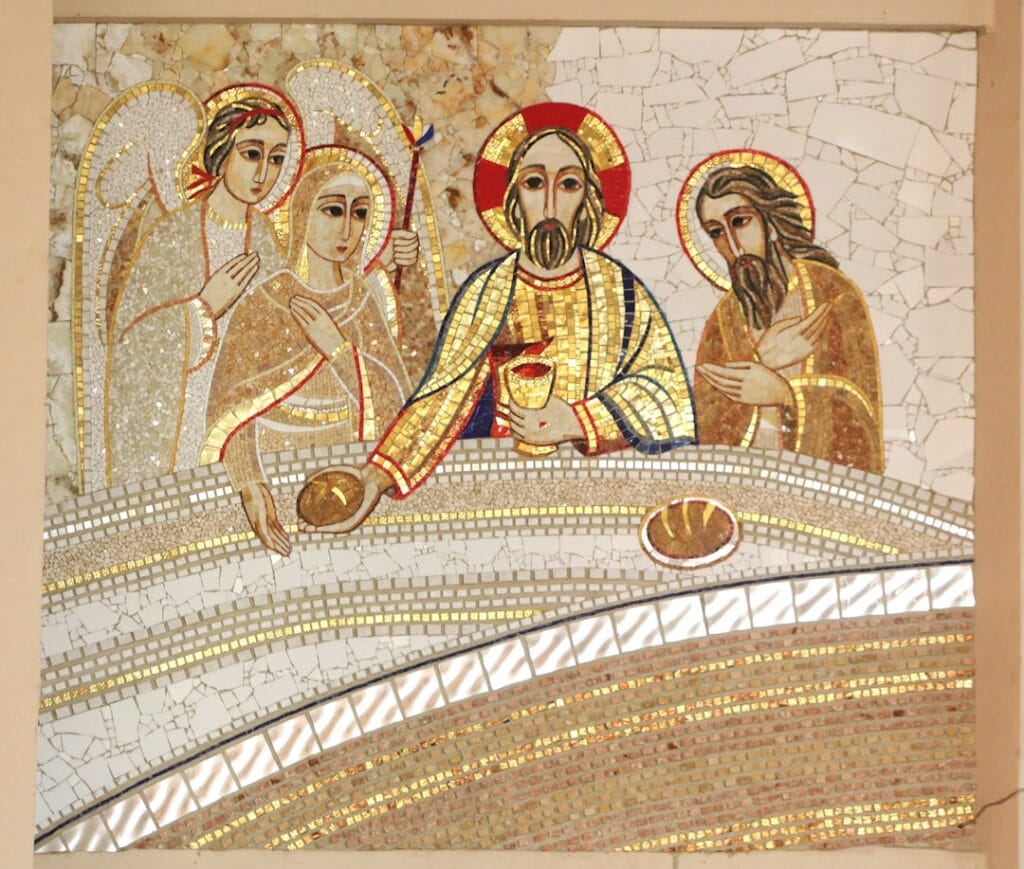
A few steps from the grand Basilica di Santa Maria Maggiore, Santa Prassede often stays in the shadow — which is a blessing for visitors seeking quiet contemplation. The main attraction is the Chapel of San Zeno, a 9th‑century jewel entirely covered in dazzling Byzantine mosaics: golden backgrounds, saints with hieratic features, stylized plant motifs. The iconography is dense and full of symbols — angels, eucharistic scenes and Latin inscriptions — all elements that make this chapel unique.
The interior combines austerity with sparkle: the nave is simpler, while the chapel bursts with color. You can feel the visual power of Byzantine mosaic, designed to lift the soul and encourage devotion. The tesserae, sometimes made of glass, catch and multiply light, creating an almost mystical atmosphere. Up close, notice the finesse of the faces and how the colors have held up through the centuries.
Click here to visit Rome’s papal basilicas

Tips: listen to the echo of heels on the floor and take your time identifying the saints and scenes. A headlamp or a good magnifying glass (for enthusiasts) can reveal details rarely seen with the naked eye. Also check small side chapels, which may contain frescoes and reliquaries.
Basilica di San Pietro in Vincoli — Michelangelo and the sculpture of the sacred
Practical information
Full name: Basilica di San Pietro in Vincoli (Saint Peter in Chains)
Address: Piazza di San Pietro in Vincoli, 4/A, 00184 Roma RM, Italy
Opening hours: generally 08:30–18:30 (daily); hours may vary during ceremonies.
Price: free entry (donations suggested).
San Pietro in Vincoli is best known for housing Michelangelo’s magnificent statue of Moses, part of the grand tomb of Pope Julius II. The sculpture, with rare emotional force, arrests attention as soon as you enter: the chiseled beard, the concentrated, almost living gaze, the taut musculature — all combine to create an almost theatrical presence. This Renaissance work shows how sacred art can express spiritual tension through material.
The church itself is rich in historic chapels, mosaics and medieval elements. The sacristy sometimes displays pieces of goldsmithing and relics. Unlike the very large basilicas, the space here feels more domestic, allowing an exceptional proximity to Michelangelo’s sculpture: you can view it from multiple angles and appreciate the assistants’ and master’s work on drapery and polished surfaces.

Tips: come early in the morning to enjoy soft light on the statue, and respect restricted areas for photography. Pocket guides available at the entrance give precise information about restorations and the history of the funerary monument.
Sant’Andrea al Quirinale — Bernini’s intimate Baroque
Practical information
Full name: Chiesa di Sant’Andrea al Quirinale
Address: Piazza del Quirinale, 4, 00187 Roma RM, Italy
Opening hours: usually 09:00–12:00 and 15:00–18:00 (daily), sometimes closed for official events at the Quirinal Palace.
Price: free entry (donations suggested for conservation).
Designed by Gian Lorenzo Bernini and completed in 1670, Sant’Andrea al Quirinale is a small Baroque masterpiece: an elliptical composition, dramatic use of light, fresh marbles and an altarpiece carefully staged to capture the worshipper’s gaze. Inside, Bernini plays with perspective and sculpture to create a sanctuary that interacts with the visitor’s body: niches, painted columns and carved angels seem animated by a theatrical breath.
The interior decorations, though less famous than those in St. Peter’s, offer a valuable lesson in how Baroque art sought to “touch” the believer — not only through theology but through visual emotion. Side chapels contain paintings and relics that complete the sacred narrative, while the dome and lantern let in light that changes the mood over the course of the day.

Tips: proximity to the Quirinal Palace can mean occasional security checks and temporary closures; check before you go. Use the church’s compact size to stand in the center and observe Bernini’s intended symmetry and theatrical effect.
Practical tips for a respectful, rewarding visit
Visiting places of worship in Rome requires a balance of artistic curiosity and respect for the sacred character of these spaces. Here are some concrete, useful tips:
- Clothing: shoulders and knees should be covered in most churches. Some basilicas enforce strict dress codes for access to main chapels.
- Photography: follow posted signs — flash photography is often forbidden, and in some chapels (e.g. the Contarelli Chapel) photos may be restricted.
- Silence: avoid noisy behavior; services can begin at any time.
- Tickets and donations: carry small change (€1/€2 coins and €5 notes) for donations and local short guided visits.
- Opening times: always double‑check online or by phone the day before, especially during religious holidays and in August (frequent closures for staff holidays).
- Accessibility: many historic sites include stairs and underground levels — check accessibility options if you have mobility issues.
Conclusion
For the attentive visitor, Rome offers a string of sanctuaries where sacred art reveals itself in intimacy and power. From Santa Prassede’s Byzantine mosaics to the concentrated shadows of Caravaggio at San Luigi dei Francesi, and through Bernini’s vertical Baroque at Sant’Andrea al Quirinale, each place delivers a unique encounter — a meeting of faith, craft and history. These “hidden” sites deserve not only a visit but a moment of pause to truly absorb what they convey: biblical narratives, liturgical gestures, political events and artistic choices that forged Rome.
To plan your route, keep the addresses and opening hours handy, set aside quiet times for observation, and respect local rules. Sacred artworks are not merely objects of admiration; they’re invitations to reflection, devotion and encounter. Bring your curiosity, your sense of respect, and let Rome unveil its secrets — often behind a modest door, in a side chapel, or beneath the paving of an apparently ordinary basilica.
Click here to book your guided tour of St. Peter’s Basilica
Enjoy your journey through the luminous, silent mysteries of Rome’s sacred art.