





Introduction
Rome is a city where faith and history meet on every corner. Whether you’re here for a pilgrimage, a cultural city break, or simple curiosity, bringing home a religious item from Rome means keeping a tangible piece of the city’s soul. Markets, ecclesiastical shops and sacred bookstores offer a wide range of objects — from a simple wooden rosary bought on a cobbled square to a blessed medal from an age-old chapel. This article guides you through the best religious souvenirs to bring back, with exact addresses, indicative prices in euros and opening hours: a practical kit for informed shopping.
Why choose Rome for these purchases? First, because the Eternal City concentrates major basilicas (St. Peter’s Basilica, St. John Lateran, Santa Maria Maggiore) where blessed items, sometimes unique, can be found. Second, because the areas around the Vatican and some historic streets (Via dei Coronari, Campo de’ Fiori, Porta Portese) are home to specialized shops, antique dealers and markets, offering everything from authentic Byzantine iconography to small contemporary devotional souvenirs.
In this « Top 10 religious souvenirs to bring back » file, each item is presented with: description, recommended places to buy (full name and address), price range in euros, usual opening hours and practical tips (authenticity, packaging, customs restrictions). The addresses listed are reliable starting points; for valuable pieces or relics, always favor official shops or reputable antique dealers and ask for certificates of authenticity when possible.
This guide is designed for the modern traveler: it tells you where to find the most meaningful pieces, how to recognize them, and how to transport them without damage. Follow these recommendations and you’ll leave not just with a souvenir, but with a story and a blessing to share.
1) The rosary and the cross / crucifix
The rosary — meaning and variations
The rosary is arguably the most requested religious item by visitors to Rome. Available in wood, glass beads, Murano crystal and silver, rosaries range from popular devotional accessories to luxury artisan pieces. Rosaries blessed inside a basilica often carry a small tag or certificate of authenticity indicating the blessing.
Where to buy:
- Vatican Museums Gift Shop — Musei Vaticani, Viale Vaticano, 00165 Roma RM. Horaires : lundi‑samedi 09:00–18:00 (dernier accès 16:00), fermé le dimanche sauf le dernier dimanche du mois 09:00–14:00 (entrée gratuite). Prix : €8–€80 selon matériau et finition.
- Botteghe su Via dei Coronari — Via dei Coronari, 00186 Roma RM (ensemble de boutiques d’antiquités et d’objets religieux). Horaires typiques : 10:00–19:00. Prix : €10–€150 pour chapelets anciens ou artisanaux.
 Cliquer ici pour réserver vos billets pour les Musées du Vatican et la Sixtine
Cliquer ici pour visiter la Basilique Saint‑Pierre avec entrée réservée
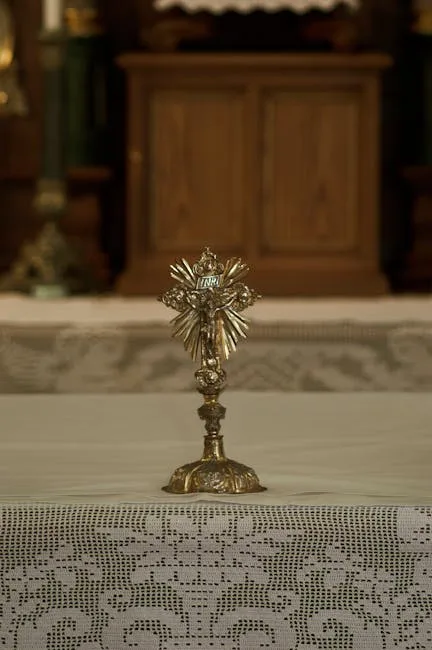
Tips: check for a marked central medal (e.g. the Miraculous Medal) and ask whether the rosary has been blessed. For transport, wrap it in bubble wrap or a soft cloth and store it in an outer suitcase compartment to prevent tangling.
The cross / crucifix — styles and materials
The Roman crucifix can be simple (polished wood) or ornate (silver, copper, lapis lazuli). Portable crosses are found in shops and sometimes in the official shop of each basilica. A crucifix bought at the Vatican is often stamped with the logo or seal of the official shop.
Where to buy:
- Gift Shop de la Basilique Saint‑Pierre — Piazza San Pietro, 00120 Città del Vaticano. Horaires de la basilique : 07:00–19:00 (avril‑sept), 07:00–18:30 (octobre‑mars). Prix : €12–€200 selon taille et matériau.
- Marché de Campo de’ Fiori — Campo de’ Fiori, 00186 Roma RM. Horaires : marché en journée 09:00–14:00. Prix : €5–€60 pour crucifix souvenirs.
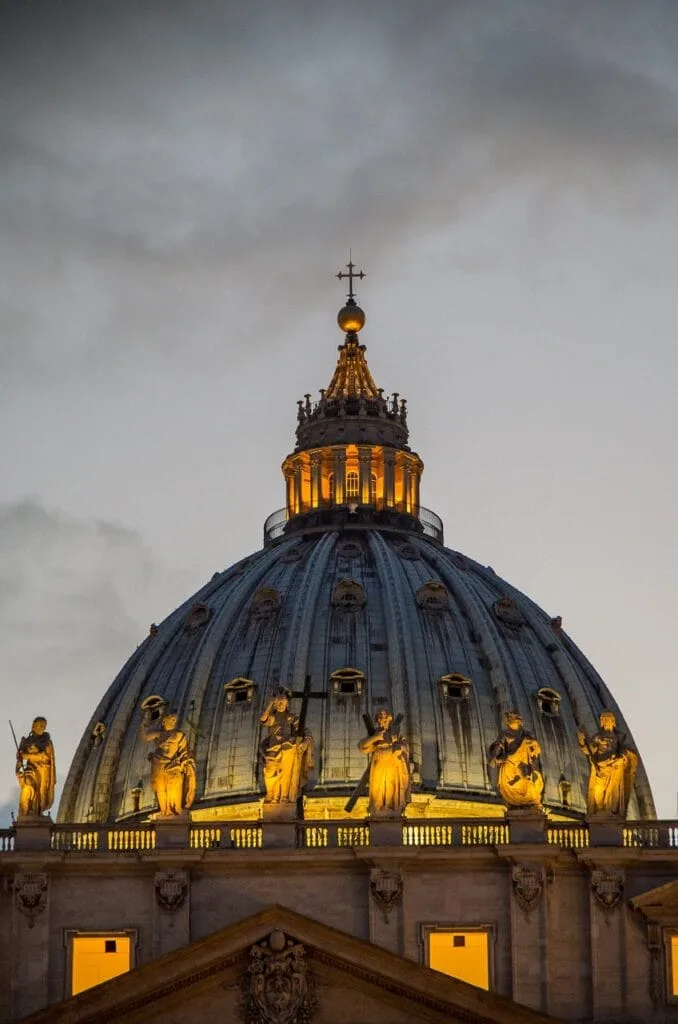
Authenticity: for crucifixes in precious metals, insist on a hallmark (silver 925, gold 750) and a detailed receipt. Beware of pieces that look artificially aged but are overly lightweight.
2) Saint medals and scapulars
Saint medal — small items, great devotion
Saint medals (Saint Benedict medal, the Miraculous Medal of the Virgin, Saint Peter, Saint Paul, etc.) are easy-to-carry devotional items. They are often blessed on site and sold with a small leaflet about the saint’s life. Silver or bronze medals can be very affordable; official versions sold by sacristies are preferable for receiving a blessing.
Where to buy:
- Sacristy of the Basilica of Santa Maria Maggiore — Piazza di Santa Maria Maggiore, 42, 00185 Roma RM. Horaires : 07:00–18:45 (opening varies with liturgy). Prix : €2–€35 selon métal et ornements.
- Boutique San Lorenzo fuori le Mura (sacristy/shop) — Via Tiburtina, 3, 00185 Roma RM. Horaires : 09:00–17:00. Prix : €3–€30.
Cliquer ici pour réserver votre billet pour la basilique Sainte‑Marie‑Majeure

Tips: buy the medal with its small explanatory booklet; if you want a blessing, ask sacristy staff. Certified and blessed medals make better gifts or family keepsakes.
Scapulars — tradition and wearing
The scapular (usually brown for the Carmelites, or white for other confraternities) is a strip of fabric worn around the neck as a sign of spiritual affiliation. They come in simple fabric versions or more crafted forms (mini leather ones and medal attachments).
Where to buy:
- Boutique de la Basilique di San Giovanni in Laterano — Piazza di San Giovanni in Laterano, 4, 00184 Roma RM. Horaires : 07:00–18:00. Prix : €4–€25.
- Librairie religieuse « Libreria Editrice Vaticana » — near the Vatican (check official points of sale). Prix : €5–€30.
Tip: if you plan to begin a devotion (e.g. the Carmelite scapular), ask a local priest about a blessing and possible registration with the confraternity.
Recommended experiences around religious purchases
The air of the Vatican, mingling beeswax and incense, often signals the first shop where you’ll look for a souvenir. These experiences link the purchase to a cultural and spiritual visit, and make it easier to find blessed items or official certificates.
1. Vatican Museums and official shops
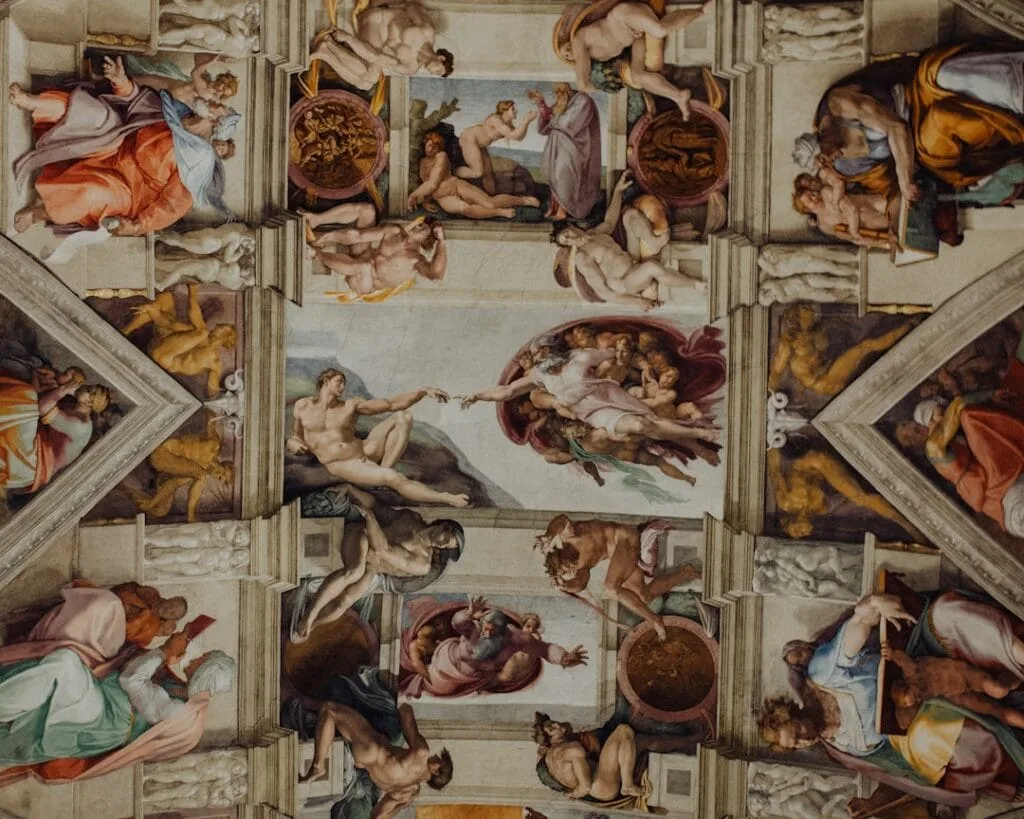
Guided tour of the Vatican Museums and the Sistine Chapel, with a stop at the official shops to spot rosaries, medals and blessed cards sold on site.
- ⏱️ Duration : 2.5–4 hours
- 💡 Highlight : Access to official shops and historical context of the items
- 🗣️ Languages : French, English, Spanish
- 🚩 Departure : Crown Tours office, Vatican walls
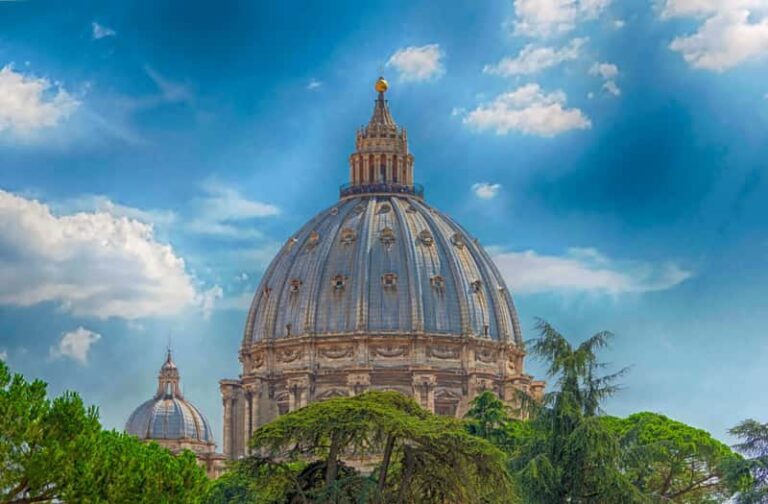
2. St. Peter’s Basilica, dome and grottoes
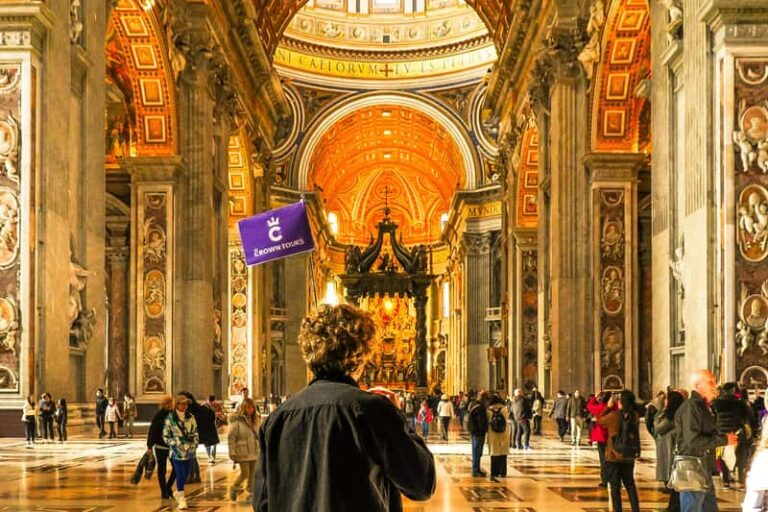
Tour of the basilica with a climb to the dome for the view and access to the basilica shops; descent into the grottoes for a historical and spiritual perspective on blessed objects.
- ⏱️ Duration : 1.5–2.5 hours
- ⭐ Highlight : Shops integrated into the basilica and official blessed items
- 🎟️ Access : Entry via the basilica; sometimes priority access with a guide
- 🚶 Format : Guided walking tour
3. Papal audience with reserved access
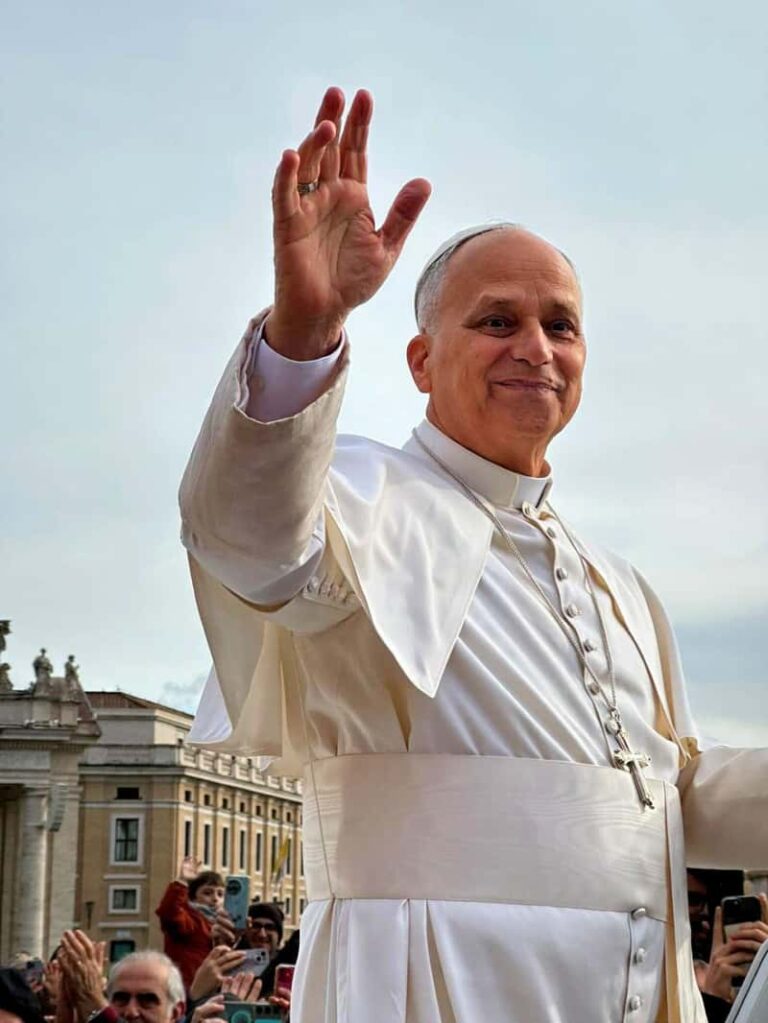
Attend the papal audience: a moment of public blessing, the possibility to obtain certificates, and a chance to see the living tradition of the Church that puts religious purchases in context.
- ⏱️ Duration : 3.5 hours
- 💡 Highlight : Papal blessing and possible certificate
- 🎟️ Includes : Tickets and organization of reserved access
- 🗣️ Languages : French, English, Spanish, Portuguese
3) Icons, figurines and small saint statues
Byzantine icons and reproductions
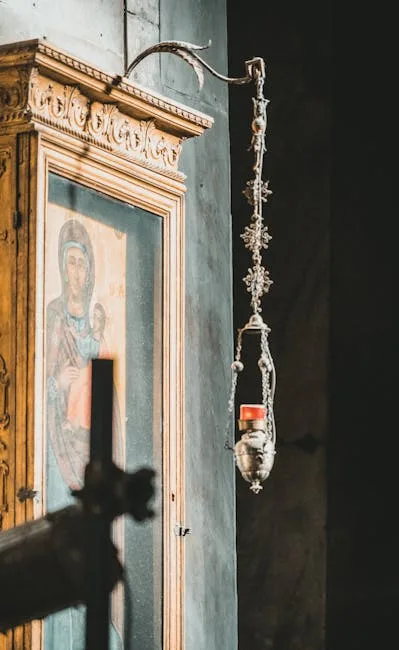
Hand‑painted or printed icons often depict the Virgin and Child, the apostles or angels. True icons, on wooden panels and gilded with gold leaf, can be collectible pieces and require provenance checks. For guaranteed authenticity, favor specialized galleries or shops of the Roma cristiana.
Where to buy:
- Porta Portese Market — Viale di Porta Portese, 00153 Roma RM. Horaires : Sunday 06:00–14:00. Prix : €20–€500 (very variable, from a reproduction to an original framed piece).
- Antiques dealers on Via dei Coronari — Via dei Coronari, 00186 Roma RM. Opening hours: 10:00–19:00. Price: €50–€2,000+ for old and restored icons.
Click here to discover the Pietà and the papal tombs
Tips: always ask for an antique dealer’s certificate or invoice for old icons and check export restrictions. Some listed works require permission to leave Italy.
Statuettes and small statues of saints
Miniature statues (St. Anthony, St. Rita, St. Peter, etc.) come in plaster, resin, wood or bronze. They’re perfect for a home altar. versions blessed by a basilica are often preferred for added spiritual value.
Where to buy:
- Basilica of St. Peter shop — Piazza San Pietro, 00120 Città del Vaticano. Opening hours: according to the basilica’s schedule (see above). Price: €15–€300.
- Crafts stalls at Campo de’ Fiori — Campo de’ Fiori, 00186 Roma RM. Opening hours: market 09:00–14:00. Price: €10–€80.
Packing: for fragile pieces ask for reinforced packaging and, if possible, a wooden box or crate. Mark « fragile » on the label if you’re reshipping.
4) Prayer cards, blessed certificates and holy oils
Prayer cards and devotional images
« Holy cards » or prayer cards are small printed keepsakes, often blessed. They’re great as gifts or tucked into a prayer book. You’ll find a wide selection in religious bookstores and basilica shops.
Where to buy:
- Bookshop of the Basilica of Santa Maria Maggiore — Piazza di Santa Maria Maggiore, 42, 00185 Roma RM. Opening hours: 08:00–18:00. Price: €0.50–€5 per card, sets from €5.
- Sacristies of the major basilicas — (e.g. San Giovanni in Laterano, Santa Maria Maggiore). Price: €1–€4 per card.
Tip: buy themed sets (e.g. a saint’s life) to build a cohesive keepsake. Blessed cards sometimes carry a sacristy stamp.
Blessed oils and certificates
Blessed oil (oil of the sick, oil of catechumens) is a liturgical item requested by some faithful. Bottles are often sold at basilica sacristies or specialized bookshops. Blessing certificates — small parchments or stamped papers — certify that an object received a papal or canonical blessing.
Where to buy:
- Sacristy of Santa Maria Maggiore — Piazza di Santa Maria Maggiore, 42, 00185 Roma RM. Opening hours: 07:00–18:45. Price: blessed oil €10–€30 for a small vial, certificates €10–€70 depending on type.
- Vatican Bookshop — official points of sale around the Vatican. Price: similar, often with blessing option.
Restrictions: liquids are subject to airline rules; consider buying vacuum-sealed vials or packing the item in checked luggage. For official certificates (e.g. apostolic blessing) check the procedure on the Vatican’s official site.
5) Relics, indulgences and papal blessings
Authenticated relics and devotional objects
Relics (bone fragment, piece of clothing, etc.) are very sensitive items: their trade is strictly regulated and requires authenticity documents. Old relics sold without papers can be dubious. If you seek a genuine relic, go to reputable antique dealers or ecclesiastical offices that issue a certificate.
Who to contact:
- Antiques dealers on Via dei Coronari — Via dei Coronari, 00186 Roma RM. Opening hours: 10:00–19:00. Price: €100–€5,000+, depending on rarity and certificate.
- Sacristies or ecclesiastical offices of the major basilicas — (e.g. Basilica di San Pietro). Issued: authentic relics accompanied by a provenance letter. Price: variable, often by request.
Precaution: do not buy relics without certificates; export may be prohibited and some items (human bone) raise ethical and health concerns.
Click here to visit the Vatican Museums, the Sistine Chapel and St. Peter’s

Practical advice: for an official blessing, inquire in advance and allow administrative time. Keep all correspondence and the receipt; these documents are your proof in case of customs checks.
Papal blessings and indulgences — how to obtain them
Getting a papal blessing (Benedizione Apostolica) is a powerful spiritual souvenir. You can request it officially through the Prefecture of the Papal Household or via accredited online services. The blessing is sent on parchment and can be for a living person or in memory of the deceased.
Where and how:
- Prefecture of the Papal Household (Vatican) — request via the Vatican’s online service (official website). Delays: from a few days to several weeks depending on the period. Indicative price: €30–€120 for the official blessing (administrative and shipping fees included depending on provider).
- Office of Papal Blessings in certain Vatican offices: possibility to obtain blessings in person by attending papal audiences (subject to schedule). Price: variable, often free but shipping/processing fees apply if you want it on parchment.
Practical tips: for an official blessing, inquire in advance and allow for administrative delays. Keep all correspondence and the receipt; these documents are your proof in case of a customs check.
Conclusion
Bringing back a religious item from Rome means taking home a tangible link to a millennia‑old tradition. From blessed Vatican rosaries and sacristy medals to handcrafted icons, well‑worn statuettes and papal blessings on parchment, the range suits every budget. This guide aims to point you to reliable addresses — Musei Vaticani (Viale Vaticano, 00165 Roma RM), Piazza San Pietro (00120 Città del Vaticano), Santa Maria Maggiore (Piazza di Santa Maria Maggiore, 42, 00185 Roma RM), San Giovanni in Laterano (Piazza di San Giovanni in Laterano, 4, 00184 Roma RM), Campo de’ Fiori (00186 Roma RM) and Porta Portese (Viale di Porta Portese, 00153 Roma RM) — while giving you typical price ranges in euros and usual opening hours to plan your purchases.
A few final recommendations: always favor official shops or reputable antique dealers for valuable pieces; always request a certificate or invoice for expensive items; have your items blessed if that matters to you (sacristies, local priests); and check transport rules (liquids, fragile items, artworks). For relics and listed works, be sure to verify export formalities. Finally, take the time to listen to each piece’s story: often the seller or sacristan will share the anecdote that turns a simple souvenir into an emotionally charged object.
Have a great trip to Rome, and may your religious keepsake accompany you for years, full of memory and meaning.