





Introduction: a living snapshot of restorations at the Vatican
At the heart of Rome, the Vatican is not only a spiritual center but also a vast, ongoing conservation site. Paintings, mosaics, marbles, gilding, architectural elements and gardens are constantly undergoing interventions to preserve them from time, pollution and the pressures of tourism. This overview aims to give a clear, practical picture of the main restoration works currently underway, with useful visitor information: exact locations, addresses, indicative prices in euros, opening hours and detailed descriptions of the interventions.
Recent and ongoing projects blend respect for traditional techniques with modern technology: laser cleaning, micro‑surgical consolidation, non‑invasive analysis (multispectral imaging) and continuous climate monitoring. Restorations are more than technical operations — they’re training programs too, with labs educating young conservators and international scientific partnerships. Visitors now benefit from greater transparency: open‑days, exhibitions focused on restorations and themed guided tours are increasingly common.
In the sections below we break things down into five main areas: St. Peter’s Basilica and its structures, the Sistine Chapel and the rooms of the Vatican Museums, the archaeological excavations of the Scavi, the restoration laboratories and the techniques they use, and finally the gardens and outdoor environment. Each section provides full addresses, typical opening times, entrance fees and precise descriptions of the work in progress so you can plan your visit — or your professional interest — more effectively.
St. Peter’s Basilica: façade, dome and mosaics under restoration
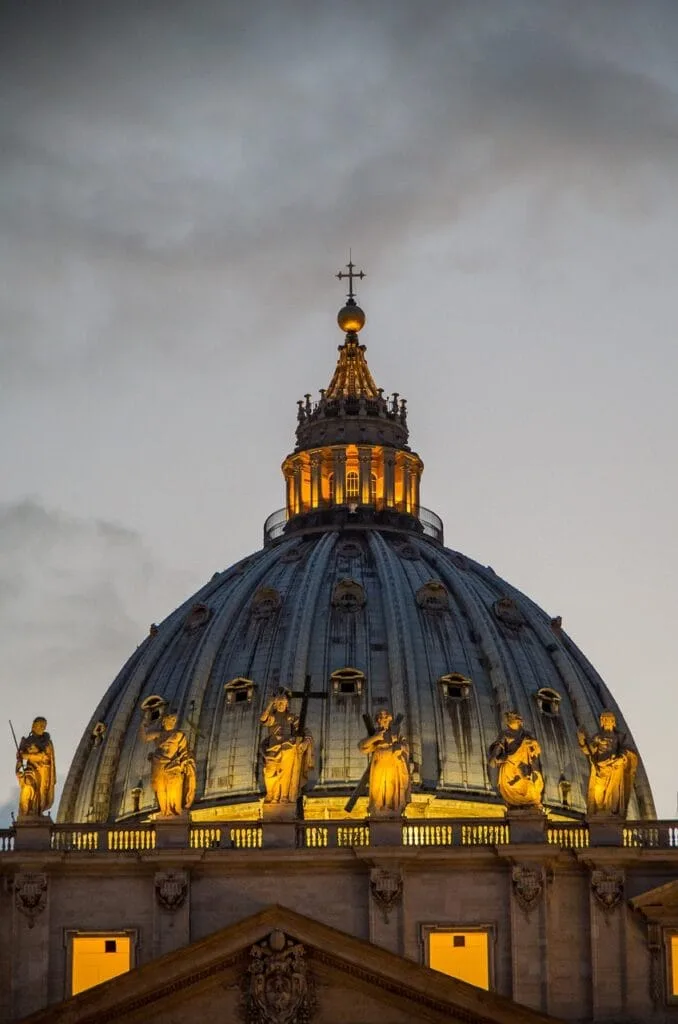
The Basilica di San Pietro (St. Peter’s Basilica), located at Piazza San Pietro, 00120 Città del Vaticano, is at the center of several major restoration projects. The current operations focus on cleaning and stabilizing the travertine façade, reinforcing Michelangelo’s Cupola (dome), and conserving the mosaics that decorate the interior and the papal tribune.
Practical notes and useful information:
- Address: Piazza San Pietro, 00120 Città del Vaticano.
- Opening hours: generally open to the public from 07:00 to 19:00 from April to September, and from 07:00 to 18:30 from October to March (times may vary for liturgical celebrations).
- Fees: entry to the basilica is free; climbing the dome: about €10 (partial elevator + stairs) or €8 (all stairs) depending on the option chosen.
- Access: security screening on the square is mandatory; dress code required.
Detailed description of the works:
The façade is undergoing a programme of cleaning and consolidation to remove atmospheric deposits and stabilize mortar joints. Teams combine traditional methods (gentle cleaning with deionized water, repointing with lime mortar) with modern techniques such as targeted micro‑abrasion and consolidation via injections of compatible resins. Special attention is given to the busts and colossal statues crowning the façade, which receive anti‑pollution treatments and reversible hydrophobic coatings.
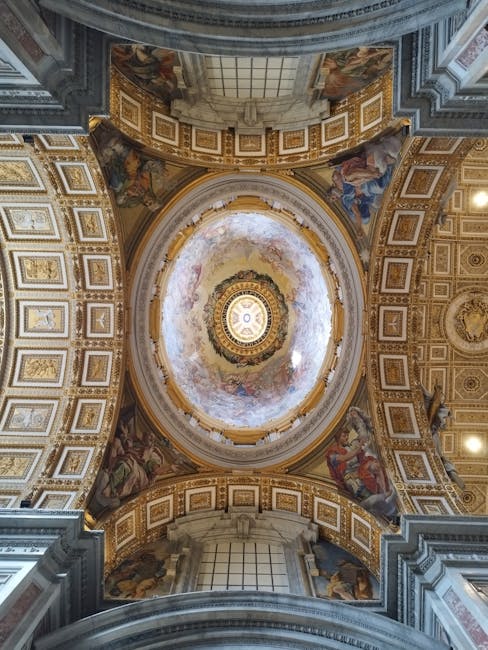
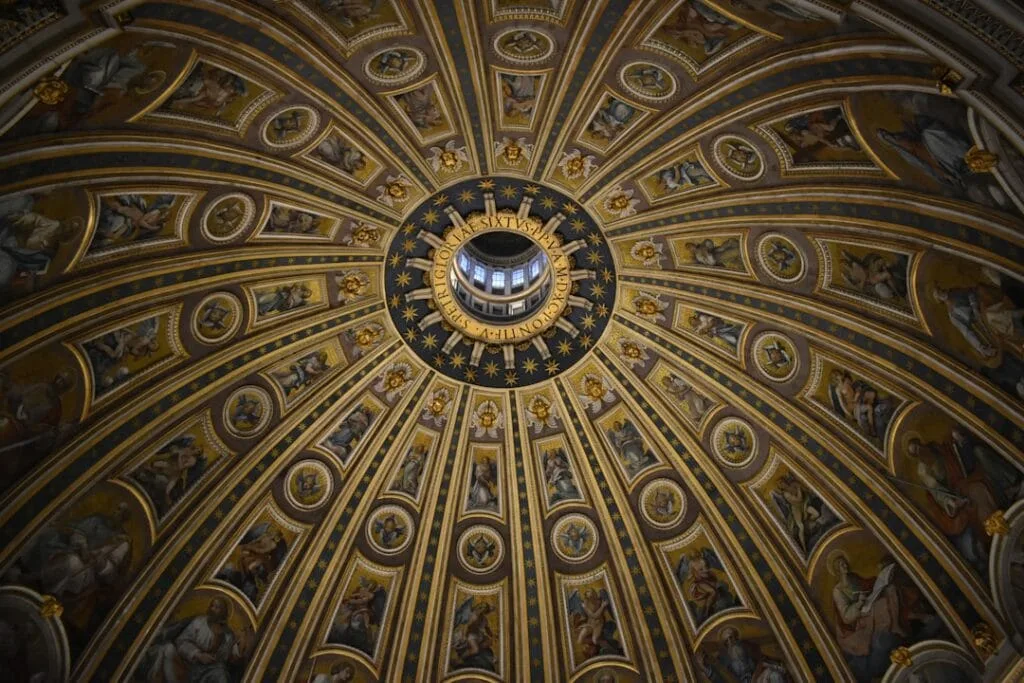
The dome is subject to regular structural inspections. Interventions include discreet reinforcement of metal framing members, crack treatment using consolidating injections, and conservation of the interior frescoes affected by humidity swings. The mosaics in the apse and side chapels are cleaned using micro‑vacuuming and micro‑brushing under binocular magnification to protect gold tesserae and glass paste.
 Click here to book a guided St. Peter’s Basilica tour
Click here to reserve St. Peter’s tombs and dome ascent
Vatican Museums and the Sistine Chapel: conserving masterpieces and handling sensitive works
The Musei Vaticani (Vatican Museums), located on Viale Vaticano, 00165 Roma RM, Italia, house the Cappella Sistina (Sistine Chapel), the Stanze di Raffaello (Raphael Rooms) and the Pinacoteca Vaticana (Vatican Picture Gallery). These spaces are continually maintained to protect frescoes, oil paintings, panels and mural decorations from damage caused by humidity, light and visitor flows.
Practical information:
- Address: Musei Vaticani, Viale Vaticano, 00165 Roma RM, Italy (the Sistine Chapel is inside the museum route).
- Opening hours: usually Monday to Saturday from 09:00 to 18:00 (last entry 16:00); closed on Sundays except the last Sunday of the month (special free opening 09:00–14:00).
- Tickets: standard online ticket ≈ €18; at the desk ≈ €21; reductions for youth and groups; Scavi and special tours cost extra.
Detailed description of the work:
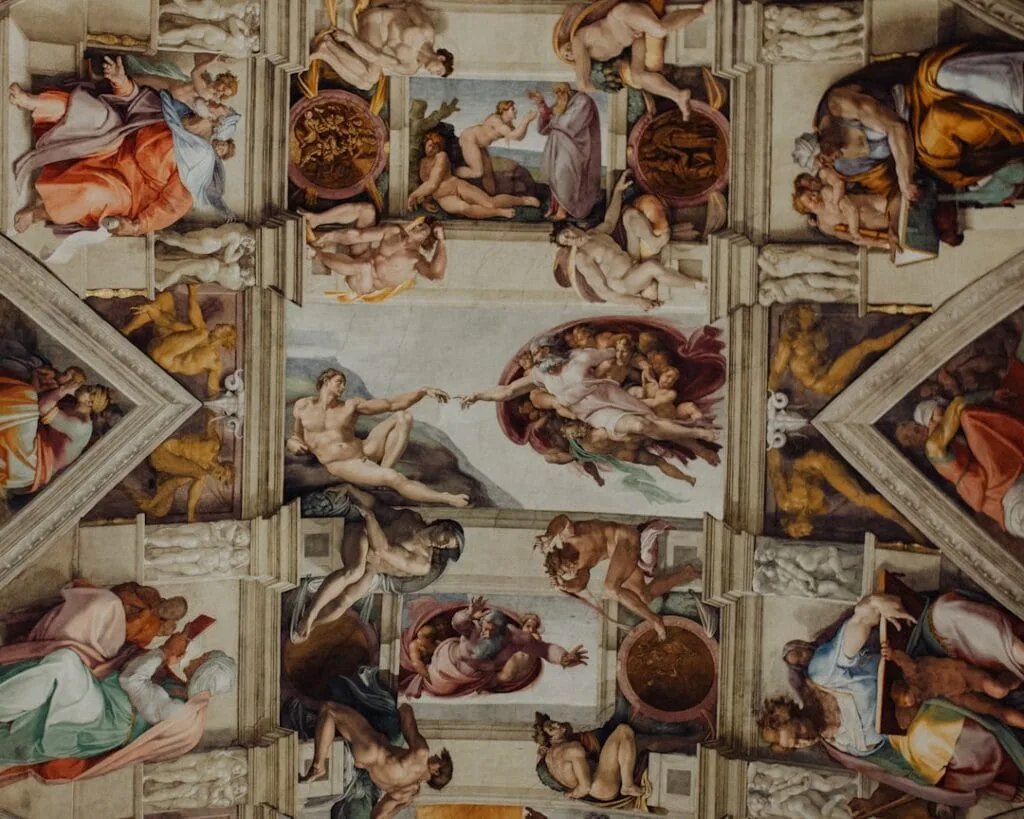
Restoration activity in the Sistine Chapel today focuses more on preventive maintenance than on large‑scale cleaning campaigns. Teams continuously monitor air quality and lighting, adjusting light levels to reduce photodegradation. The edges of Michelangelo’s frescoes are regularly inspected for microcracks; interventions are localized: consolidation of paint layers using capillary injections, desalination of supports in case of infiltration, and discreet replacement of glued joints in the cornice.
The Stanze di Raffaello and the Pinacoteca benefit from restoration campaigns that include surface cleaning, removal of oxidized varnishes, and stabilization of stretchers. Infrared and UV‑fluorescence analyses help detect overpaints and earlier retouches, which guides the choice of cleaning techniques (hydrophobic gels, mild solvents, microfiber brushes).
Click here to book Vatican Museums and Sistine Chapel tickets
Scavi della Necropoli Vaticana: excavations, conservation and controlled visits
The Scavi della Necropoli Vaticana (Vatican Necropolis Scavi) is an exceptional archaeological site beneath St. Peter’s Basilica. Access is through the Scavi office: Ufficio Scavi, Viale Vaticano, 100, 00165 Roma RM, Italia. Visits are strictly controlled, run in small groups, and require advance booking.
Practical information:
- Booking address: Ufficio Scavi, Viale Vaticano, 100, 00165 Roma RM.
- Tour times: guided tours are generally scheduled Monday to Saturday, mornings and early afternoons; departures are limited according to the archaeological calendar.
- Fees: guided Scavi tour ≈ €13 per person (indicative); reservation required through the official site.
- Reservations: online or by e‑mail, places are very limited (often weeks to months of waiting).
Detailed description of the excavations and conservation work:
Work at the Scavi combines archaeological excavation with in‑situ conservation interventions. Teams carefully excavate funerary layers and stabilize ancient walls using reversible techniques: injections of compatible mineral consolidants, temporary fiberglass supports for fragile sectors, and measures to protect against rising damp. Discoveries are typically documented exhaustively with photography and 3D scans before any intervention; the on‑site lab carries out stratigraphic and palaeobotanical analyses.
The visitor route, intentionally short and controlled, limits impact on the subterranean microclimates. Conservators use low‑heat LED lighting and air filtration systems to keep conditions stable. Visitors get a rare experience: seeing the presumed tomb of the Apostle Peter and early Christian mausoleums while observing the modern precautions taken to preserve these remains.
Click here to book St. Peter’s Basilica, underground and dome tour
Restoration Laboratory and technical innovation: the Vatican’s scientific hub
The Laboratorio di Restauro dei Musei Vaticani (Vatican Museums Restoration Laboratory) is the nerve center for technical interventions. Located within the Musei Vaticani complex, Viale Vaticano, 00165 Roma RM, this lab is equipped to treat murals, canvases, stone and metal sculptures, and mosaics. It also functions as a training and research center.
Practical information:
- Address: Laboratorio di Restauro, Musei Vaticani, Viale Vaticano, 00165 Roma RM.
- Hours: lab activities generally run Monday to Friday, 09:00–17:00; occasional public visits during special events.
- Special visit fees: temporary exhibitions or open‑days may offer entry or guided visits starting around €15–€25 depending on the program.
Technical and educational description:
The laboratory is organized into specialized workshops: panel and canvas painting, plaster consolidation, mosaic workshop, and a sector dedicated to modern materials and analysis. Techniques range from cleaning with hydrogel systems to micro‑electro‑erosion for stubborn deposits, and laser cleaning for soiling on stone or metal. Physico‑chemical analyses (chromatography, spectrometry, NMR) identify binders, pigments and varnishes so conservators can choose compatible, reversible treatments.
The lab also runs training programs for conservators in collaboration with universities and institutes worldwide. Hands‑on workshops and conferences are regularly held, giving professionals and students the chance to observe real cases and learn protocols developed by Vatican teams.
Click here to join the Vatican Last Judgment restoration tour
Vatican Gardens and outdoor spaces: landscape care and structural restoration
The Giardini Vaticani (Vatican Gardens), accessible via guided tours departing from the Musei Vaticani (Viale Vaticano, 00165 Roma RM), are also the focus of restoration and landscape maintenance programs. These works aim to preserve historic landscape elements, fountains, statues and the small ornamental buildings that make this private park unique.
Practical information:
- Address: Giardini Vaticani, access via Musei Vaticani, Viale Vaticano, 00165 Roma RM.
- Opening hours: guided tours generally run in the morning, with departure times varying by season; booking is recommended.
- Fees: guided garden tours from about €29–€35 in addition to the museum ticket (indicative prices vary by operator).
Description of the interventions:
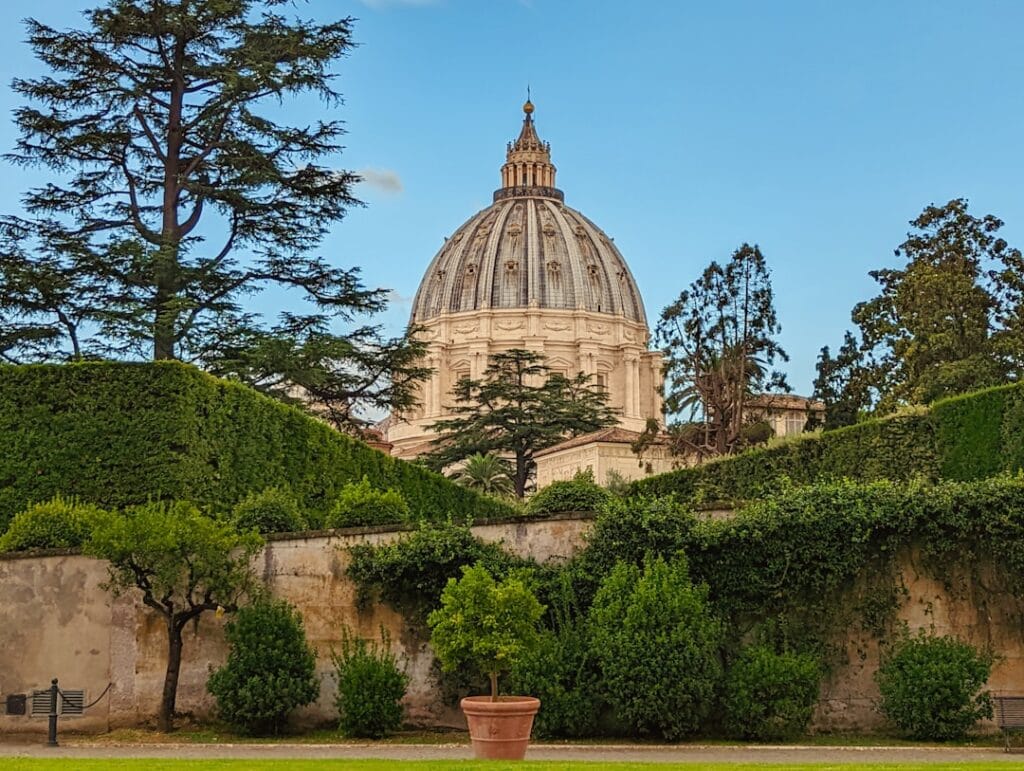
Garden works combine architectural restoration (repairing balustrades, refurbishing basins and fountains) with botanical interventions (replacing diseased species, integrated pest management, and biodiversity enhancements). Outdoor stone and marble statues receive reversible hydrophobic treatments and targeted consolidation. Recent projects include irrigation system upgrades and installation of climate sensors to optimize watering and soil nutrition, reducing the environmental footprint of maintenance operations.
Conclusion: why these restorations matter for visitors and researchers
Restoration projects at the Vatican are not isolated construction sites — they form a comprehensive program to safeguard world heritage, combining traditional skills and scientific innovation. For visitors, understanding these efforts changes how you look at an artwork: you begin to see not just a fresco or a statue, but the material history and the care required to pass it on to future generations.
From a practical standpoint, planning your visit with opening hours, access restrictions (Scavi) and fees in mind is essential. Major institutions like the Basilica di San Pietro, the Musei Vaticani and the Laboratorio di Restauro offer guided tours and temporary exhibitions that showcase conservators’ work — perfect opportunities for curious visitors and professionals alike.
Finally, these restorations are a testament to cultural responsibility: they show how a millennia‑old institution adapts to 21st‑century challenges (pollution, tourism, climate change) while respecting principles of reversibility, material compatibility and scientific documentation. Whether you’re a tourist, a student, a curator or simply an art lover, keeping up with restorations at the Vatican gives you an extra key to appreciating the richness and fragility of this universal heritage.